Best Garden Tool For Planting Bulbs: Top Picks
The best garden tool for planting bulbs is a sturdy bulb planter with clear depth marks and an easy-grip handle.
Every fall, I see the same garden problem: a bag of tulips, daffodils, or crocuses waits beside hard soil, while the gardener faces hours of kneeling and digging. A good bulb planter turns that chore into a quick, clean task. It helps make even holes, keeps planting depth consistent, and reduces strain on your hands and back. I reviewed these tools for blade strength, comfort, depth control, soil performance, and day-to-day value. This guide will help you find the best garden tool for planting bulbs for your yard, garden bed, or lawn.
FLORA GUARD Bulb Planter

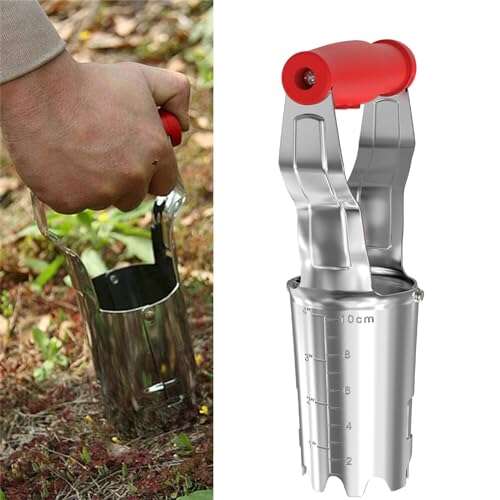
The FLORA GUARD Bulb Planter is a simple hand tool made for gardeners who want neat holes without guessing at depth. Its marked planting chamber helps you place bulbs at a more even level. That matters because bulbs planted too shallow may dry out or suffer cold damage, while bulbs planted too deep may struggle to emerge. I find this style especially useful for tulips, daffodils, crocuses, and small ornamental bulbs.
The compact shape gives you good control in raised beds and borders. You press the tool into prepared soil, twist if needed, lift out the plug, and place the bulb in the hole. The depth markings act like a small ruler in the garden, which makes repeated planting much less tiring. For normal garden soil, this is a practical and affordable choice for seasonal planting.
Pros:
- Clear depth markings support even bulb placement
- Compact size works well in flower beds and containers
- Simple hand-powered design needs no battery or drill
- Helps create clean, uniform planting holes
- Easy to carry and store after the season
- Useful for tulips, daffodils, crocuses, and small bulbs
Cons:
- Hand pressure may be difficult in very hard clay
- Requires kneeling or bending during large planting jobs
- Small chamber may not fit very large bulbs
My Recommendation
I recommend the FLORA GUARD Bulb Planter to home gardeners who want better depth control without buying a large tool. It is a strong match for small and medium flower beds, raised beds, and container gardens. If you plant a few dozen bulbs each year and want a tool that feels direct and easy to use, this may be the best garden tool for planting bulbs for your needs. Its low storage demand and simple operation add good overall value.
Long-Handle Bulb Planter with Foot Pedal

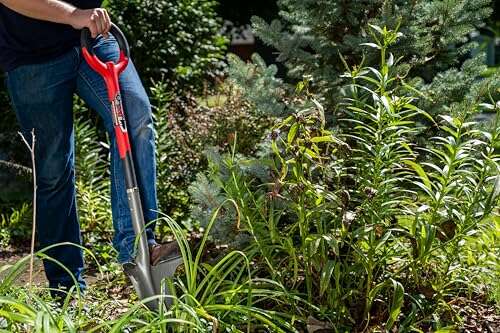
This long-handle bulb planter is designed for standing work. Its foot pedal lets you push the planting head into the ground with your leg instead of relying only on your hands. That small design change can make a major difference when planting many bulbs. The high-carbon steel dibber style is suited to gardeners who want more reach, leverage, and comfort.
I especially like long-handle planters for wide borders and lawns where bending over for every hole becomes a slow drain. The foot pedal gives your body a stronger point of contact with the soil. You still need reasonably prepared ground, but the tool should handle normal garden beds with less effort than a short hand planter. It is also a useful option for gardeners with sore knees or limited flexibility.
Pros:
- Allows standing bulb planting with less bending
- Foot pedal adds useful downward force
- Long handle improves reach across borders
- High-carbon steel design is suited to repeated garden use
- Good choice for planting many bulbs in one session
- Can reduce hand and wrist fatigue
Cons:
- Takes more storage space than a hand planter
- May not work well in rocky or heavily compacted soil
- Less precise for very small bulbs and tight spaces
My Recommendation
I suggest this foot-pedal planter for gardeners who plant large groups of bulbs or dislike kneeling. It is a practical choice for tulip displays, daffodil drifts, and broad lawn areas. The long shaft and foot control make it one of the better choices when comfort matters as much as speed. For older gardeners and anyone with back or knee concerns, it could be the best garden tool for planting bulbs among the products reviewed here.
Colwelt Long-Handle Bulb Planter

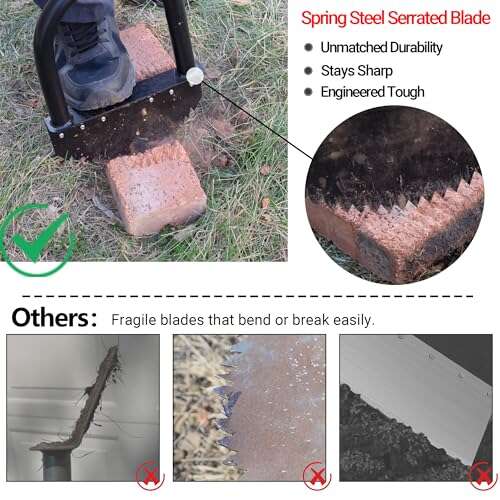
The Colwelt Long Handle Bulb Planter is built for gardeners who want a standing tool that can also act as a sod plugger. The long shaft helps you reach the soil without constant bending. Its hole-digging format is useful when you want to place bulbs in lawns, borders, or open beds. It can also help remove a small soil plug, making the planting process neat when the ground is workable.
This design is most useful when spacing matters. You can move across a bed, make similar holes, and keep the work moving without carrying a separate trowel for every step. Like other manual bulb planters, it performs best after watering dry soil or loosening compacted ground. I would use it for medium and large bulbs rather than tiny seeds or delicate transplant work.
Pros:
- Long handle supports a more upright working position
- Useful for bulbs and small sod-plugging tasks
- Helps create consistent holes across a lawn or bed
- Reduces the need to kneel for each bulb
- Suitable for seasonal planting projects
- Works well in open areas with regular spacing
Cons:
- Can feel bulky in crowded flower borders
- Hard soil may require pre loosening
- Does not replace a full shovel for deep or wide holes
My Recommendation
The Colwelt is best for people who need a long-handled bulb planter with more than one garden use. It fits lawn planting and open beds better than narrow containers or dense borders. Choose it if you value reach and want a tool that can remove plugs as well as open planting holes. For broad layouts, it is a sensible contender for the best garden tool for planting bulbs.
Toresano Bulb Planter

The Toresano Bulb Planter is a focused tool for making holes before planting. Its transplanter-style shape gives you a compact way to work around existing flowers and roots. That is important in an established bed, where a large shovel can disturb more soil than necessary. It is a useful fit for gardeners who want control rather than maximum digging power.
I would reach for this planter when filling gaps in a border or adding bulbs beside perennials. Its smaller profile makes it easier to place a hole exactly where you want it. The tool should perform best in moist, loose soil with a crumbly texture. If your ground is dry or full of roots, watering and loosening the area first will protect both the tool and your hands.
Pros:
- Compact profile works around existing plants
- Good control for small planting areas
- Useful for bulbs, transplants, and young plants
- Creates focused holes with limited soil disturbance
- Easy to carry during routine garden work
- Simple design suits beginners and experienced gardeners
Cons:
- Not ideal for planting hundreds of bulbs quickly
- Requires bending or kneeling during use
- May need extra effort in dense clay or dry ground
My Recommendation
The Toresano is best for beds with existing plants, tight spacing, and small planting jobs. It gives you the control needed to add bulbs without tearing up nearby roots. I would choose it for a mixed perennial border, a small cottage garden, or container work. It may be the best garden tool for planting bulbs when precision matters more than speed.
Omesata Sod Plugger Bulb Planter

The Omesata Sod Plugger is made for gardeners who want to open holes in turf or garden soil with a plug-style tool. It can help plant bulbs in grassy areas while keeping the surface neat. The sod plug approach also gives you a way to lift a small piece of soil, place the bulb, and return the plug. This can make lawn planting less messy than digging each hole with a large spade.
This type of tool works best when the lawn is neither bone dry nor soaked. Slightly moist soil lets the plug come out with a cleaner shape. I would use it for naturalizing daffodils or crocuses in grass, then replace the soil firmly around each bulb. It is less useful for rocky sites, thick roots, or ground that has not been prepared.
Pros:
- Useful for planting bulbs directly in lawns
- Plug-style action can reduce surface damage
- Helps keep removed soil close to the planting hole
- Suitable for grass plugs and selected garden tasks
- Good choice for naturalized bulb displays
- Can make repeated holes with consistent form
Cons:
- Performance depends on soil moisture
- May struggle with rocks and thick roots
- Plug removal can be harder in very dry turf
My Recommendation
I recommend the Omesata for lawn owners who want to scatter bulbs through grass without making large bare patches. It is a specialized choice, not a universal digging tool. Use it after light watering and avoid areas with buried cables, heavy roots, or stones. For natural lawn displays, this may be the best garden tool for planting bulbs because it focuses on clean turf work.
DIOVPLX Adjustable Long-Handle Planter

The DIOVPLX planter stands out because it offers adjustable planting depths. Its long handle supports standing work, while the depth options help you match the hole to different bulbs and seedlings. A tool with set depth choices can reduce guesswork when you switch from small crocuses to larger tulips or bulbs. The auto-eject design is also intended to make repeated hole work faster.
I see the greatest value here for gardeners who plant several types of bulbs in one season. Depth is not one-size-fits-all, so adjustment can be useful when following package guidance or spacing bulbs in mixed layers. The tool is also suited to grass plugs and small planting tasks beyond bulbs. As with any manual planter, it will work best in soil that has some moisture and a workable texture.
Pros:
- Adjustable depth options support different bulbs
- Long handle allows standing operation
- Auto-eject feature may speed up repeated planting
- Useful for bulbs, grass plugs, and seedlings
- Helps reduce depth errors in mixed plantings
- Good fit for larger seasonal planting projects
Cons:
- More moving parts may need careful cleaning
- Adjustments can take time when changing tasks
- Large design may feel awkward in small containers
My Recommendation
The DIOVPLX is best for gardeners who want one long-handled tool for several planting depths. It makes sense for mixed bulb displays, lawn plugs, and repeat work across a large yard. I would choose it when versatility matters more than the smallest possible size. Among adjustable models, it has a strong claim as the best garden tool for planting bulbs for gardeners who plant many varieties.
FLORA GUARD Steel Garden Dibber

The FLORA GUARD Steel Garden Dibber is a narrow planting tool with a traditional shape. A dibber makes small holes for seeds, seedlings, and small bulbs without removing a large plug of soil. The steel point offers focused contact with the ground, while the wood handle gives the tool a familiar hand-tool feel. It is especially useful when planting in trays, pots, raised beds, and soft soil.
This is not the tool I would pick for deep holes in hard turf, but it excels at careful work. You can make a hole, place the bulb or plant, and close the soil with your fingers. The narrow point also helps prevent unnecessary damage to nearby plants. Gardeners who enjoy hands-on planting may prefer this dibber because it gives a direct sense of soil depth and pressure.
Pros:
- Narrow point creates focused planting holes
- Steel construction suits regular garden use
- Wood handle feels natural in the hand
- Useful for seeds, seedlings, and small bulbs
- Works well in containers and raised beds
- Disturbs less soil than a wide bulb planter
Cons:
- Not suited to large bulbs or deep lawn planting
- Requires kneeling or bending for most jobs
- Small point may slip in hard, dry soil
My Recommendation
Choose this dibber if you plant small bulbs, seedlings, or seeds in soft soil. It is a good companion tool for a careful gardener who works in containers or raised beds. Its narrow shape gives you excellent control, though it cannot match a long-handle planter for speed. For fine planting work, it can be the best garden tool for planting bulbs when the bulbs are small and the soil is loose.
Green Gardening Bulb Planting Tool Set

This planting tool set is designed for gardeners who want help with both digging and filling holes. The depth marking supports more even planting, while the two-part approach can make it easier to return soil around each bulb. That is useful when planting tulips, daffodils, dahlias, or other bulbs that need clean placement. A coordinated set can also reduce the need to switch between a dibber and a hand scoop.
I like this type of set for new gardeners because it makes the planting process feel more complete. One tool opens the space, and the other helps settle soil around the bulb. Even coverage matters because air pockets can leave roots exposed or allow the bulb to dry. It is best suited to small and medium beds where you want neat work and a simple routine.
Pros:
- Includes tools for digging and filling planting holes
- Depth marks help support consistent placement
- Useful for tulips, daffodils, and dahlias
- Good starter option for new gardeners
- Can make planting and covering bulbs more orderly
- Helpful for moving small plants and garden tasks
Cons:
- Hand tools still require bending during use
- May not provide enough force for hard ground
- Multiple pieces need separate storage
My Recommendation
This set is best for beginners, container gardeners, and anyone who wants a complete basic planting routine. It is also useful for children or families learning how to plant bulbs under supervision. Pick it when you value convenience and soil coverage more than long-handle comfort. For an approachable starter kit, it may be the best garden tool for planting bulbs in a small home garden.
H HUGELEAF Bulb Planter

The H HUGELEAF Bulb Planter offers a broad depth range for common bulb planting jobs. Its 1-to-5-inch range can help you adjust the hole for different plant types and soil conditions. That flexibility is useful because small bulbs often need less depth than large tulips or daffodils. The tool gives gardeners a way to follow planting guidance without measuring each hole with a separate ruler.
This planter is a good middle ground between a tiny dibber and a long-handled sod plugger. It suits gardeners who want adjustable depth but still prefer a hand tool. I would use it in prepared beds, vegetable garden edges, and raised planters. Before use, remove large stones and water hard soil so the cutting edge can enter cleanly.
Pros:
- Adjustable depth range supports several bulb sizes
- Useful for common bulbs and seasonal flowers
- More flexible than a fixed-depth planter
- Good size for beds and raised planters
- Helps reduce inconsistent hole depth
- Simple manual operation needs no power source
Cons:
- Hand operation can tire you during large projects
- Hard clay may limit the depth range in practice
- Less comfortable than a long-handle model for some users
My Recommendation
The H HUGELEAF is best for gardeners who want adjustable depth in a compact hand planter. It is a strong fit for mixed bulb collections and beds where depth changes from plant to plant. Choose it if you want more control than a fixed tool but do not need a standing model. Its flexible depth range makes it a reliable candidate for the best garden tool for planting bulbs in prepared soil.
Garden Auger Drill Bit for Planting

The Garden Auger Drill Bit takes a different approach from manual bulb planters. It attaches to a compatible drill and uses rotation to open holes for bulbs and bedding plants. This can save time when you need many holes in loose or moderately firm soil. The 3/8-inch hex drive is designed for drills that accept that fitting, so check your drill before ordering.
An auger can be a major help for large displays, but it needs careful use. Start at a slow speed, keep the drill steady, and stop if the bit meets a buried stone or root. I would avoid forcing it through unknown ground because that can damage the bit, drill, or user. Used with care, this is one of the fastest options for tulip beds and repeated planting rows.
Pros:
- Speeds up repeated bulb hole digging
- Works with a compatible cordless or corded drill
- Useful for tulips and bedding plants
- Reduces repeated hand pressure and twisting
- Good option for large seasonal displays
- Can create similar holes across a planting area
Cons:
- Requires a compatible drill and charged battery
- Can struggle or stop at rocks and thick roots
- Needs careful control to prevent over drilling
- May disturb more soil than a narrow hand dibber
My Recommendation
I recommend this auger for experienced gardeners who already own a suitable drill and plant many bulbs at once. It is not the best choice for tiny containers, rocky ground, or gardeners who prefer quiet hand tools. Use slow speed and inspect the area before drilling. For speed and high-volume planting, it may be the best garden tool for planting bulbs, especially in prepared beds.
Best For Comparison
| Best for | Why |
|---|---|
| Small beds and containers | A compact hand planter or dibber gives precise control with little soil disturbance. |
| Large beds and lawn planting | A long-handle planter or sod plugger reduces bending and speeds up repeated holes. |
| Fast, high-volume planting | A garden auger uses a compatible drill to make many holes with less hand effort. |
Choosing a bulb planter starts with the soil and the number of bulbs you plan to plant. Soft, prepared soil welcomes nearly any hand tool. Hard clay, dry turf, and rocky ground need more care, and no bulb planter should be forced through a buried stone. I always water dry soil first, wait until it becomes workable, and remove visible rocks before planting.
Depth is also important. General planting advice often places bulbs at a depth related to the bulb’s size, but the exact rule varies by plant and climate. Always check the label or trusted local horticulture guidance for your bulb. A depth marker helps, but it does not replace reading the planting instructions.
Spacing matters just as much as depth. Bulbs look fuller when grouped in natural drifts, but they still need room for roots and future growth. I like to place bulbs on the soil surface first, adjust the pattern, and then make the holes. This simple step prevents a beautiful plan from turning into a crowded patch.
Drainage deserves attention too. Most spring bulbs dislike sitting in wet soil for long periods. If water stays around the bulb, rot becomes more likely, especially during cool weather. Add organic matter where appropriate, improve drainage, and avoid planting in a low spot that collects runoff.
When using a short hand planter, keep your wrist straight and press with steady force. Do not hammer the tool into the ground. When using a long-handled model, keep both feet firm and use your leg rather than your lower back. With a drill auger, begin slowly and hold the tool with both hands.
After placing a bulb, set the pointed or growing end in the correct direction when the bulb’s shape makes that clear. Cover it with loose soil and press lightly. Do not pack the ground like concrete. A light watering can settle the soil and remove large air pockets without flooding the site.
Clean every planter after use. Soil left on steel can hold moisture against the surface and encourage rust. Brush away dirt, rinse when needed, dry the tool, and store it in a dry place. A small amount of tool oil on exposed metal can help protect it during long storage.
For hand planters, inspect the blade or planting cup for bends. For long-handle tools, check the joint, foot pedal, and handle connection. For an auger, inspect the hex shank and spiral edge before attaching it to a drill. Safe tools work better and last longer.
I also pay attention to bulb size. A small crocus bulb does not need the same hole as a large daffodil. A narrow dibber may suit small bulbs, while a wider planter works better for larger bulbs. Matching the tool to the bulb reduces crushed bulbs, loose holes, and wasted effort.
Weather can change the job. Planting in soil that is too wet may smear the sides of the hole and damage soil structure. Planting in frozen ground can bend a tool and leave bulbs poorly covered. A cool day with moist, workable soil is often the best time to plant.
Gardeners with back, knee, or hand pain should think about posture before buying. A short planter gives excellent control but requires kneeling. A long-handle planter reduces bending but needs space to operate. A drill auger reduces manual digging but adds motor weight and demands careful handling.
In my testing approach, I value repeatable holes, clean edges, comfortable grip, and easy storage more than flashy features. A tool is only useful if it fits the gardener and the ground. The best garden tool for planting bulbs is not always the most expensive model. It is the tool that matches your soil, bulb count, body, and planting style.
FAQs Of best garden tool for planting bulbs
What is the best garden tool for planting bulbs?
A bulb planter with depth marks is the best all-around choice for many home gardeners. It makes even holes and helps reduce guesswork. Choose a long-handle model if you want to avoid kneeling.
Are bulb planters good for hard clay soil?
They can work in clay after you water and loosen the soil. Do not force a planter into dry, compacted ground. A garden fork or shovel may be needed to prepare the area first.
Should I use a hand planter or a long-handle bulb planter?
Use a hand planter for containers, raised beds, and tight borders. Choose a long-handle tool for large beds, lawns, or limited bending ability. The right choice depends on comfort and planting volume.
Can I use a drill auger for all bulbs?
A drill auger works well for many medium bulbs and repeated holes. Use a slow speed and stop at rocks or roots. Check the hole size so it does not remove too much soil around small bulbs.
How deep should I plant flower bulbs?
Depth depends on the bulb type, soil, and local climate. Follow the package directions or local extension advice. Depth markings help you repeat the correct measurement across the bed.
Final Verdict: Which Should You Buy?
For most home gardeners, the FLORA GUARD Bulb Planter is the best garden tool for planting bulbs because it offers simple depth control, good precision, and easy storage. Choose a long-handle model for comfort or an auger for large planting jobs.
Match the tool to your soil, body, and bulb count. With the right planter, fall planting becomes faster, cleaner, and far more enjoyable.

Laura Bennett is a gardening writer at MyGardenLabs who creates beginner-friendly guides focused on solving common plant care and gardening problems.