How To Prevent Bugs On Indoor Plants: Proven Tips
Keep plants clean, stress-free, isolated on arrival, inspected weekly, and treated early.
If you want to know how to prevent bugs on indoor plants, you are in the right place. I’ve kept hundreds of houseplants alive and pest-free in small apartments and bright studios. In this guide, I’ll show you proven steps, simple tools, and a routine that actually works. You’ll learn what causes pests, what to watch for, and how to act before bugs take hold. Read on to protect your plants with confidence.
Why bugs show up on indoor plants
Indoor spaces are cozy for pests. Warm rooms, stable light, and no predators let small bugs thrive. Stress makes plants easy targets. Overwatering, low light, or dry air weakens their defenses.
New plants can carry hitchhikers. So can potting mix, cut flowers, or a plant you moved outside for summer. If you want a reliable plan for how to prevent bugs on indoor plants, start by cutting off these common entry points and reducing plant stress.

Know the common pests and their telltale signs
You can’t prevent what you can’t spot. Learn the early clues. It will help you act fast and keep control.
Spider mites
Look for dusty leaves, tiny webbing at leaf joints, and speckled yellow dots. They love dry air and hot spots near heaters or sunny windows.
Fungus gnats
You’ll see small black flies that hover over soil. Larvae feed on organic matter and weak roots in wet mix.
Mealybugs
White cottony clusters hide on stems, leaf undersides, and nodes. Leaves may curl and growth slows.
Scale
Brown or tan bumps that look like plant scabs. They stick hard to stems and leaves and excrete sticky honeydew.
Thrips
Silver streaks, distorted new growth, and black specks (frass) on leaves. They target tender new leaves and flowers.
Aphids
Soft, pear-shaped bugs on tips and buds. Leaves curl and feel sticky from honeydew.
Knowing how to prevent bugs on indoor plants starts with quick ID. A 10-second leaf check each week beats any spray.
Build a prevention-first care routine
Healthy plants fight off pests better. A simple routine keeps you ahead of problems and shows you how to prevent bugs on indoor plants without harsh chemicals.
Do this every week:
- Inspect leaves. Check tops, undersides, stems, and soil surface with bright light.
- Wipe dust. Use a damp microfiber cloth or a quick shower for large plants.
- Test soil moisture. Water only when the top inch is dry, unless the plant likes moist soil.
- Rotate plants. Give even light and reduce stress.
- Note changes. Record new growth, leaf drop, or spots in a simple plant log.
Do this every month:
- Prune lightly. Remove yellow leaves and dead stems that invite pests.
- Feed wisely. Use a balanced fertilizer at half strength in the growing season only.
- Clean the area. Vacuum, dust shelves, and wash saucers to remove debris and eggs.
Consistent care is the heart of how to prevent bugs on indoor plants. Small steps add up fast.

Quarantine and inspection: your first line of defense
New plant? Isolate it for 2 to 4 weeks. Keep it on a different shelf or in another room. This single habit solves most problems before they spread.
Use these checks:
- Tap test. Hold white paper under a leaf and tap. Tiny moving dots mean pests.
- Magnify. A cheap 10x loupe reveals mites, eggs, and scale.
- Sticky cards. Place a yellow card in the pot to catch flying adults.
This is my non-negotiable step for how to prevent bugs on indoor plants. It’s fast, easy, and saves whole collections.

Soil, pots, and repotting hygiene
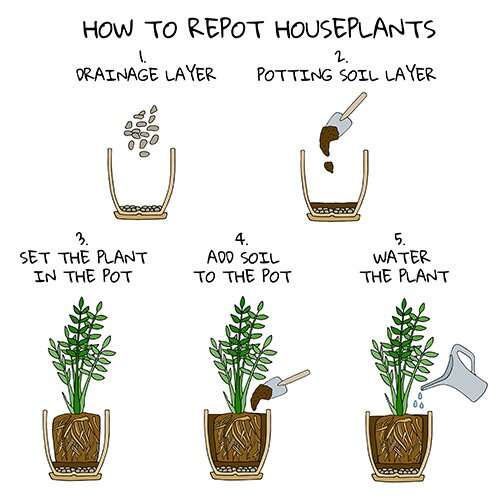
Clean gear matters. Dirty tools and old soil pass pests along.
Follow these basics:
- Use fresh, sealed potting mix. Avoid garden soil indoors.
- Wash pots with soap and hot water. Disinfect with a 10% bleach rinse if a plant was infested.
- Cover the drain hole with mesh to block gnats from moving in or out.
- Top-dress for gnats. A 0.5 inch layer of horticultural sand, pumice, or fine gravel dries the surface and deters egg-laying.
- Bake or solarize soil only if you must reuse it. Fresh mix is safer for most people.
Research and grower experience agree: fungus gnats thrive in wet, peaty media. Good drainage and a drier top layer are simple, proven ways for how to prevent bugs on indoor plants.
:max_bytes(150000):strip_icc()/control-gnats-in-plants-4174817_V3-524db8540aaa403a99a313ba1deecff0.png)
Watering, airflow, and humidity control
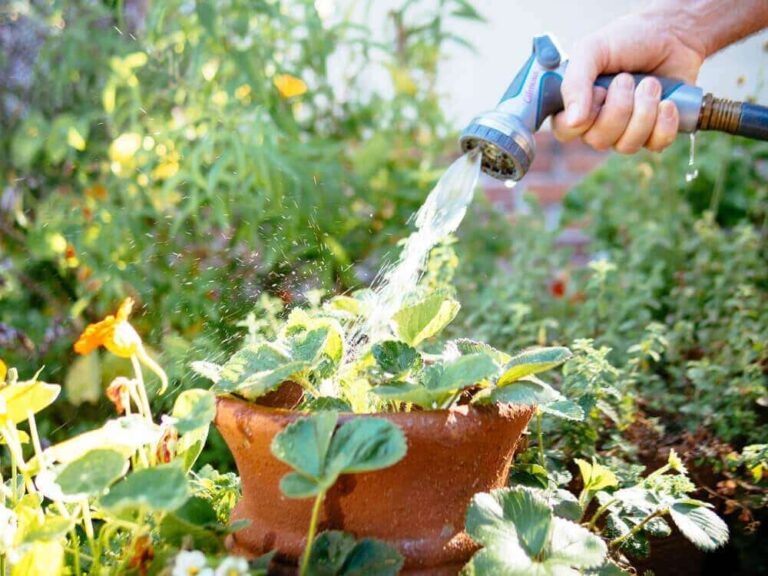
Water is the biggest pest lever indoors. Too much water invites gnats and root trouble. Too little water invites spider mites.
Use these targets:
- Watering rhythm. Let the top inch dry for most plants. Use your finger or a moisture meter as a guide.
- Airflow. A small, gentle fan on low cuts pest pressure and leaf spot risk.
- Humidity. Aim for 40% to 60% for tropicals. Group plants or use pebble trays. Avoid misting if mites are present; it can spread eggs without changing room humidity for long.
Fine-tuning these basics is key to how to prevent bugs on indoor plants in any season.

Clean leaves and physical barriers
Clean leaves photosynthesize better and host fewer pests. Dusty leaves are like a doormat for mites and scale.
Try these simple steps:
- Wipe leaves. Use water with a drop of mild soap. Rinse or wipe with clean water after.
- Shower rinse. Put plants in the tub and rinse the leaves and stems. Let them dry with good airflow.
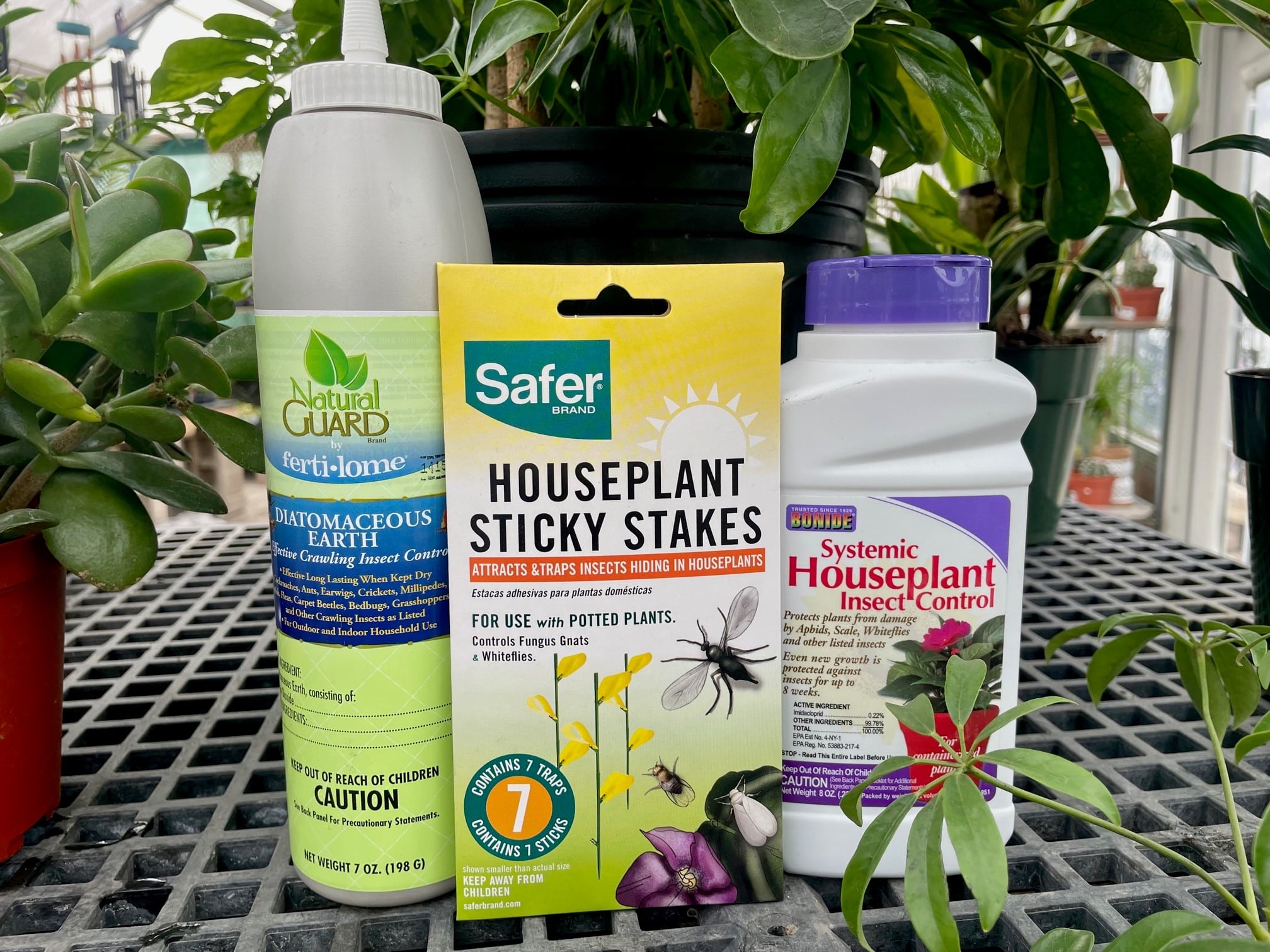
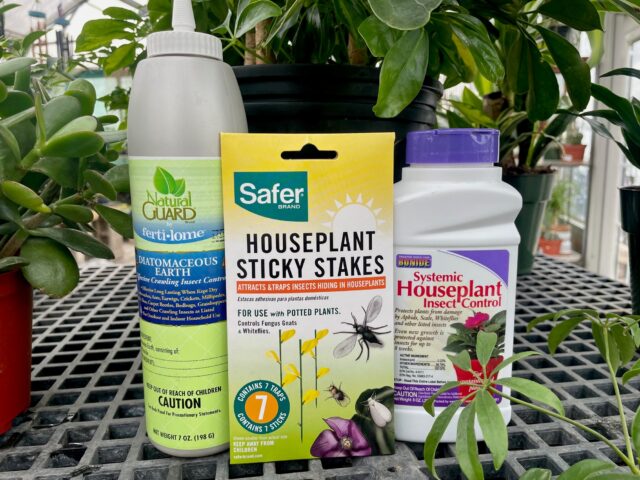
- Sticky traps. Yellow cards catch adult gnats, whiteflies, and some thrips. Replace when full.
- Bottom barriers. A fine fabric cover on the soil can slow gnat egg-laying while you address moisture.
These habits give you a strong base for how to prevent bugs on indoor plants without heavy chemicals.
:max_bytes(150000):strip_icc()/Control-whiteflies-on-houseplants-1902895-d611a7d67fd04e2e8af58f27d7613b43.png)
Safe, natural preventives and early treatments
Prevention beats cure, but early, gentle treatments help a lot. Always spot test on one leaf and wait 24 hours.
Options I use:
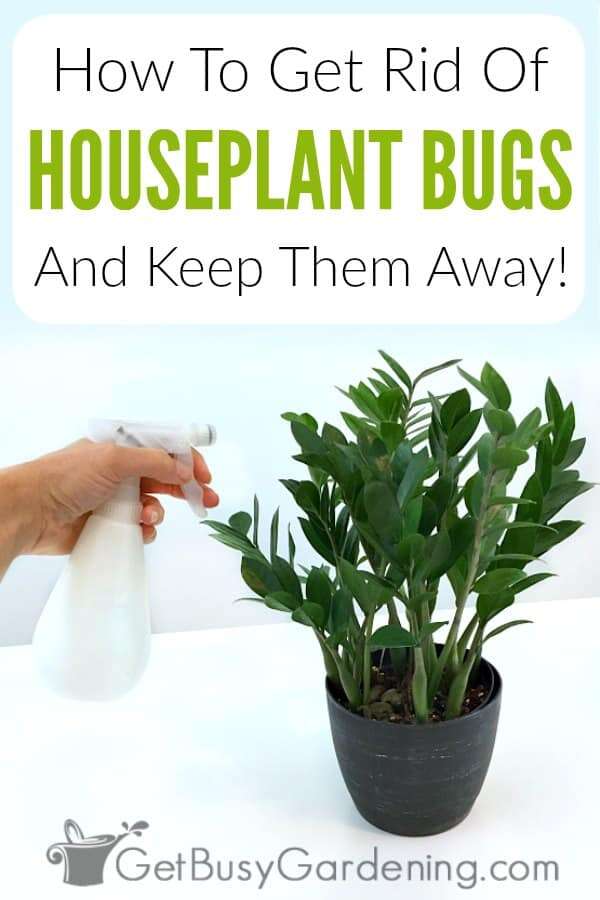
- Insecticidal soap. Good on soft-bodied pests like aphids, mites, and thrips. It must touch the pest to work.
- Horticultural oil or neem oil. Smothers eggs and nymphs. Apply in the evening to avoid leaf burn under sun.
- BTI for gnats. Bits or dunks with Bacillus thuringiensis israelensis target gnat larvae in soil. Safe when used as directed.
- Isopropyl alcohol swabs. Dab mealybugs and scale directly. Do not drench leaves; dab only.
- Diatomaceous earth (DE). A thin dusting on dry soil can reduce crawling larvae. Keep it dry to work.
Studies and grower trials support these tools when used properly. Gentle products and early action are central to how to prevent bugs on indoor plants long-term.

Integrated Pest Management plan you can follow
Integrated Pest Management (IPM) is a simple, stepwise plan. It limits risk and works with plant biology.
Use this sequence:
- Monitor. Check weekly and log what you see.
- Identify. Match symptoms to the likely pest.
- Reduce. Prune infested parts and improve light, water, and airflow.
- Trap. Add sticky cards to track flying pests.
- Treat. Use soap or oil sprays on contact pests; use BTI for gnats.
- Repeat. Reapply per label every 7 to 10 days until two clean checks in a row.
- Prevent. Quarantine new plants and keep up your cleaning routine.
This is the backbone of how to prevent bugs on indoor plants without guesswork.
Troubleshooting: symptoms and fixes
Match what you see to fast, targeted action.
- Fine webbing and dusty leaves: Likely spider mites. Increase humidity, rinse leaves, and use insecticidal soap.
- Tiny flies at watering time: Likely fungus gnats. Let soil dry a bit, add BTI, and top-dress with sand.
- White cotton tufts on stems: Mealybugs. Dab with alcohol, prune clusters, and follow with a light oil spray.
- Sticky leaves and black sooty mold: Scale or aphids. Remove by hand and use soap or oil on new crawlers.
- Silvery streaks on new leaves: Thrips. Isolate, prune damaged growth, and use sticky traps plus targeted sprays.
Clear matching speeds action. This practical map is how to prevent bugs on indoor plants before they spread.
Mistakes I learned to avoid
I’ve made them all. These taught me how to prevent bugs on indoor plants the hard way.
- Skipping quarantine. One sale plant spread mealybugs to four shelves in a week.
- Overwatering in winter. Gnats exploded under grow lights when days got short.
- Spraying once and stopping. Eggs hatch later. I now repeat treatments on schedule.
- Ignoring dust. A quick wipe keeps mites from getting a foothold.
- Treating stressed plants with strong mixes. I test first and go gentle.
Small corrections saved me hours later.
Toolkit: supplies I actually use
You do not need a big budget. A few basics make a big difference in how to prevent bugs on indoor plants.
- 10x loupe or clip-on phone lens. For fast pest ID.
- Yellow sticky cards. To monitor and trap flyers.
- Insecticidal soap and a horticultural oil. For contact pests and eggs.
- BTI bits. For fungus gnat larvae in soil.
- Microfiber cloths and a squeeze bottle. For leaf cleaning and spot rinsing.
- Measuring spoons and a notebook. For accurate mix rates and notes.
Keep it all in one bin near your plants.
Frequently Asked Questions of how to prevent bugs on indoor plants
How often should I inspect my plants?
Check weekly during the growing season and every two weeks in winter. Quick checks catch problems before they spread.
Do DIY sprays like vinegar work?
Vinegar can burn leaves and does not target pests well. Use insecticidal soap or horticultural oil with proven results.
Can I release ladybugs indoors?
They often fly to windows and die without finding enough food. Traps and targeted sprays work better indoors.
Is neem oil safe for all plants?
Some plants, like ferns or thin-leaved succulents, can be sensitive. Spot test one leaf and avoid hot, direct sun after spraying.
How long should I quarantine new plants?
Keep new plants isolated for 2 to 4 weeks. Monitor with sticky traps and inspect leaves before joining the collection.
Will bottom watering reduce gnats?
It can help by keeping the top inch drier. Combine with BTI and improved airflow for best results.
Conclusion
Healthy plants and simple habits keep pests out. Focus on quarantine, clean leaves, smart watering, and fast, gentle treatments. That is the core of how to prevent bugs on indoor plants and keep your space calm and green.
Try one upgrade this week. Add sticky traps, wipe leaves, or start a plant log. Your future self will thank you when pest season hits. If you found this useful, subscribe for more practical plant tips or leave a comment with your biggest plant win this month.

Laura Bennett is a gardening writer at MyGardenLabs who creates beginner-friendly guides focused on solving common plant care and gardening problems.