How To Harvest Vegetables The Right Way: Expert Tips 2026
Cut at peak ripeness, in cool hours, with clean tools and gentle hands.
I have spent years in gardens and market plots, learning how to harvest vegetables the right way through trials, wins, and many mistakes. In this guide, I show you how to harvest vegetables the right way so they taste better, last longer, and keep plants producing. You will get clear steps, simple tests, and pro tips you can use today.
Know When Vegetables Are Ready
Harvest timing is where most flavor is won or lost. The goal is peak maturity, not “as big as possible.” Size, color, and feel are your best signs. Check often and pick small and often rather than late and large.
Use these simple cues to judge ripeness:
- Days to maturity Use seed packet days as a guide, then confirm with sight and touch.
- Color Look for full, rich color. Many crops dull when overripe.
- Firmness Press with a finger. Many items should be firm, not hard or soft.
- Gloss A glossy skin on cucumbers, eggplant, and zucchini means ready.
- Taste test Pick one and taste. Your tongue is a great tool.
Examples I use every week:
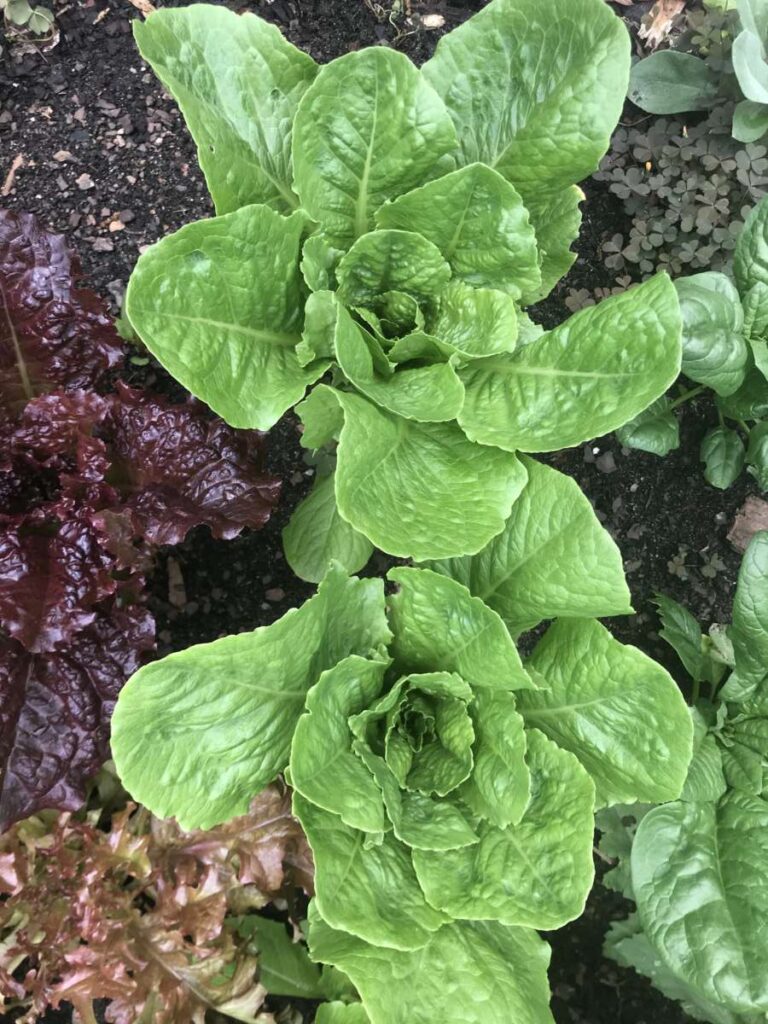
- Leafy greens Harvest when leaves are full size but still tender. Tip: baby leaves taste sweet.
- Tomatoes Pick at the breaker stage for travel, or vine-ripe for peak flavor.
- Sweet corn Ready when silks are dry and brown and kernels are milky.
- Onions Pull when tops fall and necks soften. Cure before storage.
- Potatoes New potatoes are ready two to three weeks after bloom. Mature when vines die back and skins set.
Learning how to harvest vegetables the right way starts with reading these signs. Check daily during peak season. Small shifts in timing can add days of shelf life and a big boost in taste.
:max_bytes(150000):strip_icc()/ms-how-to-harvest-broccoli-fa55ffe2b0f74efb8f76a66d35c772ee.jpg)
Tools, Timing, and Setup That Make Harvest Easy
Good tools and routine help you pick fast, clean, and safe. This is how I set up for harvest days.
Essentials:
- Sharp shears or harvest knife Clean and sanitize before use.
- Food-safe bins Use shallow totes that do not crush tender crops.
- Gloves and a clean apron Helps with grip and hygiene.
- Shade and a cool spot A pop-up shade or a cool room slows wilting.
- Water and clean towels For quick rinses and wipe downs.
Timing and prep tips:
- Harvest at dawn or early morning Plants are crisp and cool.
- Wait for foliage to dry Wet leaves spread disease faster.
- Keep tools clean Wipe with sanitizer between crops.
- Pre-cool bins Place a damp towel and a cool pack under tender greens.
These simple steps are a big part of how to harvest vegetables the right way. You save time, reduce waste, and protect flavor from the start.
Crop-by-Crop Harvest Guide
Every crop has a best method. Use this quick guide for clean cuts, fewer wounds, and repeat yields.
Leafy greens and herbs
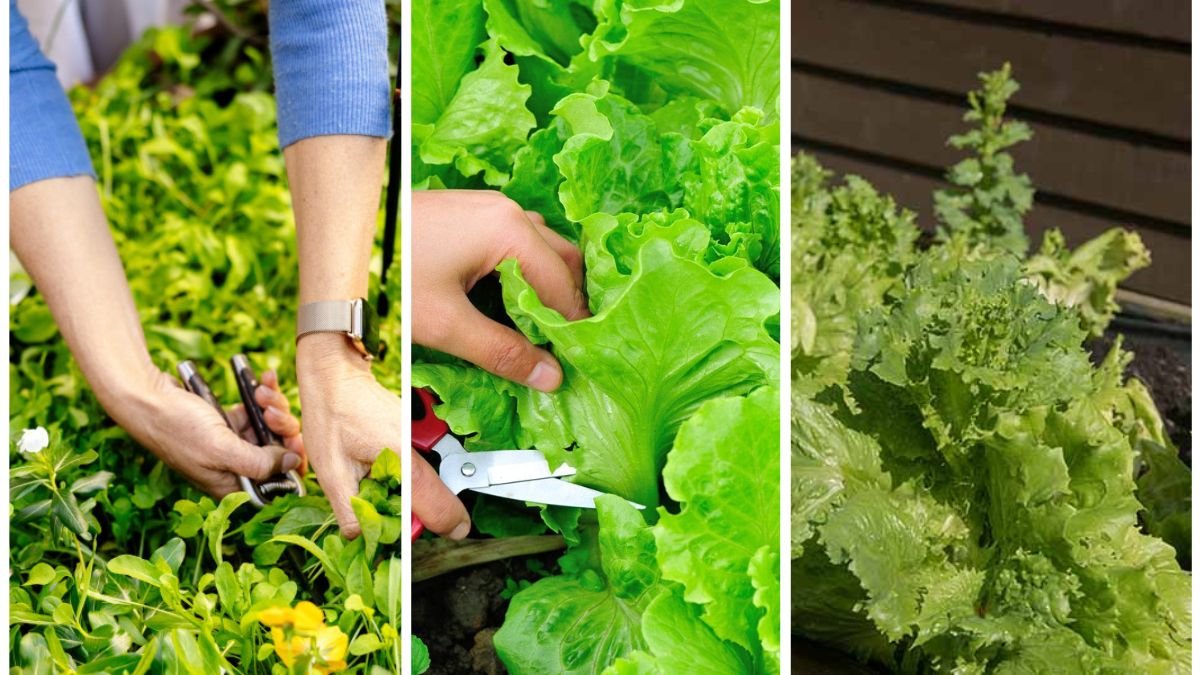
- Lettuce, spinach, chard Cut outer leaves and let the center grow. Or cut an inch above the crown for cut-and-come-again.
- Kale and collards Snap or cut leaves from the bottom up. Keep a few top leaves so plants keep feeding.
- Basil and mint Pinch above a node. This triggers two new shoots and fuller plants.
Fruit vegetables
- Tomatoes Twist and lift gently, or cut with snips to keep the calyx on. Do not squeeze fruit.
- Peppers Cut the stem with shears. Pulling tears the plant.
- Cucumbers, zucchini, and eggplant Cut the stem clean. Pick small and often to keep vines producing.
- Melons Check the slip stage for cantaloupe. Watermelons show a dry tendril at the stem and a dull thud when knocked.
Brassicas
- Broccoli Cut when heads are tight, before florets open. Side shoots will follow.
- Cauliflower Harvest when heads are firm and white. Tie leaves over heads a few days before for blanching if needed.
- Cabbage Cut the head at the base. Leave the stump for possible small side heads.
Roots and bulbs
- Carrots and beets Loosen soil with a fork, then pull by the tops. Check diameter at soil line.
- Radishes Harvest young. They get pithy fast in heat.
- Onions and garlic Cure in a warm, dry, airy spot. Trim tops after curing.
- Potatoes Lift with a fork from the side to avoid spear wounds. Let skins dry before storage.
Legumes
- Green beans Pick when pods are long but still slender. Seeds should be small inside.
- Peas Harvest when pods are plump. Do not wait for tough seams.
Use this guide as a base and adjust for your garden and climate. This is a big piece of how to harvest vegetables the right way with less damage and more yield.

How to Harvest Without Hurting Plants or Produce
Damage during picking shortens shelf life and can invite disease. Gentle handling is key.
- Use two hands Support the plant with one hand and cut with the other.
- Cut, do not yank If it resists, use a tool. Pulling tears tissue.
- Work clean Wipe blades with sanitizer when you move to a new crop.
- Keep shade close Place a tote in the shade and move with it.
- Pack shallow Do not pile heavy crops on tender ones. Use more bins, less depth.
I learned this the hard way with peppers. Years ago I pulled them by hand and tore stems. Yields dropped. A five-dollar pair of snips fixed it overnight. This small habit is central to how to harvest vegetables the right way.

Post-Harvest: Cleaning, Cooling, and Storage
Get field heat out fast. Cool, clean, and dry produce keeps days longer. Research shows that rapid cooling right after harvest is one of the best ways to cut loss.
My simple workflow:
- Pre-cool Rinse tender greens in very cold, clean water. Spin or pat dry.
- Dry well Surface water speeds rot in storage.
- Sort and grade Eat or cook blemished items first. Store only sound produce.
- Chill smart Most leafy greens like 32 to 40°F with high humidity.
- Avoid chill injury Tomatoes, cucumbers, eggplant, and basil prefer 50 to 55°F.
Storage cues I trust:
- Tomatoes Store at room temp for best flavor. Do not refrigerate below 50°F.
- Cucumbers Keep cool but not cold. 50 to 55°F is ideal.
- Carrots and beets Store cold and humid in a crisper box.
- Onions and garlic Cure, then store dry at room temp with airflow.
- Potatoes Cure in the dark at 45 to 60°F, then store cool, dark, and dry.
Ethylene tip:
- Keep ethylene makers like apples and ripe tomatoes away from broccoli, greens, and herbs. Ethylene speeds yellowing and loss of crunch.
Fast cooling and the right storage are vital steps in how to harvest vegetables the right way. They lock in texture and taste.

Common Mistakes and How to Fix Them
I have made each mistake below at least once. Here is how to avoid them.
- Waiting too long Flavor drops fast in many crops. Check daily and pick small and often.
- Pulling instead of cutting Use shears for peppers, eggplant, melons, and squash stems.
- Washing tomatoes in cold water Skip the dunk. Wipe or rinse lightly at room temp.
- Overpacking bins Shallow layers prevent bruises. Stack bins, not produce.
- Dirty tools between crops Sanitize to lower disease spread and soft rot risk.
- Harvesting wet leaves Wait for dew to dry. Wet harvest raises disease spread.
Fixing these errors is central to how to harvest vegetables the right way. Small tweaks yield big gains.
Sustainable and Successive Harvesting
Pick in a way that keeps plants going and reduces waste.
- Cut-and-come-again Use this for lettuce, kale, chard, and herbs. Leave the crown alive.
- Pick to trigger more Beans, cucumbers, and zucchini give more when picked often.
- Leave a little green On head lettuce and cabbage, leave the stump to push small side heads.
- Stagger harvests Plant in waves and pick in waves to spread peak work and supply.
- Compost trimmings Return clean plant waste to the pile to feed next season.
This approach saves time, boosts yield, and is a core part of how to harvest vegetables the right way on a home or market scale.
Safety, Hygiene, and Quality Control
Food safety starts in the field and ends in the kitchen. Keep it clean and simple.
- Hand wash Wash hands before harvest and after breaks.
- Clean water Use clean rinse water and food-safe sanitizer for tools and tables.
- Keep pets and wildlife out Use barriers and clean zones for packing.
- Inspect every item Cull damaged or moldy produce right away.
- Label and date Mark bins with crop and date for first-in, first-out use.
These steps build trust and protect your family and customers. They also shape how to harvest vegetables the right way with care and confidence.
Frequently Asked Questions of how to harvest vegetables the right way
What is the best time of day to harvest?
Early morning is best because produce is cool and crisp. Avoid the heat of the day to reduce wilting and stress.
Should I wash vegetables before storing them?
Wash greens right away, then dry well and chill. For tomatoes, peppers, and eggplant, wipe or rinse lightly and dry before storage.
How do I know when carrots are ready to pull?
Check the shoulder width at soil level. If it matches the variety size and color looks right, loosen the soil and pull.
Can I harvest tomatoes when they are still green?
Yes, at the breaker stage they ripen well off the vine. Keep them at room temperature for best flavor.
How often should I pick beans and cucumbers?
Pick every one to two days during peak season. Frequent harvest keeps plants productive and pods tender.
How do I avoid bruising delicate crops?
Handle with two hands, pack shallow, and keep totes shaded. Move harvested produce to a cool spot right away.
Conclusion
Great harvests come from small, steady habits. Pick at peak, cut clean, cool fast, and store smart. That is how to harvest vegetables the right way, with better taste and less waste.
Start with one change this week. Maybe it is a dawn harvest, sharper shears, or faster cooling. Track how long your produce lasts and how it tastes.
If this guide helped, share it, subscribe for more tips, or drop a question below.

Laura Bennett is a gardening writer at MyGardenLabs who creates beginner-friendly guides focused on solving common plant care and gardening problems.