How To Keep Vegetable Plants Healthy: Pro Tips For 2026
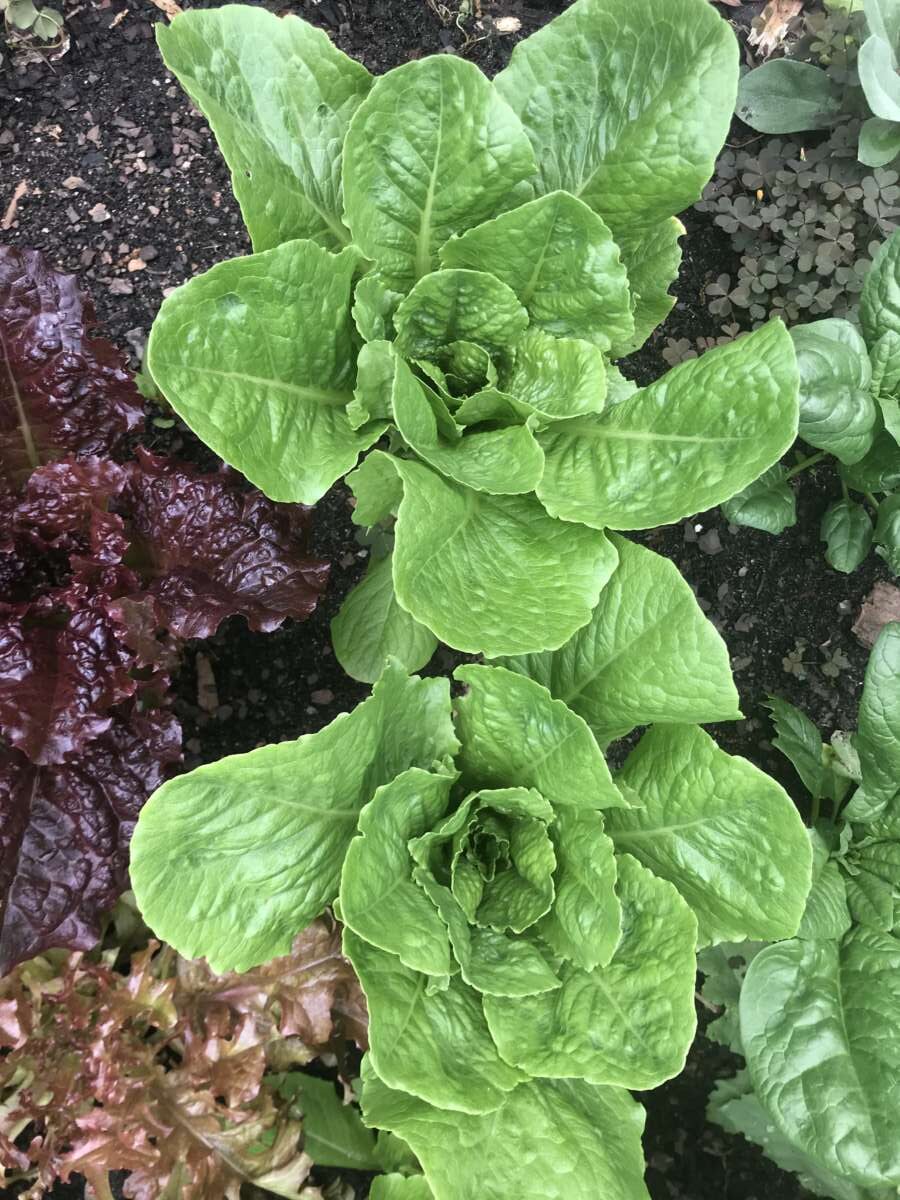
How to keep vegetable plants healthy: build rich soil, water deep, feed wisely, scout daily.
If you want a thriving kitchen garden, you are in the right spot. I’ve grown vegetables for years, through heat waves, storms, and pest swarms. This guide shows how to keep vegetable plants healthy with simple steps, clear science, and field-tested tips you can use today.
Start with living, well-drained soil
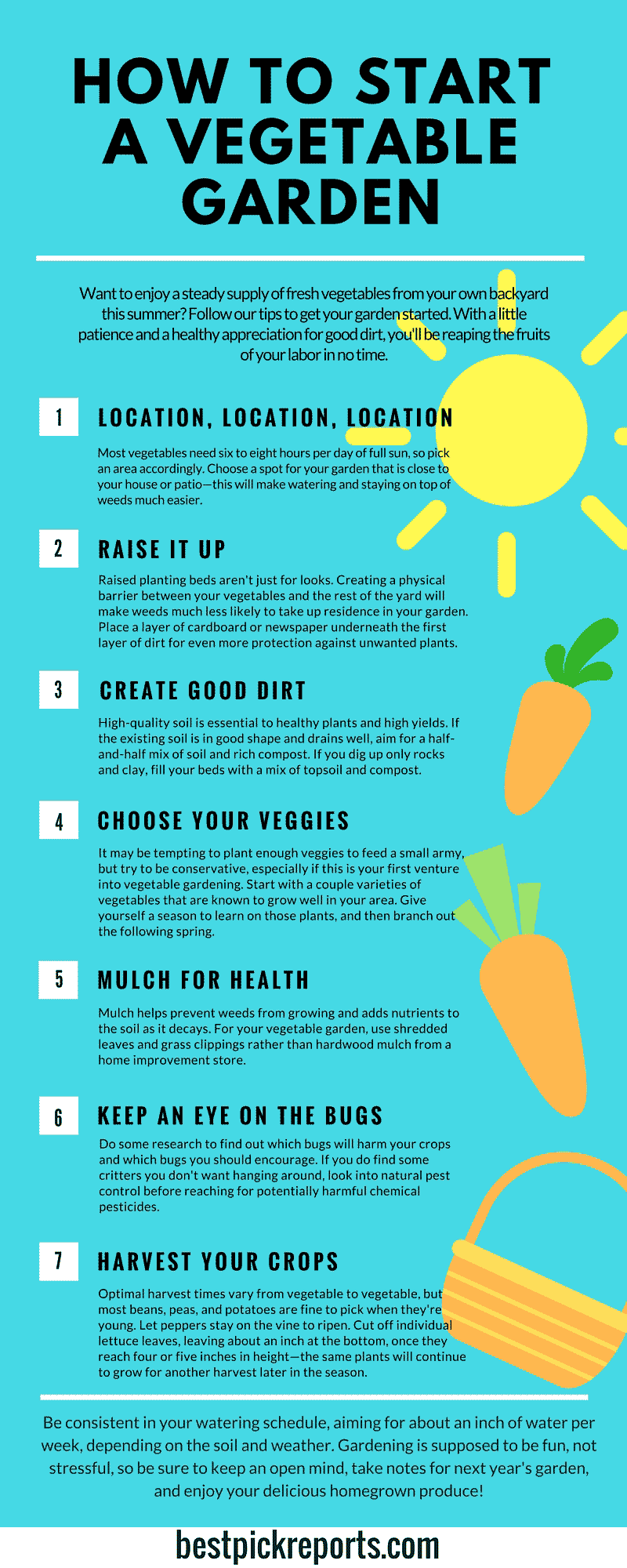
Healthy soil is your engine. Aim for a loose, crumbly mix that drains well but holds moisture. Mix in compost each season. A simple soil test tells you pH and nutrient needs fast.
Most vegetables like a pH of 6.0 to 7.0. Lime raises pH. Sulfur lowers it. Work changes in a month or two before planting. In raised beds, refresh with compost each season to keep structure strong.
Add organic matter often. Compost, leaf mold, and aged manure feed worms and microbes. They turn raw materials into plant-ready food. Research shows this boosts yield and flavor.
I learned the hard way that poor soil means weak roots. My early tomatoes were pale and stunted. After I added two inches of compost, the next crop doubled in size. Mastering soil is how to keep vegetable plants healthy.
Give plants the right light and airflow
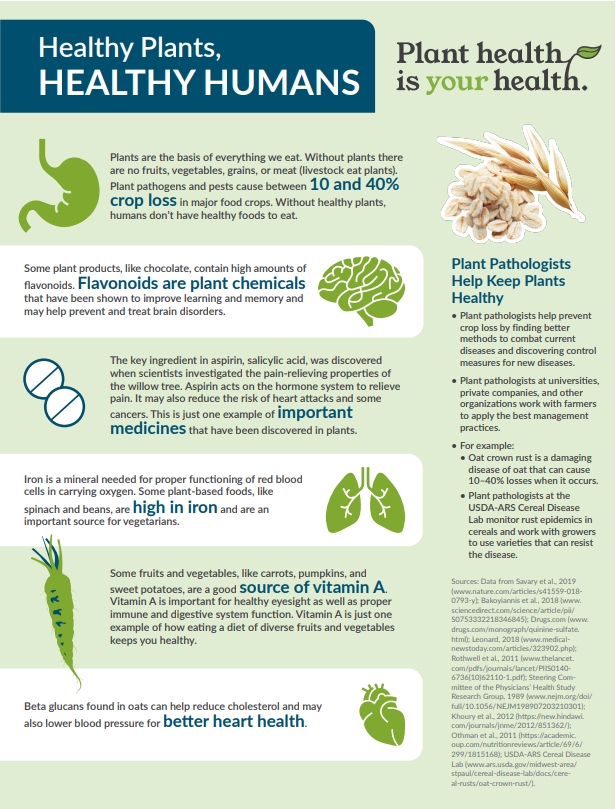
Most vegetables need 6 to 8 hours of sun. Leafy greens can handle less. Fruiting crops like tomatoes need more. If shade is an issue, move pots or trim nearby branches.
Good airflow keeps leaves dry. Dry leaves mean less disease. Space plants so their leaves barely touch at maturity. Use a small fan in a greenhouse or a breezy spot outdoors.
Watch sun angles. Summer sun is high. Spring and fall light is lower. Keep tall plants north of shorter ones to avoid shade. Good light and air are part of how to keep vegetable plants healthy.

Water deep, not often
Shallow sips create shallow roots. Deep watering trains roots to dive down. Most gardens need about 1 inch of water per week. In heat, you may need more.
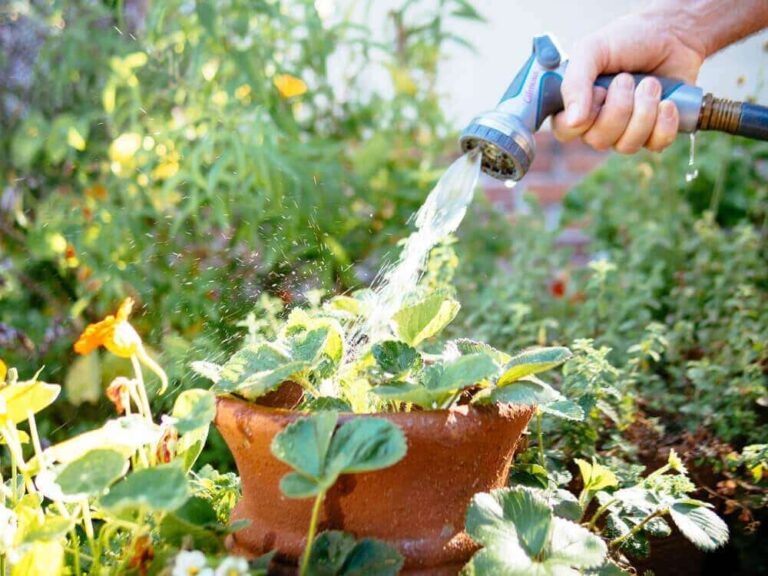
Use drip lines or soaker hoses. They put water at the roots, not on leaves. Wet leaves invite disease. Morning watering is best. The sun dries splashes fast.
Mulch helps a lot. A 2 to 3 inch layer of straw or wood chips cuts water loss. It also cools roots. A simple finger test works: if the top inch is dry, water. Smart water is central to how to keep vegetable plants healthy.
Feed with purpose, not guesswork
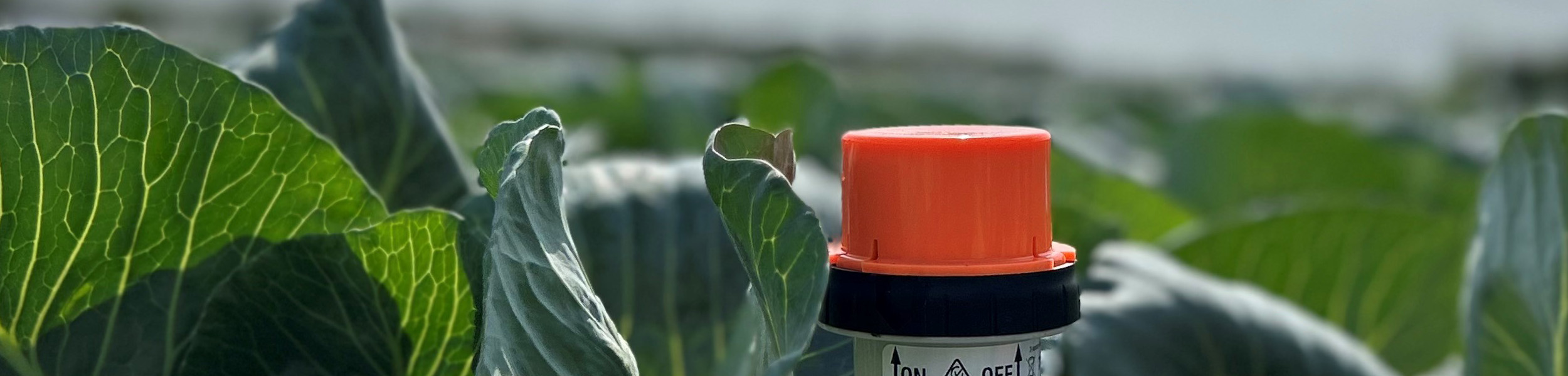
Plants need a steady supply of nitrogen, phosphorus, and potassium. They also need calcium, magnesium, and trace elements. Compost adds many of these, but heavy feeders still need extra.
Feed at key times. Give a balanced fertilizer at planting. Then side-dress with compost or a slow-release product mid-season. Fruiting crops like tomatoes and peppers love a gentle, steady feed.
Avoid overfeeding nitrogen. You get big leaves but few fruits. I once pushed too much nitrogen on my peppers. They looked lush but gave me four sad pods. Now I feed light and steady. Targeted feeding is key in how to keep vegetable plants healthy.
Plant at the right time and spacing
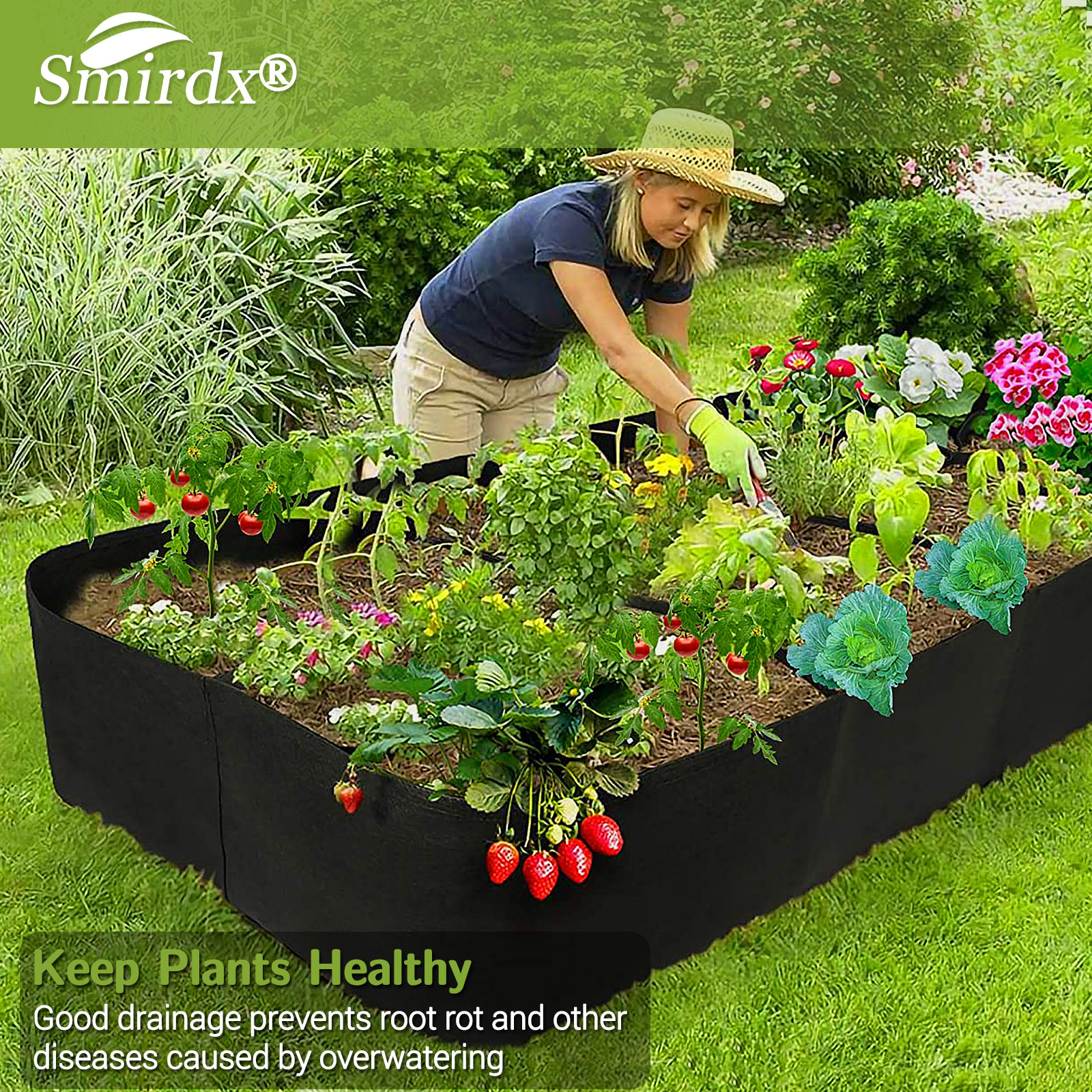
Plant at the right soil temp. Cold soil slows roots and invites rot. Warm soil speeds growth. Use a simple soil thermometer to choose your day. Check frost dates for your area.
Respect spacing. Crowding limits airflow and light. That breeds mildew and blight. Follow tag spacing or a trusted chart. Sturdy plants fill gaps fast.
Rotate crops every year. Do not plant tomatoes where tomatoes grew last year. Move families around. Rotation breaks pest and disease cycles. Right timing and spacing are core to how to keep vegetable plants healthy.
Prevent pests and diseases early
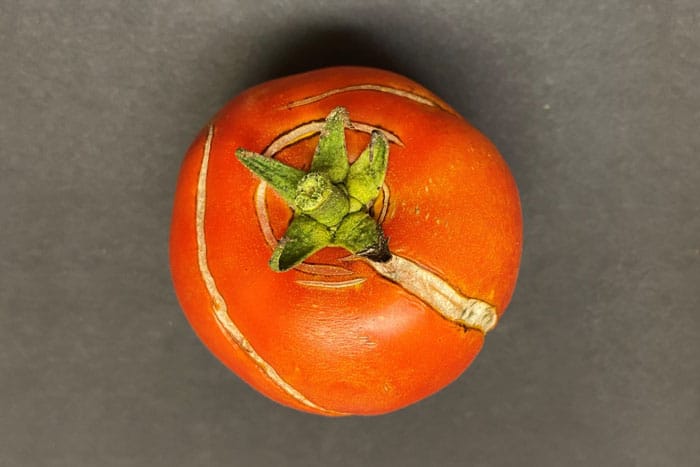
Prevention beats cure. Scout your plants two to three times per week. Flip leaves. Look for eggs, spots, or chew marks. Catching issues early saves the crop.
Use integrated pest management. Start with the least toxic step. Handpick pests. Wash off aphids with a hose. Invite ladybugs and lacewings by planting flowers like dill and alyssum.
Keep the garden clean. Remove dead leaves. Sanitize tools. Rotate crops and use disease-resistant varieties. If you must spray, choose targeted controls and follow labels. Preventive care is the heart of how to keep vegetable plants healthy.

Prune, stake, and trellis for strong growth
Support keeps plants upright and dry. Stake tomatoes. Trellis cucumbers and pole beans. Use soft ties to avoid stem damage. Better airflow means fewer leaf problems.
Prune for balance. Remove suckers on indeterminate tomatoes to manage growth. Take off yellow or diseased leaves at once. Avoid heavy pruning on hot days.
I once skipped staking my tomatoes, and a summer storm flattened them. I lost half the fruit. Now I stake early, and harvests are steady. Training plants is another piece of how to keep vegetable plants healthy.
Mulch and manage weeds
Mulch saves water and blocks weeds. Straw, shredded leaves, or pine needles all work well. Keep mulch a couple inches from stems to prevent rot.
Weeds steal water and nutrients. Pull them while small. A weekly 10-minute walk-through keeps them in check. In paths, use cardboard under wood chips for a long-lasting barrier.
Mulch also buffers soil temps. Roots stay cool in heat and warm in cold snaps. Mulch and weed control tie into how to keep vegetable plants healthy.
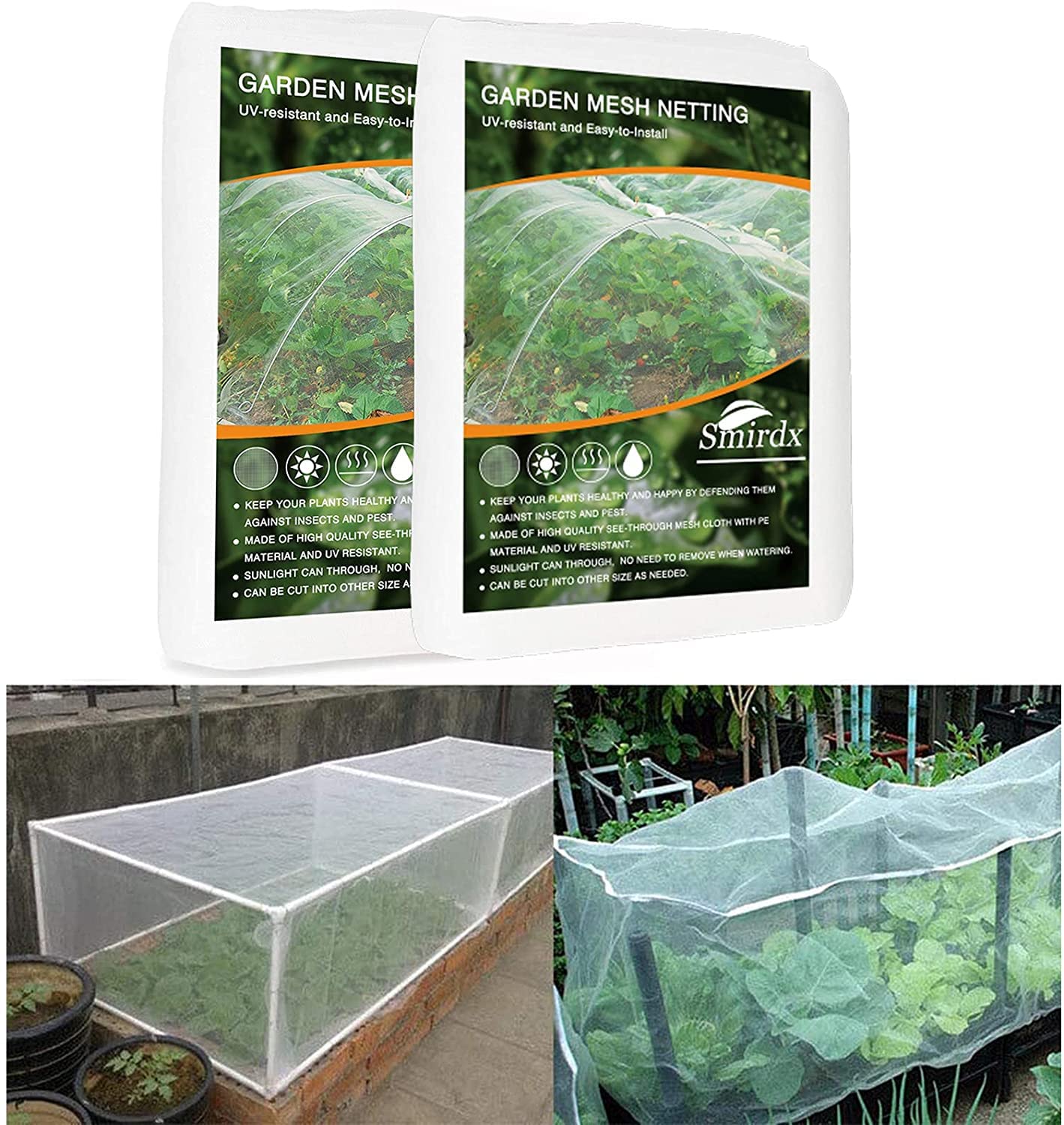
Protect from weather swings
Heat waves stress plants. Use shade cloth in the afternoon. Water in the morning on hot days. Add extra mulch to hold moisture.
Cold snaps can strike late or early. Row covers and cloches trap warmth. A simple hoop and fabric system saves tender seedlings. Vent covers on warm days to avoid heat build-up.
Wind dries leaves and snaps stems. Use garden windbreaks like mesh or a hedge of sunflowers. Weather shields are part of how to keep vegetable plants healthy.
Scout, record, and adjust
A garden journal is gold. Note planting dates, varieties, feeds, and sprays. Track pest sightings. Add weather notes. Patterns will pop by season two.
Use simple checklists. A weekly walk to scout, prune, and water is enough. Snap photos. They help you compare growth and spot issues sooner.
When in doubt, test and tweak one change at a time. Small moves add up. Tracking and learning round out how to keep vegetable plants healthy.
Common mistakes to avoid
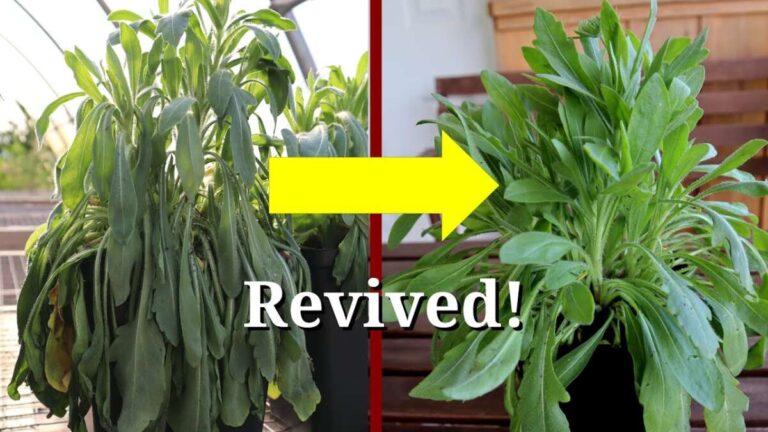
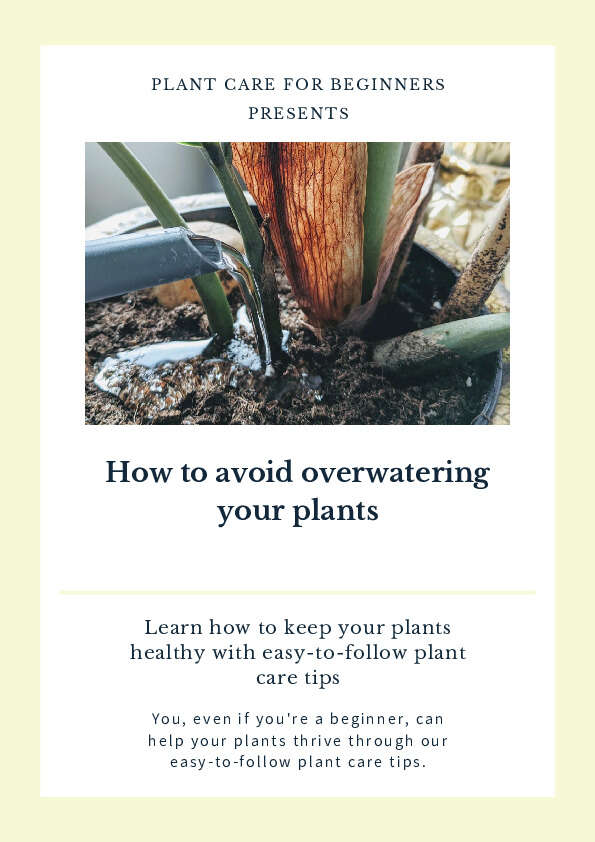
Overwatering drowns roots. It looks like wilting, which fools many gardeners. Check soil before adding more water.
Planting too soon or too late slows growth. Follow soil temps and frost dates. Protect young plants in rough weather.
Skipping rotation and spacing invites trouble. Diseases and pests build up fast in tight, repeat beds. Avoiding these errors is how to keep vegetable plants healthy.
Essential tools and supplies
Keep a small, reliable kit. It saves time and plants.
- Soil test kit for pH and nutrients
- Compost and mulch for steady soil health
- Drip lines or soaker hoses plus a timer
- Stakes, trellises, and soft ties
- Pruners, a hori-hori knife, and a hand trowel
- Row cover fabric and shade cloth for weather
- A clean spray bottle for leaf rinses and mild soaps
These tools make how to keep vegetable plants healthy easier.
Frequently Asked Questions of how to keep vegetable plants healthy
How often should I water my vegetable garden?
Most gardens need about 1 inch per week. In heat, water deeper and check soil with your finger before watering again.
What is the best fertilizer for vegetables?
Use a balanced fertilizer at planting and a slow-release feed mid-season. Adjust based on a soil test and the crop’s needs.
How do I stop pests without harsh chemicals?
Start with scouting, handpicking, and water sprays. Add beneficial insects and use targeted controls only if needed.
Why are my tomato leaves turning yellow?
It can be overwatering, low nitrogen, or disease. Check soil moisture, feed lightly, and remove sick leaves fast.
Do I need to rotate crops every year?
Yes, rotation breaks pest and disease cycles. Move plant families to a new bed each season for best results.
Conclusion
Healthy vegetables come from simple habits done well. Build living soil, water deep, feed with care, and scout often. Small, steady actions will stack up to big harvests.
Start today. Pick one tip and put it to work this week. Then add another next week. Your future self will thank you when the baskets overflow. Want more help like this? Subscribe for weekly, hands-on garden tips and share your wins in the comments.

Laura Bennett is a gardening writer at MyGardenLabs who creates beginner-friendly guides focused on solving common plant care and gardening problems.