How To Prune A Bonsai Tree: Step-By-Step Pruning Guide
Prune a bonsai tree by removing dead growth, shaping branches, and thinning foliage regularly.
I’ve spent years caring for bonsai and teaching others how to prune a bonsai tree with confidence. This guide explains exactly when to prune, which tools to use, step-by-step techniques for both maintenance and structural pruning, and real-world tips I learned the hard way. Read on to master pruning safely and keep your bonsai healthy, balanced, and beautiful.
Why pruning matters for bonsai
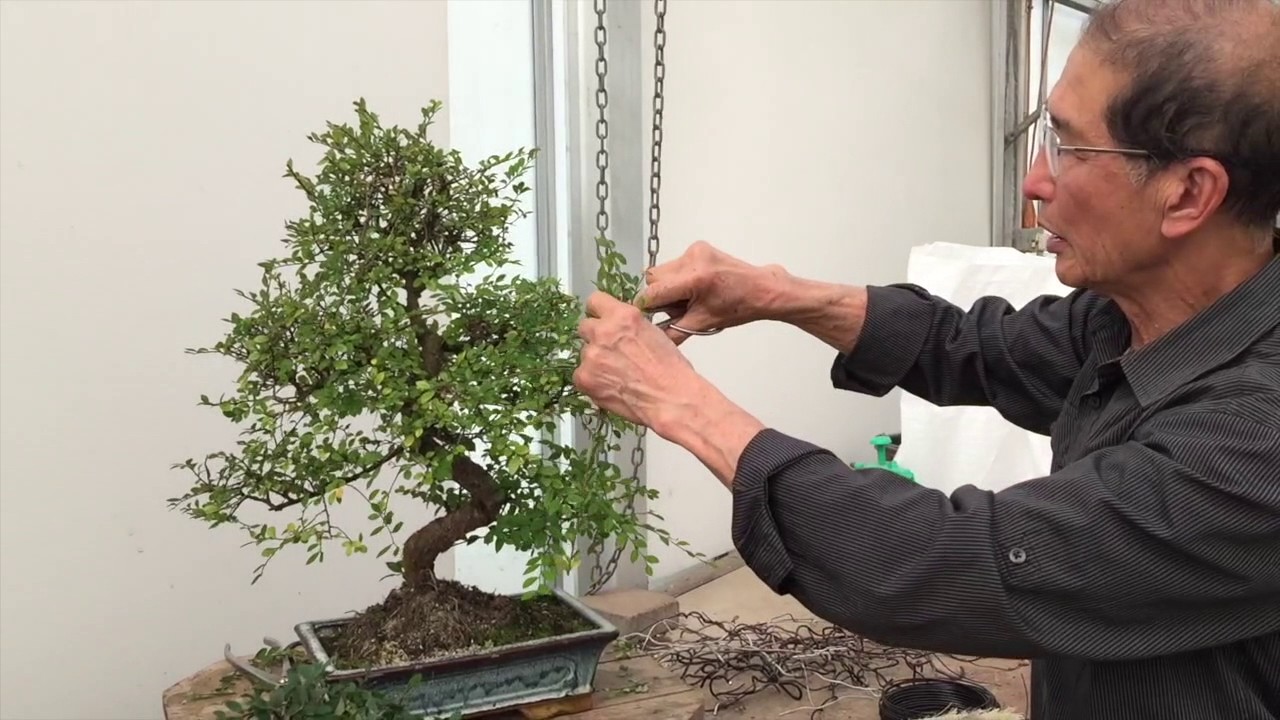
Pruning shapes a bonsai and keeps it miniature. It controls growth, improves airflow, and directs energy to desired branches. Without regular pruning, a bonsai loses its style, becomes leggy, and can suffer from pests and disease.
Pruning also encourages ramification—the fine branching that gives a bonsai its detailed look. Whether you want a formal upright, cascade, or informal style, knowing how to prune a bonsai tree is the core skill.
Tools you need to prune a bonsai tree
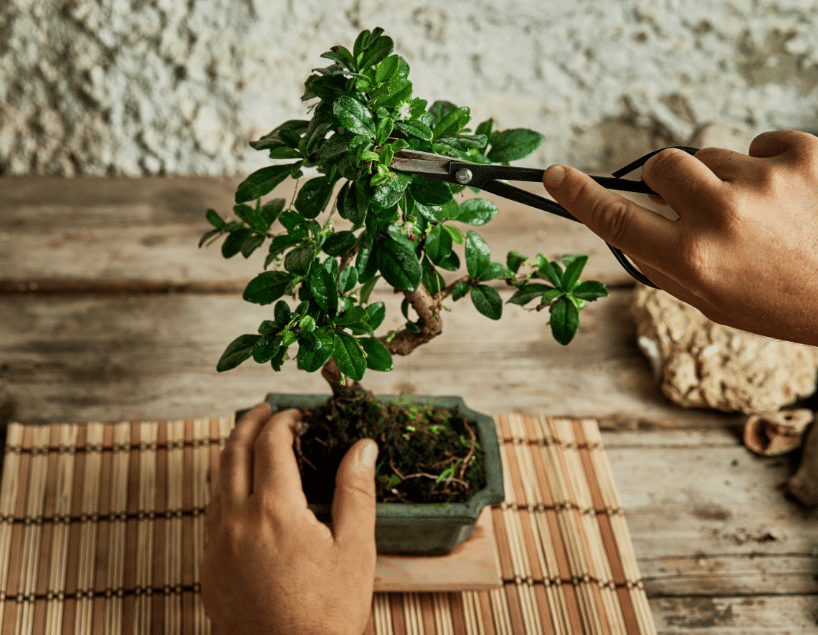
Use clean, sharp tools to make precise cuts. Proper tools reduce damage and speed recovery.
- Concave cutters for branch removal, leaving a neat healing scar.
- Bonsai shears for trimming leaves and small shoots.
- Wire cutters for removing training wire safely.
- Tweezers and root rake for finer work.
- Disinfectant and a sharpening stone to keep tools clean and sharp.
Keep a small first-aid kit for trees: wound paste for large cuts and rubbing alcohol for tool cleaning. Good tools make how to prune a bonsai tree easier and safer.

When to prune your bonsai
Timing depends on species and pruning type. Light maintenance pruning happens during the growing season. Structural pruning is best during dormancy or the tree’s less active period.
- Early spring for major structural cuts on deciduous trees.
- Late spring to summer for maintenance pruning and leaf trimming.
- Late fall for conifers, avoiding heavy cuts in freezing weather.
Knowing when to prune is a key part of how to prune a bonsai tree successfully. Prune at the right time to minimize stress and encourage healing.

How to prune a bonsai tree: step-by-step
These steps cover both maintenance and major cuts. Follow them slowly and watch your tree’s response.
- Assess the tree
- Study trunk lines, branch placement, and the front view.
- Decide the style and which branches conflict with that style.
- Start with dead and crossing branches
- Remove any dead, diseased, or crossing branches first.
- Use concave cutters for larger branches to encourage clean healing.
- Do structural pruning
- Remove large unwanted branches while the tree is dormant.
- Cut at the branch collar and avoid leaving long stubs.
- Perform maintenance pruning
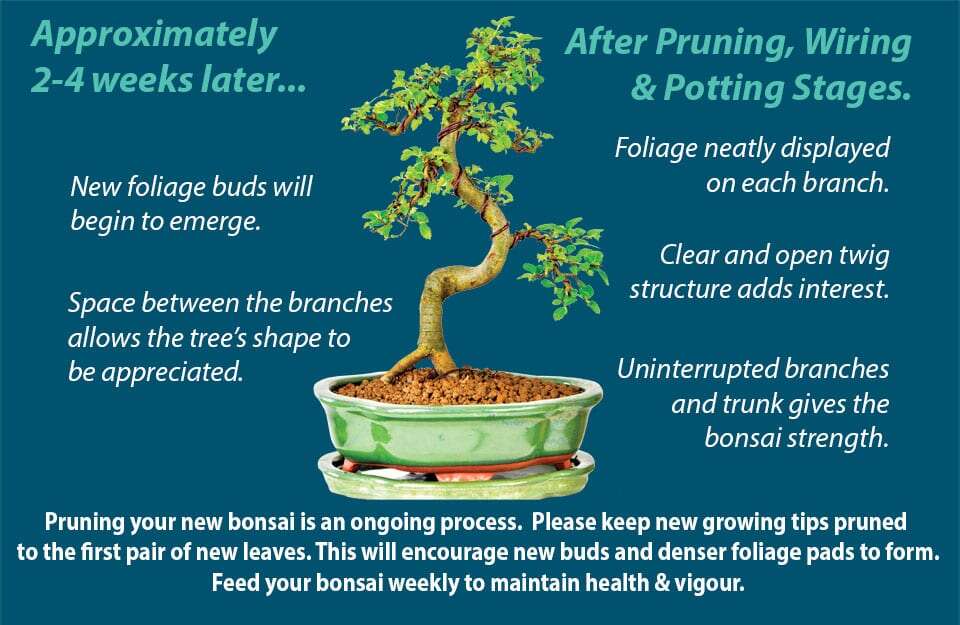
- Trim back long shoots to the first or second pair of leaves.
- Thin dense foliage to improve light and airflow.
- Refine with detail work
- Use shears to shape small twigs and refine silhouette.
- Remove back buds to control ramification and taper.
- Clean and care after pruning
- Clean tools and treat large wounds if needed.
- Avoid heavy fertilizing for a week after big cuts.
Practice patience. How to prune a bonsai tree well means making deliberate cuts and stepping back to review progress.

Maintenance pruning versus structural pruning
Understand the difference to protect your bonsai’s health.
- Maintenance pruning
- Done frequently to maintain shape and ramification.
- Involves small cuts and leaf trimming during the growing season.
- Structural pruning
- Done rarely to define trunk lines and major branches.
- Performed when the tree is less active to reduce shock.
Both are essential steps in learning how to prune a bonsai tree correctly. Balance them to keep form and vigor.

Common mistakes and how to avoid them
Avoid these errors that I and many beginners have made.
- Cutting too much at once
- Removing large portions stresses the tree and can cause dieback.
- Using blunt or dirty tools
- Causes ragged cuts and infection. Clean and sharpen your tools.
- Ignoring branch collars
- Cutting flush with the trunk prevents proper healing.
- Pruning at the wrong time
- Heavy pruning in active growth can weaken the tree.
- Over-pruning new growth
- New shoots are building strength; don’t remove all of them.
Learning how to prune a bonsai tree includes making mistakes. Treat them as lessons and refine your technique.

Pests, diseases, and pruning safety
Pruning affects a tree’s defenses. Use safe practices.
- Inspect before pruning
- Check for insects, fungus, and rot. Treat problems first.
- Sanitize tools between trees
- Prevents cross-contamination and the spread of disease.
- Avoid heavy pruning when pests are active
- Open wounds can attract pests or disease.
- Provide aftercare
- Shield newly pruned trees from extreme sun or cold for a few days.
Good hygiene and timing are part of how to prune a bonsai tree responsibly.
Personal experience and practical tips
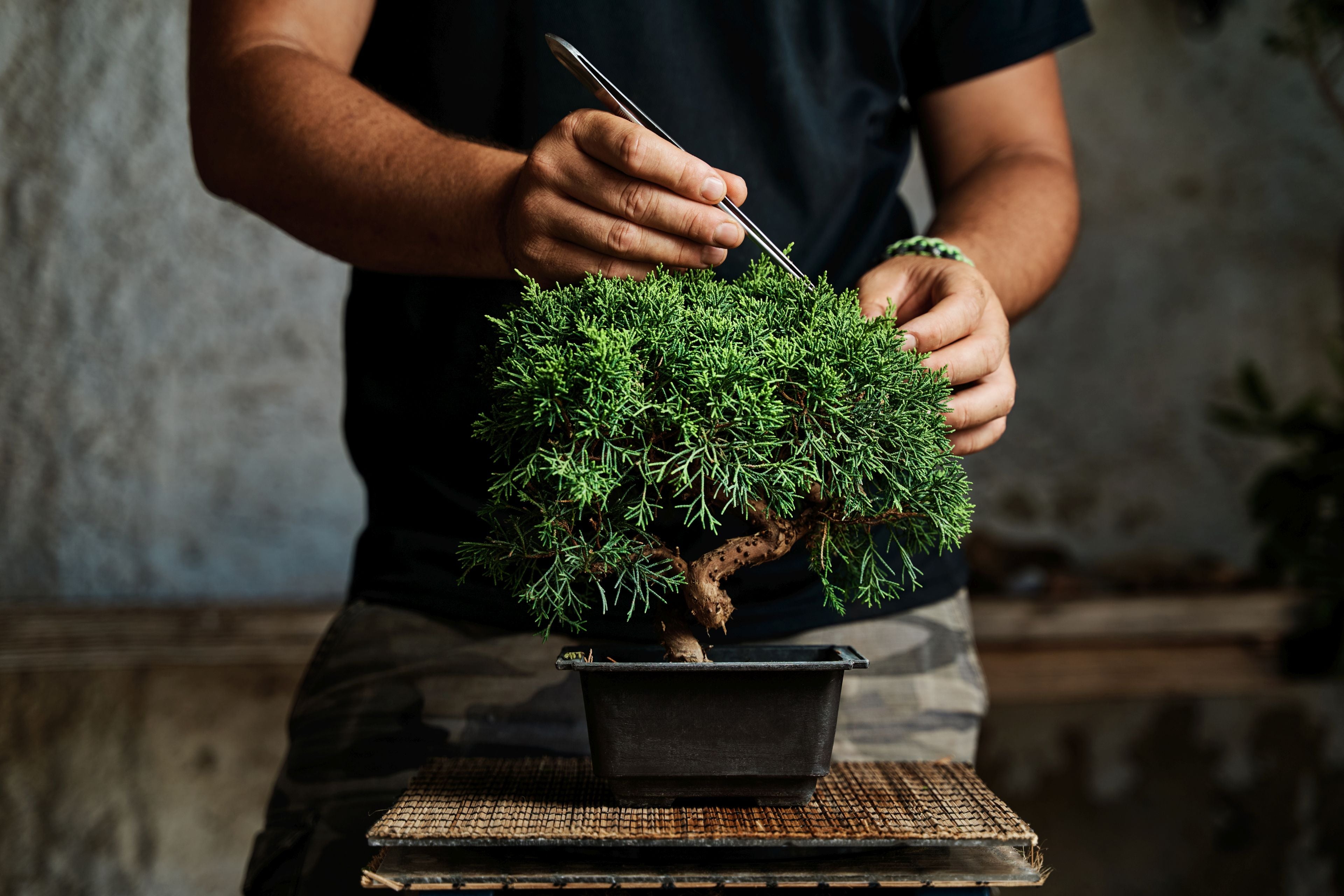
I started with a single juniper and learned how to prune a bonsai tree through trial and error. Early on, I over-pruned and lost several shoots. That taught me to make smaller cuts and wait for recovery.
Tips I rely on now:
- Work in stages: make small changes and revisit after a few weeks.
- Photograph before and after to track progress and learn patterns.
- Keep a pruning journal: note dates, cuts, and tree response.
- Practice on sacrificial branches to build confidence.
These habits helped me turn weak, leggy saplings into compact, healthy bonsai. They’ll help you too.

Quick PAA-style questions
How often should I prune a bonsai tree?
Prune lightly every 2–6 weeks during the growing season for maintenance. Structural pruning is done once or twice a year depending on species.
Will pruning stunt my bonsai’s growth?
Pruning redirects growth rather than stunting it. Proper timing and technique allow the tree to recover and become denser.
Can I prune a bonsai in winter?
You can do light pruning in mild winters, but major structural cuts are best during dormancy for deciduous trees. Conifers often tolerate winter pruning poorly.
Frequently Asked Questions of how to prune a bonsai tree
What tools do I need to prune a bonsai tree?
You need concave cutters, bonsai shears, wire cutters, tweezers, and disinfectant. Keep tools sharp and clean for precise cuts.
How much of a bonsai can I prune at once?
Avoid removing more than 20 to 30 percent of live foliage in one session. Large cuts should be staged across seasons to reduce stress.
Should I use wound paste after pruning?
Wound paste can help on very large cuts, but most clean cuts heal fine without it. Use paste sparingly and only on major wounds.
How do I know which branches to cut?
Cut branches that cross, grow inward, or spoil the desired silhouette. Maintain the main trunk line and balance between left and right sides.
Can pruning fix a poorly shaped bonsai?
Yes, structural pruning can reshape a tree over time. It may take multiple seasons and careful refinement to reach the desired style.
Conclusion
Pruning is the art and science behind a great bonsai. Mastering how to prune a bonsai tree means learning timing, tool care, and thoughtful cutting. Start small, document your work, and be patient—each careful cut moves your tree closer to the vision you have for it.
Try one focused pruning session this month, take notes, and watch how your bonsai responds. If you found this guide helpful, leave a comment or subscribe for more bonsai care tips.

Laura Bennett is a gardening writer at MyGardenLabs who creates beginner-friendly guides focused on solving common plant care and gardening problems.