How To Shape A Bonsai Tree: Easy Step-By-Step Guide
Shape a bonsai by pruning, wiring, and refining its structure over months to years.
I’ve spent more than a decade shaping bonsai in my small urban studio, so I understand the craft, the patience it demands, and the clear steps that get results. This guide breaks down how to shape a bonsai tree with simple, practical techniques you can use today — from tools and basic cuts to wiring, styling decisions, and common mistakes to avoid. Read on for step-by-step instructions, species tips, troubleshooting, and real-life lessons that make shaping a bonsai tree predictable and rewarding.

Understanding bonsai and styling principles
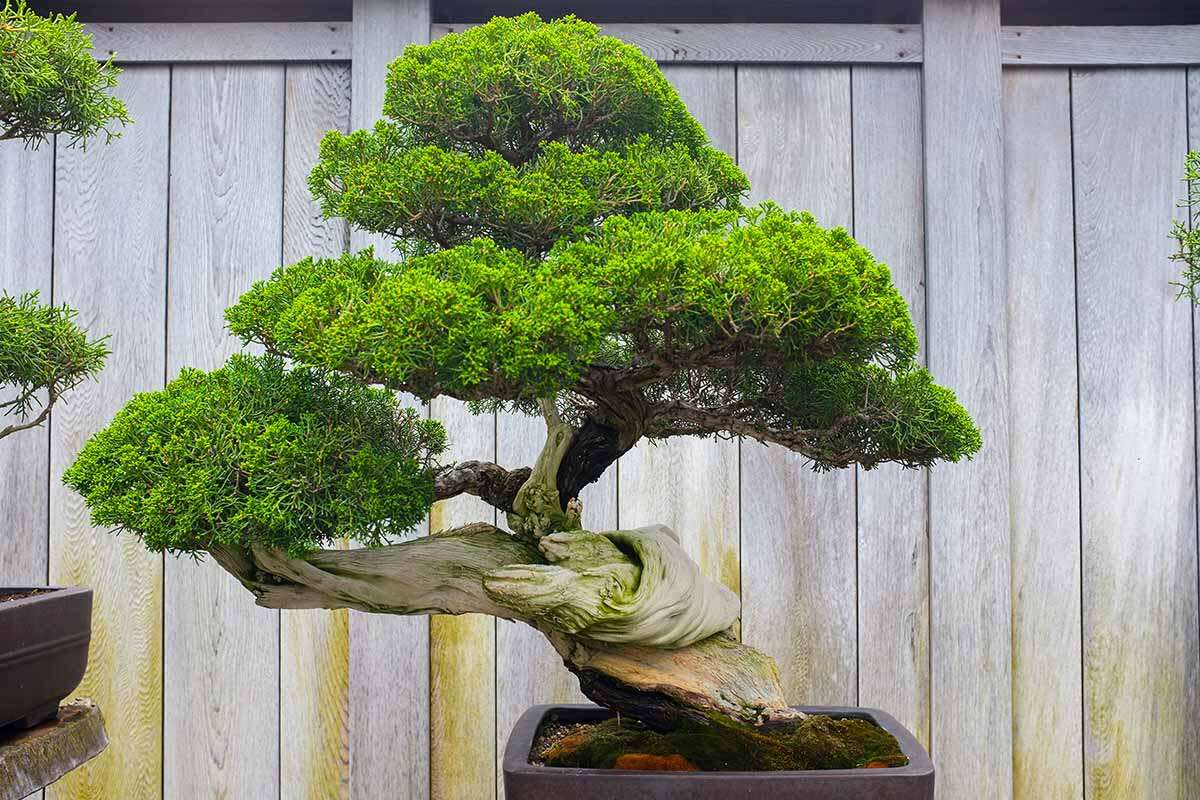
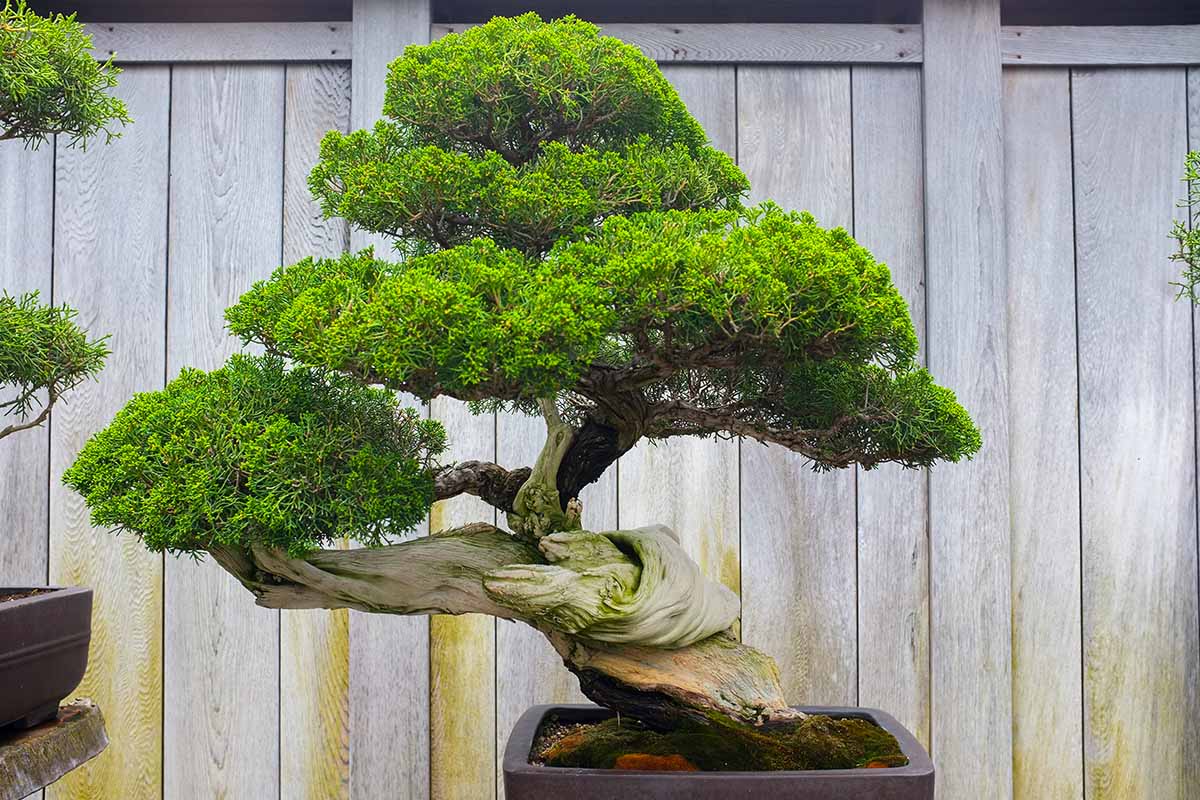
Bonsai is the art of growing a full-sized tree in miniature form by guiding growth. Learning how to shape a bonsai tree starts with knowing the basic goals: balance, scale, movement, and the illusion of age. Think of the tree as a small landscape in a pot. Each branch, trunk curve, and gap should contribute to the whole.
Key concepts to remember:
- Proportion — Keep trunk, branches, and foliage in scale with the pot and overall size.
- Movement — A pleasing line from roots to apex gives life to the design.
- Negative space — Empty areas are as important as branches. Good gaps help definition.
- Seasonal timing — Different techniques work best in specific seasons for each species.
These principles guide every cut and wire when you shape a bonsai tree. They are the rules you bend only with purpose.
Tools and materials you need
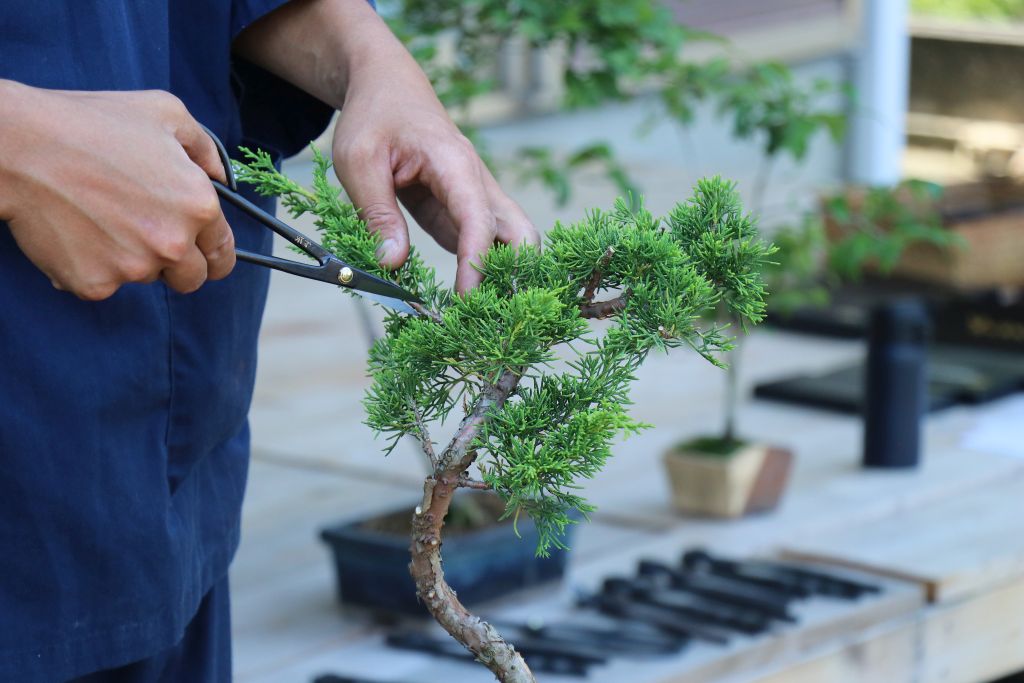
Good tools make shaping cleaner and less stressful for the tree. You don’t need a huge kit to learn how to shape a bonsai tree, but a few items are essential.
Must-have tools:
- Concave cutters — For branch removal that heals neatly.
- Sharp scissors or shears — For trimming foliage and small shoots.
- Bonsai wire — Aluminum for beginners, copper for long-term work.
- Wire cutters — To remove wire cleanly without damaging bark.
- Root rake and chopstick — For repotting and working soil around roots.
- Branch bender or guy wires — For heavier shaping when wiring isn’t enough.
Optional but useful:
- Jin pliers or sharp knife — For creating deadwood features.
- Mesh and hinge shears — For refined leaf pruning on deciduous species.
Good tools let you shape a bonsai tree precisely and reduce the chance of stress or scarring.
Basic techniques to shape a bonsai tree
Mastering a few core techniques will cover most shaping needs. Practice each technique on nursery stock before trying rare or expensive trees.
Pruning
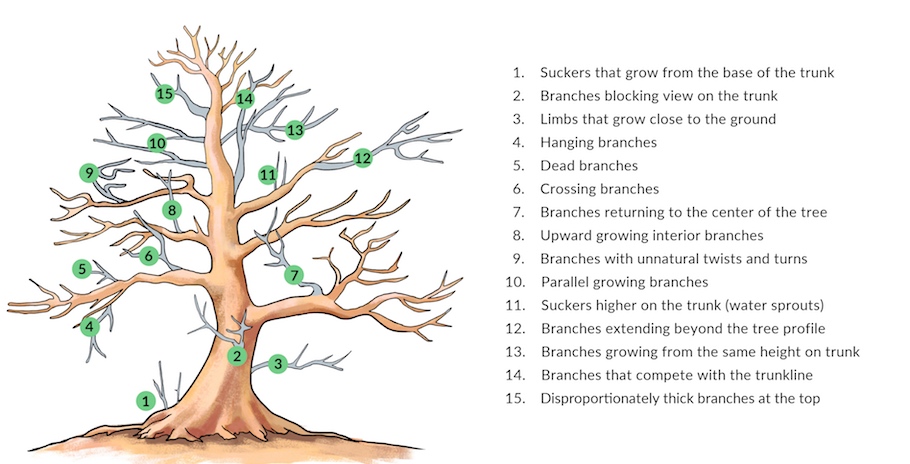
- Maintenance pruning — Remove dead, crossing, or crowded shoots to keep form.
- Structural pruning — Make larger cuts to set the main branch framework.
- Timing — Prune deciduous trees in late winter; prune evergreens lightly in spring or summer.
Wiring
- Purpose — Wire guides branch position and trunk curves while the wood stiffens.
- Sizing — Use wire roughly one-third to half the branch thickness.
- Wrapping — Anchor wire at trunk, angle it along a branch, and avoid too-tight coils.
- Removal — Remove wire once the branch holds shape, usually 3–12 months.
Pinching and leaf pruning
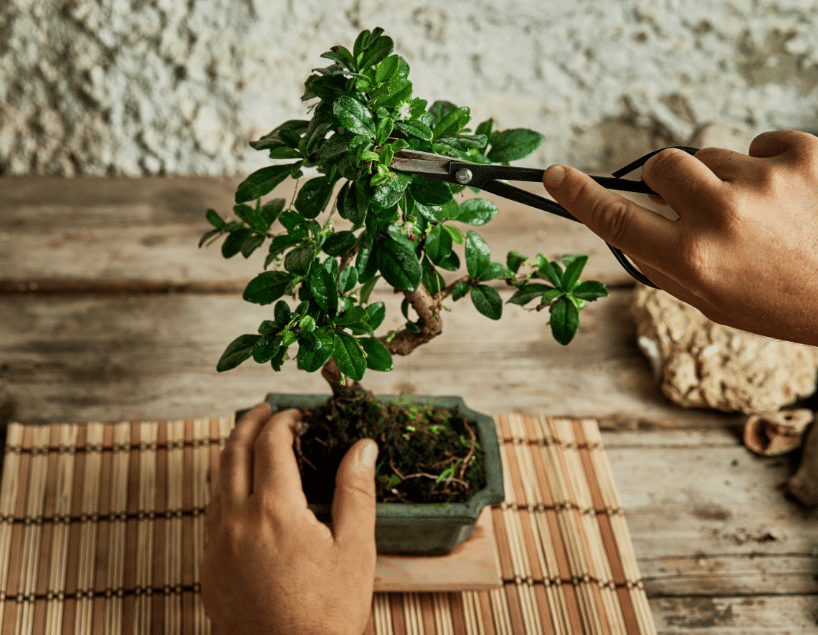
- Pinching — Use fingers or scissors to remove soft tips on many species to encourage ramification.
- Defoliation — Partial or full defoliation on certain trees helps produce smaller leaves and finer branching, used only on healthy trees and appropriate species.
Root work
- Root pruning during repotting controls size and encourages feeder root growth.
- When you reshape roots, do so in the active growing season and keep cuts clean.
Deadwood and styling
- Jin and shari — Remove bark to create deadwood features on old-looking trees.
- Carve conservatively and always seal exposed areas when needed.
Practice these methods to learn how to shape a bonsai tree without harming it. Start small and refine as the tree responds.

Step-by-step guide: How to shape a bonsai tree
Follow this practical workflow the first few times you shape a bonsai tree. It works for many common species and sizes.
- Evaluate the tree
- Look for the front, primary trunk line, and high and low branches.
- Decide what style and silhouette you want.
- Clean and prepare
- Remove dead material and wash the pot or work area.
- Sterilize tools to prevent infection.
- Structural pruning
- Remove large unwanted branches first to establish the backbone.
- Make cuts at the collar and avoid leaving stubs.
- Wiring for design
- Wire the trunk and main branches to create the desired line.
- Bend slowly and in small steps; never force a crack.
- Refine with maintenance pruning
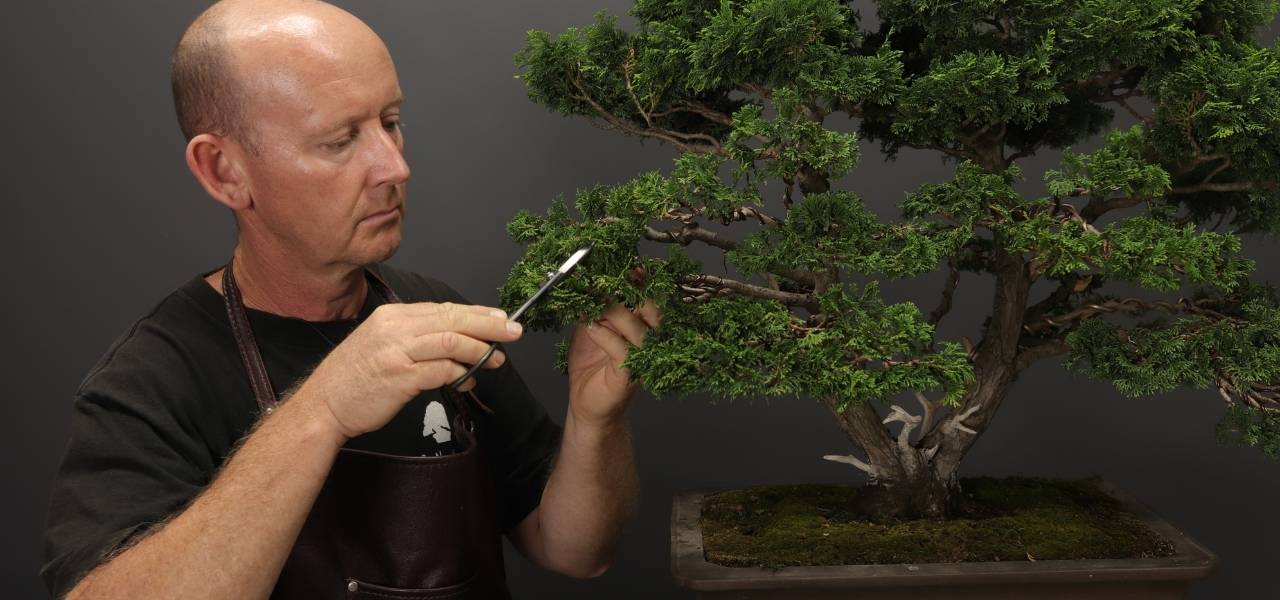
- Trim back shoots to clear the silhouette and promote inner branching.
- Pinch new growth regularly in the growing season.
- Repot or check roots
- If root-bound or in poor soil, repot and prune roots during the right season.
- Use fresh bonsai soil mix suited to the species.
- Aftercare
- Keep the tree sheltered from extreme sun or wind for a few weeks.
- Water and feed according to species needs to support recovery.
- Monitor and adjust
- Check wire weekly and remove before it starts to bite.
- Make small adjustments over months; shaping is gradual.
I follow this sequence for most projects. In one case, I revived an overgrown maple by repeating steps 3–6 across two growing seasons. Learning when to stop is part of how to shape a bonsai tree well.

Species-specific tips and timelines
Not all trees respond the same when you shape a bonsai tree. Match technique to species.
Juniper and conifer tips
- Junipers tolerate wiring well but avoid heavy pruning in late winter; prune in late spring.
- Pines need careful needle pruning and are wired in early spring.
Ficus and tropicals
- Ficus handle aggressive pruning and repotting. They respond quickly to wiring and defoliation.
- Grow indoors with bright light and stable humidity.
Maples and deciduous trees
- Prune structurally in winter, fine-tune in spring and summer.
- Defoliate carefully to reduce leaf size, only on healthy specimens.
Broadleaf evergreens
- Prune lightly year-round; major cuts are best in spring.
- Many take wiring but have brittle branches—bend slowly.
Timelines
- Structural changes often take 1–3 years to settle.
- Fine ramification and compact foliage can take several seasons.
- Expect to revisit your design each year as growth dictates.
Knowing species habits helps you decide when and how to shape a bonsai tree without causing shock.

Common pruning and shaping questions
Q: How much should I prune at once?
A: Remove no more than 20–30% of foliage in a single session for most trees. Heavy cuts should be done across seasons to avoid stress.
Q: How long should I keep wire on a branch?
A: Check wire monthly; remove it when the branch holds shape. For young wood this is a few months; for thicker wood it can be up to a year.
Q: Can I shape a bonsai tree any time of year?
A: Some shaping is seasonal. Structural pruning is safest in dormancy; wiring and light pruning can be done in growth periods depending on species.
Mistakes to avoid and troubleshooting
Mistakes can slow progress or damage the tree. Watch for these common errors when you shape a bonsai tree.
Over-pruning
- Removing too much foliage weakens the tree and slows recovery.
- Solution — Stage major cuts over multiple seasons.
Tight wiring
- Wire that digs into bark causes scars and girdling.
- Solution — Monitor wire and rewrap with thicker padding if needed.
Wrong timing
- Pruning at the wrong season increases risk of dieback.
- Solution — Learn species-specific calendars.
Ignoring roots
- Shaping above without attending to roots creates imbalance.
- Solution — Pair structural pruning with root pruning when repotting.
Pests and stress
- Newly shaped trees can attract pests or show signs of stress.
- Solution — Keep good hygiene, observe, and treat issues promptly.
From my experience, the biggest lesson is patience. A hurried bend or a single harsh cut often sets back years of progress. Keep notes and photos to track changes and learn what works for each tree.
Maintenance after shaping
After shaping, proper care ensures the tree heals and improves as intended.
Water and feed
- Maintain steady moisture without waterlogging.
- Resume fertilizing once new growth is stable.
Protect and monitor
- Shield newly wired or heavily pruned trees from strong sun and wind.
- Inspect weekly for pests, wire tightness, and new growth patterns.
Remove wire and refine
- Remove wire before it begins to cut in and reshape as growth settles.
- Thin inner growth to maintain air flow and light penetration.
Record keeping
- Take photos before and after shaping to compare and plan future moves.
- Note dates, techniques used, and reactions for each tree.
These steps help your work last. If you’re learning how to shape a bonsai tree, consistent care matters as much as the initial styling.
Frequently Asked Questions of how to shape a bonsai tree
What is the best season to shape a bonsai tree?
Most structural shaping and heavy pruning are best in late winter when the tree is dormant. Light pruning and wiring are often done in the growing season depending on species.
How do I choose which branches to cut?
Cut branches that cross, grow toward the center, or disrupt the desired silhouette. Always favor cuts that enhance balance and reveal the trunk line.
How tight should bonsai wire be?
Wire should be snug but not so tight that it indents bark. Check wired areas often and remove or rewrap if the wire begins to bite.
Can I shape a bonsai tree without wiring?
Yes. You can shape with pruning, branch bending using guy wires, and growing techniques. Wiring speeds shaping but is not the only method.
How long does it take to shape a bonsai tree into a desired style?
Initial structure can take 1–3 years; refined ramification and mature styling typically take several seasons to decades depending on the tree and goals.
Should I defoliate my bonsai to reduce leaf size?
Defoliation works on some deciduous species to promote smaller leaves and more branching. Only defoliate healthy trees and follow species-specific timing.
What do I do if wiring damages the bark?
Remove the wire immediately and treat the wound by keeping the area clean and monitored. Future wiring should be applied more carefully or with padding.
Conclusion
Shaping a bonsai tree is a patient, rewarding craft that blends clear technique with artistic choice. Start with the basics — clean cuts, correct wiring, and seasonal timing — and build toward nuanced refinements over time. Remember to learn your tree’s habits, keep tools sharp, and move slowly; small, steady steps yield the best results.
Try one small project this season: choose a young tree, make a photographed plan, execute a single shaping session, and track changes over months. Share your progress, ask questions, and keep practicing — shaping a bonsai tree is a journey that grows your skill as the tree grows into its form.

Laura Bennett is a gardening writer at MyGardenLabs who creates beginner-friendly guides focused on solving common plant care and gardening problems.