How To Bonsai A Jade Plant: Step-By-Step Guide
Trim branches, prune roots, repot in gritty soil, and shape slowly for a healthy jade bonsai.
I have trained jade plants into bonsai for years, and I will walk you through how to bonsai a jade plant with clear steps, real tips, and things I learned the hard way. This guide covers plant choice, tools, pruning, wiring cautions, soil, watering, styling ideas, and care so you can create a compact, long-lived jade bonsai that looks natural and healthy. Read on to get practical, proven advice on how to bonsai a jade plant and avoid common mistakes.

Why choose a jade plant for bonsai?
Jade plants make excellent beginner bonsai. They have thick trunks, plump leaves, and store water well. They tolerate indoor light and brief droughts, which gives you more margin for error.
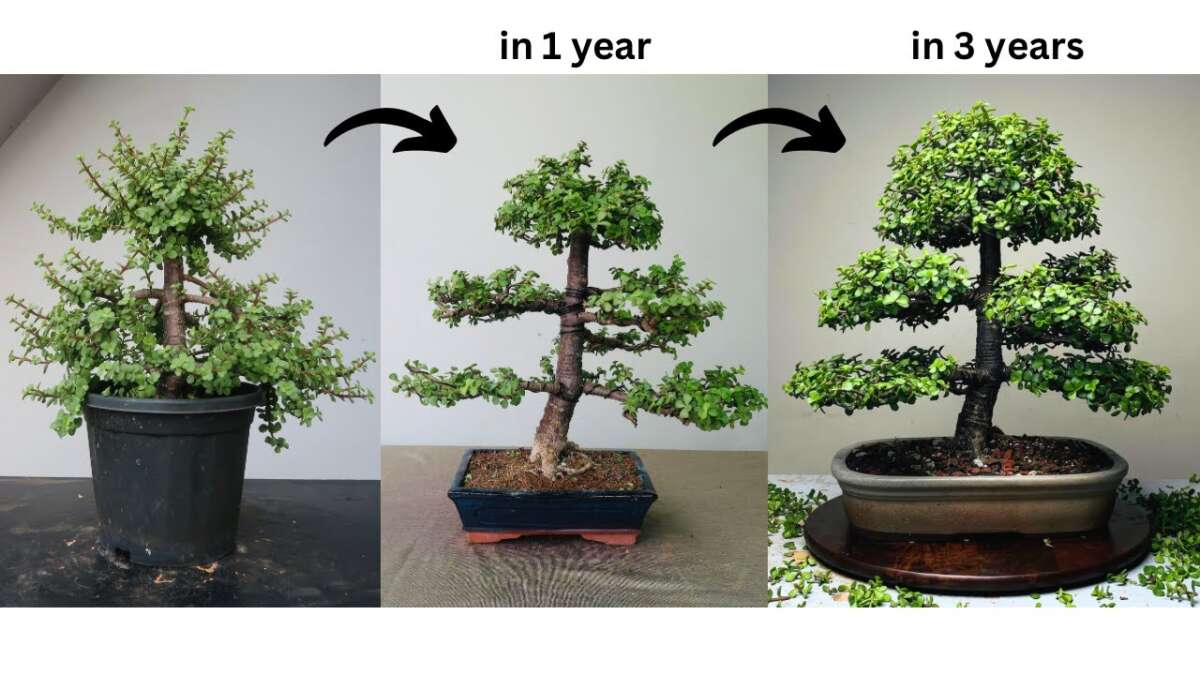
Jade bonsai also reward patience. A few careful cuts and repots can turn a common succulent into a sculpted, aged-looking tree. If you want a small, low-maintenance bonsai, learning how to bonsai a jade plant is a great place to start.

Basics of jade plant biology you should know
Jade is Crassula ovata, a succulent. It stores water in leaves and stems. That means it hates wet feet. Roots need air and fast drainage.
Growth slows in cool months and speeds up in warm months. Leaves are thick and can split if overwatered. Branches are brittle when young, so handle them gently. Knowing this helps when you learn how to bonsai a jade plant.

Tools and materials you need
Use the right tools to shape safely and precisely. Good tools make pruning and wiring easier and reduce damage.
- Sharp bonsai shears or clean kitchen scissors for thin branches.
- Concave cutters for thicker branch removal.
- Root hook or chopstick for root work.
- Coarse, fast-draining bonsai soil or a mix of pumice, lava rock, and cactus mix.
- Shallow bonsai pot with drainage holes.
- Coated aluminum or plastic bonsai wire (use sparingly).
- Rubbing alcohol or bleach solution to sterilize tools.
- Mesh for drainage holes and gravel for top dressing.
Step-by-step: how to bonsai a jade plant
Follow these steps in order. Move slowly. Make small changes. Jade recovers well but does not like sudden stress.
- Choose the right plant
- Pick a healthy jade with a sturdy trunk and several branches.
- Avoid very leggy plants with sparse leaves; choose ones with short internodes.
- Younger plants are easier to shape because you can guide new growth.
- Prepare the pot and soil
- Use a shallow pot with good drainage.
- Use a mix that drains fast: one part cactus mix, one part pumice or coarse sand, one part akadama or coarse potting grit.
- Line holes with mesh to keep soil in but allow roots to breathe.
- Initial prune and shape
- Plan your design. Visualize a main trunk and a few primary branches.
- Remove obvious dead or crossing branches first.
- Make clean cuts just above a node. Cuts heal faster and reduce scarring.
- For large branch removal, use a three-cut method to prevent bark tearing.
- Root pruning and repotting
- Gently remove the plant from its container.
- Use a root hook to untangle soil and trim about 20–30% of thick roots.
- Trim long root tips to encourage fine root growth.
- Place the plant in the pot with fresh soil, splaying roots slightly and securing with wire if needed.
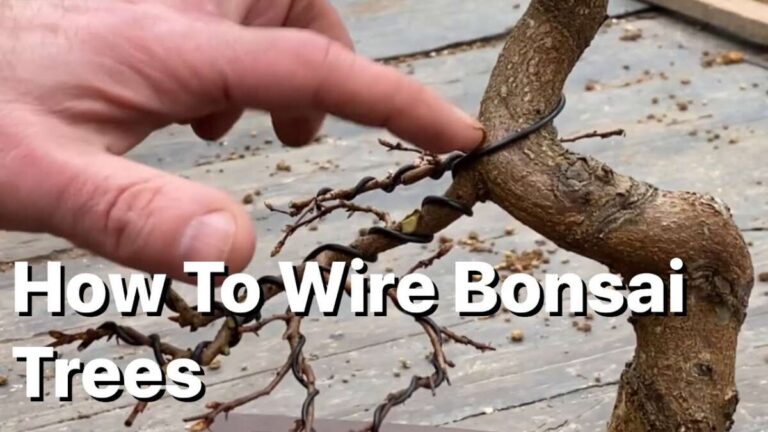
- Wiring (use with caution)
- Jade branches are brittle. Wire only thicker, mature branches.
- Wrap wire loosely and check it often for growth.
- Remove wire after a few months or sooner if it starts to bite into the bark.
- Consider using guy wires or guy lines for trunk shaping instead of wire on thin branches.
- Leaf pruning and reduction
- If leaves are too large, pinch growth tips to encourage smaller leaves.
- Regular pruning of new shoots reduces leaf size and increases ramification.
- Avoid stripping leaves in heat or winter; stress can cause drop or scarring.
- Aftercare
- Keep the plant in bright light; ideally several hours of direct sun.
- Water only when the top inch of soil is dry. Water deeply and let drain.
- Hold off fertilizing for a month after major pruning or repotting.
These steps show how to bonsai a jade plant safely and with good results. Small, steady moves win over dramatic swings.

Styling techniques and common bonsai forms for jade
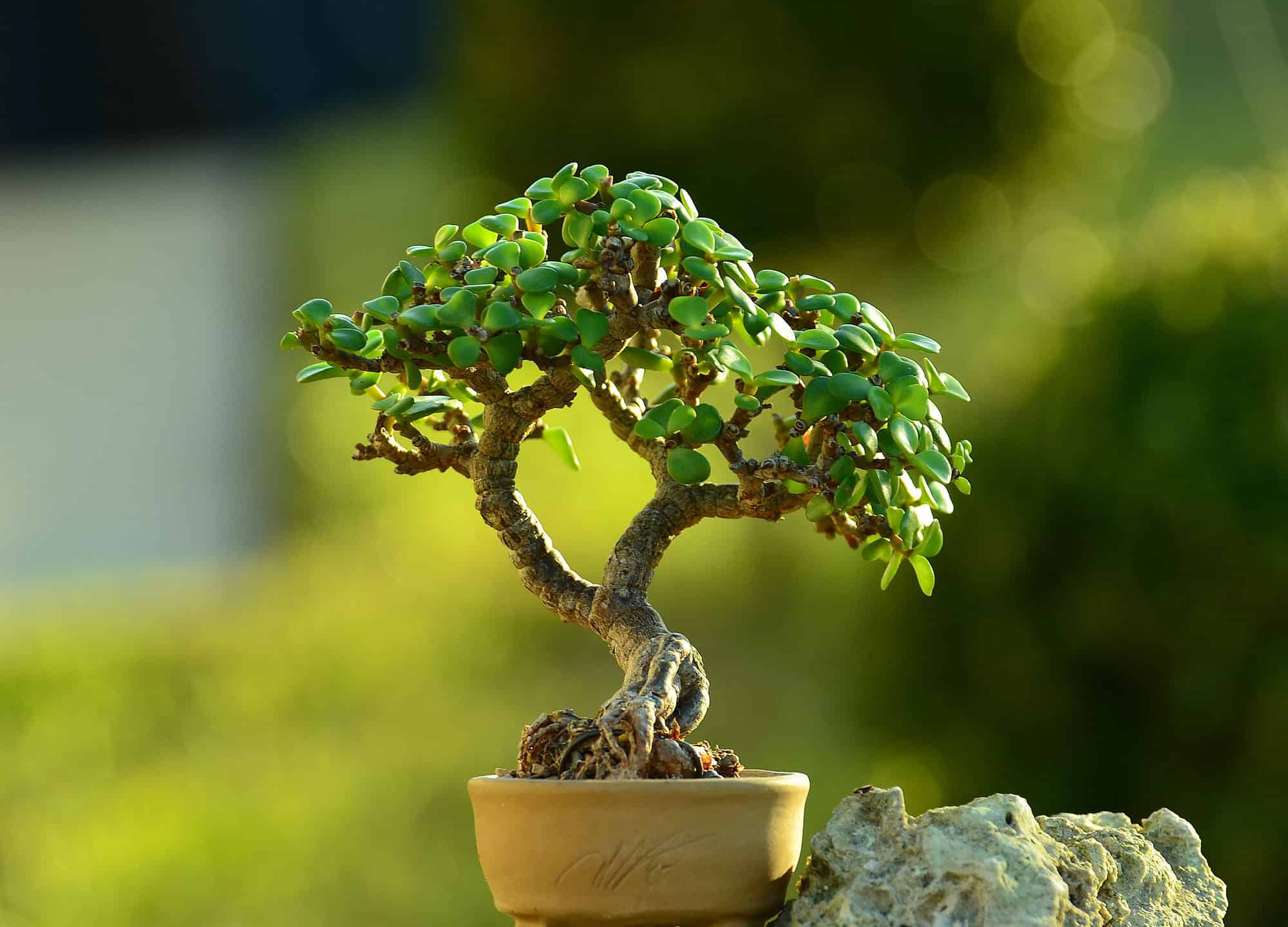
Jade adapts well to a few classic bonsai styles. Pick one that fits the natural shape of your plant.
- Informal upright
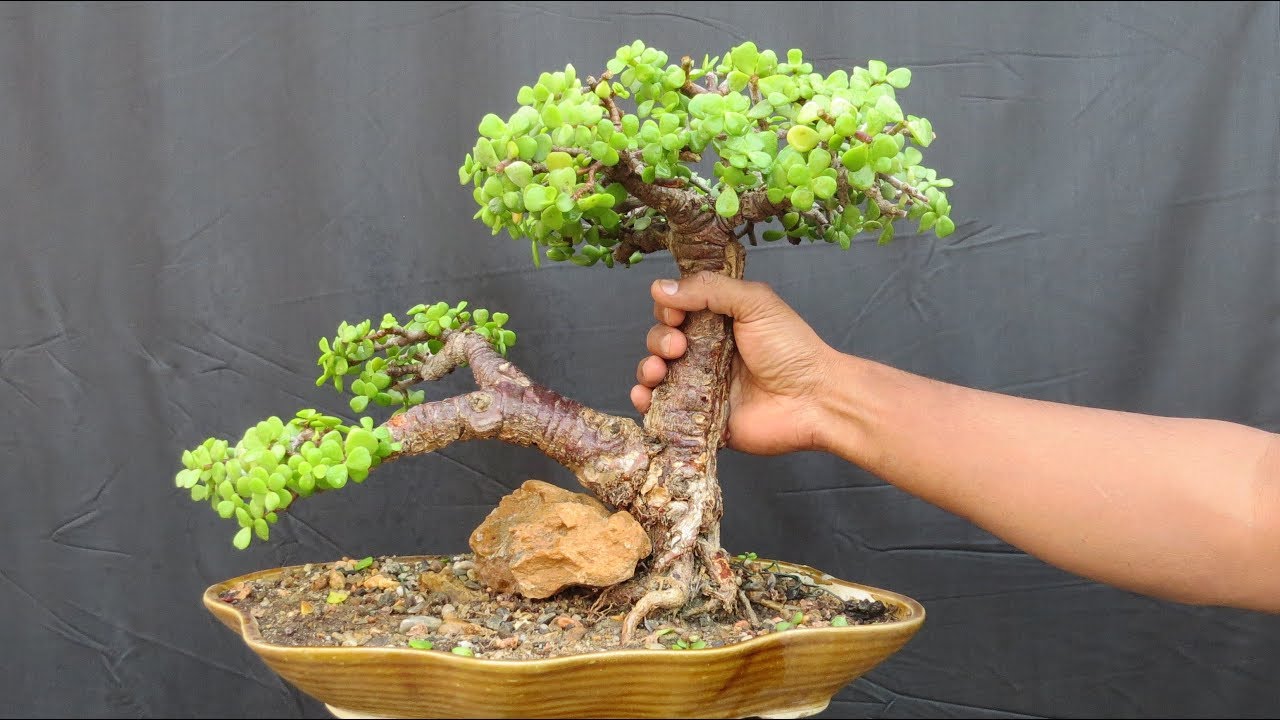
- Wind-swept
- Multi-trunk clump
Tips for styling:
- Work with thick trunks for an aged look.
- Create balance by spacing branches at different heights.
- Avoid heavy carving; jade bark can crack and heal poorly.
- Use foliage pads: prune to create flat, layered groups of leaves.
These approaches help you decide how to bonsai a jade plant while keeping the result natural.

Care and maintenance after shaping
Maintenance keeps the style and health intact. Check the plant weekly in active growth.
- Light: Bright, strong light reduces leggy growth and keeps leaves compact.
- Water: Allow the soil to dry between waterings. Water fully, then let drain.
- Feeding: Use a balanced liquid fertilizer in spring and summer at half strength.
- Repotting: Repot every 2–3 years to refresh soil and trim roots.
- Pests: Watch for mealybugs and scale; treat with rubbing alcohol or insecticidal soap.
- Winter: Reduce water and keep temperatures above 50°F (10°C) for best dormancy care.
Good maintenance is key to learning how to bonsai a jade plant and keeping it thriving.

Common problems and how to fix them
Problems are usually simple to fix if spotted early.
-
Overwatering and root rot
-
Symptoms: Soft stems, leaf drop, black roots.
-
Fix: Repot into dry, well-draining mix. Trim rotten roots and keep water low.
-
Leggy growth
-
Symptoms: Long internodes, sparse leaves.
-
Fix: Move to brighter light and prune back to healthy nodes.
-
Pests
-
Symptoms: Sticky residue, cottony spots, tiny bumps.
-
Fix: Dab pests with alcohol, use systemic insect control if severe.
-
Cracked leaves or split stems
-
Often caused by watering swings or cold drafts.
-
Fix: Keep a steady watering routine and stable temps.
Addressing problems quickly is part of learning how to bonsai a jade plant.
Personal tips, mistakes to avoid, and lessons learned
I learned many lessons while training jade. Here are honest tips from my experience.
- Be patient: Rapid changes stress jade. I ruined a trunk by over-wiring in year one.
- Small cuts add up: Frequent, light pruning creates natural ramification.
- Watch light: Indoors, move the plant to a brighter spot before pruning, or it will go leggy.
- Don’t overpot: Deep pots keep soil moist too long and rot roots.
- Keep records: I note pruning dates and results. It helps me time future moves.
These tips come from hands-on work and help you avoid common traps when you learn how to bonsai a jade plant.

Frequently Asked Questions of how to bonsai a jade plant
How often should I prune my jade bonsai?
Prune lightly every few months to shape and remove long shoots. Major pruning is best in spring when growth resumes.
Can I wire jade branches safely?
You can wire mature, thicker branches but be gentle and check often to avoid wire scars. Use plastic or coated wire for less damage.
What soil mix works best for jade bonsai?
A fast-draining mix of pumice, lava rock, and cactus mix works well. Good drainage prevents root rot and supports healthy growth.
How much light does a jade bonsai need?
Jade needs bright light and several hours of direct sun daily to keep leaves small and stems thick. Indoors, place it by a sunny window.
When should I repot my jade bonsai?
Repot every 2–3 years in spring for young plants and every 3–5 years for mature ones. Repotting refreshes soil and allows root pruning.
Will jade bonsai tolerate indoor conditions?
Yes, jade tolerates indoor life if it gets bright light and moderate humidity. Avoid low light and overwatering to prevent leggy growth.
Conclusion
You can learn how to bonsai a jade plant with steady care, the right soil, and careful pruning. Start with a healthy plant, make small changes, and watch how it responds. Use bright light, fast-draining mix, and gentle wiring to shape your jade without stress.
Take one step today: pick a healthy jade, plan a simple design, and make your first small cut. Share your progress or questions below, subscribe for more bonsai tips, or try your next styling session with confidence.

Laura Bennett is a gardening writer at MyGardenLabs who creates beginner-friendly guides focused on solving common plant care and gardening problems.