
How To Take Care Of A Bonsai Tree Indoors: Easy Expert Tips
Regular light, careful watering, proper soil, and monthly pruning keep indoor bonsai healthy.
I’ve grown and taught bonsai care for years, so I’ll show you exactly how to take care of a bonsai tree indoors with clear steps, practical tips, and real mistakes to avoid. Read on for a friendly, expert guide that covers light, water, soil, pruning, pests, and repotting — everything you need to keep an indoor bonsai thriving.

Why choose an indoor bonsai and what to expect
Indoor bonsai bring calm, beauty, and a living lesson into small spaces. They need steady care and a bit of learning. Knowing how to take care of a bonsai tree indoors helps you avoid common mistakes like overwatering or poor light. This guide gives the basics and the fine details so you can succeed.
Understanding bonsai basics and indoor limitations
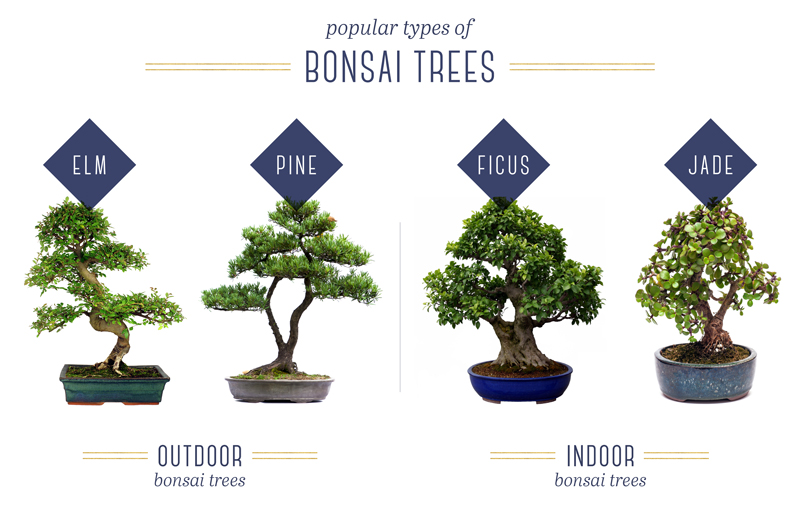
Bonsai is an art of growing full-size trees in small containers. It uses pruning, wiring, and root work to shape a tree. When you learn how to take care of a bonsai tree indoors, you must accept limits: many true bonsai species are outdoor trees that need seasonal cues. Indoor bonsai can live long if you choose the right species and mimic outdoor conditions.

Light, temperature, and placement
Light matters most. Most indoor bonsai need bright, indirect light for 6–8 hours daily. Place bonsai near east- or south-facing windows, but avoid hot midday sun on glass. If light is weak, add a full-spectrum grow light for 6–8 hours a day.
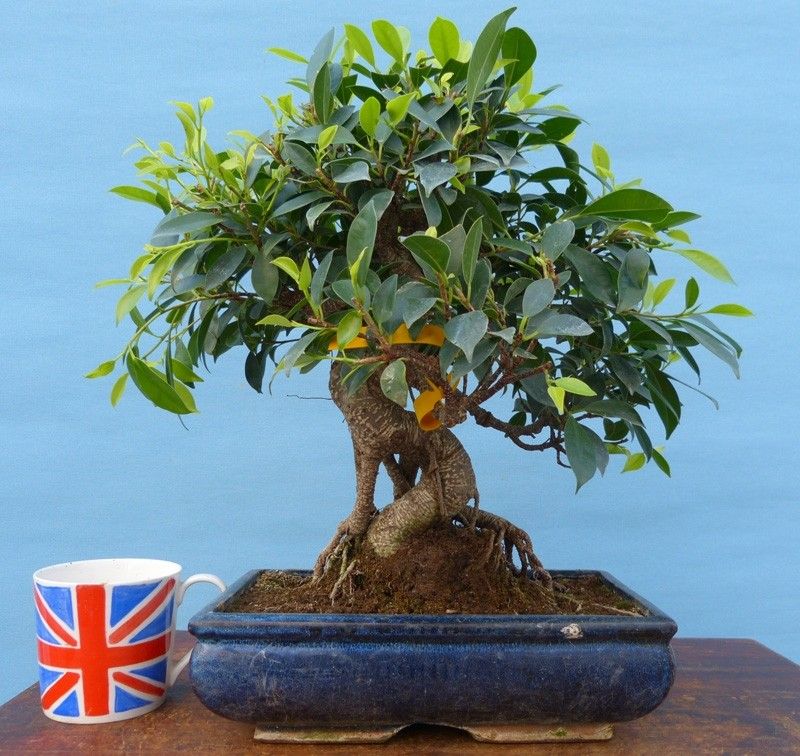
Temperature should match the species. Tropical bonsai like ficus prefer 65–75°F by day and slightly cooler at night. Temperate species often need a cool rest period and may not thrive fully indoors. Learn how to take care of a bonsai tree indoors by matching each tree’s light and temperature needs.
Common question: How often should I rotate an indoor bonsai? Rotate the pot a quarter turn every week so all sides get light. This helps even growth and prevents leaning.
Watering and humidity: the most common challenge
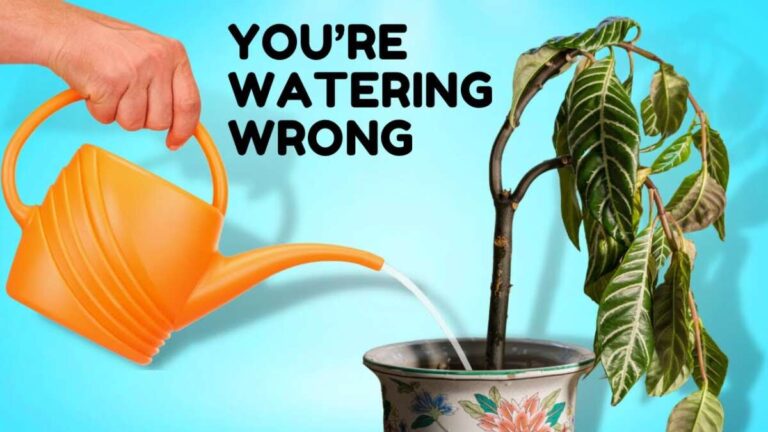
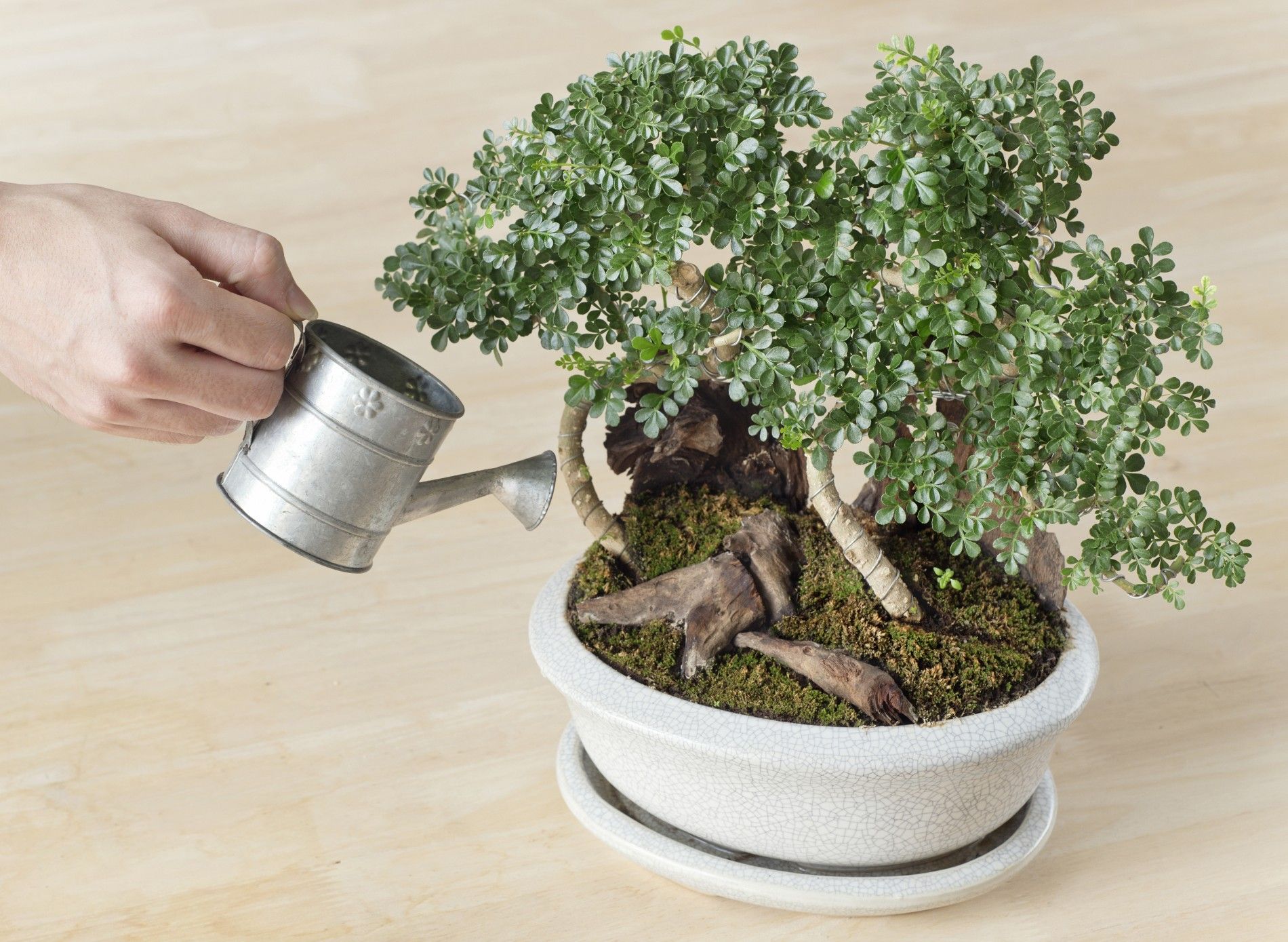
Watering is simple but precise. Water when the top soil feels slightly dry. Use a fine nozzle or soak method so water reaches roots evenly. Never let soil stay bone dry for long. Overwatering causes root rot; under-watering wilts leaves quickly.
Humidity helps indoor bonsai breathe. Many homes are dry, especially with heat or air conditioning. Raise humidity with these simple methods:
- Pebble tray: Place pot on damp pebbles with water below the pot base.
- Grouping: Keep several plants near each other to boost local humidity.
- Misting: Use light misting for a quick boost, but don’t rely on it alone.
PAA-style: How often should I water a bonsai tree indoors? Check soil daily at first. Water deeply when the top 1/4 inch feels dry; frequency often ranges from every 2–7 days depending on season and pot size.
:strip_icc()/GettyImages-598322873-409b66c4895d492eb28fde9e752d98ad.jpg)
Soil, potting, and repotting for indoor bonsai
Good soil drains yet holds moisture. A common mix is:
- 40% inorganic grit or akadama-like material
- 30% pumice or lava rock
- 30% organic compost or pine bark
This mix helps balance water and air at the roots. When you repot, do it in early spring before new growth. Repotting interval depends on age and species: young trees often need repotting every 1–2 years; mature trees every 3–5 years.
Signs your tree needs repotting:
- Roots circling the pot
- Water runs straight through
- Stunted growth
How to take care of a bonsai tree indoors during repotting: prune one-third of the root mass, replace 50–70% of old soil, and keep the tree in partial shade for a few weeks.

Pruning, wiring, and styling basics
Pruning keeps shape and health. There are two types:
- Maintenance pruning: trim shoots to keep the design and promote ramification.
- Structural pruning: remove large branches to create form.
Use sharp, clean tools. Cut at a 45-degree angle to help healing. Wiring shapes branches but watch for wire cutting into bark; remove or adjust wire every few months.
When learning how to take care of a bonsai tree indoors, start gently with pruning and avoid dramatic changes in one season. Small, steady steps create strong trees.
Fertilizing, seasonality, and feeding schedules
Indoor bonsai need regular feedings because pot soil is limited. Use a balanced, slow-release fertilizer or a liquid fertilizer diluted to half strength. Feed during the growing season, often every 2–4 weeks for liquid feed.
Adjust feeding by species and season. Reduce or stop feeding during dormancy. Over-fertilizing leads to burnt roots and weak growth. Learn how to take care of a bonsai tree indoors by watching leaf color and growth rate to tweak feeding.
:max_bytes(150000):strip_icc()/indoor-bonsai-tree-f3f558eb4fab4c07bb17e41bdaa9adf4.jpg)
Pests, diseases, and preventive care
Indoor bonsai face pests like spider mites, scale, and aphids. Inspect leaves weekly. Treat infestations early with gentle soaps, neem oil, or targeted sprays. For fungal issues, improve air flow and adjust watering.
Regular checks help. Clean fallen leaves, sterilize tools, and isolate new plants for a few weeks. Knowing how to take care of a bonsai tree indoors means preventing problems before they start.
Common problems and quick fixes
Leaf drop: Often from light shock, drafts, or overwatering. Move the tree to steady light and check moisture.
Yellow leaves: Could be overwatering or nutrient lack. Adjust water and try a mild fertilizer.
Slow growth: Low light or root-bound pots. Consider repotting and adding grow lights.
These simple fixes come from hands-on experience. I’ve rescued trees by moving them to brighter spots and correcting watering routines.
Personal experience, mistakes to avoid, and practical tips
I once lost a young ficus by keeping it too close to a radiator. Lesson: avoid heat vents and dry air. Another time I pruned too hard in late fall and set back the tree’s spring growth. Now I prune mainly in spring and summer.
Practical tips I use:
- Keep a watering journal for the first season to learn patterns.
- Use a chopstick to loosen soil for better water penetration.
- Label each bonsai with species, repot date, and fertilizer schedule.
These small routines make learning how to take care of a bonsai tree indoors easier and less stressful.
Extra care for specific indoor species
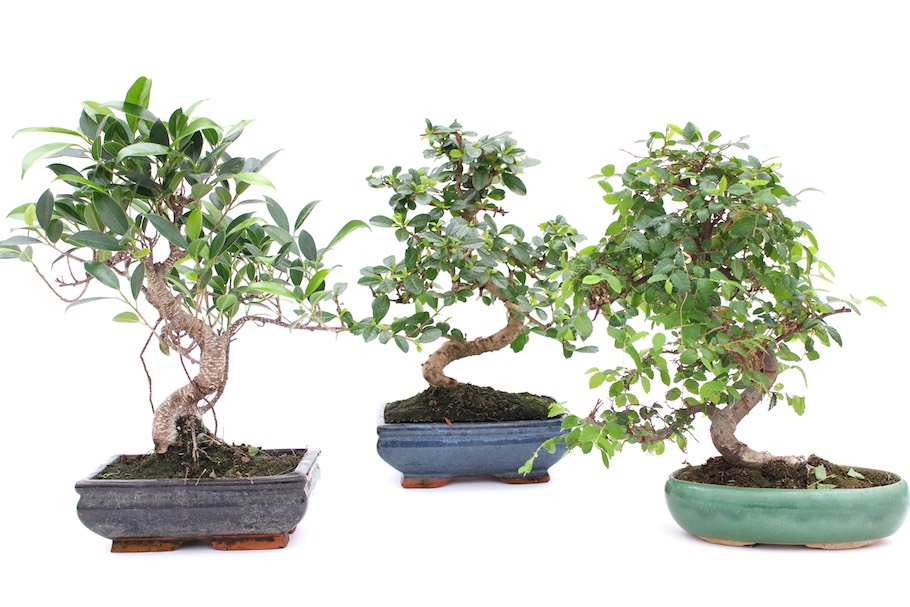
Tropical species like Ficus and Schefflera:
- Keep warm, bright, and humid.
- Water regularly and feed more in active growth.
Junipers and pines (generally outdoor species kept indoors temporarily):
- Need strong light and cooler nights.
- Best kept outdoors when possible, but bring inside only short periods.
Matching care to species is key to long life. Read species notes and practice how to take care of a bonsai tree indoors with that species in mind.
Frequently Asked Questions of how to take care of a bonsai tree indoors
How often should I water my indoor bonsai?
Water when the top 1/4 inch of soil feels dry. Most indoor bonsai need water every 2–7 days depending on pot size and season.
What kind of light does an indoor bonsai need?
Bright, indirect light for 6–8 hours daily is ideal. Use a full-spectrum grow light if natural light is limited.
How do I repot an indoor bonsai and how often?
Repot in early spring. Young trees repot every 1–2 years; mature trees every 3–5 years, trimming about one-third of the root mass.
Can I keep any bonsai tree indoors year-round?
Not all species thrive indoors year-round; many bonsai are outdoor species. Choose tropical or subtropical species if you plan to keep a tree inside.
How do I prevent pests on an indoor bonsai?
Inspect weekly, keep leaves clean, isolate new plants, and treat early with mild insecticidal soap or neem oil if needed.
Conclusion
Caring for a bonsai indoors asks for steady attention to light, water, soil, and pruning. Start with the right species, use well-draining mix, and develop a simple routine of checks and care. Small, consistent actions lead to healthy, beautiful trees.
Take one step today: pick a beginner-friendly species, set up a bright spot, and track watering for a month. Share your progress or questions in the comments — I’d love to help you grow your indoor bonsai.

Laura Bennett is a gardening writer at MyGardenLabs who creates beginner-friendly guides focused on solving common plant care and gardening problems.