How Big Are Bonsai Trees: Size Guide And Examples
Bonsai trees range from a few inches to several feet tall, depending on style and species.
I’ve trained, grown, and shown bonsai for over a decade, and I can tell you exactly how big are bonsai trees, what controls their size, and how to pick the right scale for your space. This guide breaks down size classes, real-world examples, clear measuring rules, practical tips to reach a target size, and the pros and cons of tiny versus large bonsai. Read on to learn how big are bonsai trees and how to plan one that fits your life and skill level.

How big are bonsai trees? Definitions and size ranges
Bonsai are real trees grown in small containers. They are not a single size. Their size depends on species, training, and the bonsai class chosen. When people ask how big are bonsai trees, they usually want a range and common class names.
Common bonsai size classes and typical height ranges:
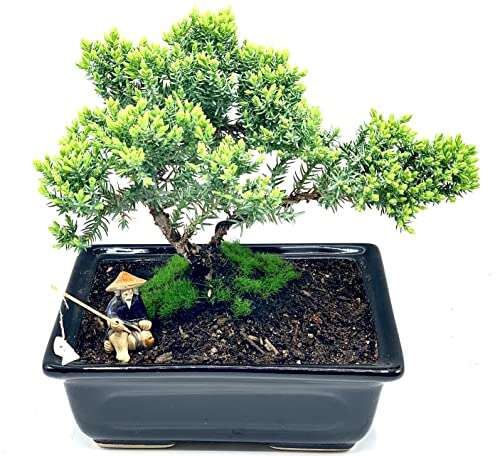
- Keshitsubo: 2–8 cm. Often tiny accent plants or mame starters.
- Mame: 8–20 cm. Pocket-sized, very delicate work.
- Shohin: 20–30 cm. Small but showable bonsai used in collections.
- Komono: 30–45 cm. Small-medium trees; a popular home size.
- Chuhin: 45–60 cm. Medium bonsai that show good trunk detail.
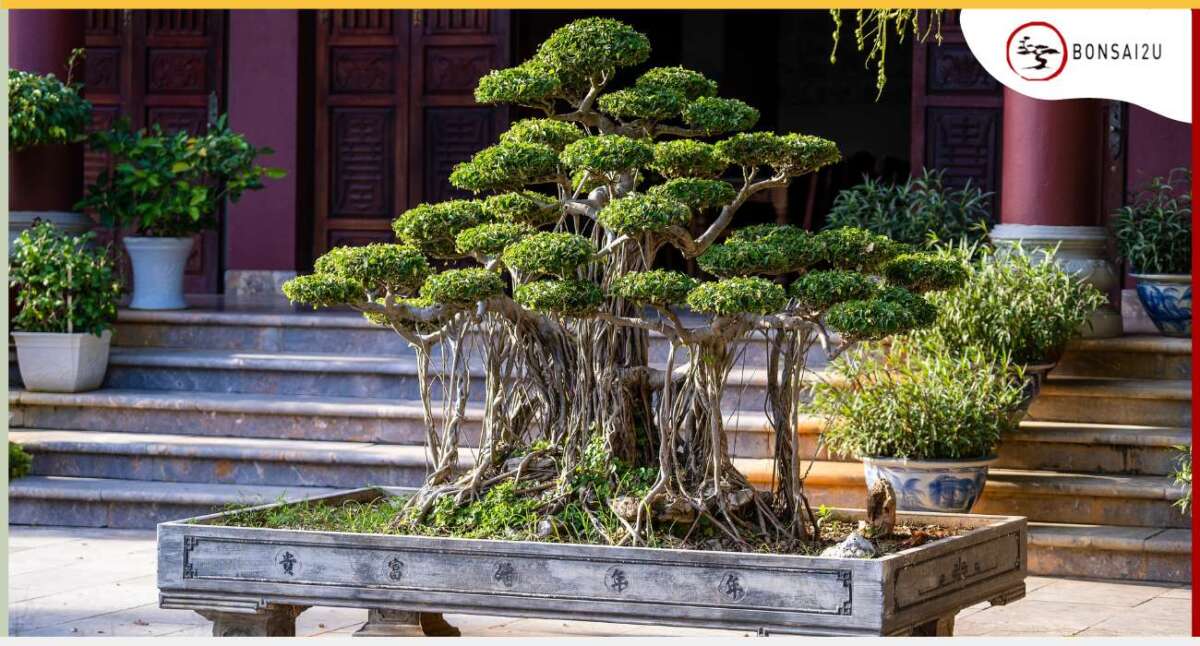
- Dai/Ōmono: Over 60 cm. Large, formal bonsai suitable for shows and display.
Note that exact cutoffs vary by source and region. Species like ficus, juniper, and pine can be styled across many classes. When answering how big are bonsai trees, always tie size to the class and species chosen.
Common bonsai size classes with real examples
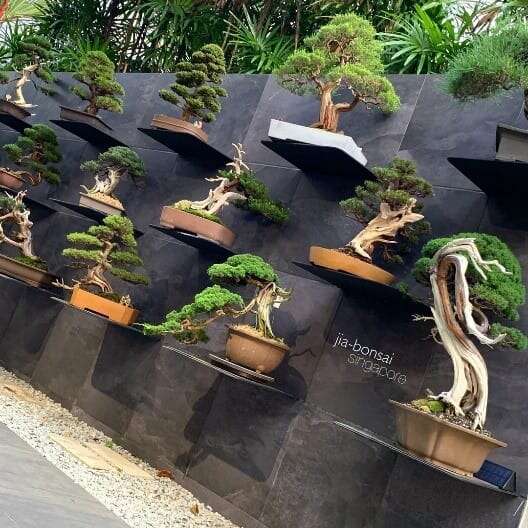
Seeing examples helps answer how big are bonsai trees in practice. Below are practical pairings of species and size classes.
- Keshitsubo and Mame
- Example species: small sedums, juvenile maples.
- Use: desktop accents and tiny displays.
- Shohin (20–30 cm)
- Example species: small junipers, azaleas, elms.
- Use: indoor shelves, small stands.
- Komono (30–45 cm)
- Example species: shohin-style pines, small ficus.
- Use: living room or patio display.
- Chuhin (45–60 cm)
- Example species: larger pines, big junipers, broadleaf trees.
- Use: focal pieces indoors for short shows or outdoors displays.
- Dai/Ōmono (60+ cm)
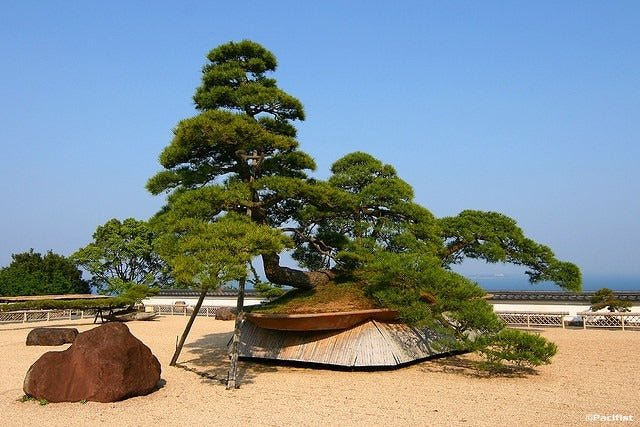
- Example species: mature pines, beech, large maples.
- Use: exhibition or garden display due to space needs.
These examples show that how big are bonsai trees depends on goals. A starter juniper can be a mame or grow into a chuhin with time and skill.
Factors that determine how big are bonsai trees
Size control comes from choices and conditions. Here are the main factors that decide how big are bonsai trees:
- Species genetics
- Some species stay small naturally. Others have vigorous growth and larger leaves.
- Age and starting material
- Older stock and large nursery trees can become bigger bonsai faster.
- Training techniques
- Regular pruning, wiring, and root pruning keep a tree small.
- Pot size and root restriction
- Smaller pots limit root and top growth. This is a core tool to answer how big are bonsai trees.
- Light, water, and nutrients
– Good care speeds growth; limited resources slow it. - Climate and growing season length
- Warm, long seasons let trees grow taller faster.
From my experience, a young juniper in a small pot will top out around 30–40 cm if you prune often. I once let a ficus grow in a large pot: in two years it jumped from 30 cm to 70 cm. That showed me how pot size and pruning dictate how big are bonsai trees.

How to measure a bonsai: clear rules
When you answer how big are bonsai trees, you need consistent measuring rules. Use these simple measures:
- Height
- Measure from soil level to the highest point of the tree. Do not include the pot height.
- Trunk diameter
- Measure at the soil line or 1–3 cm above the soil for consistent comparison.
- Canopy spread
- Measure the widest point across the foliage.
- Live branch count and root mass
- Not size measures, but they show vigor and potential growth.
Tools: ruler, tape measure, calipers for trunk. Record measurements each year to track growth and help plan size goals.
Practical steps to grow to a target size
If you want to control how big are bonsai trees in your care, follow this plan:
- Choose the right species.
- Pick slow-growing species if you want a tiny tree.
- Start with the right material.
- Seedlings stay small longer. Nursery stock grows faster.
- Use a proper pot.
- Match pot size to target tree size. Smaller pots limit growth.
- Prune regularly.
- Trim branches and roots yearly to hold size.
- Feed carefully.
- Moderate fertilizer supports health without explosive growth.
- Repot on schedule.
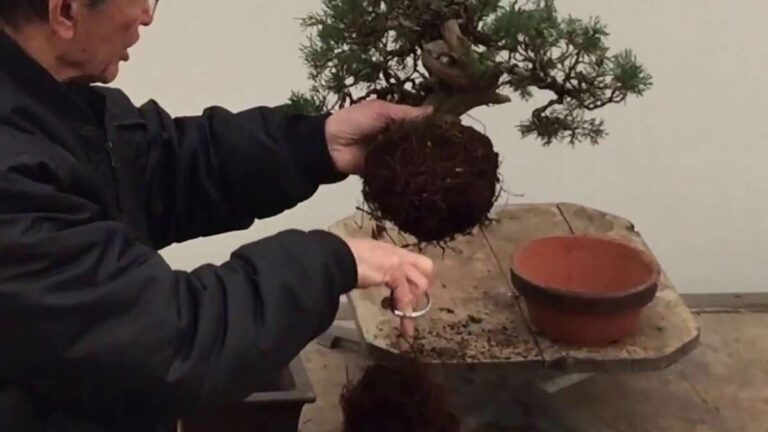
- Root pruning every 1–3 years keeps roots compact.
From my practice, set a 3–5 year plan for a 30–40 cm bonsai. That timeline made how big are bonsai trees predictable and manageable for my students.
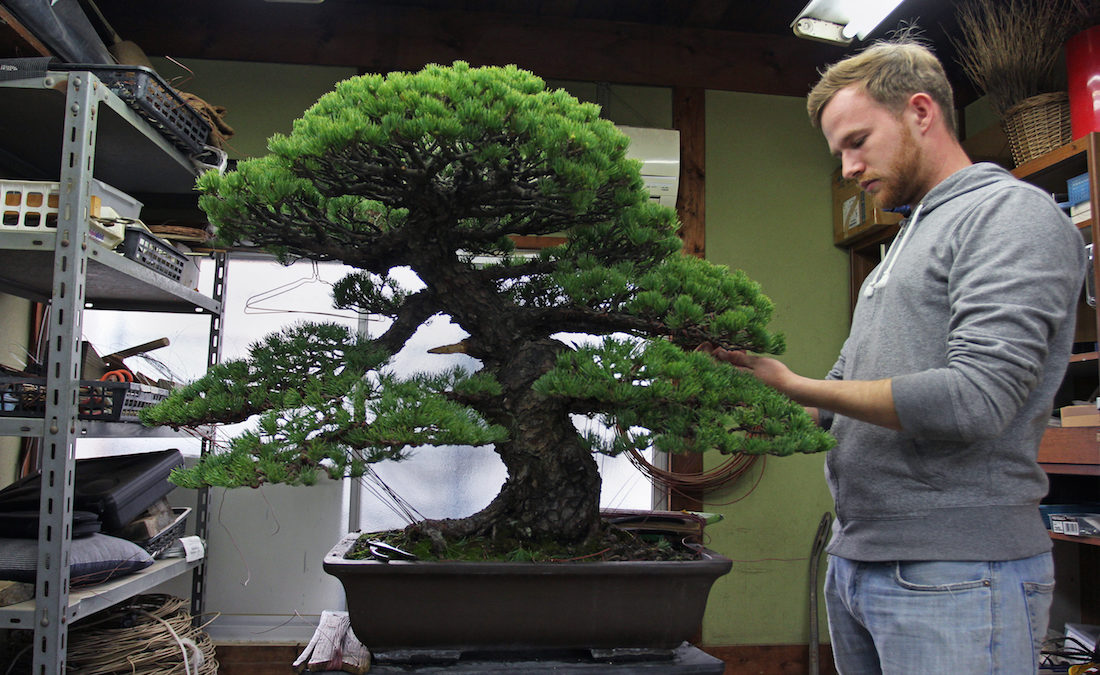
Benefits and limitations of different bonsai sizes
Size affects care, cost, and display options. Consider these trade-offs when thinking how big are bonsai trees:
- Tiny bonsai (Mame, Shohin)
- Benefits: portable, low space, lower cost.
- Limitations: very delicate and harder to style for beginners.
- Medium bonsai (Komono, Chuhin)
- Benefits: good balance of detail and manageability.
- Limitations: more space and time required.
- Large bonsai (Dai)
- Benefits: impressive presence, more trunk detail.
- Limitations: costly, heavy, and high maintenance.
Match tree size to your daily routine and space. I recommend starting medium; it teaches skill without the fragility of mame or the labor of dai.
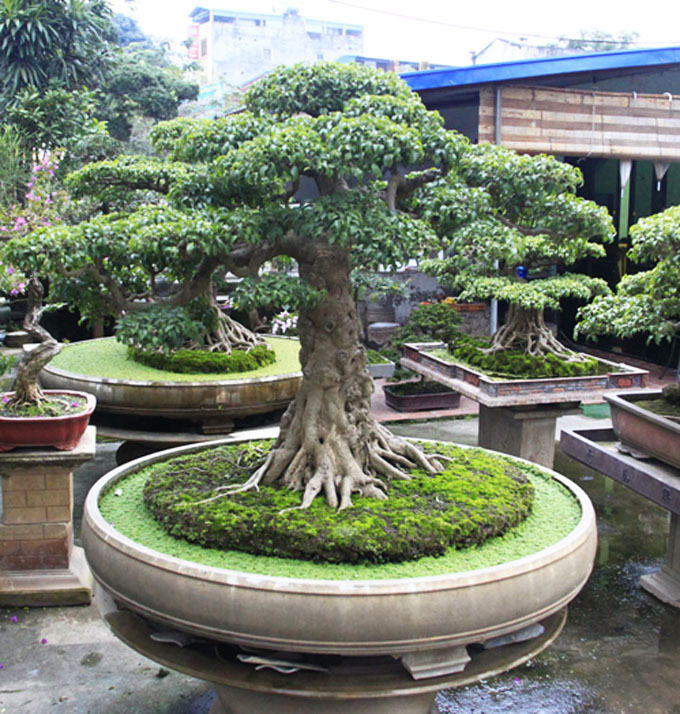
Styling and display: how size shapes presentation
How big are bonsai trees shapes how you show them. Consider these display points:
- Pot choice
- Shallow pots suit small trees; deeper pots can support larger trunks.
- Stands and scrolls
- Small pieces can sit on shelves; large pieces need floor stands or outdoor placements.
- Grouping and scale
- Use smaller accent plants for large bonsai to create a balanced display.
- Safety and pets
- Very small pots may be knocked over by pets or kids; larger, stable displays can be safer.
My tip: always visualize the space before you grow the tree. I once placed a 50 cm chuhin on a thin shelf and it looked crowded. After moving it to a wider stand, its scale made sense. This taught me to think about how big are bonsai trees in relation to their setting.

Cost, time, and expectations for size
Growing and buying bonsai ties to size and commitment. Quick guide to answer how big are bonsai trees from a cost and time view:
- Small bonsai
- Often cheaper. Time to shape: 1–5 years.
- Medium bonsai
- Moderate price. Time to refine: 3–10 years.
- Large bonsai
- Expensive. Time to mature: decades.
Professional pruning, wiring, and aesthetic refinements add cost. Be realistic: a show-quality large bonsai is often decades of work. That reality helps set expectations for how big are bonsai trees you can realistically create.
Frequently Asked Questions of how big are bonsai trees
What size are most beginner bonsai?
Most beginner bonsai are in the komono or shohin range, around 20–45 cm tall. They are easy to manage and teach core skills.
Can any tree be made into a bonsai?
Many trees can be trained as bonsai, but species differ in tolerance to pruning and container life. Research species suitability before starting.
How fast do bonsai grow?
Growth rate varies by species, age, care, and climate. Some bonsai grow a few centimeters per year while others add tens of centimeters under ideal conditions.
Is bonsai size fixed once styled?
No. Bonsai size changes with pruning, repotting, and time. You can keep a tree small with routine work or let it grow larger.
Do indoor bonsai stay smaller than outdoor ones?
Indoor bonsai often grow more slowly due to lower light and seasonal limits, but species choice and care are the main factors. Outdoor trees generally show vigour and can reach larger sizes.
Conclusion
Bonsai come in a wide range of sizes, from tiny mame under 10 cm to large dai over 60 cm. How big are bonsai trees depends on species, training, pot choices, and the time you are willing to invest. Start with a size that matches your space and patience, use steady pruning and root care, and track measurements year by year. Try a small project first—learn by doing—and then scale up when you feel ready. If this guide helped, try measuring your current tree, set a size goal, and share your progress or questions below.

Laura Bennett is a gardening writer at MyGardenLabs who creates beginner-friendly guides focused on solving common plant care and gardening problems.