How To Prune A Bonsai Fig Tree: Easy Step-By-Step Guide
Prune figs by cleaning, making structural cuts in spring, and trimming for shape year-round.
I have trained with bonsai teachers and kept ficus bonsai for over a decade. I know how to prune a bonsai fig tree to keep it healthy and beautiful. This guide walks you through timing, tools, step-by-step pruning, aftercare, and mistakes to avoid. Read on for practical tips, clear steps, and hands-on advice you can use today.

Why prune a bonsai fig tree?
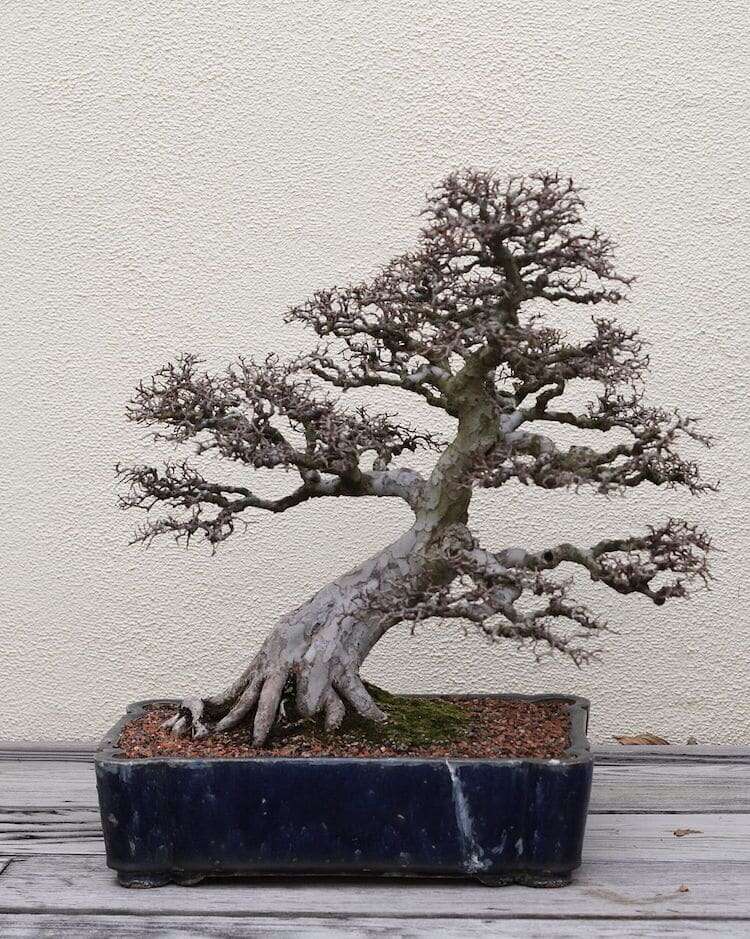
Pruning keeps a bonsai fig tree small and balanced. It controls growth and promotes finer branching. Proper pruning also improves airflow. This reduces disease and pest problems. When you prune, you shape a tree that looks older than it is. I have saved overgrown fig bonsai with focused pruning. The tree responded in weeks with new, well-placed shoots.
When to prune a bonsai fig tree
Most structural pruning is best done in early spring. This is just before strong growth begins. Light maintenance pruning can happen year-round. Remove dead leaves or shoots any time you see them. For indoor ficus, prune when the tree is actively growing. For outdoor figs, wait until frost danger has passed.
Can I prune a ficus in summer?
Yes. Light pruning in summer is safe. Avoid heavy structural cuts then because regrowth may stress the tree in hot weather.
Will heavy pruning shock the tree?
It can. Heavy cuts remove stored energy. Do heavy pruning in spring and give good aftercare to reduce shock.
How often should I prune for shape?
Trim for shape every 4–8 weeks during the growing season. This keeps new shoots tidy and the canopy balanced.
Tools you need
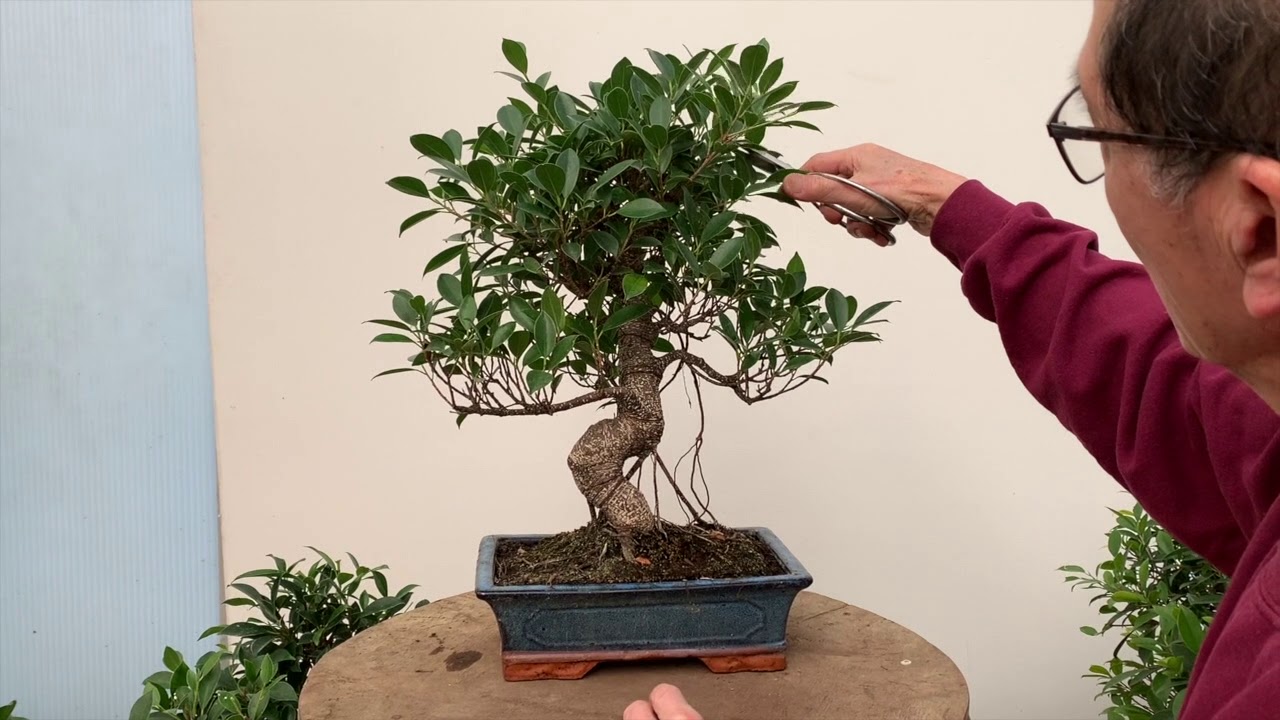
Good tools make pruning clean and precise. Use the right tool for each cut. Clean tools reduce infection risk.
- Sharp bonsai shears for small shoots and foliage trimming.
- Concave cutters for thicker branches and healing-friendly cuts.
- Wire cutters if you use training wire for branch placement.
- Rubbing alcohol or disinfectant to clean tools between cuts.
- Sterilizing solution for deep cuts or infected areas.

How to prune a bonsai fig tree: step-by-step
Follow a clear plan. Work from the big picture to the small details. I include a practical example from my workshop.
-
Assess the tree
- Step back and study the tree from all angles.
- Pick a front and a main style (formal upright, informal, etc.).
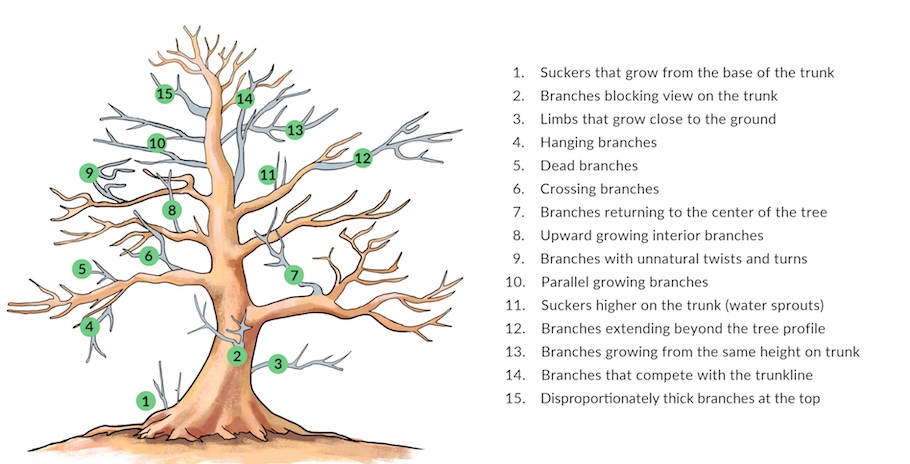
- Note weak branches, crossing limbs, and dense areas.
-
Remove dead, diseased, or damaged wood first
- Cut back to healthy tissue.
- Use concave cutters for larger branches.
- Dispose of removed material to avoid reinfesting.
-
Make structural cuts
- Remove branches that break the silhouette.
- Keep branches that contribute to the main design.
- Make clean cuts at a slight angle, just outside the branch collar.
-
Thin crowded areas
- Remove inward-growing and crossing branches.
- Open the canopy to let light reach inner leaves.
- Thin gradually. Don’t remove too much at once.
-
Shorten long shoots for ramification
– Cut just above a healthy bud pointing in the desired direction.- Aim for nodes that create a tiered branch pattern.
- Repeat every 4–8 weeks during growth.
-
Leaf pruning (defoliation) for refinement
- Only do partial or full defoliation on healthy trees.
- Do full defoliation in early summer for strong trees.
- Watch for signs of stress and avoid if the tree is weak.
-
Seal or treat large wounds when necessary
- Small cuts heal on their own.
- For large wounds, consider a clean wound dressing.
- Keep the tree sheltered while it recovers.
Practical example from my experience:
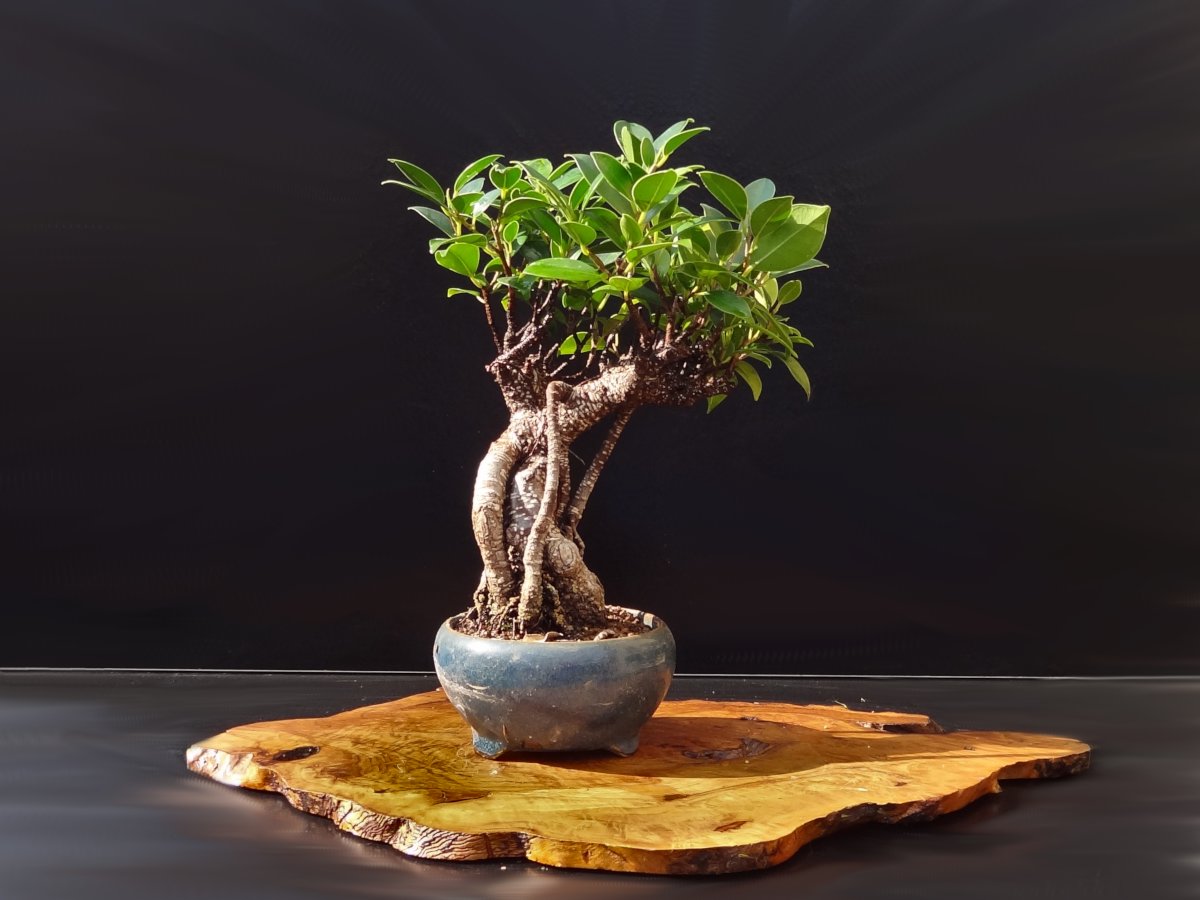
I once had a ficus with three crowded trunks. I removed one trunk at the base in spring. The tree produced finer branches on the remaining trunks within two months. It now has a cleaner silhouette and better airflow.

Wiring and shaping after pruning
Wiring helps position branches after pruning. Wire when branches are flexible. Check wired branches every 2–4 weeks. Remove wire when the branch holds its position.
- Use aluminum or copper bonsai wire sized to the branch thickness.
- Anchor wire at the trunk and spiral gently along the branch.
- Avoid tight wrapping that cuts the bark.
- Reposition slowly to prevent cracks.

Maintenance after pruning
After pruning, support the tree well. Water wisely and monitor for stress. Feed only when the tree shows active growth.
- Water: keep soil evenly moist, not waterlogged.
- Fertilize: use a balanced bonsai fertilizer monthly during growth.
- Light: ensure bright, indirect light for indoor figs.
- Monitor: watch for sudden leaf drop or discoloration.
I once over-fertilized after a big prune. The leaves burned and several shoots died. I corrected by flushing the soil and using a gentler feed schedule. The tree recovered in weeks.
Common mistakes and how to avoid them
Learn from common errors. These save time and keep the tree alive.
-
Cutting too much at once
- Avoid removing more than 30–40% of foliage in one session.
- Make larger changes over two seasons.
-
Leaving jagged cuts
- Use the right tool for each cut.
- Finish cuts cleanly to speed healing.
-
Wiring too tightly or too long
- Check wire often.
- Remove before it digs in.
-
Pruning without a plan
- Always assess the design first.
- Small, consistent steps beat drastic surgery.

Pests, diseases, and pruning risks
Pruning can reduce disease but can also introduce it. Clean cuts heal faster. Sterilize tools between trees. Watch for common ficus issues like scale, mealybugs, and root rot.
- Inspect leaves and bark before pruning.
- Treat pests promptly with horticultural oil or insecticidal soap.
- Avoid heavy pruning during active pest outbreaks.
Advanced shaping techniques
For bonsai enthusiasts ready to refine their craft, try these techniques. They require patience and experience.
- Jin and shari for aged bark and deadwood effects.
- Layering to create new nebari or roots.
- Grafting to add or replace branches.
Practice on sacrificial material first. I practiced jin on a nursery branch before applying it to a prized tree. The result looked more natural and confident.
Frequently Asked Questions of how to prune a bonsai fig tree
How often should I prune my bonsai fig tree?
Prune for maintenance every 4–8 weeks during active growth. Do structural pruning once a year in early spring.
Can I prune a bonsai fig tree heavily in one session?
Avoid heavy pruning in one session. Spread big changes over two growing seasons to reduce stress.
Is leaf pruning necessary for a bonsai fig tree?
Leaf pruning helps refine branch order and reduce leaf size. Only use it on healthy trees during active growth.
What tool is best for thick branches on a ficus bonsai?
Use concave cutters for thicker branches. They make a healing-friendly cut.
Will pruning encourage more leaves on my bonsai fig?
Yes. Pruning redirects energy to buds below the cut. Expect vigorous new shoots in a few weeks.
How do I prevent fungal infection after pruning?
Sterilize tools and remove fallen debris. Keep the tree in good light and airflow until cuts heal.
Conclusion
Pruning a bonsai fig tree is both a craft and a routine. Work from vision to detail. Use clean tools, sensible timing, and small, steady steps. Listen to the tree and adjust after each pruning. Start with one clear change today. Try a single structural cut in spring and monitor the tree for new growth. Share your results, ask questions, or subscribe for more bonsai tips.

Laura Bennett is a gardening writer at MyGardenLabs who creates beginner-friendly guides focused on solving common plant care and gardening problems.