
What Do Bonsai Seeds Look Like: A Visual Guide
Bonsai seeds look like ordinary tree seeds, with size, shape, color, and texture based on the tree species.
Many new growers expect bonsai seeds to be tiny, special seeds made for miniature trees. They are not. A bonsai is created through careful training, pruning, and care, so bonsai seeds look just like regular seeds from the same tree species. This guide explains how to identify them, where they come from, how they change before sprouting, and how to avoid common buying mistakes.
What Do Bonsai Seeds Look Like?
Bonsai seeds look different because bonsai can come from many kinds of trees. A Japanese maple seed looks nothing like a pine seed, and an oak seed looks very different from a juniper seed. The seed’s appearance depends on its plant family, age, and level of ripeness.
In simple terms, bonsai seeds may be:
• Flat and winged, like Japanese maple or pine seeds
• Round and hard, like some palm or tropical tree seeds
• Small and black, brown, tan, or gray
• Long and narrow, like some conifer seeds
• Enclosed inside a pod, cone, fruit, or nut
• Covered by a thin shell or a thick protective coat
The key point is simple: there is no single “bonsai seed” shape. Bonsai seeds look like the seeds of the full-sized tree they will become.
For example, a bonsai Japanese black pine begins with a normal pine seed. With time, its growth is limited by its pot, root pruning, branch pruning, wiring, and other training methods. The seed itself does not contain a miniature tree design.
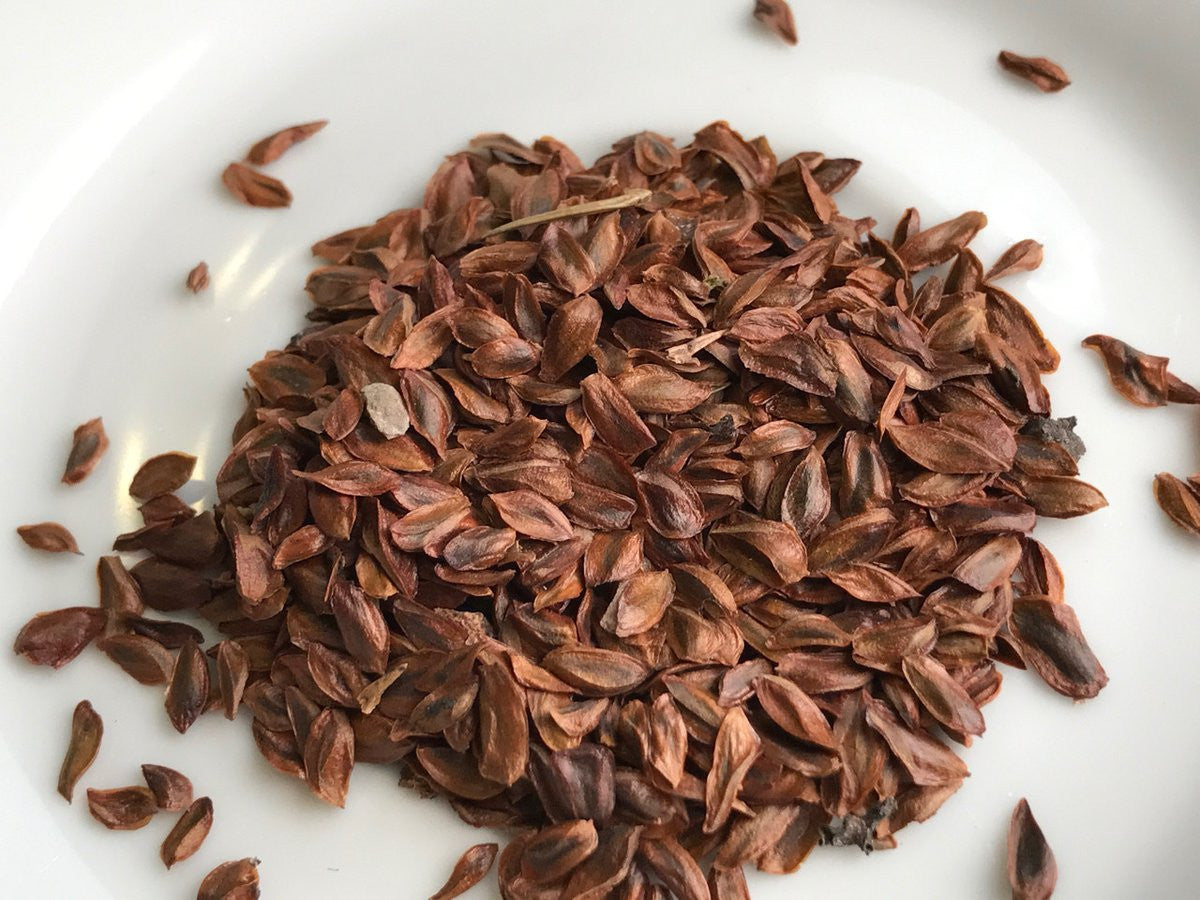
Common Bonsai Seeds and Their Appearance
Learning the common types can make seed identification much easier. When you know the parent tree, the shape and color of the seed usually make more sense.
Japanese maple seeds
Japanese maple seeds are often paired and winged. Their wings can look like two small helicopter blades joined at the center. Fresh seeds may be green, red, or reddish brown, while mature seeds often turn tan or brown.
Each seed is attached to a thin, papery wing. The wing helps the seed move through the air when released from the tree. These seeds are called samaras, a type of dry fruit that carries one seed.
Pine seeds
Pine seeds are usually small, firm, and oval or slightly triangular. Their color may range from cream to brown or nearly black. Some pine seeds have thin wings, while others are released from cones without a noticeable wing.
Pine cones are not seeds. They are structures that protect and hold the seeds. If you find a pine cone, gently shake or open it only when it is mature and dry. The small seeds inside may be the part you want to plant.
Juniper seeds
Juniper seeds are found inside berry-like cones. These “berries” are not true berries. They are fleshy cones that may turn blue, purple, or dark brown when mature.
A juniper seed is often hard, brown, and somewhat angular. Some cones contain more than one seed. Juniper seeds can have deep dormancy, so they may need a long period of warm and cold treatment before they sprout.
Japanese black pine seeds
Japanese black pine seeds are usually dark brown to black. They have a firm outer coat and may show a pale area near one end. They are small but easy to see without magnification.
When people ask what do bonsai seeds look like, Japanese black pine seeds are often a useful example. They look like ordinary pine seeds, not like tiny trees or special bonsai products.
Oak seeds
Oak bonsai begins with an acorn. Acorns are larger than many bonsai seeds and have a smooth, rounded body with a cup-like cap. Their color can be green, tan, or brown, depending on maturity.
A healthy acorn usually feels solid and heavy for its size. Avoid acorns with small holes, soft spots, mold, or a hollow sound when gently shaken.
Elm seeds
Elm seeds are small, flat, and often surrounded by a thin, papery wing. Their color may be pale green, tan, or light brown. They are much thinner than acorns or pine seeds.
Elm seeds can dry out quickly. If you collect them, plant them soon or store them in a cool, dry place for a short time.
Ficus and tropical tree seeds
Ficus seeds can be extremely small. They are often brown, tan, or yellowish and may be mixed with dried fruit material. Some tropical bonsai species produce seeds that look like tiny grains of sand.
Because these seeds are so small, growers may mistake dust, fruit fibers, or soil particles for viable seeds. A reliable seller should identify the species and provide clear planting instructions.

How to Tell if a Bonsai Seed Is Healthy
Knowing what bonsai seeds look like is only the first step. A seed can look normal and still be too old, empty, damaged, or unable to grow.
Use these simple checks before planting:
• Look for the correct color for the species
• Choose seeds with a firm outer coat
• Avoid seeds with fuzzy mold or wet decay
• Check for insect holes or deep cracks
• Compare the seed with trusted images of the species
• Ask when the seed was collected
• Confirm the seller’s species name and growing zone
A healthy seed often feels firm and has a clean surface. However, appearance alone cannot prove that a seed will sprout. Some viable seeds are wrinkled, dark, or slightly uneven.
A float test is sometimes used for larger seeds, such as acorns. Seeds that sink may be more likely to contain a developed embryo, but this test is not perfect. Small seeds and many conifer seeds can give misleading results.
In my experience with tree seeds, the biggest mistake is judging quality by color alone. A bright seed may be old, while a dull seed may still be viable. Freshness, storage, species, and proper dormancy care matter more than a perfect appearance.

What Do Bonsai Seeds Look Like Before and After Maturity?
Bonsai seeds can change a great deal as they mature. Early seeds may be green, soft, or attached to fresh fruit and cones. Mature seeds are usually firmer and have a darker, drier outer coat.
Common maturity changes include:
- The seed covering becomes harder.
- The color changes from green to tan, brown, gray, or black.
- The surrounding fruit, cone, or pod dries out.
- The seed becomes easier to separate from the parent plant.
- The seed reaches its full size.
Some seeds must remain attached to the tree until they are mature. Others can be collected from the ground soon after falling. Timing depends on the species.
Do not confuse a seed coat with a dead seed. The outer coat protects the living embryo inside. Some seeds need to be scratched, soaked, or chilled because the coat blocks water or delays germination.

Do Bonsai Seeds Look Different From Regular Tree Seeds?
No. Bonsai seeds look like regular seeds from the same tree species. The word “bonsai” describes the growing method and final form, not a special seed type.
A maple seed sold for bonsai is still a maple seed. A pine seed sold for bonsai is still a pine seed. The future bonsai shape comes from years of training, not from the seed’s appearance.
This fact is important when shopping online. Some listings use phrases such as “rare bonsai seeds” or “bonsai tree seeds” to make ordinary species sound unusual. The listing should clearly state the exact tree species, seed collection date, and growing instructions.
Good labels often include:
• Common name
• Botanical name
• Seed collection season
• Recommended temperature
• Germination method
• Expected germination time
• Climate or hardiness information
A seller who only shows a photo of colorful seeds without naming the species is not giving you enough information to make a sound choice.
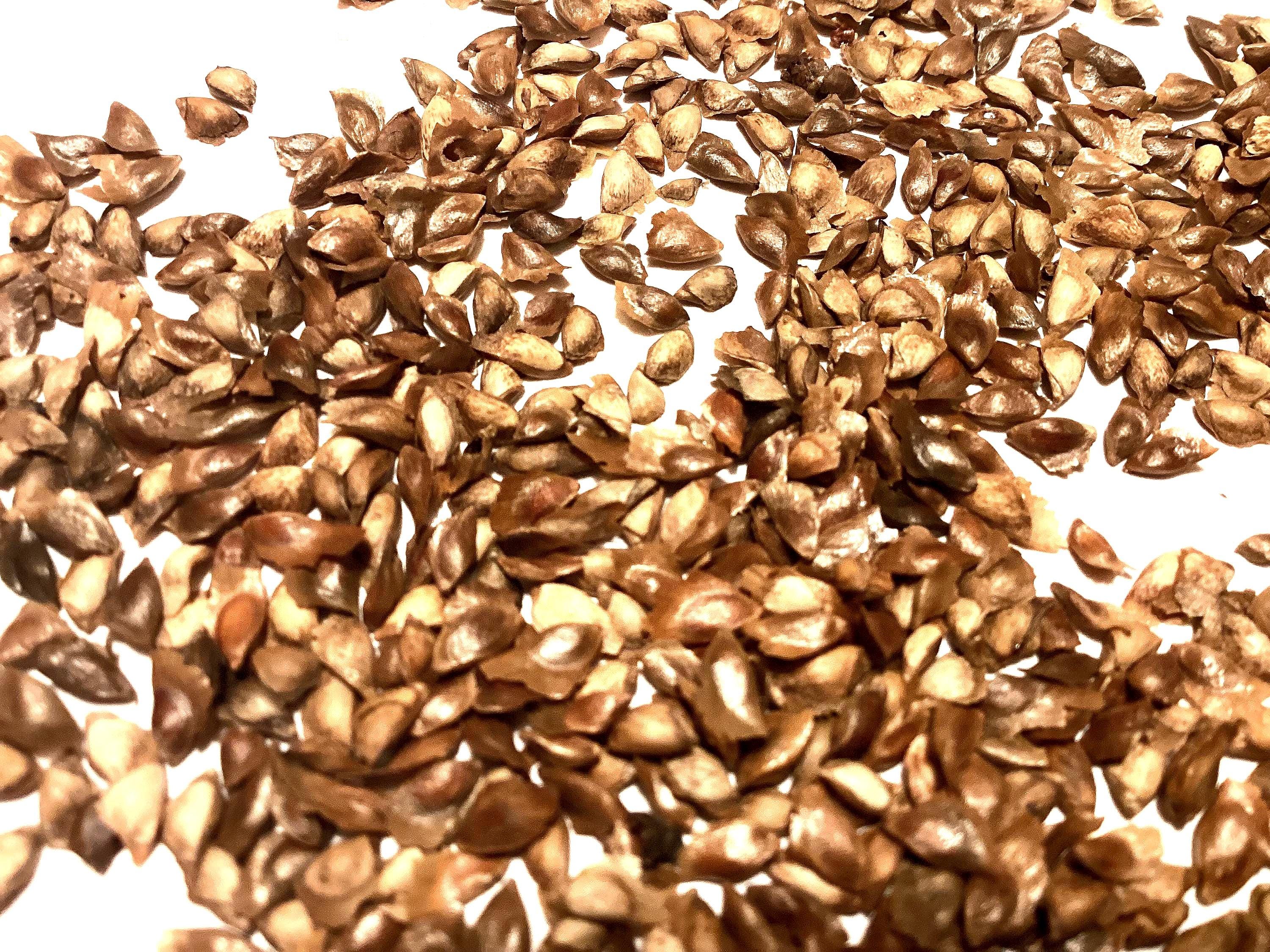
Where Bonsai Seeds Come From
Bonsai seeds can come from cones, pods, fruits, nuts, or dry seed capsules. The seed’s outer structure often explains what bonsai seeds look like.
For example:
• Maples produce winged samaras
• Pines produce seeds inside cones
• Oaks produce acorns
• Junipers produce berry-like cones
• Ficus species produce tiny seeds inside fruit
• Elms produce flat, winged seeds
Seed collection should be done with care. Collect only from healthy trees and avoid protected areas where collection is not allowed. Never take seeds from private land without permission.
Seeds collected from local trees may be better adapted to local conditions. Still, local collection does not guarantee easy germination. Some tree species need special dormancy treatment, and some seeds lose viability within weeks.
Botanical gardens, native plant groups, university extension services, and trusted seed suppliers can provide useful species information. Their guidance is often more reliable than a general online photo.

How to Prepare Bonsai Seeds for Planting
After you identify what bonsai seeds look like, learn what each species needs before planting. Seeds do not all respond to the same method.
Soaking
Some seeds benefit from soaking in clean, room-temperature water for several hours. This can soften the outer coat and help water reach the embryo.
Do not soak every seed for a long time. Tiny seeds may become damaged, and some seeds can rot in stagnant water.
Scarification
Scarification means gently weakening a hard seed coat. You can use sandpaper or a file on some large seeds. The goal is to create a small weak spot, not to crush or split the seed.
This method may help species with very hard coats. Always check species guidance first.
Cold stratification
Many temperate trees need cold stratification. This process stores moist seeds in a cool place for a set period to imitate winter.
A common method is to place seeds in a slightly damp medium inside a labeled bag. Store them in a refrigerator, not a freezer, unless specific instructions say otherwise. Check them often for mold or early roots.
Sowing
Use a clean, free-draining seed mix. Plant depth often depends on seed size. A useful rule is to cover a seed with soil about two to three times its thickness, but very small seeds may need only a light dusting.
Keep the mix damp, not soaked. A warm, bright location with gentle airflow can reduce the risk of rot.

Common Mistakes When Buying Bonsai Seeds
Many failed bonsai projects begin before planting. Buyers may receive the wrong species, old seed, or even decorative seed-like objects.
Watch for these warning signs:
• The seller does not provide a botanical name
• The listing promises many unrelated tree species in one packet
• The photos show bright blue, pink, or neon seeds
• The price is unusually low for a rare species
• There is no collection date
• The seller promises a bonsai in a few weeks
• The instructions ignore dormancy and climate needs
Natural seeds can have a wide range of colors, but artificially colored seeds deserve caution. Dye does not improve germination and may hide age or damage.
Another common mistake is buying a species that cannot survive outdoors in your region. Some bonsai trees need winter dormancy, while tropical species need warmth all year. Before purchasing, check the tree’s light, temperature, water, and dormancy needs.
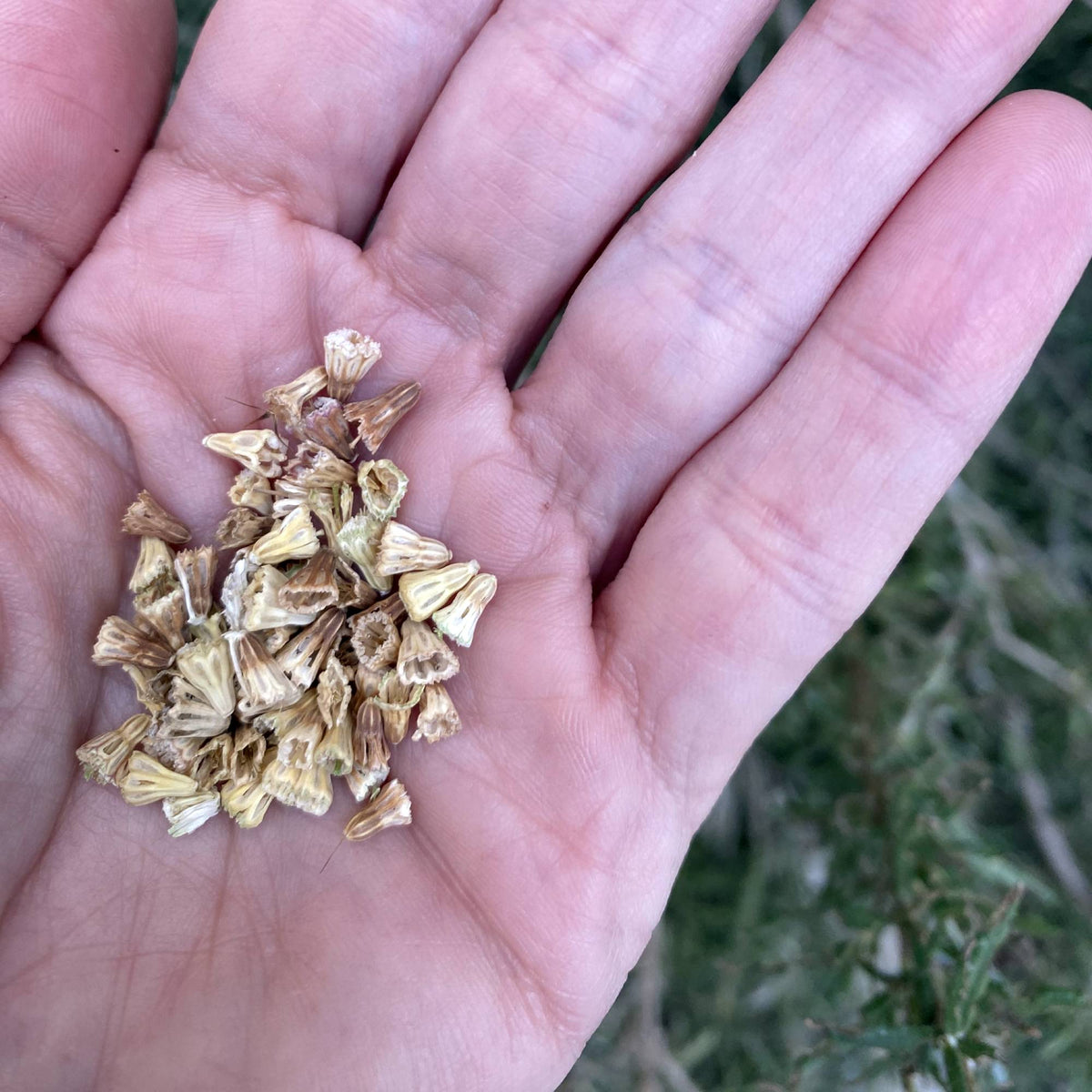
How Long Does It Take to Grow a Bonsai From Seed?
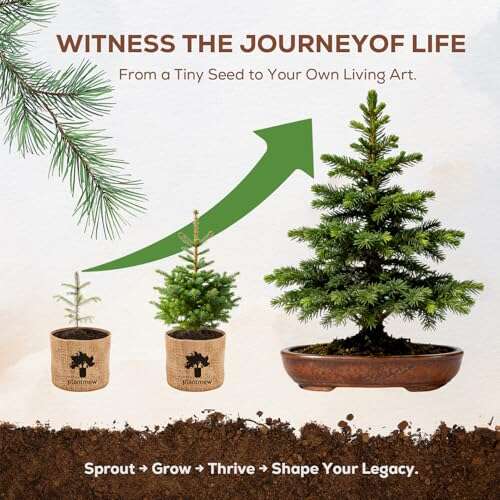
Growing a bonsai from seed is a long project. Germination may take days, weeks, or several months, depending on the species and treatment. Developing a mature bonsai can take many years.
The first stage is not styling. It is basic plant health. The seedling needs strong roots, enough light, correct moisture, and protection from pests.
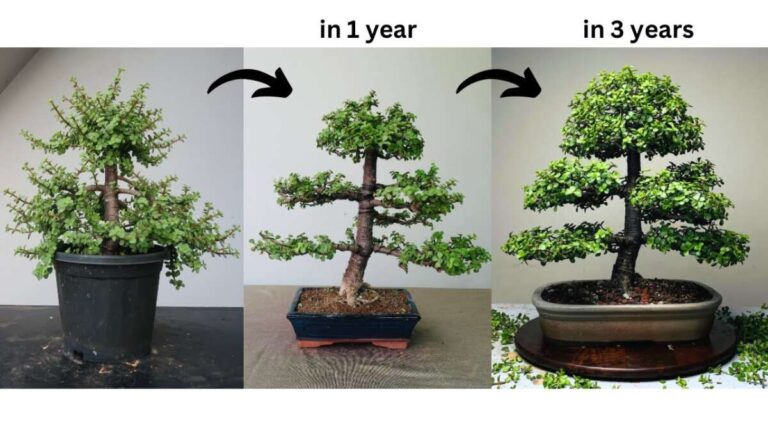
During the early years, growers may allow the trunk to grow freely. This helps create thickness. Later, they can begin root pruning, trunk training, branch selection, and wiring.
A seed-grown bonsai offers a special reward because you see the tree’s entire life in miniature. It also requires patience. If you want an older-looking bonsai soon, a nursery-grown pre-bonsai may be a better choice.
What Do Bonsai Seeds Look Like in Online Photos?
Online photos can be helpful, but they may also mislead you. A close-up image can make a tiny seed look large, and some sellers use photos of the fruit, cone, or mature tree instead of the seed.
When comparing photos, look for:
• A ruler or coin for scale
• Several seeds shown together
• The seed beside its cone, pod, or fruit
• A clear species name
• Natural color and texture
• Information about fresh and mature seeds
Search for the botanical name along with terms such as “seed,” “samara,” “cone seed,” or “acorn.” This gives better results than searching only for “bonsai seeds.”
Keep in mind that natural variation is normal. Seeds from one tree may not all have the same shade, size, or shape. A small difference does not always mean the seed is wrong.
Frequently Asked Questions About What Do Bonsai Seeds Look Like
What do bonsai seeds look like?
Bonsai seeds look like normal seeds from the tree species used for bonsai. They may be winged, round, flat, hard, tiny, or enclosed in a cone, pod, fruit, or nut.
Are bonsai seeds special or genetically miniature?
No. Bonsai seeds are not usually genetically miniature seeds. Bonsai size comes from training, pruning, root control, pot size, and careful growing conditions.
What color are bonsai seeds?
Bonsai seeds may be green, tan, brown, gray, black, cream, or reddish brown. The correct color depends on the species and whether the seed is mature.
How can I identify bonsai seeds?
Start with the tree species, then compare the seed’s size, shape, color, and outer coat with reliable botanical images. A trusted seller should provide the common name and botanical name.
Can I grow a bonsai from any tree seed?
Many woody trees can be trained as bonsai, but not every species is practical for beginners. Choose a tree that suits your climate, light level, available space, and patience.
Do bonsai seeds need to be soaked?
Some seeds benefit from soaking, but others do not. Follow instructions for the exact species because long soaking can damage small or sensitive seeds.
How long do bonsai seeds take to sprout?
Germination may take a few days, several weeks, or many months. Temperature, seed freshness, dormancy, moisture, and species all affect the timing.
Conclusion
Bonsai seeds look like ordinary seeds from trees such as maples, pines, junipers, oaks, elms, and ficus. Their shape may be winged, round, flat, dark, pale, hard, or very small, but the tree species determines their appearance. The seed does not create the bonsai form; patient training does.
Before planting, confirm the species, inspect the seed for damage, learn its dormancy needs, and buy from a transparent seller. Start with a tree suited to your climate, then give it time, light, water, and steady care. Explore trusted growing guides, try a suitable species, and share your bonsai seed experience with other growers.

Laura Bennett is a gardening writer at MyGardenLabs who creates beginner-friendly guides focused on solving common plant care and gardening problems.