How To Care For An Azalea Bonsai: Easy Care Guide
Water your azalea bonsai evenly, provide bright filtered light, acidic soil, good humidity, and regular pruning.
Learning how to care for an azalea bonsai means understanding its natural needs as a flowering shrub. Azaleas prefer moist roots, acidic conditions, cool air, and protection from harsh sun. With the right routine, even a beginner can keep an azalea bonsai healthy and full of flowers.
This guide explains how to care for an azalea bonsai through every season. It covers watering, light, soil, feeding, pruning, repotting, pests, diseases, and common mistakes. The advice applies mainly to Satsuki azaleas, such as Rhododendron indicum, which are among the most popular azalea bonsai types.

Understanding the Azalea Bonsai
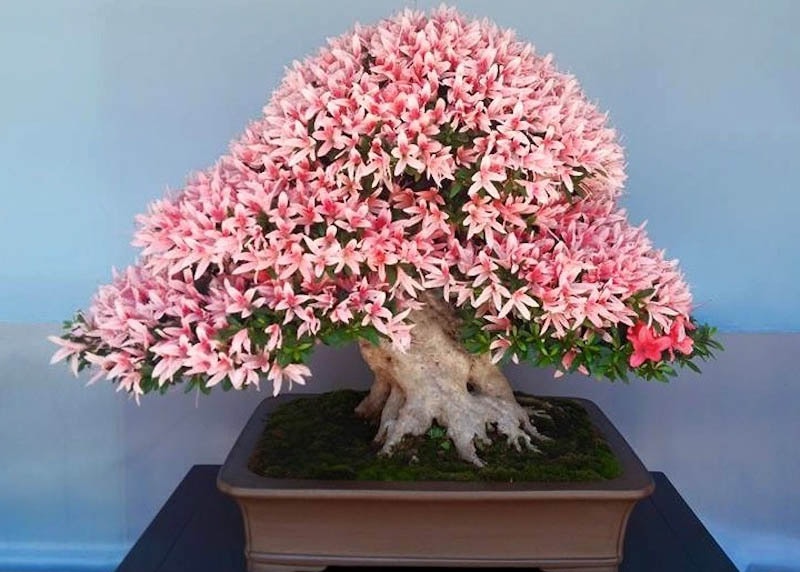
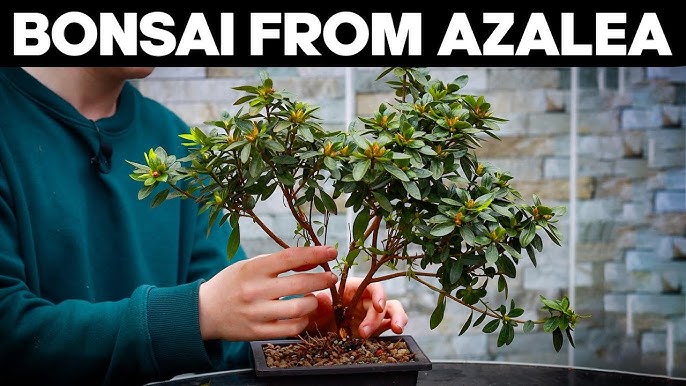
An azalea bonsai is a small tree or shrub trained in a container. It is not a special dwarf species. Instead, growers shape naturally small-leaved azaleas through pruning, wiring, root work, and careful watering.
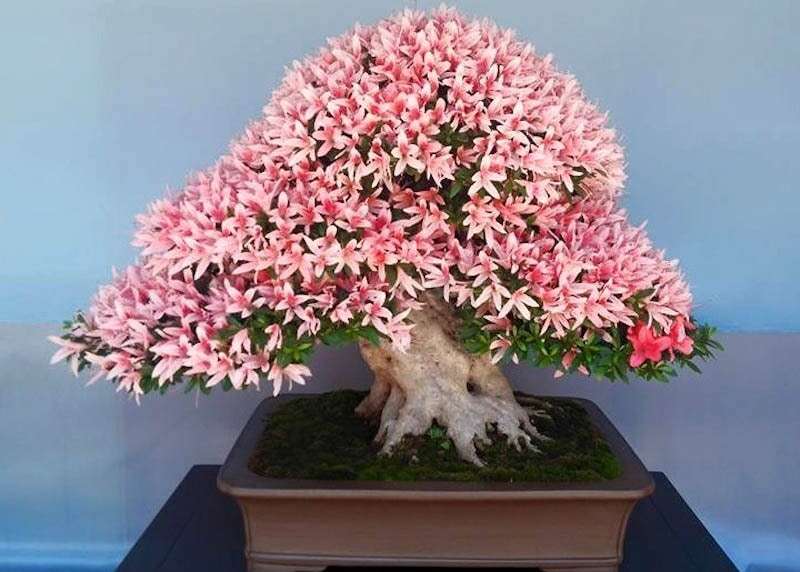
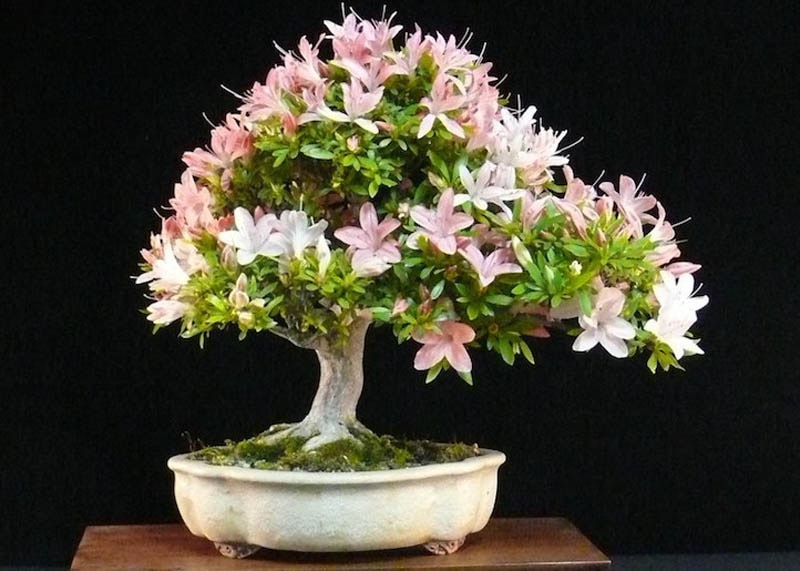
Satsuki azaleas are especially popular because they produce many flowers in late spring and early summer. Their blooms may be white, pink, red, purple, or multicolored. Kurume azaleas are also used for bonsai and often have smaller leaves and dense growth.
Azaleas belong to the Rhododendron family. This explains several important care needs:
• They prefer acidic soil, usually with a pH near 4.5 to 6.0.
• Their fine roots dislike drying out.
• Their shallow roots can suffer from heat and frost.
• Their flowers can fade in strong afternoon sun.
• Their leaves and roots respond poorly to heavy mineral buildup.
A healthy azalea bonsai has firm leaves, steady new growth, and clean roots. Some leaf drop may occur after flowering or during seasonal changes, but sudden yellowing, wilting, or black roots signals a problem.
How to Care for an Azalea Bonsai: Daily Needs
The best care routine is simple and regular. Check the tree often, but avoid changing several conditions at once. Azalea bonsai respond better to steady care than to sudden corrections.
Use this quick daily check:
-
Touch the soil surface with one finger.
-
Look for wilted, curled, yellow, or spotted leaves.
-
Check whether the pot drains freely.
-
Remove dead flowers and fallen leaves.
-
Inspect the undersides of leaves for insects.
A bonsai should not be treated like a houseplant that can sit on a windowsill and receive occasional water. Its small pot holds little moisture, so conditions can change quickly. On a hot, dry day, the tree may need water twice. On a cool, cloudy day, it may need much less.
How to care for an azalea bonsai well depends on observation. The calendar can guide you, but the soil and tree tell you what to do.

Watering an Azalea Bonsai
Watering is the most important part of learning how to care for an azalea bonsai. The soil should stay evenly moist, but it should never remain flooded. A dry root ball can damage fine roots within a short time.
Check the soil every day during warm weather. When the surface begins to feel slightly less moist, water slowly until water flows from the drainage holes. Wait a minute, then water again. This second watering helps wet the center of the root ball.
Use a watering can with a fine rose. A strong stream may wash soil away and expose roots. It can also damage flowers and compact the soil.
Water quality matters
Azaleas are sensitive to alkaline water and salt buildup. If your tap water is hard, consider:
• Rainwater collected in a clean container
• Filtered water
• Reverse osmosis water
• Tap water that has been tested for high mineral content
Do not assume that letting tap water sit overnight removes minerals. This may allow chlorine to dissipate, but it does not remove calcium or other dissolved salts.
Avoid keeping the pot in a saucer of standing water. A brief drain after watering is fine, but constant water around the roots can cause root rot.
A practical lesson many growers learn is that both drought and overwatering look similar at first. Leaves may wilt in both cases. Always check the soil and roots before adding more water.
Best Light for an Azalea Bonsai
Azalea bonsai need bright light, but many struggle in intense afternoon sun. Morning sun and filtered light are often ideal. In hot regions, give the tree shade from the strongest midday rays.
Outdoor placement usually works best during the growing season. Choose a spot with:
• Bright morning light
• Protection from strong wind
• Good air movement
• Afternoon shade in hot climates
• Shelter from reflected heat near walls or concrete
Too little light can cause weak growth, long shoots, and fewer flowers. Too much sun may scorch leaves and cause flowers to fade quickly.
Indoor growing is difficult for most azalea bonsai. Indoor air is often warm and dry, while light levels are too low. If you must keep one indoors for a short period during flowering, place it near a bright window and keep it away from heating vents.
After flowering, return the tree outdoors when temperatures are safe. Make this change gradually so the leaves can adjust.
Choosing the Right Soil and Pot
Good soil is central to how to care for an azalea bonsai because the roots need both moisture and air. Ordinary garden soil is usually too dense for a bonsai pot. It can hold excess water, restrict oxygen, and collapse around fine roots.
Use a soil mix made for acid loving plants and bonsai. Common ingredients include:
• Kanuma, a light acidic soil often used for azalea bonsai
• Fine pine bark
• Pumice
• Lava rock
Kanuma is popular because it holds moisture while allowing air to reach the roots. It breaks down over time, so inspect the soil during repotting.
The pot must have large drainage holes. A shallow bonsai pot is suitable only when the root system is healthy and the watering routine is reliable. A tree in a very shallow pot may dry faster than a tree in a deeper training container.
Do not place a thick layer of gravel at the bottom of the pot. This does not improve drainage and may create a wet layer above the gravel. A uniform, well graded soil mix works better.

Feeding an Azalea Bonsai
Azalea bonsai need nutrients during active growth, but overfeeding can burn roots and produce weak shoots. Use a fertilizer made for acid loving plants or a balanced bonsai fertilizer.
Apply fertilizer during the growing season according to the product label. Reduce or stop feeding when the tree is dormant or under stress. Never fertilize a severely wilted, freshly repotted, or diseased tree.
Useful choices include:
• A slow release organic fertilizer for steady nutrition
• A dilute liquid fertilizer during active growth
• An acid forming fertilizer when soil pH is too high
Do not assume that more fertilizer creates more flowers. Excess nitrogen can encourage leaves and shoots at the expense of blooms. It may also make soft growth that attracts pests.
Water the tree before applying liquid fertilizer if the soil is dry. This reduces the risk of root damage. Flush the soil with clean water from time to time to reduce salt accumulation.
Pruning and Shaping an Azalea Bonsai
Pruning keeps an azalea bonsai compact and helps preserve its flower display. The best time for major pruning is usually just after flowering. This gives the tree time to form new flower buds for the next season.
Remove:
• Dead or damaged branches
• Shoots growing from the trunk base
• Branches that cross or rub
• Weak growth inside the canopy
• Spent flowers and developing seed pods
Azaleas often produce new shoots near the ends of branches. Pruning too late may remove next year’s flower buds. For this reason, avoid heavy pruning once new buds have formed.
Pinch or trim long shoots while they are still soft. Use clean, sharp scissors. Make cuts just above a healthy leaf cluster or branch junction.
Wiring an azalea bonsai
Azalea branches can be brittle, especially older branches. Wire young branches with care, and check the wire often during rapid growth. Remove it before it cuts into the bark.
Guy wires may be safer for thick or delicate branches. Move slowly and avoid forcing a branch into a sharp bend. Azaleas can heal slowly after large cuts, so plan the final shape before removing major limbs.

Flowering Care and Deadheading
Flowers are the main attraction of an azalea bonsai, but blooming also uses a great deal of energy. Remove faded flowers as soon as they lose their color. Pinch off the flower and its small seed structure without damaging nearby leaves or buds.
During bloom, protect the tree from:
• Harsh afternoon sun
• Strong wind
• Heavy rain
• Sudden temperature changes
Do not repot, heavily prune, or dramatically change the tree’s location while it is flowering. Small adjustments are fine, but major work can cause stress and shorten the bloom period.
A mature azalea bonsai may not flower well after severe pruning. This is not always a sign of poor health. It may simply need time to rebuild its branch structure and flower buds.
Repotting an Azalea Bonsai
Repotting refreshes the soil, improves drainage, and gives the roots room to remain healthy. Young azalea bonsai may need repotting every one or two years. Older trees may need it less often, depending on growth and soil condition.
The safest time is usually after flowering, before strong summer heat. In mild climates, early spring can also work before new growth begins. Avoid repotting during extreme heat, freezing weather, or active flowering.
Follow these steps:
-
Prepare fresh acidic bonsai soil and a clean pot.
-
Remove the tree gently from its container.
-
Inspect the roots for black, soft, or foul smelling sections.
-
Loosen compacted soil around the outer roots.
-
Trim only damaged or excessive roots.
-
Place the tree at its original depth.
-
Fill the spaces with fresh soil.
-
Water thoroughly.
-
Keep the tree in bright shade while it recovers.
Azalea roots are fine and fibrous. They do not always tolerate aggressive root pruning. When in doubt, remove less root and allow the tree to recover.
Seasonal Azalea Bonsai Care
Knowing how to care for an azalea bonsai through the seasons prevents many problems. The tree’s needs change as temperature, light, and growth rate change.
Spring
Spring is a time of new growth and flower development. Increase watering as the tree becomes more active. Protect swelling buds from late freezes.
After flowering, remove spent blooms and prune unwanted growth. This is often the best period for repotting and shaping.
Summer
Summer heat can dry a shallow pot very fast. Check moisture every morning and again later in the day when temperatures are high.
Provide afternoon shade in hot areas. Place the pot on a cool bench rather than on hot pavement. Mulch should not be piled against the trunk, but a clean, damp growing area can help reduce heat stress.
Fall
Growth slows in fall, so water less often but do not let the soil become completely dry. Reduce fertilizer as the tree prepares for dormancy.
Clean fallen leaves from the soil surface. They can hide insects and fungal problems.
Winter
Azalea bonsai need protection from severe cold, especially when grown in shallow pots. A dormant tree may tolerate more cold than an actively growing tree, but the roots remain vulnerable.
In cold regions, place the tree in an unheated garage, cold frame, or sheltered area. Avoid warm indoor rooms, which can interrupt dormancy and create dry air.
Common Azalea Bonsai Problems
Problems often come from an imbalance in water, light, soil, or air movement. The sooner you identify the cause, the easier the recovery.
Yellow leaves
Yellow leaves may result from overwatering, poor drainage, high soil pH, low nutrients, or natural aging. Check the roots and test the soil before adding fertilizer.
Brown leaf edges
Brown edges often point to dry roots, hot wind, low humidity, or salt buildup. Improve watering consistency and flush the soil if mineral salts appear on the surface.
Leaf drop
Azaleas may drop leaves after a sudden move, temperature change, drought, or pest attack. Check for spider mites, root damage, and changes in light.
No flowers
Poor flowering may result from late pruning, too little light, excess nitrogen, or immature growth. Review the previous season’s care because flower buds form well before they open.
Root rot
Root rot causes weak growth, wilting, dark roots, and a sour smell. Remove damaged roots, replace soggy soil, and correct the drainage problem.
Azalea Bonsai Pests and Diseases
Inspect your tree weekly. Early detection is safer than trying to rescue a severely damaged plant.
Common pests include:
• Spider mites, which cause fine speckling and webbing
• Aphids, which cluster on soft new growth
• Scale insects, which appear as small bumps on stems and leaves
• Vine weevil larvae, which can damage roots
• Caterpillars, which chew holes in leaves
Use a strong but gentle spray of water for minor infestations. Horticultural oil or insecticidal soap may help when used according to the label. Test any product on a small area first, especially during hot weather.
Fungal diseases may appear when leaves stay wet and air movement is poor. Water the soil rather than repeatedly wetting the foliage. Remove infected leaves and improve spacing around the tree.
Avoid using broad pesticide treatments without identifying the pest. Beneficial insects can be harmed, and the treatment may not solve the actual problem.
Humidity, Airflow, and Placement
Azalea bonsai enjoy moderate humidity, but constantly wet foliage can increase disease risk. Outdoor air movement usually provides a better balance than a closed indoor room.
A humidity tray can help near a dry indoor environment, but the pot should sit above the water on stones. The drainage holes must not remain submerged.
Keep the tree away from:
• Heating and cooling vents
• Hot glass in direct summer sun
• Strong drafts
• Crowded plant shelves
• Areas with stagnant air
Humidity is helpful, but it cannot replace watering. A humid room does not make dry roots safe. Always check the soil directly.
Mistakes to Avoid
Many problems become easier to prevent once you know the common errors.
• Letting the soil become bone dry
• Keeping the pot in standing water
• Using alkaline garden soil
• Placing the tree in harsh afternoon sun
• Pruning after flower buds have formed
• Feeding a sick or dry tree
• Repotting during extreme weather
• Moving the tree suddenly from shade into full sun
• Using a pot without enough drainage
• Ignoring pests until leaves begin to fall
The most useful habit is to make small corrections. If the soil is too wet, improve drainage and wait before watering again. If the leaves scorch, provide shade. Avoid reacting with several drastic changes at once.
A Simple Azalea Bonsai Care Schedule
A written schedule helps beginners build confidence. Adjust it to your climate, soil mix, and tree size.
Daily
Check soil moisture and observe the leaves. Water when the surface begins to dry, then drain the pot fully.
Weekly
Inspect leaves, stems, and roots near the soil line. Remove debris and look for insects or fungal spots.
Monthly
Check for fertilizer buildup and inspect wires. Turn the tree slightly if one side receives much more light.
After flowering
Remove spent flowers, prune unwanted shoots, and consider repotting if the soil has broken down.
Before winter
Reduce feeding, protect the roots from hard freezes, and move the tree to a sheltered location if needed.
This routine makes how to care for an azalea bonsai feel manageable. The tree does not need constant attention. It needs consistent attention.
Frequently Asked Questions About How to Care for an Azalea Bonsai
How often should I water an azalea bonsai?
Water when the soil surface begins to feel slightly dry, not according to a fixed weekly schedule. In hot weather, the tree may need water every day, while cool weather may require less frequent watering.
Can an azalea bonsai grow indoors?
An azalea bonsai can stay indoors briefly while flowering, but long term indoor care is difficult. It needs bright light, cool conditions, good airflow, and moderate humidity, so outdoor growing is usually more successful.
What is the best soil for an azalea bonsai?
Use a loose, acidic bonsai mix that drains well while holding some moisture. Kanuma combined with materials such as pine bark, pumice, or lava rock is a common choice.
When should I prune an azalea bonsai?
Prune mainly after flowering, before the tree forms the next season’s flower buds. Remove dead growth at any time, but avoid heavy pruning during active flowering or dormancy.
Why are the leaves on my azalea bonsai turning yellow?
Yellow leaves may come from overwatering, poor drainage, high soil pH, nutrient problems, or natural aging. Check the soil moisture, roots, and water quality before choosing a treatment.
Does an azalea bonsai need fertilizer in winter?
Usually, no. Growth slows during winter, so feeding may cause salt buildup or weak growth; resume fertilizer when the tree begins active growth.
How do I protect an azalea bonsai from frost?
Protect the shallow root system in a cold frame, sheltered outdoor area, or unheated garage when temperatures become severe. Keep the tree cool and dormant rather than moving it into a hot room.
Conclusion
Caring for an azalea bonsai becomes much easier when you focus on a few key needs: evenly moist acidic soil, bright filtered light, good drainage, seasonal feeding, careful pruning, and protection from temperature extremes.
Watch the tree closely, make small changes, and give it time to respond. With a steady routine, your azalea bonsai can remain healthy and reward you with dense foliage and brilliant flowers year after year. Try these steps this season, and share your growing experience or questions with other bonsai enthusiasts.

Laura Bennett is a gardening writer at MyGardenLabs who creates beginner-friendly guides focused on solving common plant care and gardening problems.