What Does A Dead Bonsai Tree Look Like: Key Signs
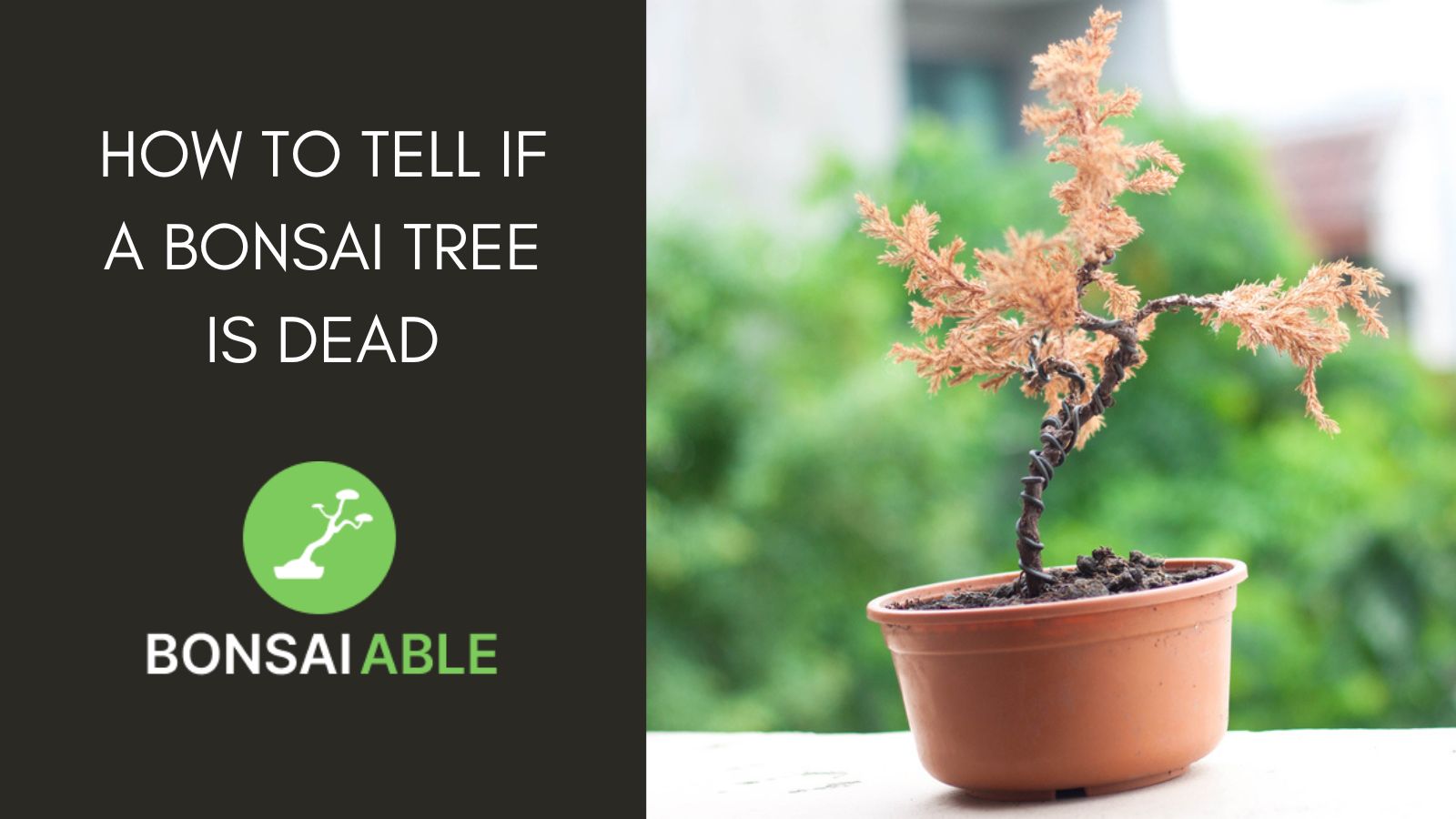
A dead bonsai tree usually has brittle brown branches, dry roots, dull leaves, and no green tissue beneath the bark.
Knowing what does a dead bonsai tree look like can save you from removing a tree that is only stressed, dormant, or suffering from poor care. Bonsai trees often recover slowly, so a careful check matters more than one fallen leaf or a bare branch. This guide explains the clear signs of death, how to test the tree, common causes, and what to do next.

What does a dead bonsai tree look like?
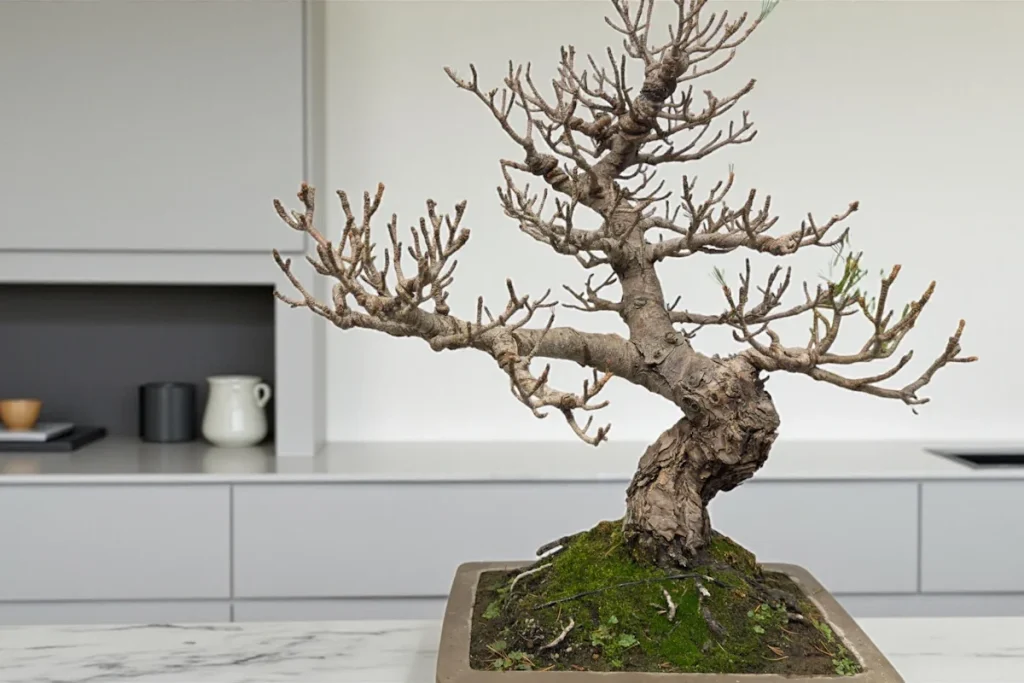
A dead bonsai tree often looks dry, brittle, and lifeless. However, the appearance can vary by species, season, and cause of decline. Some bonsai trees lose all their leaves during winter or after stress but remain alive.
The most reliable signs usually involve the branches, trunk, bark, roots, and cambium layer. Look for several signs together rather than relying on one symptom.
Common signs include:
• All leaves are brown, crispy, or absent for an unusually long time
• Small twigs snap instead of bending
• New buds fail to open
• The bark becomes loose, cracked, or shriveled
• The trunk feels soft, hollow, or rotten
• The soil smells sour or rotten
• The roots are black, mushy, or dry and brittle
• The tree shows no green tissue under the bark
A dead bonsai tree may still have brown leaves attached to its branches. This can make it seem alive at first glance. Dead leaves can remain on the tree for weeks, especially after drought, frost, or sudden root damage.
The key is to inspect the living tissue. A bonsai with dry leaves but green tissue may still recover. A bonsai with gray, brittle wood and no green cambium is far less likely to survive.

Early warning signs of a dying bonsai tree
A dying bonsai tree often shows warning signs before it reaches the point of death. Acting early can make the difference between recovery and permanent loss.
Watch for changes in the leaves. Yellow leaves may point to overwatering, poor drainage, nutrient problems, or natural aging. Brown leaf tips often suggest dry air, underwatering, root damage, or salt buildup in the soil.
Other early warning signs include:
• Leaves dropping outside the tree’s normal seasonal pattern
• Leaves becoming smaller, pale, or weak
• New growth stopping suddenly
• Branches losing flexibility
• Soil staying wet for many days
• Soil pulling away from the pot edge
• A leaning trunk caused by weak or decayed roots
• White crusts on the soil from mineral buildup
• Tiny insects, webbing, or sticky residue
A tree that looks unhealthy is not always dead. For example, a juniper may stay green for some time after serious root damage. This delayed decline is sometimes called “sudden death,” although the problem began weeks or months earlier.
Maple, elm, ficus, jade, and juniper bonsai trees also respond differently to stress. A ficus may drop leaves after a move and later regrow them. A juniper may show fewer obvious symptoms while its roots decline.
How to tell if a bonsai tree is dead
Use a few simple tests to determine whether the tree is alive. Handle the bonsai gently. A weak tree can suffer more damage from rough testing.
The scratch test
The scratch test is one of the easiest ways to check a bonsai tree.
Use a clean fingernail or a sterilized knife to make a small scratch on a thin twig. Do not cut deeply. Look just beneath the outer bark.
• Green or moist tissue usually means the twig is alive
• Cream-colored tissue may indicate living wood in some species
• Brown, gray, or dry tissue suggests the twig is dead
Test several areas. Start with the newest twigs, then check thicker branches closer to the trunk. A single dead branch does not mean the entire bonsai is dead.
If the branch is dead but the trunk has green tissue, prune only the dead section. Cut back gradually until you reach healthy wood.
The flexibility test
Living twigs often bend slightly before breaking. Dead twigs tend to snap cleanly and feel dry.
Do not force a thick branch. A living branch can still break if bent too far. Use this test only on small twigs that you would likely prune anyway.
The bud test
Look closely at dormant buds. A healthy dormant bud may be firm and slightly plump. Dead buds often look dry, shriveled, or black.
During the growing season, a healthy bonsai should show some signs of new growth if its roots and branches are functioning well. Lack of growth alone does not prove death, especially in winter or after repotting.
The root test
Roots provide strong clues. Slide the tree gently from its pot if the soil condition suggests serious trouble.
Healthy roots are usually firm and light-colored, tan, or cream. Some species have naturally darker roots, so texture matters more than color.
Dead or rotting roots may be:
• Black and mushy
• Dry and hollow
• Brittle and easy to pull apart
• Covered with a foul smell
Do not remove the root ball just to inspect it if the tree is already weak. Disturbing roots can add stress. Use this test when you already need to repot because of root rot, compacted soil, or a damaged container.

Dead bonsai tree versus dormant bonsai tree
Many people mistake dormancy for death. This is common with deciduous bonsai such as maple, elm, beech, and pomegranate.
During dormancy, a healthy tree may lose its leaves and stop growing. Its branches should still have some flexibility, and the cambium may remain green beneath the bark. The roots also stay firm, even though the top of the tree looks bare.
A dead bonsai tree usually has no living tissue in the trunk or major branches. Its twigs become dry and brittle. The roots may also decay or shrivel.
Use these clues to compare dormancy and death:
| Sign | Dormant bonsai | Dead bonsai |
|---|---|---|
| Leaves | Naturally absent in season | Brown, crispy, or abnormal loss |
| Twigs | Flexible or firm | Brittle and easy to snap |
| Buds | Firm and viable | Dry, black, or shriveled |
| Cambium | Green or moist | Brown, gray, or dry |
| Roots | Firm and healthy | Mushy, rotten, or brittle |
| Soil smell | Earthy | Sour or foul |
| New growth | Returns in season | Never returns |
Evergreen bonsai trees, such as junipers and many pines, need extra care during diagnosis. They do not always drop their needles quickly after root failure. A green-looking juniper may already be severely damaged.
Wait for the proper growing season before declaring a dormant tree dead. Protect it from frost, strong wind, and extreme drought while you observe it.

Why does a bonsai tree die?
Understanding the cause helps prevent the same problem with your next tree. Most bonsai deaths come from root problems, watering mistakes, poor light, extreme temperatures, pests, or incorrect pruning.
Overwatering and root rot
Overwatering is one of the most common causes of bonsai decline. The issue is not simply “too much water.” Poor drainage prevents oxygen from reaching the roots.
Roots need both water and air. When the soil stays soaked, roots may suffocate and rot. The leaves can then wilt, yellow, or fall, even though the soil feels wet.
Signs of root rot include:
• Wet soil that does not dry between watering
• Yellowing leaves and weak growth
• A foul smell from the pot
• Black, soft roots
• A swollen or soft trunk base
Use a bonsai soil mix that drains well. Water thoroughly when the soil begins to dry, then allow excess water to leave through the drainage holes.
Underwatering
A small bonsai pot holds limited moisture. Hot sun, dry indoor air, and wind can dry the root ball quickly.
Underwatered bonsai trees may have curled leaves, crispy edges, dry soil, and brittle twigs. If the root ball becomes completely dry, water may run down the sides without soaking the center.
A very dry tree may need slow watering from above. In severe cases, place the pot in a shallow tray of water for a short period, then let it drain fully. Do not leave the pot sitting in water for hours.
Poor light
Most bonsai trees need strong light, but the correct amount depends on the species. Indoor bonsai trees often decline because they sit far from a bright window.
Low light can cause long, weak growth and leaf loss. It can also slow soil drying, which increases the risk of root rot.
Outdoor species such as juniper, pine, and maple usually need outdoor conditions. Keeping them indoors for long periods can lead to gradual decline.
Temperature stress
Freezing temperatures can kill roots in a shallow bonsai pot. Sudden heat can dry the tree quickly. Cold drafts, heaters, and air conditioners can also stress indoor species.
Protect bonsai trees from sudden changes. Learn the temperature needs of the exact species rather than treating every bonsai the same way.
Pests and disease
Spider mites, scale, aphids, and fungal diseases can weaken a bonsai. Heavy infestations may cause leaf loss, sticky leaves, distorted growth, or branch dieback.
Inspect the undersides of leaves and the joints between branches and the trunk. Isolate an affected tree so pests do not spread to other plants.
Root damage and repotting stress
Repotting at the wrong time or removing too many roots can cause severe decline. A bonsai needs enough healthy roots to support its canopy.
After repotting, place the tree in a protected location. Avoid heavy fertilizer until new growth shows that the roots have begun to recover.

Can a dead bonsai tree be revived?
You cannot revive a bonsai after all living tissue has died. However, many trees that look dead still have life in the roots, trunk, or lower branches.
Before giving up, check the cambium in several places. If you find green tissue, remove only clearly dead wood and correct the care problem. Do not prune healthy branches simply because they have no leaves yet.
Try these recovery steps:
-
Move the bonsai to the right light for its species.
-
Check the soil moisture with your finger or a wooden stick.
-
Improve drainage if water remains in the pot.
-
Remove standing water from the saucer.
-
Protect the tree from harsh wind and extreme heat.
-
Treat visible pests with an appropriate product.
-
Avoid fertilizer while the tree is severely stressed.
-
Wait several weeks for signs of buds or new growth.
Patience matters. A damaged bonsai may need weeks or months to recover. Excessive pruning, repeated repotting, and heavy feeding can finish a tree that was still capable of recovery.
In my experience, the most common mistake is watering on a fixed schedule. Bonsai soil can dry at different speeds depending on weather, pot size, soil type, and tree species. Checking the soil each day is safer than watering every Monday or every other day.
.jpg)
What to do with a dead bonsai tree
If your tests show no green tissue in the trunk, branches, or roots, the bonsai is likely dead. Remove it from nearby plants, especially if you suspect pests or disease.
Do not automatically reuse the old soil. It may contain root pathogens, pests, or a harmful buildup of fertilizer salts. Clean the pot with hot soapy water and disinfect tools before using them on another tree.
You can handle the remains in several ways:
• Compost healthy dead plant material if local compost rules allow it
• Dispose of diseased material in household waste
• Keep the pot as a decorative container after cleaning it
• Use the dead trunk for a natural display if no pests or disease are present
• Reuse the container only after checking its drainage holes
Think of the loss as useful information rather than a total failure. Note the tree species, light level, watering pattern, soil type, and recent weather. These details can help you avoid the same problem with your next bonsai.
How to prevent a bonsai tree from dying
Prevention begins with choosing a tree that suits your climate and indoor or outdoor space. A tropical ficus may work well indoors near a bright window, while a juniper generally needs to live outdoors.
Follow a simple care routine:
• Identify the exact bonsai species
• Give it the light that species needs
• Water based on soil moisture, not the calendar
• Use a pot with open drainage holes
• Choose a fast-draining bonsai soil mix
• Fertilize during active growth with care
• Inspect leaves and roots for pests
• Prune with clean tools
• Repot when the soil breaks down or roots fill the pot
• Protect the tree from extreme cold and heat
Avoid placing a bonsai beside a heater, above a radiator, or in a dark room. These locations can create dry air and uneven moisture.
A good bonsai routine is much like checking on a pet. Look at the leaves, feel the soil, and notice small changes. Early action is easier than emergency rescue.
Common mistakes when diagnosing a dead bonsai tree
Several mistakes can lead to a wrong diagnosis. The biggest is judging the tree by its leaves alone.
Leaf loss can follow moving, repotting, cold exposure, sudden light changes, or underwatering. Some trees also lose leaves naturally during dormancy.
Avoid these errors:
• Do not assume a leafless tree is dead
• Do not scratch deeply into the trunk
• Do not bend large branches to test them
• Do not water constantly because the leaves look dry
• Do not fertilize a tree with badly damaged roots
• Do not repot repeatedly while waiting for recovery
• Do not keep outdoor species indoors without checking their needs
• Do not prune every brown-looking branch at once
Species identification is important. A bare Japanese maple in winter may be healthy, while a bare tropical ficus in summer needs closer inspection. When the diagnosis is uncertain, a local bonsai club, extension office, or experienced nursery can provide a second opinion.
Frequently Asked Questions About What Does a Dead Bonsai Tree Look Like
What does a dead bonsai tree look like in winter?
A dead bonsai tree in winter may have dry, brittle twigs, shriveled buds, and no green tissue under the bark. A healthy deciduous bonsai can also be leafless, so check the branches and buds before deciding it is dead.
Can a bonsai tree look dead but still be alive?
Yes. A bonsai may lose all its leaves after drought, repotting, cold, or a sudden change in light. Perform a light scratch test on several branches and look for green, moist tissue.
How do I know if my bonsai tree has root rot?
Root rot often causes wet soil, yellow leaves, weak growth, and a sour smell. If you inspect the roots, rotted roots are usually soft, black, and easy to tear apart.
Should I remove brown leaves from a dying bonsai?
You can remove fully dead leaves, but do not strip healthy buds or branches. Removing loose debris improves airflow and lets you monitor new growth, but it will not fix the underlying cause.
How long can a dead-looking bonsai take to recover?
Recovery time depends on the species and the damage. A mildly stressed tree may show improvement within weeks, while a tree with root damage may need several months.
Can a bonsai tree grow back after losing all its leaves?
It can, if the roots, trunk, or buds remain alive. Correct the watering, light, and temperature problems, then wait for new growth instead of pruning aggressively.
Is a bonsai tree dead if the trunk is brown?
Not always. Many bonsai trunks have naturally brown or gray bark, so color alone is not useful; check for green tissue beneath a small area of bark and inspect the branches and roots.
Conclusion
What does a dead bonsai tree look like? It usually has brittle wood, dry or absent leaves, shriveled buds, damaged roots, and no green tissue beneath the bark. Still, a leafless or weak bonsai may be dormant or stressed, so use several tests before removing it.
Check the scratch test, inspect the soil, study the roots when appropriate, and match your diagnosis to the tree’s species and season. With careful observation and steady care, you may save a bonsai that only appears to be dead. Explore more species-specific care guides, and share your bonsai recovery experience with other growers.

Laura Bennett is a gardening writer at MyGardenLabs who creates beginner-friendly guides focused on solving common plant care and gardening problems.