
Best Soil Mix For Juniper Bonsai: Create Healthy Roots
The best soil mix for juniper bonsai drains fast, holds air, and keeps roots lightly moist without staying wet.
A juniper bonsai can look healthy one week and fade the next when its soil turns heavy and soggy. I have seen this problem often with garden soil and rich indoor potting mix. Junipers need a gritty home that lets water run out and oxygen reach the roots. The mixes below use materials such as pumice, lava rock, akadama, clay, and bark. I compare their texture, drainage, value, and ease of use so you can choose with confidence.
Perfect Plants Bonsai Soil

Perfect Plants Bonsai Soil is a simple choice for growers who want a ready-to-use organic mix. Its small two-quart size suits one or two young junipers. The blend aims to balance drainage with enough moisture for steady root growth. I like this format for a first repot because it removes the guesswork of measuring several raw materials.
The mix is more forgiving than plain garden soil, yet I would still check the particles before use. Juniper roots need air, and fine dust can reduce air space in a small pot. A quick screen or rinse can improve the texture if the bag contains excess fines. For many beginners, this is a practical starting point for the best soil mix for juniper bonsai.
Pros:
- Ready to use from the bag
- Organic materials support a natural root environment
- Useful two-quart size for small bonsai
- More forgiving than ordinary potting soil
- Good option for new bonsai owners
Cons:
- May contain more fine material than a very gritty mix
- Small bag may not cover several repots
- Drainage can vary with watering habits
My Recommendation
I recommend this mix to beginners, gift buyers, and owners of small junipers who want convenience. It works best when the pot has open drainage holes and the tree receives bright light with good air movement. If you grow in a wet climate, add pumice or lava rock to increase drainage. Its value is strongest for small projects and quick, low-stress repotting.
| Best for | Why |
|---|---|
| First-time growers | It comes ready to use and needs little planning. |
| Small juniper bonsai | The two-quart bag fits small pots and light projects. |
| Organic growers | Its organic base suits gardeners who prefer natural materials. |
The Bonsai Supply Fast-Draining Mix
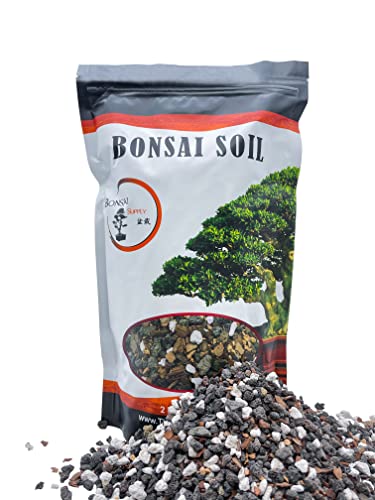
This pre-blended mix combines pumice, lava, calcined clay, and pine bark. That is a strong ingredient list for a juniper because each part serves a clear purpose. Pumice adds pores and stores a little water. Lava rock adds weight and open gaps, while calcined clay helps hold nutrients without turning to mud.
The pine bark adds a touch of organic matter and can help the mix feel less harsh in a shallow pot. I would use this blend for established trees, nursery stock, and bonsai that need a clean, fast-draining root zone. It is also easier than building a recipe from separate bags. For many growers, this is a strong candidate for the best soil mix for juniper bonsai.
Pros:
- Contains four useful bonsai soil components
- Fast drainage helps reduce root rot risk
- Good balance of mineral and organic material
- Pre-mixed for quick repotting
- Works for indoor and outdoor bonsai setups
Cons:
- Particle size may not suit every tree
- Pine bark can break down over time
- Two quarts may be limited for larger trees
My Recommendation
I recommend this blend to growers who want a classic gritty mix without buying four separate products. It suits junipers in climates where rain or frequent watering keeps pots wet. Check the mix after opening, since a few trees need larger particles and others need smaller ones. Overall, it offers excellent convenience and a sound mineral base for the best soil mix for juniper bonsai.
| Best for | Why |
|---|---|
| Established junipers | The gritty blend supports air flow around older roots. |
| Wet climates | Mineral parts help water leave the pot quickly. |
| DIY-minded growers | It gives a useful recipe without separate mixing work. |
Spike & Bloom High-Drainage Bonsai Soil

This product offers a coarse, gritty soil in a larger seven-pound package. It is marketed for juniper, ficus, and maple, so it may fit a mixed bonsai collection. The slightly acidic profile can suit many container plants, while the high-drainage design targets the main danger junipers face: wet roots. The added mycorrhizal fungi may support root partnerships, though care and light still matter most.
The four-quart volume gives you more room to repot several small trees or one larger tree. I would choose it for growers who want extra soil on hand rather than a tiny trial bag. Do not treat the fungi as a cure for poor watering or weak light. Used with a free-draining pot, this blend is a serious option for the best soil mix for juniper bonsai.
Pros:
- Large four-quart working volume
- Designed for high drainage
- Useful for juniper and other bonsai species
- Slightly acidic profile suits many conifers
- Includes mycorrhizal fungi
Cons:
- May cost more than small basic mixes
- Coarse texture may need adjustment for tiny pots
- Benefits of fungi depend on overall tree care
My Recommendation
This is best for active bonsai growers, collectors, and people repotting more than one tree. I like the larger size and drainage focus for outdoor junipers exposed to rain. It can also save time when you keep several species. If you only own one small tree, the package may be more than you need, but its value is good for regular bonsai work.
| Best for | Why |
|---|---|
| Small collections | Four quarts provide enough mix for several containers. |
| Rainy regions | Its gritty structure helps limit prolonged wetness. |
| Root-focused care | Mycorrhizal fungi add a useful biological feature. |
Agralife Premium Bonsai Soil

Agralife offers four quarts of premium organic mix made for indoor bonsai trees. The larger bag is useful for growers who do not want to reorder soil after every repot. An organic blend can provide a gentle root setting, but junipers still need strong light and airflow indoors. No soil can replace the outdoor conditions that help a juniper thrive.
I see this as a flexible choice for indoor tree owners and gardeners who prefer organic materials. Before use, inspect the texture and remove very large bark pieces from a small bonsai pot if needed. Water only when the upper layer begins to dry, rather than following a fixed calendar. With careful watering, it can serve as the best soil mix for juniper bonsai in a controlled indoor setup.
Pros:
- Generous four-quart package
- Organic mix appeals to natural growers
- Made with indoor bonsai use in mind
- Useful for multiple repotting jobs
- Simple option for apartment gardeners
Cons:
- Indoor junipers still need strong direct light
- Organic parts may break down faster than mineral parts
- May retain more moisture than a pure gritty blend
My Recommendation
I recommend Agralife to indoor gardeners who can provide a bright window, grow light, and good air movement. It is a good fit for people who value organic ingredients and need four quarts. I would not place a juniper in a dark room just because the bag says indoor. For long-term health, use this mix with careful watering and regular outdoor time when weather allows.
| Best for | Why |
|---|---|
| Indoor bonsai owners | The product is designed around indoor tree care. |
| Organic gardeners | Its organic focus fits a natural growing plan. |
| Several small trees | The four-quart size gives useful spare soil. |
Professional Bonsai Soil Mix

This 2.2-quart professional bonsai mix is sized for a focused project. It may suit a single juniper, a small training pot, or a routine root refresh. A ready blend saves time and gives beginners a more consistent starting point than random soil from the yard. The small bag also helps prevent long storage, which can alter moisture and texture in organic products.
As with any commercial mix, I would look at particle size before filling the pot. A juniper needs an open structure, and particles should not pack into a smooth, dense layer. Add a little pumice or lava if your local weather stays wet. For a single-tree owner seeking the best soil mix for juniper bonsai, this is a practical mid-size choice.
Pros:
- Convenient ready-made blend
- Good size for one small tree
- Easy choice for routine repotting
- Less waste than a large bag
- Suitable for new and intermediate growers
Cons:
- Not ideal for a large bonsai collection
- Particle texture may need screening
- May need extra mineral material in wet areas
My Recommendation
I recommend this product for one-tree owners and growers testing a new soil plan. It offers a clean path between basic potting soil and a custom professional recipe. Use a mesh screen to remove dust, then water well after repotting. Its modest size and simple use make it a good value when you do not need bulk soil.
| Best for | Why |
|---|---|
| One small juniper | The 2.2-quart package avoids excess soil. |
| Trial repotting | It lets new growers test a ready mix with low waste. |
| Small training pots | The blend can be adjusted for compact containers. |
USA-Made Premium Mix with Akadama

Akadama is valued in bonsai because it holds moisture while keeping useful air gaps. This five-quart premium mix combines that quality with a high-drainage design. The USA-made format may appeal to buyers who want a larger, ready-to-use product. For junipers, akadama can help you see watering needs because its color changes as it dries.
One point matters: akadama slowly softens and breaks down, especially with repeated freeze and thaw cycles or constant wetness. That is not a flaw, but it means you should check the mix during future repots. I would choose this blend for serious hobbyists who want more control than ordinary soil offers. It is one of the strongest candidates for the best soil mix for juniper bonsai.
Pros:
- Includes useful akadama particles
- High-drainage design suits juniper roots
- Large five-quart volume
- Color changes can help guide watering
- USA-made product may support local supply goals
Cons:
- Akadama can break down over time
- Premium blends may cost more
- May need screening for the exact pot size
My Recommendation
I recommend this mix to intermediate growers who understand watering and want a premium akadama blend. It is especially useful for a growing collection or a valuable tree that needs a measured root zone. Watch drainage each season and repot when particles become soft or compact. The five-quart bag offers strong long-term value for dedicated bonsai keepers.
| Best for | Why |
|---|---|
| Intermediate growers | Akadama gives better control over moisture and air. |
| Valuable junipers | A structured mix supports careful root management. |
| Multiple trees | Five quarts cover a larger collection. |
Omitgoter Ready-to-Use Bonsai Mix

Omitgoter uses akadama, lava rock, pumice, and bark in a four-quart ready-to-use mix. This combination gives a useful balance of water holding, air space, weight, and organic matter. The mineral parts help keep the pot open, while bark adds a softer texture for young roots. It is a sensible all-around recipe for juniper and many indoor plants.
I like the mix for growers who want a broad ingredient base without blending it at home. The bark means the soil may hold more moisture than a mineral-only recipe, so adjust watering to your pot and climate. Screen large pieces for a small bonsai, and do not press the soil down hard. This blend can work well as the best soil mix for juniper bonsai when drainage remains fast.
Pros:
- Includes akadama, lava, pumice, and bark
- Ready to use without custom mixing
- Four-quart size suits several small pots
- Balanced texture for many bonsai types
- Mineral parts improve air space
Cons:
- Bark may retain extra moisture
- Large particles may need sorting
- Not a pure mineral mix for very wet sites
My Recommendation
I recommend Omitgoter to new and intermediate growers who want a balanced recipe. It works well for a mixed indoor plant shelf and a small juniper collection. In a humid region, mix in more pumice or lava rock before planting. Its broad ingredient list and fair volume make it a useful everyday option.
| Best for | Why |
|---|---|
| Mixed plant owners | The recipe can serve bonsai and some indoor plants. |
| Beginner repots | It comes blended and needs little preparation. |
| Balanced moisture needs | Akadama and bark hold water while rock keeps air gaps. |
Leaves & Soul Ready-to-Use Bonsai Soil
The Leaves & Soul mix stands out because it offers 8.2 quarts of ready-to-use soil. That volume makes sense for a collector, a bonsai club, or a grower who repots trees on a schedule. Buying in bulk can lower the cost per pot and keeps the same texture across your collection. A consistent mix also makes watering easier because you learn how it dries.
Large bags need proper storage. Keep the package sealed and dry, and avoid leaving it in rain or direct sun. Before planting a juniper, check for dust and match the particle size to the root ball. For regular bonsai work, this is a convenient contender for the best soil mix for juniper bonsai.
Pros:
- Extra-large 8.2-quart package
- Ready to use after a quick texture check
- Good value for several trees
- Consistent soil across repeat repots
- Useful for clubs and serious hobbyists
Cons:
- Too much soil for a single small tree
- Storage space is needed
- Texture may not fit every bonsai size
My Recommendation
I recommend this product for collectors and gardeners who repot often. The large package offers convenience and reduces repeated orders. It is less practical for a beginner with one tiny juniper, unless the soil can be shared with other plants. Store it well, inspect it before use, and adjust it with pumice when your climate calls for more drainage.
| Best for | Why |
|---|---|
| Bonsai collections | The large bag supports many repotting jobs. |
| Clubs and classes | One package can serve several growers. |
| Repeat users | A consistent mix simplifies long-term care. |
2.5-Quart Premium Akadama Mix

This 2.5-quart akadama mix offers a middle path between a sample bag and a bulk package. It fits a few small trees or one medium repot. The high-drainage design is important for junipers, which dislike stale, wet soil around their roots. Akadama also gives the surface a useful visual cue as moisture levels change.
I would use this blend in a shallow pot with a mesh-covered drainage hole. Do not add a thick gravel layer at the bottom; that can create a wetter zone above the layer instead of improving drainage. Instead, use a uniform particle mix from top to bottom. This is a strong small-batch choice for the best soil mix for juniper bonsai.
Pros:
- Useful 2.5-quart project size
- Includes moisture-managing akadama
- High drainage suits conifer roots
- Good fit for shallow bonsai pots
- Easy to store between uses
Cons:
- May not cover large containers
- Akadama needs monitoring as it ages
- Premium price may exceed basic soil mixes
My Recommendation
I recommend this mix to growers who want akadama but do not need five or eight quarts. It is a smart size for one or two small junipers and makes a good first premium upgrade. Check the soil after heavy rain and let the surface guide watering. Its compact package offers good value for careful hobbyists.
| Best for | Why |
|---|---|
| Small premium projects | It provides akadama without a large leftover bag. |
| Shallow pots | High drainage helps protect roots in low containers. |
| Careful waterers | Akadama helps show when the mix is drying. |
Omitgoter One-Quart Bonsai Mix

This one-quart Omitgoter mix uses the same useful style of ingredients as its larger counterpart: akadama, lava rock, pumice, and bark. The small bag works well for a single young juniper or a small bonsai pot. It lets new growers try a structured mix without spending on a large supply. The mineral content should give roots more air than standard houseplant soil.
Small bags are also easy to store and less likely to sit open for months. I would still inspect the blend and remove dust before filling the container. Use a light hand when firming the mix around roots, since packed soil loses the air spaces that make gritty bonsai soil work. For a small repot, it can be the best soil mix for juniper bonsai at a sensible scale.
Pros:
- Compact one-quart package
- Useful blend of mineral and organic parts
- Good for one small juniper
- Easy to store in a small home
- Low-risk way to test a ready mix
Cons:
- Not enough for large trees
- Bark can hold water in damp rooms
- May need screening for tiny root systems
My Recommendation
I recommend this bag for beginners, bonsai gifts, and owners of one small tree. It keeps the cost and storage needs low while offering more structure than common potting soil. It is not the right choice for a large collection, but it avoids waste for small jobs. Add extra pumice only if your watering area stays damp.
| Best for | Why |
|---|---|
| One young tree | One quart matches a small root ball and pot. |
| Apartment growers | The small package stores neatly indoors. |
| First soil test | It offers a low-cost way to try a gritty recipe. |
How to Choose Juniper Bonsai Soil
The best soil mix for juniper bonsai is not simply the bag with the richest label. Junipers need a balance of drainage, moisture, air, and support. In a bonsai pot, the roots have little room for error. A mix that stays wet can remove oxygen and invite root trouble. A mix that drains like dry gravel may force you to water too often.
I look first at particle size. For many established junipers, particles around one-eighth to one-quarter inch work well, though the right size depends on the tree and pot. Small trees need smaller particles because their roots are fine. Large trees and hot outdoor sites may benefit from larger particles that keep air channels open.
Pumice
Pumice is light, porous volcanic rock. It holds small amounts of water while leaving air gaps around the roots. It does not break down as quickly as bark. That makes it a useful base in the best soil mix for juniper bonsai.
Lava Rock
Lava rock adds weight and structure. It helps keep a tree steady in a shallow pot. Its rough surface can also give roots places to grip. Lava does not hold as much water as akadama, so it helps balance wetter ingredients.
Akadama
Akadama is a soft clay granule used in many bonsai mixes. It holds water and nutrients, yet it begins as a granular material with good air space. Over time, it can soften and collapse. I check akadama at each repot and replace it when the particles no longer stay open.
Calcined Clay
Calcined clay is heat-treated clay that stays granular longer than ordinary soil. It can hold nutrients and some moisture. It also helps create a stable texture. Do not confuse it with fine clay soil, which can seal the pot.
Pine Bark
Pine bark adds organic matter and helps a mix hold moisture. It can support a gentler transition for young roots. The tradeoff is that bark decomposes and may reduce air space over time. Use less bark in rainy climates or if you tend to water too often.
Watering the Best Soil Mix for Juniper Bonsai
Good soil still needs good watering. I water until a steady stream exits the drainage holes. This flushes the full root ball instead of wetting only the top. I then wait until the mix begins to dry before watering again.
Do not water by the calendar alone. Sun, wind, pot size, season, and tree health all change the drying rate. A juniper in a small black pot may dry much faster than one in a deep ceramic pot. Touch the surface, lift the pot, and learn its weight after watering.
Never let a juniper sit in a saucer of runoff. Empty the saucer soon after watering. A drainage hole cannot help if the pot stands in water. These simple habits often matter as much as the recipe itself.
Juniper Bonsai Soil and Repotting Tips
Repotting can help a healthy juniper, but it can also stress a weak tree. Choose a mild period when the tree is active and weather is stable. Exact timing varies by climate and species. When unsure, ask a local bonsai club or extension expert.
Prepare the new pot, mesh, wire, and soil before removing the tree. Untangle only the roots that need attention. Avoid removing a large share of roots from a stressed or recently collected juniper. Place coarse particles near the drainage holes, then use a uniform mix through the main root zone.
Work the soil between roots with a thin chopstick. This removes hidden air pockets. Do not crush the particles by pressing too hard. After planting, water well and protect the tree from harsh wind while it recovers.
Common Soil Mistakes to Avoid
Garden soil is often too fine for a bonsai container. It can compact after repeated watering and reduce oxygen. Regular peat-based potting soil may also hold too much moisture for a juniper, especially indoors.
Another mistake is adding a gravel layer under the soil. Many gardeners think it improves drainage, but water can collect above the change in texture. Use a single well-graded mix and an open drainage hole instead.
Fertilizer also needs care. Fresh commercial soil may contain nutrients, but that does not last forever. Follow the product label and use a mild bonsai fertilizer during active growth. Never use heavy feeding to compensate for poor light or bad roots.
FAQs Of best soil mix for juniper bonsai
What is the best soil mix for juniper bonsai?
A gritty blend of pumice, lava rock, akadama, and a small amount of bark works well. It should drain fast while holding a little moisture. The exact ratio depends on climate, pot size, and watering habits.
Can I use regular potting soil for a juniper bonsai?
I do not recommend using regular potting soil alone. It may compact and stay wet in a shallow pot. You can add pumice, lava rock, or another coarse material to improve the structure.
Does juniper bonsai soil need akadama?
No. Akadama is useful, but it is not required. Pumice, lava rock, and calcined clay can also create a strong root zone. Choose a mix that stays open and matches your watering routine.
How often should I replace juniper bonsai soil?
Check the soil during each repot. Replace it when particles crumble, drainage slows, or roots fill the pot. Many young trees need more frequent repotting than old, slow-growing trees.
Should juniper bonsai soil be acidic?
Junipers generally tolerate a slightly acidic to near-neutral root zone. Drainage, air, and stable moisture matter more than chasing one exact pH. Avoid extreme pH products unless a soil test shows a real problem.
Final Verdict: Which Should You Buy?
For most growers, The Bonsai Supply Fast-Draining Mix is the best soil mix for juniper bonsai because it blends pumice, lava, clay, and bark. Choose the akadama mix for premium control or Spike & Bloom for larger volume.
Match the bag to your pot, climate, and watering habits. A fast-draining mix, strong light, and careful watering give your juniper the best start.

Laura Bennett is a gardening writer at MyGardenLabs who creates beginner-friendly guides focused on solving common plant care and gardening problems.