
How To Care For A Jade Bonsai Tree: Easy Care Guide
Give your jade bonsai bright light, careful watering, fast-draining soil, and regular pruning to keep it healthy.
Learning how to care for a jade bonsai tree is easier when you treat it like a small succulent, not a tropical bonsai. With the right light, dry roots between waterings, gentle feeding, and timely pruning, your tree can stay compact and strong for many years.

Understand your jade bonsai tree
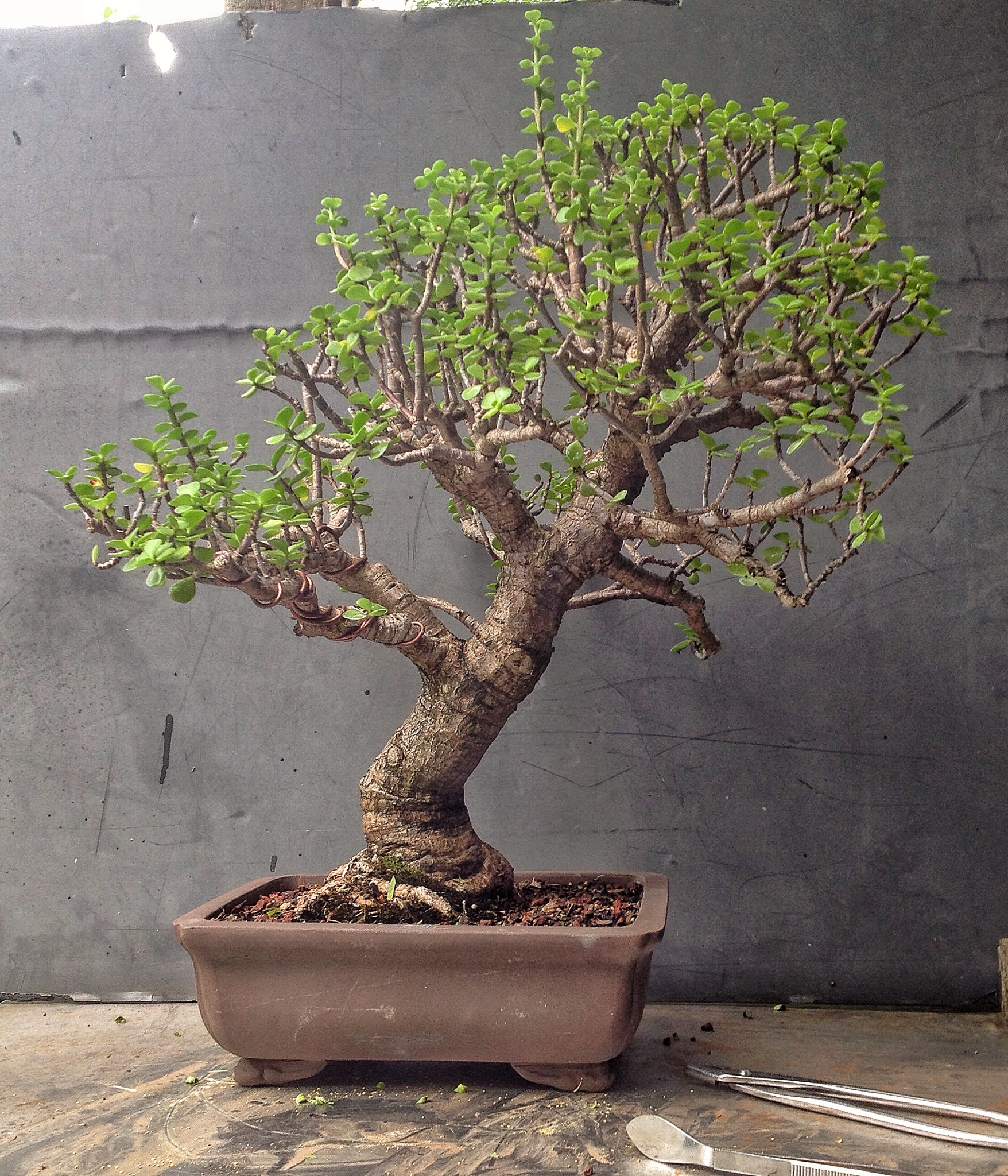
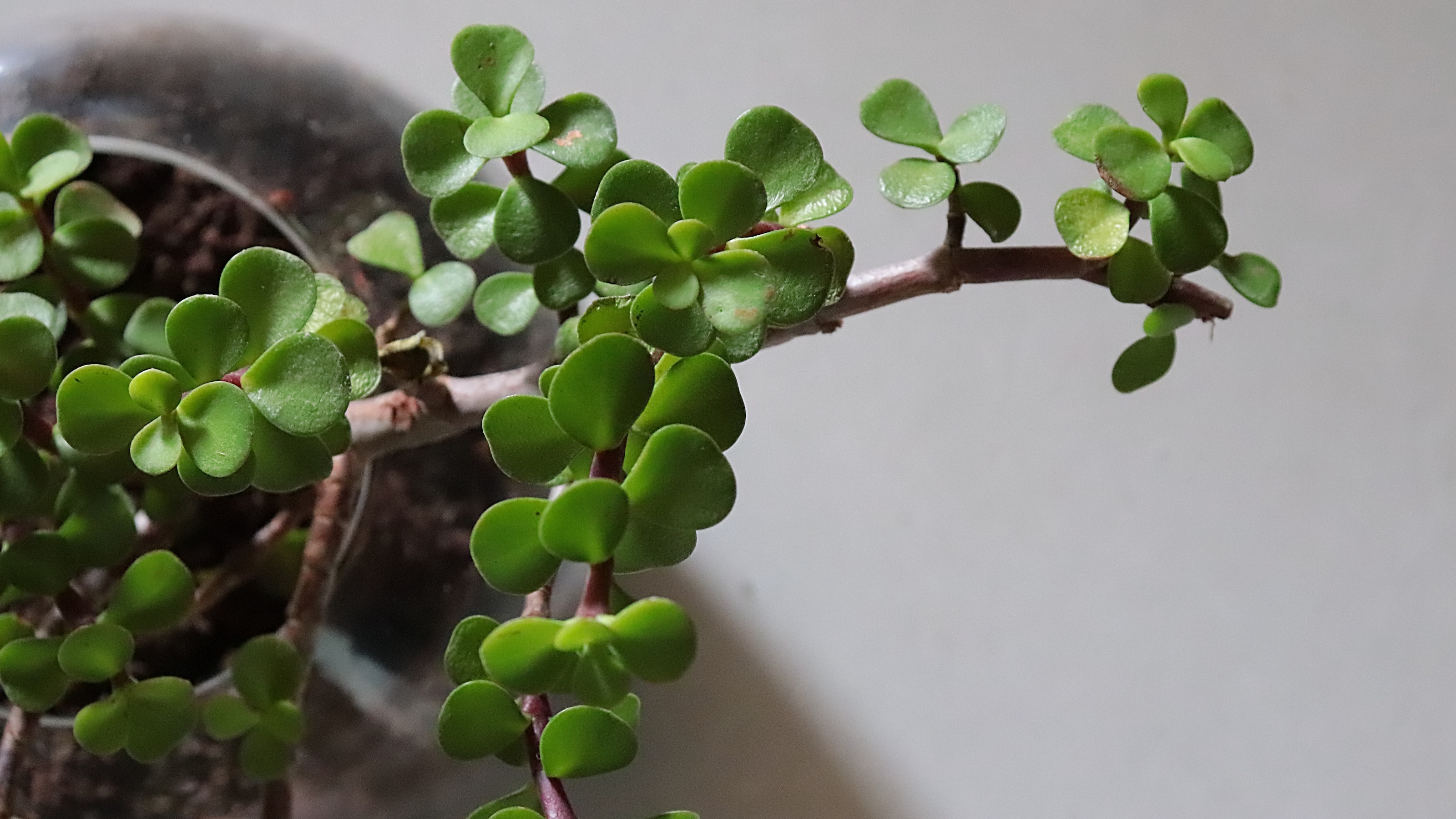
A jade bonsai tree is usually a dwarf jade, Portulacaria afra, or a common jade, Crassula ovata. Both plants store water in their thick leaves and stems. This helps them survive dry periods, but it also makes them sensitive to wet soil and poor drainage.
Dwarf jade has smaller leaves, thinner stems, and a faster growth rate. Common jade has larger leaves and thicker, more brittle branches. Their care is much the same, though dwarf jade often responds faster to pruning and shaping.
When learning how to care for a jade bonsai tree, remember this simple rule: the roots need air as much as they need water. A wet, airless pot can cause root rot even when the leaves still look healthy.
Jade bonsai trees are not true temperate bonsai trees. They do not need winter dormancy in the same way as maple or pine bonsai. In most parts of the United States, they grow best indoors during cold months and outdoors during warm weather.

Give your jade bonsai plenty of light
Light is one of the most important parts of how to care for a jade bonsai tree. Place it near a bright south- or west-facing window. A few hours of gentle morning or late-day sun can help it grow thick stems and small, healthy leaves.
A jade bonsai tree may survive in low light, but it will not thrive. Poor light often causes:
• Long gaps between leaves
• Weak, thin branches
• Pale or green leaves
• Slow growth
• Leaves that drop without warning
A bright window with sheer curtains works well in hot climates. Direct midday sun through glass can become intense and may scorch leaves, especially after a tree has been kept in shade.
If your jade bonsai grows indoors, turn the pot a quarter turn every week. This helps the plant grow evenly instead of leaning toward the window. A small LED grow light can help during dark winters or in rooms with limited natural light.
Introduce outdoor sun slowly. Start with one to two hours of mild morning light, then increase exposure over seven to 14 days. Sudden movement from a dim room to strong sun can burn the leaves.
In my own indoor plant setup, the biggest improvement came from moving jade trees away from a dim bookshelf and closer to a bright window. The plants did not need more fertilizer. They needed more light.
Water a jade bonsai tree correctly
Watering is where many new owners struggle. The best method for how to care for a jade bonsai tree is to water deeply, then wait until the soil is mostly dry before watering again.
Do not water by the calendar alone. Indoor heat, pot size, soil type, season, and light all change how fast the soil dries. Test the soil with your finger or a wooden stick. The top one to two inches should feel dry before you water.
When it is time to water:
- Take the tree to a sink or tray.
- Pour water slowly over the soil surface.
- Continue until water flows from the drainage holes.
- Let the pot drain fully.
- Empty any water left in the saucer.
A light splash does not reach the full root system. It can also leave dry pockets in the soil. Deep watering is better because it wets the root ball evenly and flushes out some built-up salts.
Reduce watering in fall and winter. Jade bonsai trees use less water during cool, dark months. However, do not follow a fixed rule such as watering once a month. Check the soil first.
Signs of too much water include:
• Yellow or soft leaves
• A musty smell from the soil
• A soft trunk base
• Leaves dropping in large numbers
• Black or brown roots
Signs of too little water include wrinkled leaves, dry soil pulling away from the pot, and thin, shriveled stems. Slight leaf wrinkles can be corrected with proper watering. A soft trunk usually points to a more serious root problem.
Choose fast-draining soil and a suitable pot
Good soil is central to how to care for a jade bonsai tree. Use a gritty, fast-draining bonsai mix rather than regular garden soil. Garden soil holds too much water in a small container and may compact around the roots.
A useful mix may contain:
• Pumice or perlite for air space
• Pine bark or another coarse organic material
• Lava rock, coarse sand, or grit for drainage
• A small amount of quality potting soil
The exact recipe does not need to be perfect. The key is that water should move through the mix quickly, while the roots still receive some moisture and nutrients.
Choose a pot with at least one large drainage hole. Bonsai pots are often shallow, so drainage matters even more. A drainage screen can stop soil from washing out without blocking water flow.
A heavy clay pot can provide stability for a top-heavy tree. Unglazed clay also allows some moisture to escape through the pot walls. Plastic pots hold moisture longer, which may be useful in a dry home but requires more careful watering.
Do not place a small jade bonsai tree in a very large pot. Extra soil stays wet for too long. Choose a container only slightly larger than the root ball when repotting.

Maintain the right temperature and humidity
Jade bonsai trees prefer warm conditions and good air movement. Most grow well between 65 and 80 degrees Fahrenheit during the day. Protect them from frost, cold drafts, and temperatures near freezing.
Bring an outdoor jade bonsai indoors before nighttime temperatures fall below about 50 degrees Fahrenheit. A short cold spell may not kill a healthy tree, but repeated cold exposure can cause leaf drop and stem damage.
Normal household humidity is usually enough. You do not need to place the tree beside a humidifier or mist it every day. Misting does not solve dry soil, and wet leaves in still air can increase the risk of fungal problems.
Keep the plant away from:
• Heating vents
• Air-conditioning blasts
• Cold windows in winter
• Damp bathrooms with little light
• Radiators and space heaters
After moving a jade bonsai indoors, inspect it closely for insects. Outdoor plants can bring aphids, mealybugs, scale, and spider mites into the home.

Feed your jade bonsai tree with care
Fertilizer supports new leaves, roots, and branches, but more is not always better. A jade bonsai tree can grow well with modest feeding during its active season.
Use a balanced, water-soluble fertilizer at half strength every four to six weeks in spring and summer. You can also use a fertilizer made for succulents or bonsai. Apply it to moist soil rather than bone-dry soil to reduce the chance of root damage.
Do not fertilize a sick, recently repotted, or severely dry plant. Wait until it shows new growth and has recovered. Stop regular feeding in late fall and winter when growth slows.
Too much fertilizer may cause:
• Brown leaf edges
• Weak, fast growth
• White salt crust on the soil
• Damaged roots
• A tree that becomes too leggy
If salt has built up, slowly run clean water through the soil for several minutes. Let the pot drain fully. This process helps wash excess mineral salts from the root zone.
Prune and shape your jade bonsai
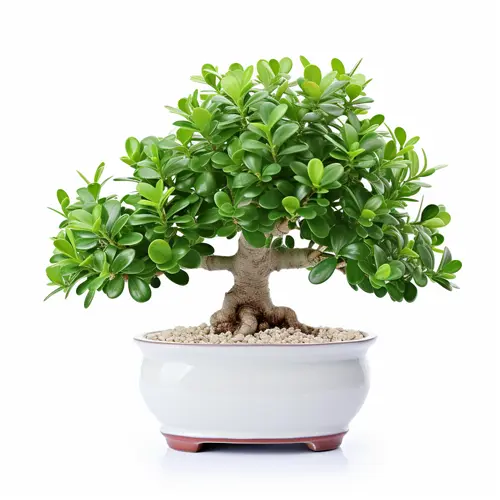
Pruning is one of the most rewarding parts of how to care for a jade bonsai tree. It keeps the tree small, encourages branching, and gives the trunk a stronger visual form.
Use clean, sharp scissors or bonsai shears. Cut just above a leaf pair or branch junction. New shoots often grow from the nodes below the cut.
Remove:
• Dead or diseased branches
• Shoots growing straight down
• Branches that cross or rub
• Weak growth inside the canopy
• Long stems that spoil the tree’s shape
Jade plants store water in their branches. Because of this, they can handle firm pruning better than many soft-stemmed plants. Still, avoid removing more than about one-third of the plant at one time.
Allow cut surfaces to dry naturally. Do not cover them with wax or wound paste. Jade stems usually seal on their own when the plant is healthy and the air is dry.
Wiring can shape young branches, but use care. Jade branches become woody and may snap if bent too far. Wrap bonsai wire loosely and check it every week. Remove it before it begins to cut into the growing stem.
I once left wire on a fast-growing jade for too long. The wire left deep marks that took months to fade. Frequent checks are a small task, but they prevent a lasting scar.
Repot a jade bonsai tree at the right time
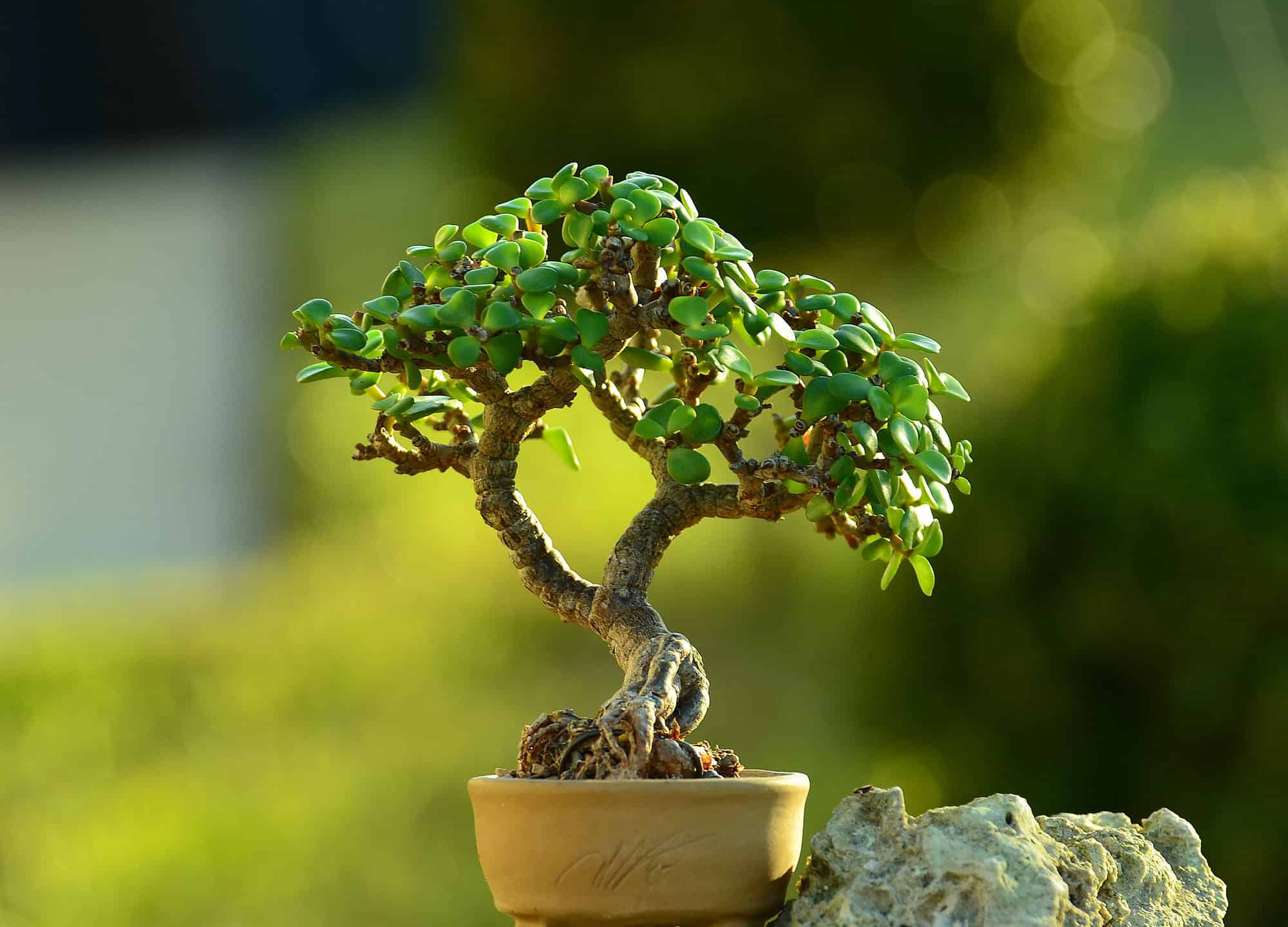
Repotting gives crowded roots fresh soil and better drainage. Most jade bonsai trees need repotting every two to four years, though young, fast-growing plants may need it sooner.
The best time is usually spring or early summer, when the plant is actively growing. Avoid repotting during a cold, dark period unless the soil is badly damaged or root rot is present.
Signs that repotting may be needed include:
• Roots circling tightly around the pot
• Water running straight through without wetting the soil
• Soil that stays wet for many days
• Slow growth during the growing season
• A pot that has become unstable
To repot:
- Let the soil become fairly dry.
- Slide the tree gently from its container.
- Remove loose, old soil from the outer roots.
- Trim only dead, black, or damaged roots.
- Place fresh, gritty mix in a clean pot.
- Set the tree at the same depth as before.
- Fill around the roots without packing the soil hard.
- Wait several days before watering.
Waiting before the first watering gives damaged roots time to seal. Keep the tree in bright, indirect light for a few days, then return it to stronger light as it adjusts.
Do not repot simply because the tree has not grown for a week or two. Slow growth can result from low light, winter conditions, or recent pruning.
Propagate jade bonsai trees from cuttings
Jade bonsai trees are easy to propagate from stem or leaf cuttings. This is a practical way to create new plants and preserve a favorite branch after pruning.
For a stem cutting:
- Cut a healthy stem three to six inches long.
- Remove the lower leaves.
- Let the cutting rest in a dry place for several days.
- Place the cut end in lightly moist, gritty soil.
- Keep it in bright, indirect light.
- Water sparingly until roots form.
The cut end needs time to callus. Planting it while the wound is wet can increase the risk of rot. Rooting may take several weeks, so patience matters.
You can also place a healthy leaf on top of dry soil. With time, it may form tiny roots and a new plant. Stem cuttings usually produce larger plants more quickly.
Avoid keeping new cuttings in heavy, wet soil. Young roots need air, and excess water can destroy them before they develop.
Identify and treat common jade bonsai problems
Most jade bonsai problems come from an imbalance of light, water, or airflow. Look at the whole growing environment before reaching for a treatment.
Yellow leaves
A few older yellow leaves may be normal. Widespread yellowing often means the soil stays too wet, especially when paired with soft leaves or a weak stem.
Check the drainage hole and soil moisture. If the mix is soggy, stop watering and inspect the roots once the soil has partly dried.
Wrinkled leaves
Wrinkled leaves usually show that the plant needs water, but the cause may also be damaged roots. Water deeply once the soil is dry, then observe the plant for several days.
If the soil is wet and the leaves are still wrinkled, the roots may not be taking up water. This can happen with root rot.
Leaf drop
Leaf drop may follow sudden changes in light, temperature, watering, or location. It can also occur after repotting. Move the tree gradually and keep care steady.
Leggy growth
Long spaces between leaves indicate insufficient light. Move the plant closer to a bright window or add a grow light. Pruning alone will not fix the cause.
Mealybugs and scale
Mealybugs look like small white cottony spots. Scale appears as firm bumps on stems or leaves. Isolate the plant, then remove visible pests with a cotton swab dipped in rubbing alcohol.
Test alcohol on one small area first. Strong applications can damage tender leaves. Repeat treatment every several days because one application may not remove newly hatched pests.
Root rot
Root rot is a serious risk when the soil stays wet. Remove the plant from the pot, cut away black or mushy roots with sterile tools, and repot it in fresh, dry, fast-draining soil.
Do not reuse contaminated soil. Clean the pot before using it again.
Provide seasonal jade bonsai care
A simple seasonal routine makes how to care for a jade bonsai tree much easier.
Spring
Increase light and watering slowly as growth begins. This is a good time for pruning, repotting, propagation, and light feeding.
Summer
Protect the tree from extreme afternoon heat. Outdoor plants may need more frequent checks, but always test the soil before watering.
Fall
Move the tree indoors before cold nights arrive. Check for pests, reduce watering, and stop fertilizing as growth slows.
Winter
Give the plant the brightest light available. Keep it away from cold glass and heating vents. Water only when the soil is dry and the leaves show a genuine need.
Avoid moving the tree from a warm indoor room to a freezing porch, even for a short time. Sudden temperature changes can cause lasting damage.
Keep jade bonsai trees safe around pets
Jade plants can be harmful to dogs and cats if eaten. The exact reaction varies, but possible signs include vomiting, weakness, depression, or poor coordination.
Place the tree where pets cannot chew the leaves or knock over the pot. Contact a veterinarian or a pet poison service if an animal eats part of the plant or shows unusual symptoms.
This safety point matters most for puppies, kittens, and pets that regularly chew houseplants.
Build a simple care routine
A weekly check is more useful than a complicated schedule. Walk through these steps:
- Check the leaves for pests, spots, or unusual softness.
- Feel the top layer of soil.
- Look for water collecting in the saucer.
- Turn the pot if the growth is uneven.
- Check wires before they mark the branches.
- Confirm that the plant still receives strong light.
- Remove dead leaves from the soil surface.
Keep brief notes if you are new to bonsai. Record watering dates, pruning, repotting, and changes in location. This helps you see patterns and avoid watering too often.
The most common mistake I see with new jade owners is trying to rescue a struggling tree with more water and fertilizer. A better approach is to pause, inspect the roots and light, and change one factor at a time.
Frequently Asked Questions About How to Care for a Jade Bonsai Tree
How often should you water a jade bonsai tree?
Water when the top one to two inches of soil feels dry, then soak the soil until water drains from the pot. Indoor plants may need water every two to four weeks in winter, but conditions matter more than a fixed schedule.
Does a jade bonsai tree need direct sunlight?
Yes, it needs bright light and usually benefits from several hours of gentle direct sun each day. Introduce strong sunlight gradually to prevent leaf scorch.
Why are the leaves falling off my jade bonsai tree?
Leaf drop can result from overwatering, low light, cold drafts, sudden relocation, or root damage. Check the soil moisture and roots before changing several care conditions at once.
What is the best soil for a jade bonsai tree?
Use a gritty, fast-draining bonsai or succulent mix with pumice, perlite, bark, lava rock, or coarse sand. Avoid dense garden soil because it can hold too much moisture around the roots.
Can you prune a jade bonsai tree?
Yes, pruning helps create a compact shape and stronger branches. Use clean shears, cut above a leaf node, and avoid removing more than about one-third of the plant at once.
Is a jade bonsai tree safe for cats and dogs?
No. Jade plants may cause illness if eaten by cats or dogs. Keep the tree out of reach and contact a veterinarian if your pet chews the plant.
Conclusion
A healthy jade bonsai tree needs bright light, careful watering, gritty soil, good drainage, moderate feeding, and regular pruning. Let the soil dry between waterings, protect the plant from frost, and inspect it often for pests or root trouble.
Start with one change today: move your tree to better light or check whether its pot drains freely. With steady care and a little patience, your jade bonsai can develop a thick trunk, balanced branches, and a beautiful miniature form. Share your care routine or explore more bonsai guides to keep improving your skills.

Laura Bennett is a gardening writer at MyGardenLabs who creates beginner-friendly guides focused on solving common plant care and gardening problems.