Best Soil For Desert Rose Bonsai: Ideal Growing Mix
The best soil for desert rose bonsai is a fast-draining, gritty mix that protects roots from rot.
A desert rose bonsai can look healthy one week and then lose leaves after a few wet days. The usual cause is not a lack of water. It is soil that holds too much water around the roots. I look for a loose mix that drains fast, leaves air space, and still gives the plant enough support to grow. The options below suit different needs, from ready-to-use desert rose blends to gritty bonsai soil for growers who water often.
Soil Sunrise Desert Rose Mix

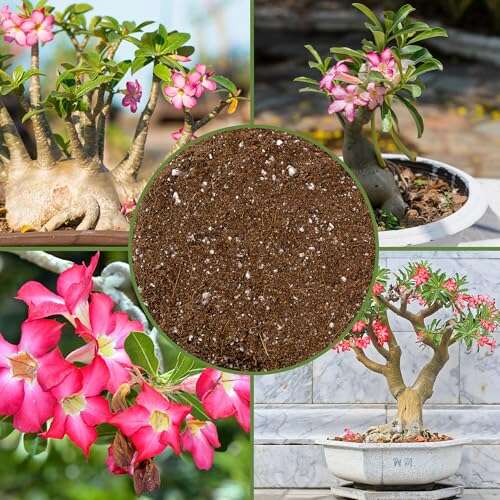
Soil Sunrise Desert Rose Potting Soil Mix is made for growers who want a ready-to-use medium for Adenium plants. Its small-batch format is appealing when you want a fresh mix instead of a large, aging bag. The texture should give desert rose roots more air than standard indoor potting soil. That matters because a swollen caudex stores water, while the roots still need oxygen.
The 8-quart size works well for a small collection or several repotting jobs. I would use it in a pot with a drainage hole and keep the plant in bright light so the soil can dry at a steady pace. It is a strong match for beginners who do not want to measure pumice, bark, and grit. As with any bagged mix, I would check its texture before planting and add extra mineral grit if it feels too fine.
Pros:
- Made specifically for desert rose plants
- Useful 8-quart size for several small pots
- Ready to use without complex mixing
- Supports airflow around sensitive roots
- Good choice for new Adenium growers
Cons:
- May still need extra grit for very wet homes
- Bag texture can vary between batches
- Not the smallest size for one tiny bonsai
Doter Organic Desert Rose Mix, 1 Quart

Doter Organic Desert Rose Potting Soil Mix comes in a compact 1-quart bag. I see it as a practical choice for one young desert rose bonsai, a cutting, or a small test repot. The blend is promoted as natural and nutrient-rich, which may help support early growth when used with good light and proper watering. Still, soil should not replace a balanced feeding plan during active growth.
A small bag also helps reduce waste if you are still learning how much soil your bonsai needs. I like this size for apartment growers who have limited storage space. The mix may be a little rich for growers who water heavily, so I would inspect the drainage and add pumice or coarse perlite if needed. For a small pot, the best soil for desert rose bonsai must dry fairly quickly without turning dusty and hard.
Pros:
- Compact size suits one small plant
- Easy to store in a small home
- Formulated for desert rose growth
- Natural potting mix appeal
- Good option for trial repotting
Cons:
- Not enough for a large bonsai collection
- May retain more moisture than a gritty mix
- Organic content may break down over time
Bonsai Jack Gritty Mix
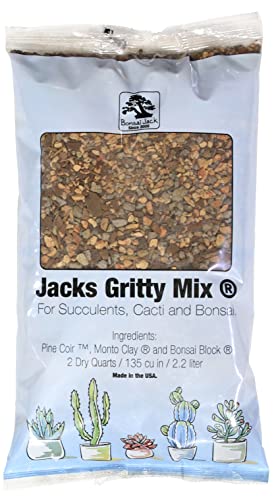
Bonsai Jack Gritty Mix is built around fast drainage, making it one of the most interesting choices for desert rose bonsai. It is labeled for succulents, cactus, and bonsai, so it fits plants that dislike soggy roots. The gritty texture helps water move through the pot instead of sitting in a dense soil layer. This can be a major advantage for growers who have lost plants to root rot.
The 2-quart bag is best for a few small pots rather than a large planting project. I would choose this mix for a warm, bright growing space where the plant dries well between waterings. Because a gritty mix often holds less nutrition than a soil-heavy blend, regular but gentle fertilizer may be useful during active growth. I also recommend checking the pot size, since a very large pot can stay wet even when the soil itself drains quickly.
Pros:
- Very fast drainage for rot-prone roots
- Suitable for cactus, succulent, and bonsai use
- Gritty texture improves air movement
- Useful for frequent waterers
- Works well in humid indoor spaces
Cons:
- Small 2-quart quantity
- May need more fertilizer than a rich mix
- Can dry too quickly in hot, dry rooms
Gardenera Premium Desert Rose Soil

Gardenera Premium Desert Rose Potting Soil is aimed at Adenium growers who want a dedicated blend in a small package. The 1-quart size makes sense for a single bonsai, a seedling, or a careful root-pruning project. A plant-specific mix can save time because you do not need to start with ordinary houseplant soil. Its main job is to support a healthy balance of drainage, moisture, and root space.
I would place this mix on my shortlist for a new desert rose owner who wants a simple starting point. Use a shallow bonsai pot only after the roots are established and the plant has plenty of warmth. If the mix looks fine or compact in your local conditions, blend in a mineral material such as pumice. The best soil for desert rose bonsai should never force you to keep the pot wet to prevent the plant from drying.
Pros:
- Designed for Adenium plants
- Convenient 1-quart trial size
- Simple choice for first-time growers
- Fits small bonsai and seedling projects
- Can be adjusted with added mineral grit
Cons:
- Limited quantity for multiple plants
- May need amendment for humid climates
- Bagged soil can settle during shipping
Rosy Soil Cactus and Succulent Mix

Rosy Soil Cactus and Succulent Potting Mix is not labeled only for desert roses, but its plant category makes it worth considering. Desert rose has succulent traits, including a water-storing caudex and a strong need for good drainage. A cactus and succulent blend can give the roots a lighter home than regular potting soil. The 4-quart bag offers a useful middle ground for one large plant or several small ones.
This mix may appeal to growers who care for several dry-loving plants and want one versatile bag. I would still test it with a simple drainage check before repotting a valuable bonsai. Pour water through the filled pot and watch whether it exits freely without pooling on top. If the mix stays wet for many days, add coarse pumice, lava rock, or perlite and move the plant to brighter light.
Pros:
- Works for desert rose and other succulents
- Useful 4-quart quantity
- Versatile for a mixed plant collection
- Better suited to dry-loving plants than standard soil
- Easy starting point for custom blends
Cons:
- Not made only for Adenium
- Drainage may vary by growing conditions
- May need added grit for bonsai pots
Doter Organic Desert Rose Mix, 10 Quarts
The 10-quart Doter Organic Desert Rose Mix is the practical bulk option in this group. It makes sense for collectors, plant sellers, or anyone planning several repots during the growing season. Buying more soil can also help keep the texture consistent across a group of bonsai. The mix is marketed as a natural, nutrient-rich option made for desert rose plants.
I would choose this size when a small bag would leave me short halfway through a project. Store unused soil in a dry, sealed place so it does not absorb excess moisture before use. For mature bonsai, I would still judge the mix by drainage rather than by the label alone. In a cool home or humid climate, blending in mineral particles can make this closer to the best soil for desert rose bonsai.
Pros:
- Large 10-quart supply for several plants
- Made for desert rose care
- Helpful for regular repotting schedules
- Can reduce the need for repeated small orders
- Natural mix appeals to organic-minded growers
Cons:
- Needs dry storage after opening
- Too much for owners of one tiny plant
- May require extra drainage material
Doter Organic Desert Rose Mix, 2 Quarts
The 2-quart Doter mix gives the same dedicated product approach in a more manageable amount. It is a good fit for a single medium desert rose bonsai or two small plants. I like this size for growers who want a ready-made product but do not want a large bag taking up shelf space. The natural positioning may also suit people who prefer organic-style plant care.
This bag offers more room than a 1-quart trial without committing to a bulk purchase. I would use it in a pot with large drainage holes and avoid placing stones over the hole, since that can slow water movement instead of improving it. Let the top portion of the mix dry before watering again, then water deeply until excess flows out. The best soil for desert rose bonsai works with this routine rather than forcing constant small sips of water.
Pros:
- Balanced quantity for one or two plants
- Dedicated desert rose formulation
- Easy option for routine repotting
- Less storage space than a bulk bag
- Useful for growers who prefer natural mixes
Cons:
- May not last through many repots
- Could hold moisture in a low-light room
- May benefit from added pumice or perlite
Gardenera Organic Desert Rose Mix

Gardenera Organic Desert Rose Potting Mix comes in a 2-quart size and focuses on nourishing Adenium plants. It is a useful alternative for growers who want a dedicated desert rose product with an organic emphasis. The mix should give a young plant a supportive base while it builds roots and a thicker caudex. I would view it as a starting medium, not a complete care plan.
Good light, warmth, and careful watering still decide how well any soil performs. A nutritious mix can help, but a plant in a dark room may stay wet too long. I would use this product for a spring or summer repot when the plant can recover quickly. If I lived in a rainy area, I would make the blend airier with mineral grit before using it in a bonsai container.
Pros:
- Organic-focused desert rose option
- Made for Adenium root needs
- Practical 2-quart amount
- Suitable for young and medium plants
- Supports a simple repotting routine
Cons:
- May not drain fast enough for every climate
- Organic material can settle with age
- May need mineral amendment for bonsai use
Gardenera Premium Desert Rose Soil, 5 Quarts

Gardenera Premium Desert Rose Potting Soil in a 5-quart bag is aimed at growers with more than one plant. It gives you enough mix for a collection without the storage commitment of a 10-quart bag. A dedicated Adenium blend can simplify a repot when you want consistent results across several containers. I would especially consider it for growers who raise desert roses from cuttings or seedlings.
The larger quantity also makes it easier to adjust the whole batch at once. For example, you can add a measured amount of pumice or lava rock if your home stays humid. Mixing everything in one tub helps keep each pot similar and makes watering more predictable. As the best soil for desert rose bonsai, this product is most promising when you match it with a fast-draining pot and strong sunlight.
Pros:
- Useful 5-quart quantity for plant collections
- Formulated specifically for desert rose
- Easy to amend as one consistent batch
- Good for seedlings and cuttings
- Reduces the need to buy several small bags
Cons:
- Requires dry storage after opening
- May be excessive for one small bonsai
- Drainage may need adjustment in humid areas
Bonsai Supply All-Purpose Bonsai Mix
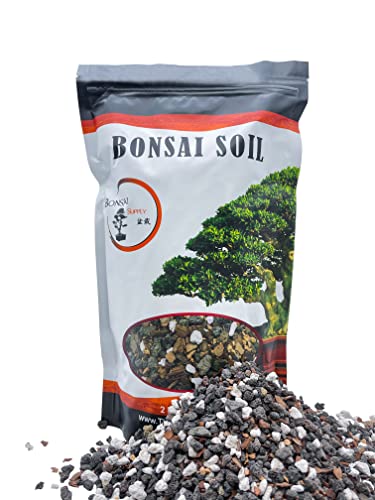
The Bonsai Supply All-Purpose Mix is a strong choice for growers who think like bonsai keepers. Its listed blend includes pumice, lava, calcined clay, and pine bark. Those materials can create a more open structure than ordinary garden soil and give roots both air and moisture pockets. This type of mix is not labeled only for desert rose, but its physical structure fits many caudex and succulent bonsai needs.
The 2-quart bag is convenient for one or two small bonsai. It also gives you a clear base if you like to fine-tune your soil recipe by climate and watering style. I would add a little organic material only if the mix dries too fast in your growing space. For growers who want control, this may be the best soil for desert rose bonsai because it lets you adjust drainage without starting from scratch.
Pros:
- Includes mineral components for fast drainage
- Creates useful air space around roots
- Good base for custom bonsai recipes
- Works with many succulent bonsai plants
- Practical 2-quart size
Cons:
- Not made only for desert rose
- May dry quickly in hot outdoor sun
- Can need added nutrition during active growth
How to Choose Desert Rose Bonsai Soil
Desert rose, or Adenium obesum, is a warm-climate plant with a swollen caudex. That caudex stores water, so the roots do not need a wet pot all day. Instead, they need air, quick drainage, and a short wet-to-dry cycle. This is why ordinary garden soil often causes trouble in a bonsai container.
When I compare soil for desert rose bonsai, I check four points first: drainage, particle size, moisture retention, and stability. The mix should let water pass through the pot within seconds. It should not turn into a hard, muddy mass after several waterings. It should also stay open long enough for the roots to breathe between repots.
Drainage Comes First
Drainage is the most important feature. Desert rose roots can suffer when water stays around them for too long. A fast-draining mix lowers that risk, especially when the plant grows indoors, in a humid climate, or in a pot that is slightly too large.
Look for mineral particles such as pumice, lava rock, coarse perlite, or calcined clay. These materials help create open spaces. Pine bark and other organic parts can hold some moisture, but they should not dominate the blend. The right balance feels loose in your hand rather than sticky or heavy.
Particle Size for Bonsai Pots
Small bonsai pots need soil that does not pack tightly. Very fine particles can block drainage holes and reduce air flow. Very large chunks may leave roots with poor contact and make a tiny plant hard to anchor.
For many desert rose bonsai, a medium particle size works well. The exact size depends on the trunk, root ball, and pot depth. Seedlings may need smaller particles than mature plants. I always remove dust from a gritty mix and screen out pieces that seem too large for the container.
Organic and Mineral Soil
Organic material can hold water and nutrients. Mineral material gives structure and drainage. Most growers get better results from a mix of both instead of using only one type.
A rich organic mix may suit a hot, dry outdoor space, but it can stay wet in a cool room. A nearly all-mineral mix may work well for careful growers who feed on schedule, yet it may dry too fast in a small pot. Your light, heat, humidity, and watering habits matter as much as the product label.
pH and Fertilizer
Desert rose usually prefers a slightly acidic to neutral growing medium. A commercial mix with a stated pH range can make plant care simpler. Avoid adding lime or other pH products unless a soil test shows a real need.
Fresh soil may contain some nutrients, but those nutrients do not last forever. During active growth, I use a balanced fertilizer at the label rate rather than feeding a stressed or dormant plant. Stop and adjust the schedule if the leaves show burn, the soil develops a white crust, or growth slows after feeding.
Pot and Watering Matter Too
Even the best soil for desert rose bonsai cannot fix a pot without drainage holes. Choose a pot that fits the root ball, not one that leaves a large empty ring of soil. A shallow bonsai pot can look attractive, but it gives you less room for error because it can dry or heat quickly.
Water deeply when the plant needs it, then let excess water leave the pot. Do not follow a fixed calendar without checking the soil. Temperature, sunlight, season, and pot size change how quickly the mix dries.
My Recommendation
For most new growers, Soil Sunrise is the easiest dedicated option because it comes in a useful 8-quart size and avoids the guesswork of building a mix. Doter’s 1-quart and 2-quart bags suit small collections and test repots, while the 10-quart bag is better for serious collectors. Gardenera offers similar size choices for growers who want a desert rose-focused blend with a natural or premium position.
Bonsai Jack is my pick for very fast drainage and root-rot prevention. The Bonsai Supply mix is my choice for experienced growers who want to tune the soil with pumice, lava, calcined clay, and bark. Rosy Soil is a flexible option for people who grow several cactus and succulent types. In every case, I would judge moisture after watering and adjust the mix to the room, season, and pot.
| Best for | Why |
|---|---|
| Beginners | Soil Sunrise offers a ready-made desert rose blend in a useful 8-quart size. |
| Maximum drainage | Bonsai Jack provides a gritty mix for growers worried about wet roots. |
| Custom soil recipes | The Bonsai Supply mix gives experienced growers a mineral-rich base to adjust. |
Simple Repotting Tips for Desert Rose Bonsai
Repot during active growth when temperatures stay warm. A dormant desert rose recovers more slowly, especially after root pruning. Prepare the new pot, soil, and clean tools before you remove the plant.
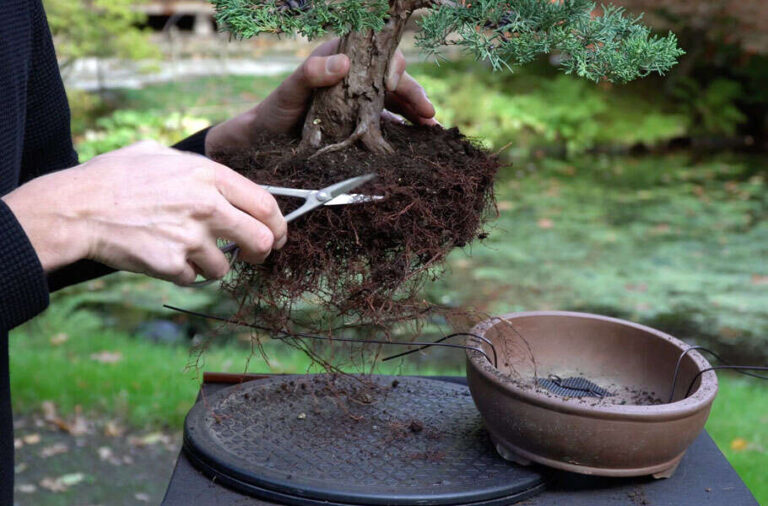
Gently loosen old soil from the roots. Cut away black, soft, or damaged roots with a clean tool. Healthy roots usually feel firm, though color can vary with the soil. Let any fresh cuts dry briefly before planting if the roots are wet or damaged.
Place the plant so the caudex sits at the height you want. Do not bury more of the swollen trunk than before unless you have a clear reason to change the design. Fill around the roots without pressing the mix into a hard block. A light tap on the pot can settle the soil while keeping air spaces open.
After repotting, protect the plant from harsh stress. Many growers wait a short period before heavy watering, especially after root work, then resume a careful schedule. Follow the needs of the plant and the condition of the roots. Bright light, warmth, and a pot that drains freely help the new soil perform well.
Common Soil Mistakes to Avoid
The biggest mistake is using regular garden soil in a small bonsai pot. Garden soil may contain fine particles that compact and slow drainage. It can also carry pests or disease. Use a clean commercial medium or a measured bonsai recipe instead.
Another mistake is adding a thick layer of gravel at the bottom of the pot. This does not improve drainage in the way many people expect. It can move the saturated zone higher in the pot. A drainage hole, open soil structure, and correct pot size work better.
Do not water just because the calendar says it is time. Check the mix, lift the pot, and consider the recent weather. A desert rose in bright summer light may need water sooner than one in a cool winter room. Good care is less like following a timer and more like reading the plant’s small signals.
Finally, do not assume a dry surface means the whole pot is dry. A deep container can hold moisture below the top layer. Use a wooden stick, moisture check, or pot weight to learn what is happening inside. This habit can protect the roots even when you use the best soil for desert rose bonsai.
FAQs Of best soil for desert rose bonsai
What is the best soil for desert rose bonsai?
The best soil for desert rose bonsai is loose, gritty, and fast draining. It should contain mineral material such as pumice, lava rock, coarse perlite, or calcined clay, plus a smaller amount of organic matter.
Can I use cactus soil for a desert rose bonsai?
Yes. A cactus and succulent mix can work well if it drains quickly and does not stay wet for many days. Add pumice or perlite if the mix feels heavy or compact.
How often should I water desert rose bonsai?
Water when the mix has dried partly, then soak it thoroughly until water exits the drainage holes. The schedule changes with light, heat, humidity, season, and pot size.
Does desert rose bonsai need special soil?
It does not need one exact brand, but it does need soil with excellent drainage. A dedicated Adenium mix can make the process easier, while a gritty bonsai mix gives more control.
Should I add fertilizer to desert rose soil?
Use a balanced fertilizer during active growth if the plant needs it. Follow the product label, and avoid feeding a dormant, recently repotted, or badly stressed plant.
Final Verdict: Which Should You Buy?
Soil Sunrise is my top overall pick because it is made for desert rose, comes in a practical size, and offers an easy start. Choose Bonsai Jack for maximum drainage or The Bonsai Supply mix for custom control.
The best soil for desert rose bonsai is only part of success. Pair a loose mix with bright light, warmth, a draining pot, and careful watering for stronger roots and better growth.

Laura Bennett is a gardening writer at MyGardenLabs who creates beginner-friendly guides focused on solving common plant care and gardening problems.