Do You Cut Back Feather Reed Grass: Pruning Guide
Yes. Cut back feather reed grass in late winter or early spring, before new green shoots rise from the base. In most parts of the United States, trim it to about 4 to 6 inches above the soil.
Wait until winter has passed, but do not wait too long. If fresh shoots are already growing, work slowly so you do not cut them.
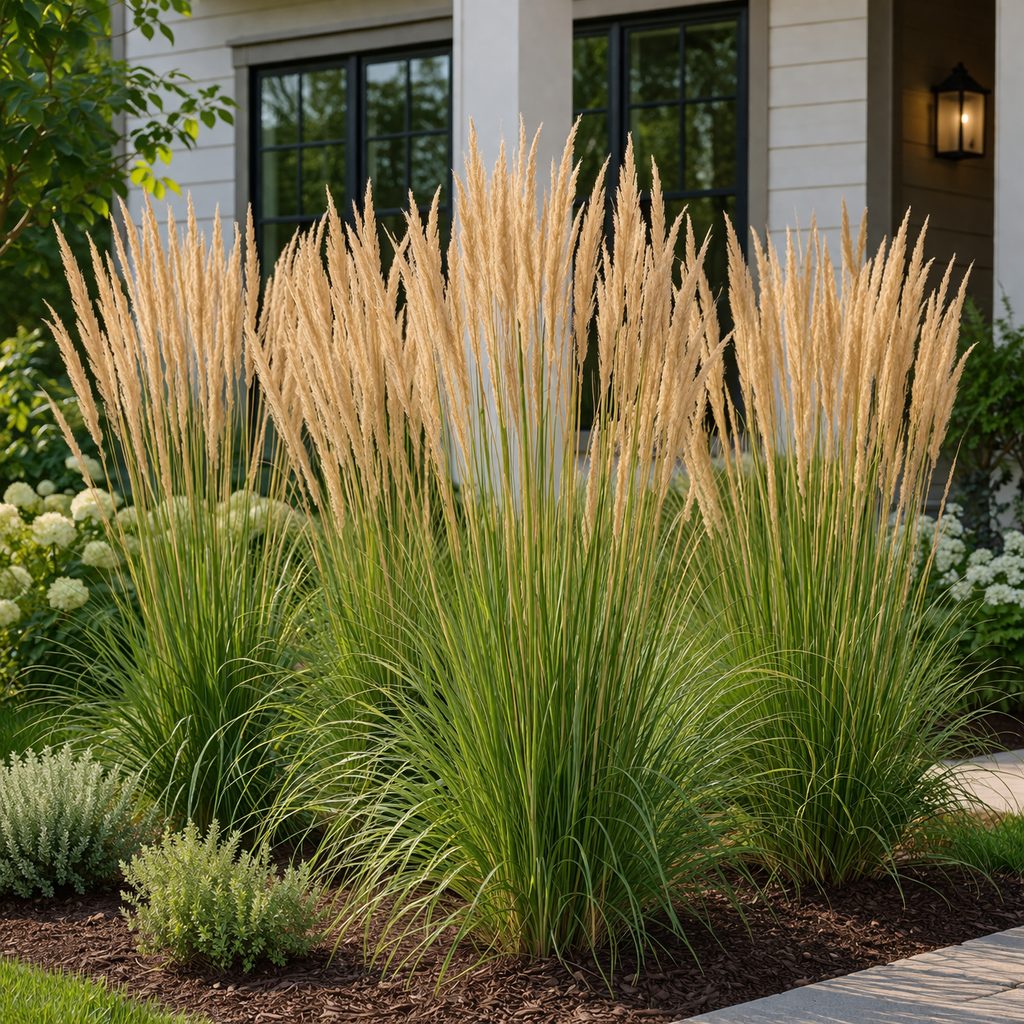
Feather reed grass (Calamagrostis × acutiflora) is a cool-season ornamental grass. Its tan flower stalks can add shape to a winter garden, so many U.S. gardeners leave the old growth in place through winter and prune it just before spring growth begins.

Why should you cut back feather reed grass?
Cutting back feather reed grass removes old leaves and flower stems. This gives new growth room and keeps the plant neat.
Old grass can also hide new shoots. A spring cut makes it easier to see the plant’s shape and check for broken stems, weeds, or signs of rot.
The cut is mainly for appearance and plant care. Feather reed grass does not need a hard cut in the fall to survive. In fact, leaving the dry stems in place through winter can:
- Add winter interest to the landscape
- Protect the crown from harsh weather
- Provide cover for small wildlife
- Keep the bed from looking bare
- Hold snow around the plant in cold areas
The University of Minnesota Extension and Iowa State University Extension both describe late-winter or early-spring pruning as the usual care for many ornamental grasses. Exact timing depends on local weather and new growth.

When is the best time to cut it back?
The best time is late winter to early spring, before the plant starts active growth.
Use the table below as a general guide for the United States:
| U.S. region | Usual cutting time | What to watch for |
|---|---|---|
| Southern states | Late winter | Cut before new shoots grow tall |
| Mid-Atlantic and Midwest | Late winter to early spring | Wait until the worst cold has passed |
| Pacific Northwest | Late winter or early spring | Wet weather may make old clumps messy |
| Mountain states | Early spring | Snow and frozen soil may delay the job |
| Northern New England and upper Midwest | Early to mid-spring | Cut when the crown begins to wake up |
| Mild coastal areas | Late winter | Comb the plant first if some leaves remain green |
These are broad guidelines, not fixed dates. A plant in Atlanta may need pruning weeks before one in Minneapolis.
A simple timing test
Look at the base of the plant. If you see short, fresh green shoots, it is time to prune. If the shoots are already several inches tall, cut around them instead of making one fast, low cut.
Avoid cutting during frozen or waterlogged conditions. Wet debris can mat down and make cleanup harder.

How do you cut back feather reed grass?
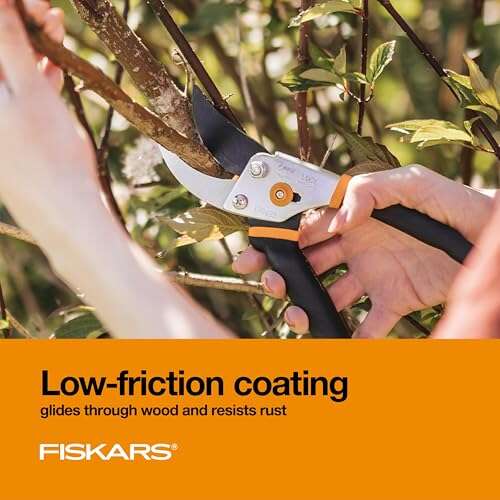
You can cut back feather reed grass with a few basic tools. The job is simple, but the leaves can be sharp.
What you need
- Sharp hand pruners, hedge shears, or powered trimmers
– Thick gardening gloves - Long sleeves and eye protection
- Twine or a strap
- A rake or garden bag
- Disinfectant for cleaning tools, if needed
Step-by-step method
- Check the plant first. Look for new green shoots at the base. Mark or avoid them as you work.
- Tie the old stems together. Wrap twine around the clump about 12 to 18 inches above the ground. This keeps dry leaves from spreading.
- Cut the stems down. Trim the clump to about 4 to 6 inches above the soil.
- Leave the crown intact. Do not cut into the dense center where new shoots emerge.
- Remove loose debris. Rake away dead leaves and old stems from the base.
- Clean your tools. Wipe off plant material and disinfect the blades if they touched diseased tissue.
- Check the plant again. Make sure no new shoots were bent, crushed, or cut.
A small clump can be cut with hand pruners. A large clump may be easier to tie and trim with hedge shears.
Do not pull hard on the old stems. Pulling can loosen the crown or damage new growth.

How short should you cut feather reed grass?
Cut the plant to 4 to 6 inches tall. This height protects the crown while leaving a clean base for new growth.
You do not need to cut it to ground level. A very low cut can expose the crown to cold, wet soil and may damage shoots that are just starting to grow.
If the grass is still partly green, use a lighter touch. Comb out the brown leaves with gloved hands or a hand rake, then remove only damaged or dead stems.
Pruning choices by plant condition
| Plant condition | Recommended action |
|---|---|
| Fully brown and dormant | Cut to 4–6 inches |
| Brown leaves with green shoots at the base | Cut above the shoots |
| Some green leaves remain | Comb and selectively trim |
| Broken or diseased stems | Remove affected stems first |
| Very young plant | Lightly tidy it; avoid deep cutting |
| Newly divided plant | Remove only dead material |
Feather reed grass is a clump-forming plant. The center crown is the part that produces new growth, so protecting it matters more than achieving a perfectly low cut.

Should you cut feather reed grass in the fall?
Usually, no. Fall pruning is optional, not required.
Leaving the flower stalks through winter is often the better choice in cold parts of the United States. The dry stems add structure and may help protect the plant’s crown.
You may choose fall cleanup when:
- The grass has become a fire concern
- Local rules require removal of dry vegetation
- The plant is diseased
- The bed must look tidy during winter
- Snow or ice repeatedly bends the clump onto a walkway
- The grass blocks signs, paths, or other plants
If you prune in fall, leave several inches of stubble. Do not burn the cut material. Dry ornamental grass can burn quickly, and outdoor burning rules vary by state, county, and city.
For a healthy plant in a safe location, waiting until late winter or early spring is usually the simplest option.

What if feather reed grass stays green in winter?
In mild U.S. climates, feather reed grass may keep some green leaves through winter. Do not automatically cut the whole plant to the ground.
Start by running gloved hands through the clump. Remove loose brown leaves and broken stalks. If the plant still has healthy green foliage, leave that foliage in place.
A hard cut is more suitable when the plant is mostly brown and dormant. Cutting green leaves can create brown tips and reduce the plant’s winter appearance.
Some cultivars also hold their form better than others. The common cultivar ‘Karl Foerster’ often keeps upright flower stems into winter, while wet or windy sites may flatten old growth sooner.
What should you do if the grass is too large to cut?
Large clumps are easier to manage in sections.
Tie the plant in two or three bundles. Cut one bundle at a time, then remove the debris before moving to the next. This reduces strain on your hands and keeps the work area clear.
For a very large planting, a hedge trimmer can save time. Wear eye protection and keep pets and children away from the work area. Dry blades can be stiff and may throw small pieces of plant material.
If the clump has spread beyond its space, cutting it back will not solve the size problem. You may need to divide it in spring or move it to a larger site. Division is a separate task and should be done only when the plant is actively growing and the soil can be worked safely.

Common mistakes when pruning feather reed grass
Avoid these common errors:
Cutting too early
A fall cut removes winter structure and leaves the crown more exposed. It also removes stems that may shelter wildlife.
Waiting until new growth is tall
Late pruning can slice off fresh shoots. Check the base before each cut.
Cutting into the crown
The crown is the dense base of the plant. Damage there can slow recovery.
Using dull tools
Dull blades crush stems instead of making clean cuts. This makes the job harder and can leave ragged plant tissue.
Working without protection
Feather reed grass leaves can scratch skin and eyes. Wear gloves, long sleeves, and eye protection.
Burning the dry clump
Dry grass can ignite fast. Follow local fire rules, and use composting or yard-waste disposal where allowed.
Assuming every ornamental grass has the same care
Some grasses are evergreen or semi-evergreen. Others are warm-season plants that emerge later. Identify the grass before pruning, especially if the label is missing.

Signs that the pruning went well
Your feather reed grass should show:
- A clean, compact base
- No large cuts into the crown
- Green shoots emerging from the center
- No piles of wet debris trapped around the plant
- New growth that rises evenly in spring
New growth may not appear right away. Cold soil can delay growth even after air temperatures rise.
If the plant looks slow, give it time. Do not add extra fertilizer just because it has not grown yet. Too much fertilizer can create weak, floppy growth. Water only when needed, and avoid keeping the soil constantly wet.
If the entire clump remains brown well into the growing season, check for winter injury, poor drainage, animal damage, or a dead crown. A local county extension office can help identify a regional problem.

Quick takeaways
- Yes, cut back feather reed grass.
- Prune in late winter or early spring.
- Cut it to about 4 to 6 inches tall.
- Leave winter stems in place when possible.
- Protect new green shoots and the central crown.
- Wear gloves, long sleeves, and eye protection.
- Do not burn dry grass unless local rules clearly allow it.
FAQs
Can I cut feather reed grass to the ground?
It is better to leave about 4 to 6 inches of stubble. Cutting into the crown can harm new shoots and may slow spring recovery.
Will feather reed grass grow back after cutting?
Yes. Healthy feather reed grass usually regrows from its crown in spring. Growth may start slowly in cold climates.
Should I fertilize after cutting it back?
Usually, no. Feather reed grass often grows well in average soil. Test the soil before adding fertilizer, and follow the test result rather than guessing.
Can I cut feather reed grass with a lawn mower?
A mower may damage nearby plants and scatter sharp debris. Hand pruners, hedge shears, or a string trimmer used with care are better choices.
Do I need to divide feather reed grass every year?
No. Divide it only when the clump becomes crowded, the center dies out, or the plant outgrows its space. Many plants can grow for years without division.
Conclusion
Cutting back feather reed grass is a late-winter or early-spring task in most U.S. gardens. Tie the dry stems, trim the clump to 4 to 6 inches, and keep the blades away from the crown and new shoots.
For the next step, check the base of your plant. If it is mostly brown and new growth has not started, it is ready for a careful spring cut.

Laura Bennett is a gardening writer at MyGardenLabs who creates beginner-friendly guides focused on solving common plant care and gardening problems.