Can You Prune Loropetalum In The Fall: Timing Tips
You can prune loropetalum in the fall, but limit cuts to light shaping and damaged growth.
Knowing whether you can prune loropetalum in the fall helps protect next spring’s flowers and keeps this colorful shrub healthy. Loropetalum, also called Chinese fringe flower, blooms on older wood, so pruning at the wrong time may remove many flower buds. This guide explains the safest fall pruning method, the best season for heavy cuts, and the mistakes gardeners should avoid.

Can You Prune Loropetalum in the Fall?
Yes, you can prune loropetalum in the fall, but fall is not the best time for major pruning. Use this season for small corrections, such as removing dead branches, broken stems, or a few shoots that spoil the plant’s shape.
Heavy pruning in fall can trigger tender new growth. That growth may not harden before winter, especially in areas with frost, snow, or sharp temperature drops. Fresh cuts may also expose the shrub to winter injury.
Loropetalum usually sets flower buds on older branches. If you cut those branches in fall, you may remove the buds that would open in late winter or spring. The shrub may still grow well, but its famous pink, red, or white fringe flowers can be much less showy.
In most gardens, you can prune loropetalum in the fall when:
• You remove dead, diseased, or damaged wood
• You cut back one or two branches that rub together
• You lightly shape an overgrown plant
• You remove a branch that blocks a walkway or window
• You live in a mild climate with little winter frost
Avoid major reshaping in late fall. Save that work for after the main bloom period.

Why Fall Pruning Can Be Risky
Pruning is a form of stress. Each cut creates a small wound, and the plant must respond by sealing the area and directing energy toward new growth. In fall, loropetalum is preparing for winter rather than rapid recovery.
A hard cut may produce soft shoots that grow quickly during warm autumn weather. These shoots often have poor cold tolerance. A sudden freeze can blacken their tips or kill the new growth back to the older wood.
Fall pruning can also reduce winter protection. Dense branches help shield the inner stems from cold winds. When you remove too much growth, the remaining branches and roots may face greater exposure.
The risk is higher when:
• Pruning takes place just before the first hard freeze
• The plant is newly planted or already stressed
• The shrub grows in a cold USDA hardiness zone
• You remove more than one-third of the plant
• The soil is dry and the plant lacks root moisture
• You use dull or dirty tools
A light trim is usually much safer than a full haircut. Think of fall pruning as tidying a room, not remodeling the entire house.

The Best Time to Prune Loropetalum
The best time to prune loropetalum depends on your goal. For heavy pruning, wait until the shrub finishes flowering. This is often in spring, although the exact timing varies by cultivar and climate.
Pruning after flowering gives the plant time to produce new branches during the growing season. It also lets you see which stems survived winter and which parts need removal.
Use this simple timing guide:
• Late winter: Remove dead or broken branches before strong new growth begins
• After spring flowering: Perform major shaping or size reduction
• Summer: Make light cuts only when needed
• Early fall: Remove damaged wood and lightly correct the shape
• Late fall: Avoid major pruning, especially in cold regions
Some loropetalum varieties flower more than once or bloom at unusual times. If your shrub is flowering in fall, wait until that flush ends before making anything beyond safety cuts.
When deciding whether you can prune loropetalum in the fall, first check your local weather. A mild region may allow light pruning in October or November. A cold region may require you to stop several weeks before the expected first freeze.

What You Can Safely Prune in Fall
Fall pruning should focus on health and safety. Start by standing several feet away from the shrub. Look for branches that are dead, weak, crossing, or growing in an unwanted direction.
Remove dead wood by cutting back to healthy tissue. Healthy wood is usually firm and may show green or pale tissue beneath the bark. If the entire branch is dead, cut it back to the branch collar, which is the slightly swollen area where it joins a larger branch.
You can also remove:
• Broken stems after storms
• Diseased branches with spreading damage
• Suckers growing from the base
• Branches that touch the ground
• Shoots blocking paths or doors
• Small branches that cross and rub
Make each cut clean and slightly angled. Do not leave long stubs, but avoid cutting into the branch collar. A clean cut helps the shrub close the wound with less wasted tissue.
If only the branch tips look untidy, use hand pruners for small cuts. Avoid using hedge trimmers unless the plant is part of a formal hedge. Repeated shearing creates a dense outer shell and weak, crowded growth inside.

How to Prune Loropetalum in the Fall
Follow these steps when you need to make limited fall cuts.
1. Check the plant and weather
Inspect the shrub for dead wood, disease, rubbing branches, and unsafe growth. Check the forecast and avoid pruning before a hard freeze, heavy rain, or strong wind.
2. Clean your tools
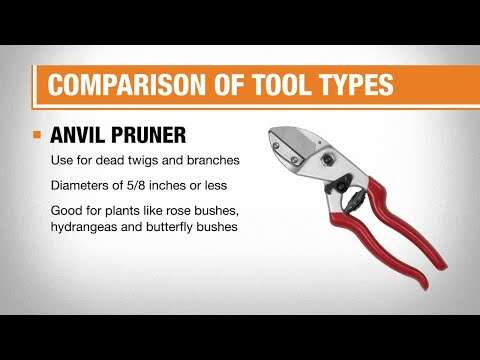
Use sharp bypass pruners for small branches and loppers for larger stems. Clean the blades with household disinfectant before and after pruning, especially if you see signs of disease.
3. Remove dead and damaged branches
Cut damaged stems back to healthy wood. If a branch is broken near the main stem, remove it at the branch collar without cutting into the trunk or larger branch.
4. Thin crowded areas
Remove one of two branches that cross or rub. Thinning is better than shearing because it improves air movement without creating a flat wall of leaves.
5. Make small shaping cuts
Trim only the longest or most distracting shoots. Step back often to check the shape. It is easy to remove too much when standing close to the plant.
6. Stop before heavy pruning
Do not reduce the shrub dramatically in late fall. If the plant needs a major size correction, mark the problem branches and return after flowering.
When you can prune loropetalum in the fall with this light method, the plant usually enters winter with less stress and a more natural form.
How Much Can You Remove?
A safe fall trim usually removes only a small amount of growth. For an established, healthy shrub, removing a few individual branches is preferable to cutting all branches back at the same height.
As a general rule, avoid removing more than 10% to 20% of the canopy in late fall. This is not a strict law, but it is a useful safety limit for most home gardens. A weak, newly planted, drought-stressed, or recently transplanted shrub may need even less pruning.
Major renovation cuts can remove more growth, but they belong in the correct seasonal window. Even then, reduce the plant over time when possible. Removing half of a mature shrub at once can cause sunburn, stress, and an unattractive flush of weak shoots.
The right amount also depends on the cultivar. Compact loropetalum varieties may need little pruning. Large types can become broad and tall, but they still look best when shaped with selective cuts rather than constant shearing.
If you are unsure whether you can prune loropetalum in the fall, make one small test cut. Watch how the plant responds, then decide whether any additional trimming is needed.

Pruning Young and Mature Loropetalum
Young loropetalum plants often need little pruning. Let the root system become established before shaping the canopy. Remove only broken, dead, or badly placed branches during the first year.
A young plant may need extra water after pruning, even in fall. Dry soil can make recovery harder, while saturated soil can reduce oxygen around the roots. Keep the soil evenly moist but not soggy.
Mature plants may develop:
• Long branches that arch into paths
• Bare growth near the center
• Dense, tangled stems
• Suckers at the base
• Uneven growth caused by shade or nearby competition
For mature loropetalum, selective thinning works well. Remove a few old branches at ground level or at a strong side branch. This method opens the shrub without forcing a large number of new shoots from every cut.
In gardens I have worked with, the most common mistake was not under-pruning. It was cutting a large loropetalum into a tight ball every fall. The plants survived, but they flowered less and developed weak growth on the outside. A lighter hand produced better flowers and a stronger shape.

Fall Pruning in Different Climates
Climate plays a major role in deciding whether you can prune loropetalum in the fall. The same cut may be harmless in coastal Georgia but risky in northern Illinois.
In warm regions, such as much of the Southeast, light fall pruning is often safe. The plant may continue growing for weeks after the cut. Even there, avoid major pruning if a rare cold snap is expected.
In cooler regions, stop pruning earlier. Late summer or early fall may be the last reasonable time for shaping. Once nights become cold and the plant begins slowing down, leave major cuts until spring.
In areas with harsh winters, protect the shrub through good basic care:
• Water deeply before the ground freezes if the soil is dry
• Apply a two to three-inch layer of mulch over the root zone
• Keep mulch away from direct contact with the trunk
• Avoid late-season fertilizing that encourages new growth
• Use wind protection for exposed plants when needed
Do not wrap the foliage tightly in plastic. That can trap moisture and increase disease problems. If winter protection is needed, breathable fabric is a better choice.
Common Fall Pruning Mistakes
Many pruning problems come from good intentions. Gardeners want a neat plant before winter, but a tidy shape is not always the same as a healthy shrub.
Avoid these common errors:
• Cutting loropetalum into old, leafless wood without a plan
• Pruning just before a hard freeze
• Removing every branch at the same height
• Using dull pruners that crush stems
• Leaving long stubs after cutting
• Pruning a drought-stressed plant
• Fertilizing heavily after a late-season trim
• Removing flower-bearing wood before spring bloom
• Ignoring the plant’s mature size
• Using hedge shears for every pruning job
One mistake I often see is pruning because the calendar says it is time. Plants do not follow the calendar alone. Weather, flowering time, soil moisture, plant age, and cultivar all matter.
Before you cut, ask three questions:
- Is this branch dead, damaged, unsafe, or truly out of place?
- Does the plant have enough time to recover before cold weather?
- Would waiting until after flowering give a better result?
If the answer to the third question is yes, waiting is usually the wiser choice.
Tools and Aftercare
Good tools make pruning safer and more precise. Bypass pruners work well on small stems because they make a clean cut. Loppers provide extra reach and leverage for thicker branches.
Keep tools sharp and disinfect them between plants. A clean blade lowers the chance of moving disease from one shrub to another. Wear gloves and eye protection when cutting branches near your face.
After fall pruning, check the plant over the next few weeks. Water during dry weather, but do not keep the soil constantly wet. Loropetalum prefers well-drained soil and may suffer when its roots sit in water.
Do not apply a strong nitrogen fertilizer after late fall pruning. Nitrogen can encourage soft growth when the plant should be preparing for dormancy. A layer of compost or mulch is usually a gentler way to support the soil.
Avoid sealing pruning cuts with wound paint. In most home pruning situations, the plant can naturally close the cut. Good timing, sharp tools, and proper cuts matter more than a coating.
When to Call a Professional
Most homeowners can handle light pruning. Professional help is useful when the shrub is very large, near power lines, badly damaged, or affected by a serious disease.
Contact an experienced arborist or qualified landscaper if:
• A branch is too thick for your tools
• The plant is near electrical wires
• You need to remove more than one-third of the canopy
• The trunk is split or unstable
• Several shrubs show the same disease symptoms
• You are unsure whether the plant is loropetalum
• The shrub requires major renovation pruning
A professional can also identify whether a problem comes from poor drainage, root damage, pests, winter injury, or an incorrect planting site. Pruning alone cannot fix every cause of weak growth.
Frequently Asked Questions
Can you prune loropetalum in the fall after it flowers?
Yes, but keep the work light if cold weather is near. Remove dead or damaged branches, then save major shaping for the next suitable pruning window.
What is the best month to prune loropetalum?
The best month depends on your climate and flowering time. In many areas, prune heavily just after spring flowering, while fall pruning should remain limited.
Will fall pruning stop loropetalum from blooming?
Fall pruning can reduce flowering if it removes older branches that hold next season’s flower buds. Light cuts usually cause less damage than hard pruning.
Can you cut loropetalum back hard?
You can cut back an established, healthy loropetalum when major renovation is needed, but do it after flowering and over several seasons when possible. Hard fall pruning can cause winter injury and reduce spring flowers.
Should you prune loropetalum before winter?
Only prune before winter to remove dead, broken, diseased, or unsafe branches. Avoid cutting healthy branches simply to make the shrub smaller.
Can you prune loropetalum in the fall in a warm climate?
Yes, light pruning is often safe in warm climates with mild winters. Still, avoid heavy cuts during late fall and check the forecast for sudden freezes.
How often should loropetalum be pruned?
Many loropetalum shrubs need pruning once a year or less. Prune based on plant health, size, and shape rather than following a fixed schedule.
Conclusion
You can prune loropetalum in the fall, but the safest approach is gentle and selective. Remove dead, broken, diseased, or badly placed branches, and avoid major cuts close to freezing weather. For strong shaping and size reduction, wait until after the main spring bloom.
Use sharp tools, make clean cuts, protect the roots with mulch, and consider your local climate before pruning. With a little patience, your loropetalum can keep its natural form, colorful foliage, and abundant fringe flowers. Share your pruning results or explore more seasonal shrub-care guides for practical garden tips.

Laura Bennett is a gardening writer at MyGardenLabs who creates beginner-friendly guides focused on solving common plant care and gardening problems.