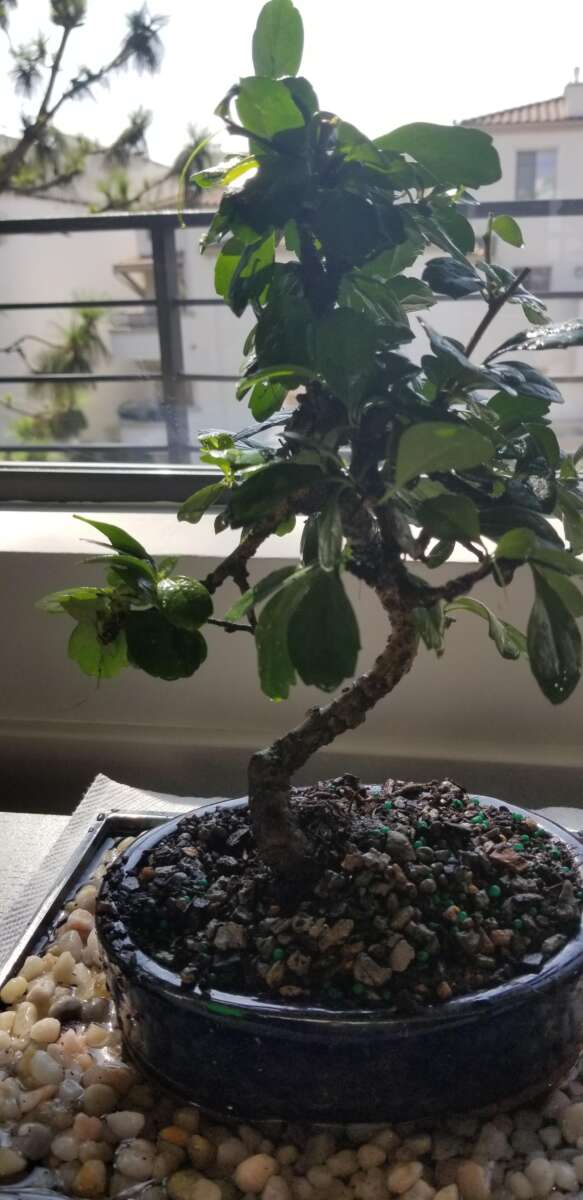
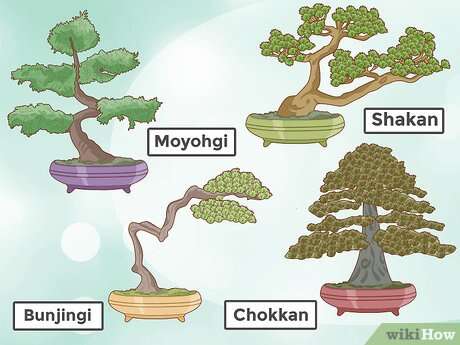
How Do Bonsai Trees Stay Small: The Science Explained
Bonsai trees stay small through careful pruning, shallow pots, root control, and training that limit their growth.
The art of bonsai does not create a special dwarf tree. It turns a normal tree into a living miniature through years of careful care. Understanding how do bonsai trees stay small helps you water, prune, repot, and feed your tree without harming it.
How Do Bonsai Trees Stay Small?
Bonsai trees stay small because growers control both the roots and the branches. Regular pruning removes extra growth, while root pruning limits the space available for roots to spread. A shallow bonsai pot then keeps the root system compact.
The tree is still genetically capable of becoming large. A Japanese maple, juniper, ficus, or pine used for bonsai belongs to the same plant type as a full-sized tree. The difference is the way it is grown and trained.
Bonsai care works more like shaping a small ecosystem than simply keeping a plant in a tiny pot. The tree must receive enough light, water, air, and nutrients to stay healthy. The goal is controlled growth, not starvation.
The Main Methods That Keep Bonsai Trees Small
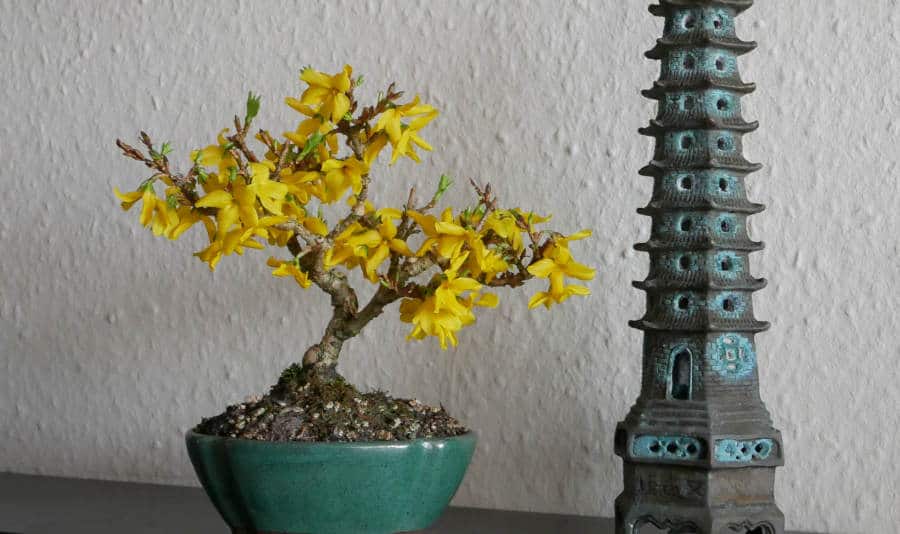
Several techniques work together to create and maintain a miniature tree. No single method explains how do bonsai trees stay small.
Root pruning
Roots support growth by taking in water and minerals. When a bonsai tree grows in a shallow pot, its roots have limited room to expand. During repotting, the grower trims some long or crowded roots.
This does not stop the tree from living. Instead, it encourages a dense network of fine feeder roots near the trunk. These small roots work well in a compact container.
Root pruning must be done with care. Removing too many roots at once can cause serious stress, especially in older trees or trees that are already weak.
Branch and shoot pruning
Branch pruning removes unwanted limbs. Shoot pruning removes new growth before it becomes long and coarse. Together, these methods keep the tree’s outline small and refined.
Pruning also directs energy toward selected branches. A grower may remove a fast-growing shoot so that weaker branches can develop. This creates balance and prevents one part of the tree from taking over.
A shallow bonsai pot
A bonsai pot limits root spread and holds a small amount of soil. It also helps the tree look like an old landscape tree in miniature.
The pot does not crush the tree or force it to stay short. Instead, it limits the root zone and makes frequent monitoring important. Bonsai soil must drain well because excess water can quickly damage roots.
Wiring and branch training
Wire does not directly make a bonsai tree small. It bends branches and trunks into a desired shape. This helps the tree fit a small design and gives it the look of age.
Growers usually wrap aluminum or copper wire around branches. They then guide the branches into natural curves. The wire must be checked often because growing branches can become marked or cut by it.
Careful nutrient control
Bonsai trees still need fertilizer. However, giving too much fertilizer can cause long shoots, large leaves, and weak growth. A balanced feeding plan supports health without encouraging uncontrolled growth.
Healthy bonsai care is about moderation. The tree should grow, but its growth should remain compact and useful for its design.
:strip_icc()/GettyImages-598322873-409b66c4895d492eb28fde9e752d98ad.jpg)
Why Root Pruning Does Not Kill a Bonsai Tree
Many beginners worry that cutting roots will kill their tree. That concern is understandable. Roots are vital, but a bonsai tree does not need every root it has produced.
A mature bonsai usually has many fine roots packed into its soil. During repotting, the grower removes dead roots, thick circling roots, and a portion of the root mass. The remaining roots can often support the tree while new feeder roots form.
The timing matters. Most species handle root work best during a suitable seasonal window. For many temperate trees, this means late winter or early spring, just before strong growth begins. Tropical species may follow a different schedule.
Important root pruning rules include:
• Use clean, sharp tools.
• Remove only a safe portion of the root mass.
• Keep fine feeder roots when possible.
• Use fresh, well-draining bonsai soil.
• Protect the tree from harsh conditions after repotting.
• Water thoroughly, but do not leave the pot sitting in water.
In my experience working with container-grown trees, the most common mistake is cutting roots too aggressively. People often want quick results, but bonsai rewards patience. A small amount of careful root work each season is safer than one drastic cut.

Does a Small Pot Make a Bonsai Tree Dwarf?
A small pot helps keep a bonsai compact, but it does not permanently change the tree’s genetics. If you plant many bonsai trees in the ground and stop pruning them, most will grow much larger over time.
The pot limits root space, water storage, and nutrient availability. These limits reduce rapid growth. They also make the tree more dependent on regular care.
A small pot alone cannot maintain a good bonsai. If the tree becomes root-bound, it may show stress instead of attractive miniature growth. Warning signs include:
• Yellowing leaves
• Weak or short new growth
• Water running quickly over the soil
• Water staying on the surface
• Roots circling tightly around the pot
• A tree that dries out within hours
The best container is not always the smallest one. The pot should match the tree’s size, species, climate, and root condition. A young tree may need a larger training pot before moving into a shallow display pot.

How Pruning Controls Bonsai Growth
Pruning is one of the clearest answers to how do bonsai trees stay small. It controls the size of branches, the length of shoots, and the shape of the crown.
There are two main types of pruning:
Structural pruning
Structural pruning shapes the main design. It may remove large branches that grow in the wrong direction or compete with the trunk. This work is often done during dormancy, depending on the tree species.
A structural cut should have a clear purpose. Before cutting, look at the trunk, branch flow, and future shape. Removing a large branch is hard to undo.
Maintenance pruning
Maintenance pruning keeps the design neat. It removes new shoots that extend beyond the chosen silhouette. This type of pruning may happen several times during the growing season.
Do not remove all new growth at once. Leaves produce energy for the tree, and sudden heavy pruning can weaken it. Instead, allow the tree to remain leafy and remove growth in small steps.
Leaf size also matters. Some bonsai species produce smaller leaves after repeated pruning and strong light. Others naturally keep large leaves and may look better as larger bonsai.
How Bonsai Trees Stay Small Without Being Unhealthy
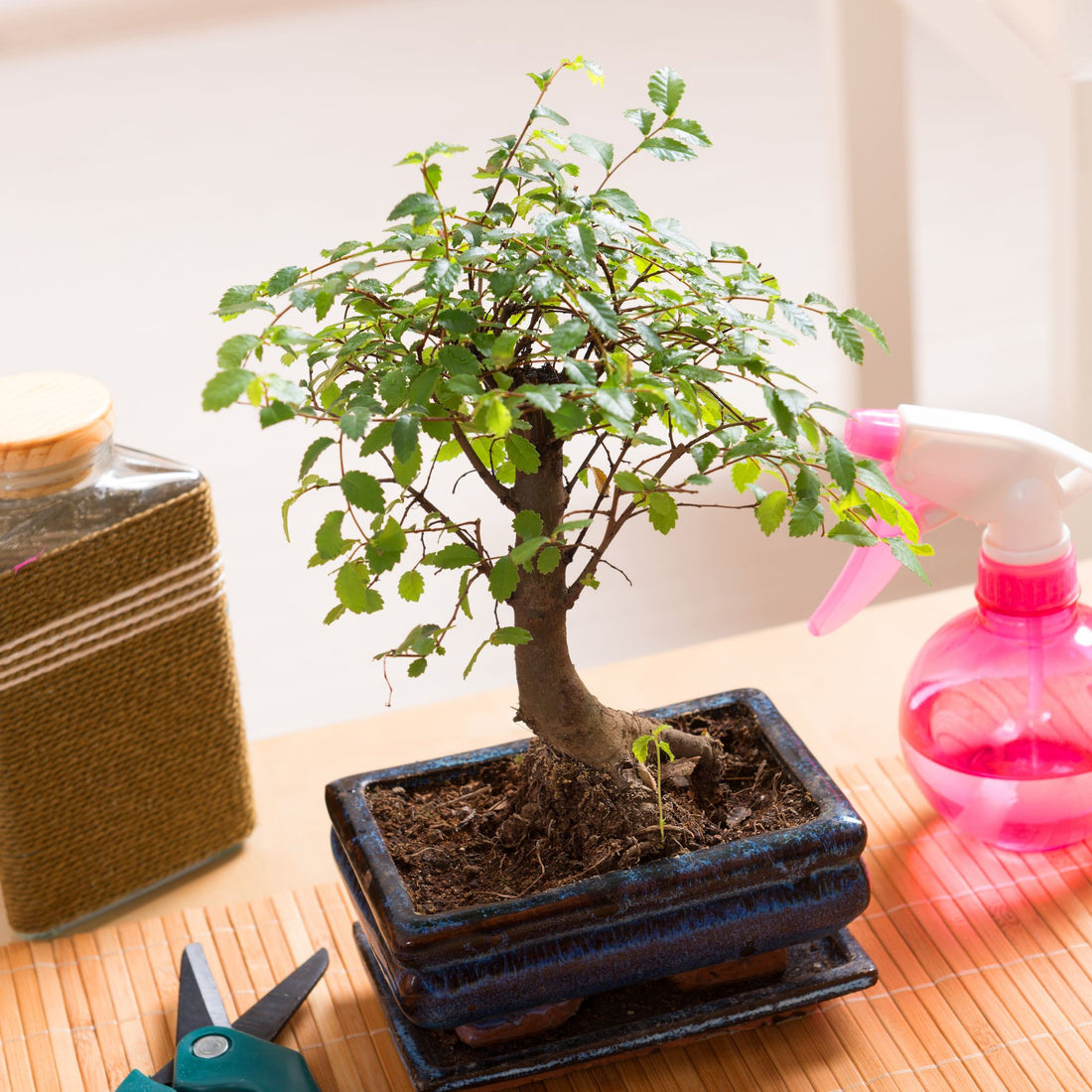
A healthy bonsai is not a stunted or starving tree. It is a tree with controlled growth and a carefully managed root system.
To keep a bonsai small and healthy, provide:
• Bright light suited to the species
• Good air movement
• Fast-draining soil
• Water when the soil begins to dry
• Regular but moderate fertilizer
• Seasonal pruning
• Repotting when the roots fill the container
The exact care plan depends on the species. A juniper needs different conditions from a ficus. A Japanese maple may need protection from intense summer heat, while a tropical ficus often needs warmth and strong light.
This is where many online bonsai tips fall short. There is no single schedule that works for every tree. Climate, pot size, soil mix, species, and tree age all change the way a bonsai responds.

Do Bonsai Trees Have Special Genetics?
Some bonsai plants come from naturally small-growing species or cultivars. Dwarf conifers and certain small-leaved plants can make excellent bonsai. However, classic bonsai training usually begins with ordinary tree species.
A bonsai is small mainly because of horticultural training, not because it is a different kind of tree. The same species may grow several feet tall in a garden but remain under two feet in a bonsai container.
Genetics still matter. Some trees have naturally short spaces between leaves, small foliage, or slow growth. These traits make them easier to train. Other trees grow large leaves, long shoots, or thick branches and may require more work.
For beginners, good choices often include:
• Ficus for warm indoor conditions
• Juniper for outdoor bonsai culture
• Japanese maple for seasonal outdoor displays
• Chinese elm for flexible growth and fine leaves
• Jade plant for a drought-tolerant succulent bonsai style
Research from horticultural extension programs and botanical organizations supports this basic principle: plant size is shaped by both genetics and growing conditions. Bonsai training uses pruning, root management, and environmental control to guide that natural growth.

Common Mistakes That Make Bonsai Trees Grow Poorly
Learning how do bonsai trees stay small also means learning what not to do. Many problems come from trying to force a tree into a tiny shape too fast.
Cutting too many roots
Heavy root pruning can reduce water uptake. The tree may wilt, lose leaves, or stop growing. Work slowly and learn the needs of the species first.
Keeping the tree indoors all year
Most bonsai trees are outdoor plants. A sunny window may not provide enough light, air movement, or seasonal change. Tropical species can live indoors, but they still need strong light and careful watering.
Watering by the calendar
Water needs change with temperature, wind, humidity, and pot size. Check the soil with a finger or wooden stick instead of watering every Monday or Friday.
Using garden soil
Garden soil often becomes dense in a shallow pot. It can hold too much water and reduce air around the roots. Bonsai soil usually contains materials such as pumice, lava rock, akadama, bark, or other coarse components.
Pruning without a design
Random cuts can create poor branch structure. Take time to study the tree before removing healthy growth.
Expecting fast results
Bonsai trees grow slowly because the design develops over time. A tree may need years to build a thick trunk and mature branch structure. Patience is not an extra skill in bonsai; it is part of the method.
A Practical Routine for Keeping a Bonsai Small
Use this simple routine as a starting point. Adjust it for your tree species and local climate.
-
Place the tree where it receives the correct amount of light.
-
Check the soil every day during hot or dry weather.
-
Water deeply when the upper soil begins to dry.
-
Remove weak, damaged, or unwanted shoots.
-
Watch for pests such as scale, spider mites, and aphids.
-
Fertilize during active growth according to the product label.
-
Inspect wires so they do not cut into expanding branches.
-
Repot when the root mass becomes crowded or the soil drains poorly.
-
Prune roots only when the tree is strong and the season is suitable.
-
Keep notes about watering, pruning, and repotting.
Keeping notes is a small habit with a large benefit. It shows how your tree responds to heat, fertilizer, pruning, and repotting. In my own plant care, written notes have prevented repeated mistakes, especially with trees that dry out at different rates.

How Long Can a Bonsai Tree Stay Small?
A bonsai tree can stay small for decades or even centuries with proper care. Some famous bonsai trees have been maintained by several generations of growers.
The tree does not remain small because it is permanently damaged. It stays small because each generation of new growth is guided. Roots are maintained, branches are pruned, and the tree is repotted when needed.
A bonsai can still change size. If you move it into a larger training container, feed it heavily, and allow long shoots to grow, it may become larger. If you plant it in the ground, its growth rate can increase dramatically.
This flexibility is useful. Growers often let young trees grow freely for a time to thicken the trunk. Later, they prune and train the tree into a smaller finished design.
Frequently Asked Questions About How Do Bonsai Trees Stay Small
Do bonsai trees stay small naturally?
Most bonsai trees do not stay small naturally. They remain small because growers prune the branches, manage the roots, use shallow pots, and control growing conditions.
Can a bonsai tree grow into a full-sized tree?
Yes, many bonsai trees can become large if they are planted in the ground and left unpruned. The miniature size is maintained through ongoing training rather than permanent genetic change.
Does bonsai wire keep the tree small?
Wire mainly shapes the trunk and branches. It helps create a compact form, but pruning and root management play the main roles in controlling overall size.
How often should bonsai roots be pruned?
The timing depends on the species, age, climate, and root growth. Many young trees need repotting every two to three years, while older trees may need it less often.
Can I keep any tree as a bonsai?
Many woody plants can grow as bonsai, but some are easier than others. Choose a species that suits your climate, light, and level of care.
Does a bonsai tree need less water because it is small?
No. A shallow pot holds less soil and may dry quickly. Bonsai trees often need close daily checks, especially during hot, windy, or dry weather.
Why are bonsai leaves sometimes smaller?
Regular pruning, strong light, species traits, and controlled root growth can support smaller foliage. However, not every species produces very small leaves.
Conclusion
Bonsai trees stay small through a careful balance of root pruning, branch pruning, shallow containers, wiring, light, water, and nutrients. They are not naturally stunted in most cases. They are healthy trees guided into a small form over many years.
The best approach is gentle and steady. Learn your tree’s species, watch its soil, prune with a clear plan, and never rush major root or branch work. Start with one simple improvement this week, then explore reliable bonsai guides and share your progress with other growers.

Laura Bennett is a gardening writer at MyGardenLabs who creates beginner-friendly guides focused on solving common plant care and gardening problems.