What Do I Need To Dig A Flower Bed: Essential Tools
To dig a flower bed, you need a spade, shovel, gloves, string, compost, and a safe plan.
Knowing what do I need to dig a flower bed makes the job easier, faster, and kinder to your soil. This guide covers the right tools, site checks, digging depth, soil preparation, safety steps, and common mistakes so your new bed gives flowers a strong start.
What Do I Need to Dig a Flower Bed?
The basic tools are simple. You do not need a large machine for most home flower beds. A good hand tool, a clear layout, and patience matter more than expensive gear.
Here is what you need to dig a flower bed:
• Garden spade for cutting neat edges and turning soil
• Garden shovel for moving loose soil and compost
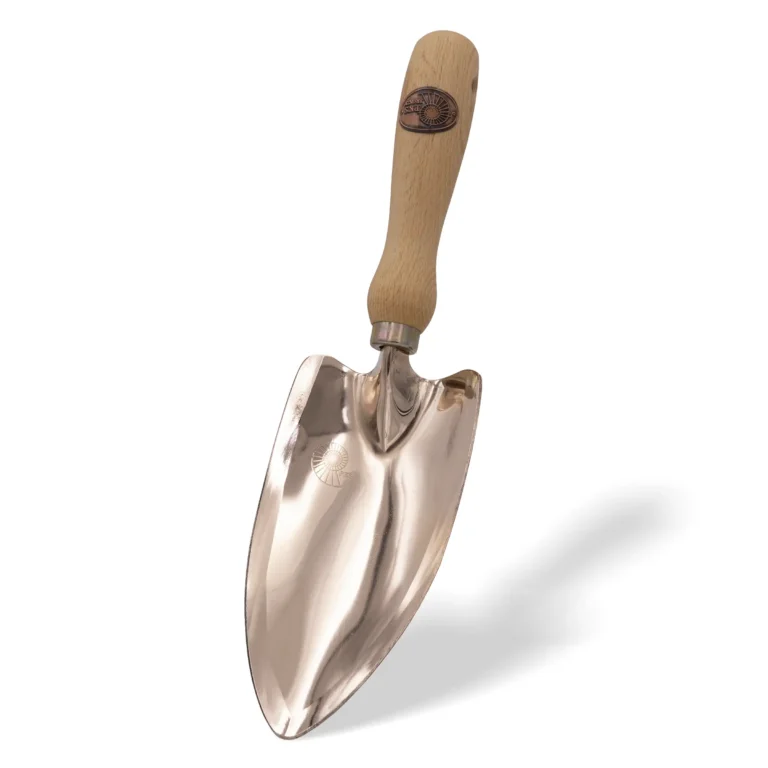
• Hand trowel for small plants and bulbs
• Garden fork for breaking hard soil and lifting roots
• Steel rake for leveling the bed
• Gardening gloves to protect your hands
• Tape measure for checking bed size
• Garden hose, rope, or string to mark the shape
• Wheelbarrow or garden cart for moving soil and mulch
• Compost or aged organic matter for improving the soil
• Bucket for collecting weeds, stones, and roots
• Safety glasses if the soil contains stones or debris
A spade has a flat blade and works well for cutting the bed outline. A shovel has a curved blade, so it is better for lifting and moving soil. If your ground is hard, a garden fork may save you a great deal of effort.
You may also need a pick mattock for rocky or compacted ground. For a very large bed, a rototiller can help, but it is not always the best choice. Tilling wet soil can damage its structure and create hard clods later.

Choosing the Best Location
Before you dig a flower bed, study the site for a full day if possible. Notice how much sun reaches the area in the morning and afternoon. Also watch where water collects after rain.
Most flowering plants need at least six hours of direct sun each day. Some plants, such as hostas, coral bells, and woodland phlox, prefer partial or full shade. Match the bed to the plants you want rather than forcing sun-loving flowers into a dark corner.
Check these site details:
• Sun exposure during the growing season
• Drainage after heavy rain
• Distance from trees and large shrubs
• Nearby paths, fences, and buildings
• Access to a hose or watering can
• Soil depth and visible roots
• Possible interference from underground utilities
Tree roots can make digging difficult and may compete with flowers for water. Large trees also create dry shade beneath their canopy. If roots fill the top layer, consider a smaller bed, shade plants, or a raised bed instead.
In the United States, contact 811 before digging. This service helps locate underground utility lines. Even a shallow flower bed can damage a cable, gas line, or water pipe if you skip this step.
How to Mark the Flower Bed
A well-marked shape keeps the bed neat and prevents wasted digging. Use a garden hose for curved edges. Use string and stakes for straight lines.
Keep the shape broad enough to reach the middle from both sides. A bed wider than about four feet can be hard to weed and water without stepping into it. Along one-sided access, aim for about two feet in width.
Follow these steps:
-
Mow or trim the grass short.
-
Lay out the hose, rope, or string.
-
Step back and view the shape from several angles.
-
Make curves smooth and gentle.
-
Mark the edge with flour, landscape paint, or a sharp spade.
-
Measure the length and width before ordering plants or soil.
Avoid narrow points and sharp corners. They dry out more quickly and make mowing harder. A wide, flowing shape often looks more natural and gives plants room to grow.
One lesson I have seen again and again in garden projects is that people make beds too small. Young plants look tiny at first, but many perennials spread within two or three seasons. Leave enough space for mature growth.

Preparing the Ground Before Digging
Preparation makes the actual digging much easier. Water the area one or two days before you begin if the soil is very dry. Moist soil cuts well, but wet soil sticks to tools and loses its air spaces.
Remove surface obstacles first. Clear away branches, thick weeds, stones, and lawn debris. If the area has turf, decide whether you will remove it or cover it.
For a new bed over lawn, you have two main options:
• Dig out the sod with a spade. This gives quick results and works well for small beds.
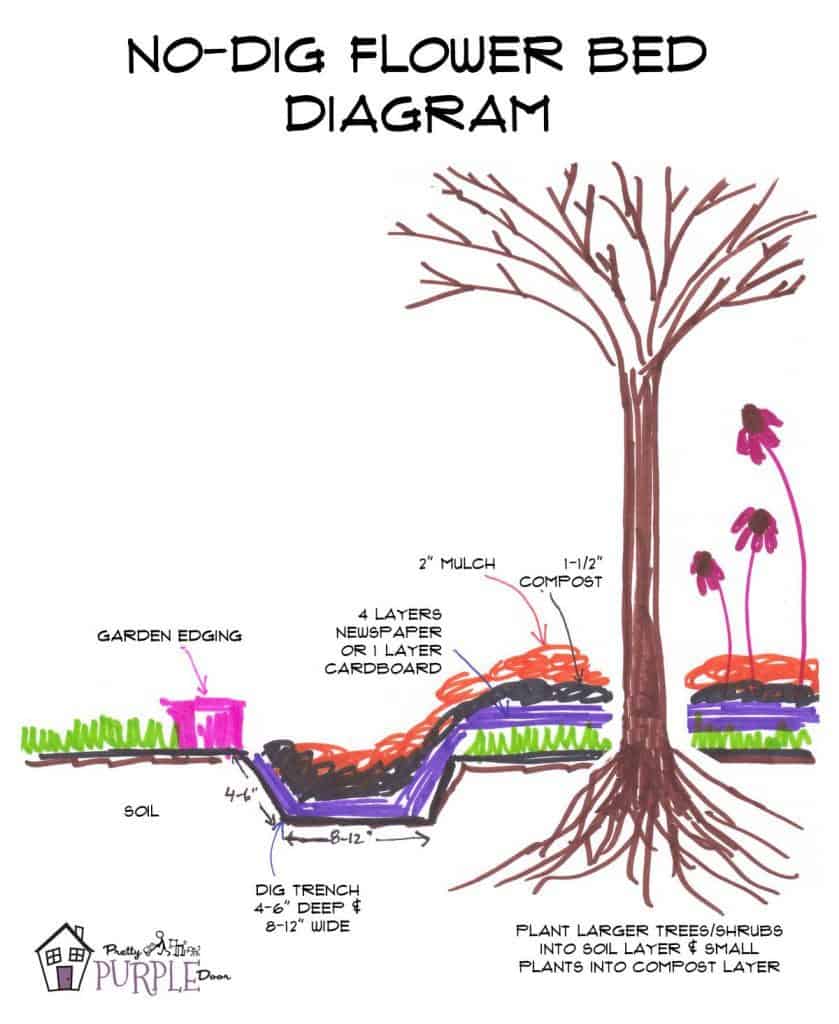
• Smother the grass with cardboard and compost. This takes longer but requires less lifting.
To remove sod, cut it into strips about one foot wide. Slide the spade beneath the roots, lift the strip, and shake off extra soil. Roll the sod with the grass side down or move it to a compost area.
For sheet mulching, overlap plain cardboard by several inches. Wet it well, then add four to six inches of compost and mulch. This method can suppress grass, but the bed may need several months before it is ready for deep-rooted plants.

How to Dig a Flower Bed Step by Step
Once you know what do I need to dig a flower bed, follow a steady order. Rushing often leads to uneven edges, buried grass, or poor soil preparation.
- Cut the outer edge
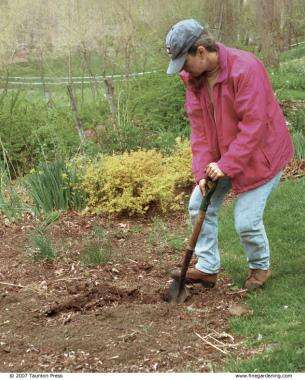
Use a sharp spade to slice along the marked line. Push the blade straight down. This creates a clean border and stops grass roots from creeping into the bed.
- Remove grass and weeds
Lift the sod in small sections. Remove perennial weeds and as many roots as you can. Do not place invasive weeds with mature seeds into a cold compost pile.
- Loosen the soil
Dig to about 8 to 12 inches for most annuals and perennials. Work in sections rather than trying to turn the whole bed at once. Use a garden fork when the soil is compacted or full of roots.
- Break large clumps
Turn large clods with the spade or fork. Do not grind the soil into dust. Healthy soil contains air spaces, minerals, organic matter, water, and living organisms.
- Add organic matter
Spread one to three inches of finished compost over the surface. Mix it into the upper 6 to 8 inches. Compost improves soil texture, but adding too much can cause drainage and nutrient problems.
- Remove stones and roots
Pick out large stones, thick roots, plastic, and other debris. Small stones are not usually harmful and do not need to be removed one by one.
- Rake the surface
Smooth the bed so it has a gentle, level finish. Keep the soil slightly lower than nearby paths if you plan to add mulch.