What Is A Small Spade Called: Names And Uses
A small spade is usually called a hand trowel, especially for planting, digging, and moving soil.
If you have searched for what is a small spade called, you are not alone. The name can change by region, tool shape, and job. In most American garden stores, the correct term is hand trowel, but terms such as mini spade, planting trowel, and transplanting trowel may also apply.
What Is a Small Spade Called?
The most common name for a small spade is a hand trowel. It has a short handle and a narrow or wide scoop-shaped blade. Gardeners use it with one hand to dig small holes, plant flowers, remove weeds, and move loose soil.
A hand trowel is the small garden tool most people mean when they ask what is a small spade called. It is not simply a smaller version of a full-size spade. Its short handle gives you better control for close work around plants.
In the United States, stores may label this tool as:
• Hand trowel
• Garden trowel
• Planting trowel
• Transplanting trowel
• Mini spade
• Small garden shovel
These names can overlap. Still, hand trowel is the clearest and most widely understood answer to what is a small spade called.

Hand Trowel vs. Small Spade
A hand trowel and a small spade may look alike, but they often have different blade shapes and uses. A trowel usually has a curved blade that acts like a small scoop. A spade usually has a flatter, more straight-edged blade made for cutting and lifting soil.
The word spade also describes a full-size garden tool with a flat blade and a long handle. When the tool is small enough to hold in one hand, sellers often use the term hand trowel instead.
Here is a simple comparison:
| Tool | Main feature | Common use |
|---|---|---|
| Hand trowel | Short handle and curved blade | Planting and small holes |
| Small spade | Small flat or pointed blade | Cutting and lifting soil |
| Garden shovel | Curved blade and long handle | Moving larger amounts of soil |
| Transplanting trowel | Long, narrow blade | Moving seedlings and bulbs |
| Scoop trowel | Deep, rounded blade | Moving potting mix or compost |
If you ask what is a small spade called at a garden center, “hand trowel” will usually get the best result. If you need a narrow blade for deep roots, ask for a transplanting trowel.
Types of Small Garden Spades and Trowels
Not every small digging tool has the same job. Choosing the right type can protect plant roots, reduce hand strain, and make garden work much faster.
Standard Hand Trowel
A standard hand trowel has a short grip and a blade about 3 to 6 inches long. It works well for planting annual flowers, herbs, and small vegetables.
This is the tool most people picture when asking what is a small spade called. Look for a blade with a strong connection to the handle, since this joint receives the most stress.
Transplanting Trowel
A transplanting trowel has a long, slim blade. It helps you make deep holes for seedlings, bulbs, and plants with long roots.
The narrow design also lets you work between plants without disturbing nearby roots. It is a useful choice for crowded flower beds and container gardens.
Border Spade
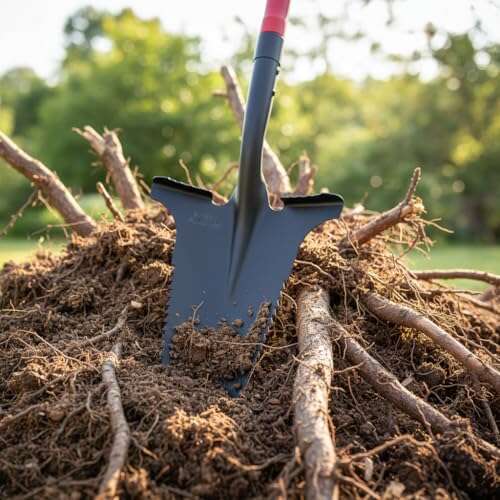
A border spade is a smaller version of a traditional spade. It usually has a flat blade and a long handle, although some compact models have shorter handles.
This tool is useful for edging beds and cutting through firm soil. It is not always what people mean by what is a small spade called, but it is a true small spade in many tool catalogs.
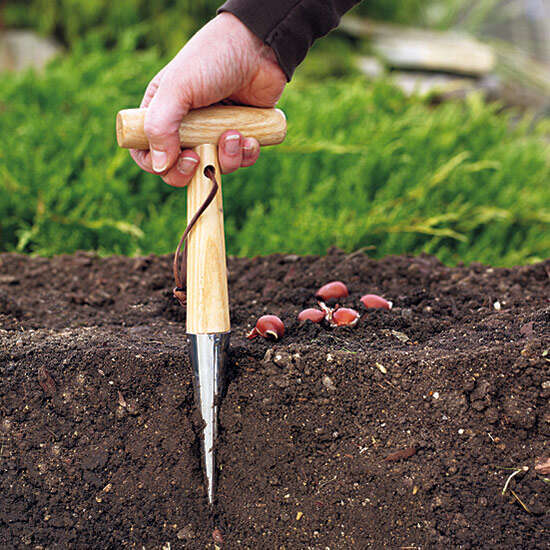
Bulb Planter
A bulb planter has a tube-shaped or cone-shaped blade. It removes a plug of soil and creates a hole at the right depth for bulbs.
It is more specialized than a hand trowel. For a few bulbs, a hand trowel works well. For dozens of bulbs, a bulb planter can save time.
Weeding Trowel
A weeding trowel has a narrow, sharp blade. It can slide into tight spaces and help loosen weeds near the root.
Use care around shallow-rooted plants. A narrow blade can cut useful roots if pushed too close to the plant.

What Is a Small Spade Used For?
A small spade, usually called a hand trowel, is made for careful work that does not require a long handle. It gives you control where a full-size shovel would feel clumsy.
Common uses include:
• Digging holes for flowers and herbs
• Planting vegetable seedlings
• Moving small amounts of soil
• Mixing compost into a container
• Removing weeds
• Dividing small plants
• Planting bulbs
• Loosening soil around roots
• Filling pots with potting mix
• Creating shallow trenches for seeds
For example, if you are planting basil in a container, a hand trowel can make a clean hole without disturbing the rest of the soil. If you are planting a shrub, a full-size spade is usually safer and more efficient.
A useful rule is simple: use a hand trowel for detail work and a full-size spade for forceful digging. Using the right tool keeps the work easier and helps prevent damage to plants.
How to Choose the Right Small Spade
The best tool depends on your soil, plants, and hand strength. A cheap tool may work for light potting mix but bend in hard clay or rocky ground.
Check the Blade Material
Stainless steel resists rust and is easy to clean. Carbon steel is often very strong, but it needs drying and occasional oiling to limit rust.
Aluminum is light and comfortable for long sessions. However, it may bend more easily when used in packed soil or against rocks.
Consider the Blade Shape
Choose a wide blade for moving soil and filling pots. Choose a narrow blade for transplanting seedlings and working between plants.
A pointed blade enters firm soil more easily. A rounded blade is better for scooping loose compost and potting mix.
Test the Handle
The handle should feel secure and comfortable. A soft grip can reduce pressure on your palm, while a wooden handle may offer a classic feel and long service life.
Avoid a handle that twists when you hold the blade still. A loose handle can make even simple planting tiring and unsafe.
Look at the Connection
The point where the blade meets the handle is called the ferrule or socket. This area should be firmly attached, with no visible gaps or movement.
In my hands-on gardening experience, this is where many low-cost tools fail first. A strong blade is not enough if the handle connection bends after a few uses.
How to Use a Hand Trowel Safely
A hand trowel is small, but its edge can still cause cuts. Safe technique matters, especially when the soil is hard.
Follow these steps:
- Wear gloves that fit well and allow finger movement.
- Check the soil for stones, glass, wire, or hidden roots.
- Push the blade into loose soil with controlled pressure.
- Keep your other hand away from the blade path.
- Do not twist the tool sharply when it is stuck.
- Use a larger spade if the ground needs heavy force.
- Clean the blade after use.
- Store the tool in a dry place.
Never use your foot to force a hand trowel into hard ground. The short handle is not designed for that pressure. You could bend the blade, break the handle, or lose control of the tool.
If soil is very dry, water it lightly and wait before digging. Moist soil is often easier to work, but saturated soil can smear, compact, and damage delicate roots.

How to Care for a Small Spade
Good care helps a hand trowel last for many seasons. Dirt and moisture are the main causes of rust, weak joints, and dull edges.
After each use:
• Remove soil with a brush or cloth.
• Rinse the blade if dirt is stuck.
• Dry the tool fully.
• Check the handle and ferrule.
• Store it under cover.
Apply a thin coat of oil to a carbon steel blade before long-term storage. Do not leave any metal garden tool outside in rain or wet soil.
If the blade becomes dull, sharpen it with a hand file. Use slow strokes and keep the file moving away from your body. A sharp edge enters soil more easily, so it often requires less force.
One mistake I often see is storing tools with wet soil packed around the blade. That small habit can cause rust and make the next gardening session harder. A quick clean takes less than a minute and prevents many problems.
Common Mistakes When Buying a Small Spade
Many people focus only on price or appearance. A tool can look strong on a store shelf but still feel poor in real soil.
Avoid these common mistakes:
• Buying a blade that is too narrow for general planting
• Choosing a weak plastic handle for hard soil
• Ignoring the blade-to-handle connection
• Selecting a heavy tool for container gardening
• Buying a pointed blade when you need a soil scoop
• Choosing a tool without a comfortable grip
• Assuming every “mini spade” has the same design
Think about the job before choosing the name. If you need to plant seedlings, search for a transplanting trowel. If you need to move potting soil, search for a scoop trowel. If you need to cut an edge, look for a border spade.
This approach gives a better answer to what is a small spade called than relying on one label alone. Tool names help, but the blade shape and intended use matter more.

Why the Name Can Be Confusing
The word “spade” has different meanings in everyday speech. Some people use it for almost any digging tool. Others use it only for a flat-bladed tool with a long shaft.