What Shovel To Use To Remove Grass: Best Tool Guide
For most home lawns in the United States, use a sharp, square-point digging spade to remove grass. Its flat blade cuts clean lines through sod and helps lift shallow root mats. A round-point shovel works better when the soil is hard, rocky, or deep. For a large lawn, rent a manual or powered sod cutter instead of relying on a shovel.
The best tool depends on the size of the area, soil type, grass roots, and the depth of sod you need to remove. For a small garden bed, a sharp spade is usually the most practical choice.

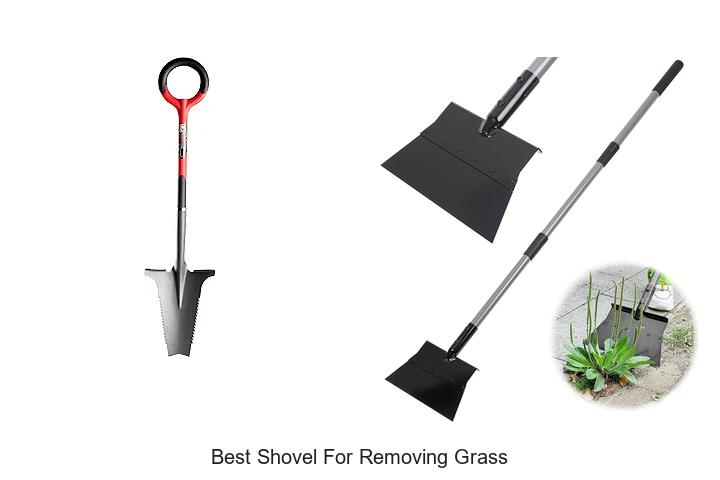
The best shovel for removing grass
A square-point spade is the best all-purpose shovel for removing grass from a small or medium patch. The straight edge slices through the turf. The flat blade also helps you lift pieces of sod with less soil attached.
Look for these features:
- A sharp, straight cutting edge
- A strong steel blade
- A foot step on the top of the blade
- A handle that feels stable and fits your height
- A blade about 8 to 12 inches wide
- A shaft long enough to let you work without bending too far
A garden spade is often better than a wide transfer shovel. A transfer shovel is made for moving loose soil, mulch, or gravel. It may not cut grass roots well.
Shovel types compared
| Tool | Best use | Main benefit | Main limit |
|---|---|---|---|
| Square-point spade | Small lawn patches and garden beds | Cuts clean edges and lifts sod | Needs more force in hard soil |
| Round-point shovel | Hard, dry, or rocky soil | Penetrates uneven ground well | Makes less precise cuts |
| Border spade | Small beds and tight spaces | Easy to control | Smaller blade removes less sod |
| Flat shovel | Lifting thin, loose sod | Slides under shallow turf | Poor for hard, rooted soil |
| Manual sod cutter | Medium lawn areas | Removes even strips | Costs more and needs setup |
| Powered sod cutter | Large lawn removal | Saves time and effort | Rental cost and machine safety concerns |
For most do-it-yourself projects, start with a square-point spade. Switch to a round-point shovel if the blade cannot enter the ground without excessive force.
Choose the tool by project size
The right tool changes with the size of the area. A shovel is practical for a small patch, but it becomes slow and tiring across a large lawn.
Small areas: use a garden spade
A sharp spade works well for:
- A planting bed
- A tree ring
- A path edge
- A small patch of dead grass
- A repair area after construction
You can cut the sod into squares or strips. Smaller pieces are easier to lift and carry.
Medium areas: use a sod cutter or spade
For a larger bed, a manual sod cutter can make cleaner, more even strips. A shovel still helps with corners, edges, and areas near fences.
A sod cutter is useful when you want to:
- Remove an even layer of turf
- Reuse the sod
- Prepare a large planting bed
- Avoid digging out excess soil
- Reduce the time spent kneeling or bending
Large areas: rent a powered sod cutter
A powered sod cutter is often the better choice for a full lawn or a large front-yard project. It cuts a set depth below the grass and rolls or lifts the turf in strips.
Before renting one, check:
- Whether the machine fits through gates
- Whether the ground is level enough to use it safely
- Whether irrigation lines have been marked
- Whether the rental includes operating instructions
- Whether you have help to move the cut sod
A machine does not remove the need for preparation. Mark hazards first, water dry soil, and read the rental manual.
How to remove grass with a shovel
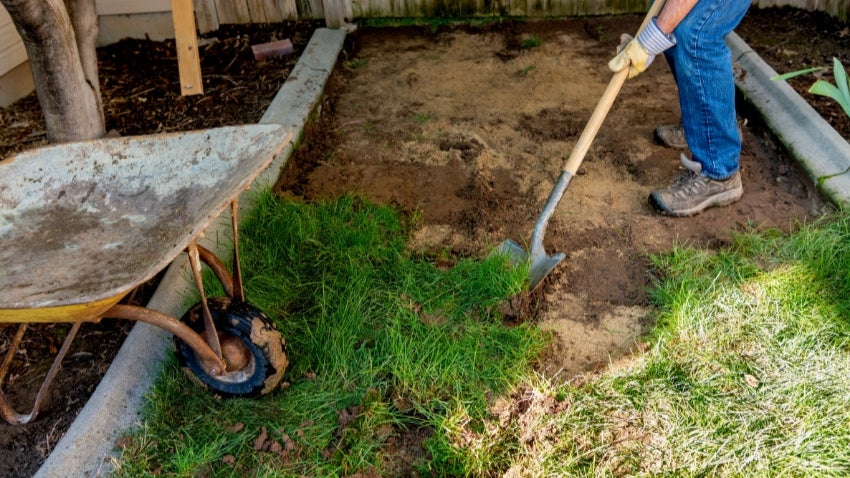
Use this method for a small or medium patch. The goal is to cut the roots below the crown of the grass while removing as little topsoil as possible.
What you need
Gather:
- A sharp square-point spade
- A round-point shovel, if the soil is hard
- A garden hose or measuring tape
- Marking paint or stakes
- Work gloves
- Safety glasses
- A wheelbarrow or tarp
- A rake
- A file or sharpening tool, if the blade is dull
Step 1: Mark the area
Mark the outline with lawn-safe marking paint, stakes, or a hose. Straight lines make the sod easier to cut and stack.
Call 811 before digging in the United States. The national 811 service helps locate public underground utilities. Wait for the required markings in your state before you dig. Private lines, such as some sprinkler lines or lighting wires, may not be marked by the public service, so check those separately.
Step 2: Mow the grass
Mow the area short if possible. Short grass gives you a clearer view of the soil and makes the sod easier to handle.
Do not mow if the ground is too wet. Wet soil can smear, compact, and stick to the sod.
Step 3: Water hard soil
Water the area one day before removal if the soil is dry and hard. Aim for soil that is firm but easy to cut.
Avoid working in mud. If your boots sink deeply or soil sticks to the blade, wait for the ground to dry.
Step 4: Cut the edges
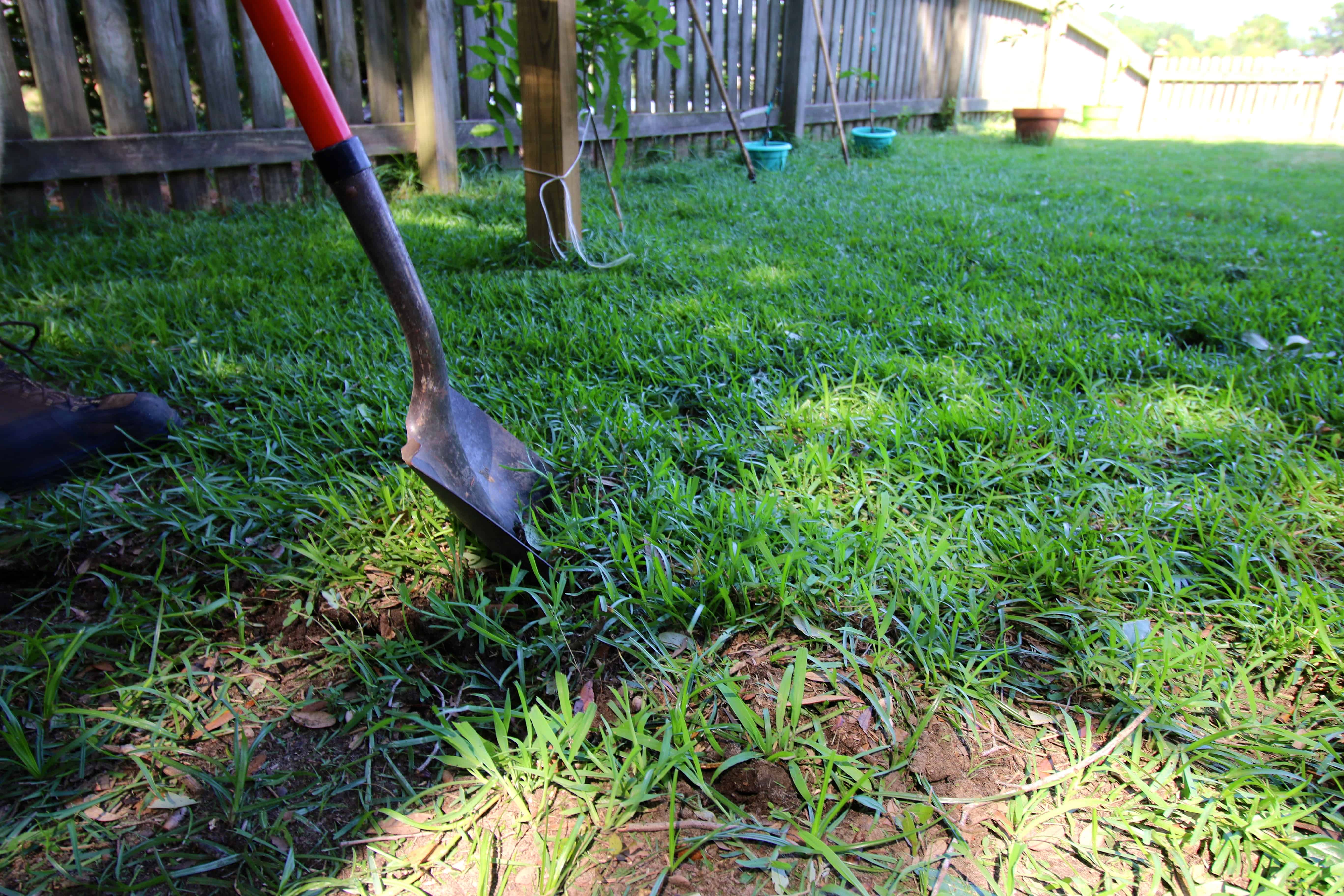
Hold the spade upright. Push it down along the marked edge to cut through the roots.
For a neat patch, cut about 2 to 4 inches deep. The correct depth depends on the grass and root mat. Thick turf may need a deeper cut. Thin turf may come up with a shallower cut.
Step 5: Divide the sod
Cut the area into strips about 1 to 2 feet wide. You can also make squares about 1 foot wide.
Smaller pieces reduce lifting strain. They also help you keep the removed soil level.
Step 6: Slide the spade below the roots
Insert the blade under one end of a strip. Push the blade forward with your foot while keeping your back as straight as you can.
Work in short sections. If the sod tears, cut more lines instead of pulling harder.
Step 7: Lift and roll the sod
Lift each piece with the spade. Roll the grass with the roots facing inward if you plan to reuse it.
Shake off loose soil only when needed. Removing too much soil can leave the new bed low and can reduce the value of the sod for reuse.
Step 8: Level the soil
Rake the exposed soil. Remove large roots, stones, and leftover clumps.
Check the depth against nearby paths, edging, driveways, and door thresholds. A new bed often needs compost or other soil amendments, but do not raise soil against siding or wood structures.
Signs the job is going well
You are on the right track when:
- The sod lifts in clear strips
- The cut depth stays fairly even
- The soil does not turn to mud
- The blade enters without extreme force
- You remove roots without taking large amounts of soil
If the sod breaks apart, sharpen the blade, make smaller sections, or adjust the soil moisture.
Adjust your method for soil and grass type
Soil condition often matters more than grass type. The same shovel can feel easy in moist loam and nearly useless in dry clay.
Clay soil
Clay can become very hard when dry and sticky when wet. Water it lightly before digging, then wait until it is workable.
Use a round-point shovel to open the first cut. Once the edge is started, use the square-point spade to make clean lines.
Sandy soil
Sandy soil may not hold together as a sod mat. Remove smaller pieces and expect more loose soil.
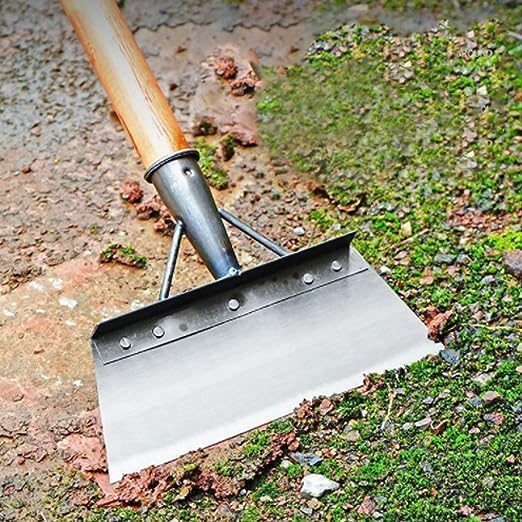
A flat shovel can help slide under thin turf, but it may not cut deep roots well.
Rocky soil
A square spade may strike rocks and bend or damage its edge. Use a round-point shovel to loosen the soil around rocks.
Do not use a shovel as a pry bar. If a rock will not move, use a proper digging bar or remove soil around it.
Cool-season grasses
Kentucky bluegrass, tall fescue, perennial ryegrass, and similar grasses may form a dense surface mat. A sharp spade can cut this mat into reusable sections.
Warm-season grasses
Bermudagrass, zoysiagrass, and other spreading grasses can leave stolons or rhizomes behind. These are above-ground or underground stems that may grow again.
Remove leftover runners when the goal is to eliminate the grass. Watch the area for regrowth and pull new shoots before they spread.

Common mistakes when removing grass
The most common mistake is using a dull shovel. A dull edge forces you to stomp harder and can make the sod break apart.
Avoid these errors:
- Digging too deep: You remove extra soil and create more work.
- Working in mud: Wet soil smears and compacts.
- Pulling instead of cutting: This leaves roots behind.
- Making pieces too large: Heavy sod can strain your back.
- Using a wide mulch shovel: It may not cut roots.
- Prying with the blade: This can bend the shaft or blade.
- Ignoring regrowth: Spreading grasses may return from small root pieces.
- Skipping utility checks: Underground lines can create a serious hazard.
- Leaving exposed soil bare: Wind and rain can cause erosion and weed growth.
If your shovel will not enter the ground, stop and find the cause. The soil may be too dry, the blade may be dull, or roots and rocks may be blocking the cut.

Work safely with a shovel
Use your legs and keep the load close to your body. Bend at the knees and avoid twisting while lifting.
Take smaller pieces if the sod feels heavy. A wet piece of sod can weigh much more than a dry piece.
Wear gloves to protect your hands from sharp grass stems, rocks, and metal edges. Safety glasses help protect your eyes when soil or stones move during digging.
Keep other people away from the work area, especially children and pets. Store the shovel with the blade covered or facing a safe direction.
Stop if you feel sharp back pain, numbness, dizziness, or unusual weakness. Do not force a tool that is stuck. Step away, clear the soil around the blade, and try again with less pressure.
For underground utilities, follow your state’s 811 rules. The official national starting point is 811 Before You Dig. Also check private irrigation, lighting, gas, and communication lines that may not be included in public marking.
What to do with removed grass
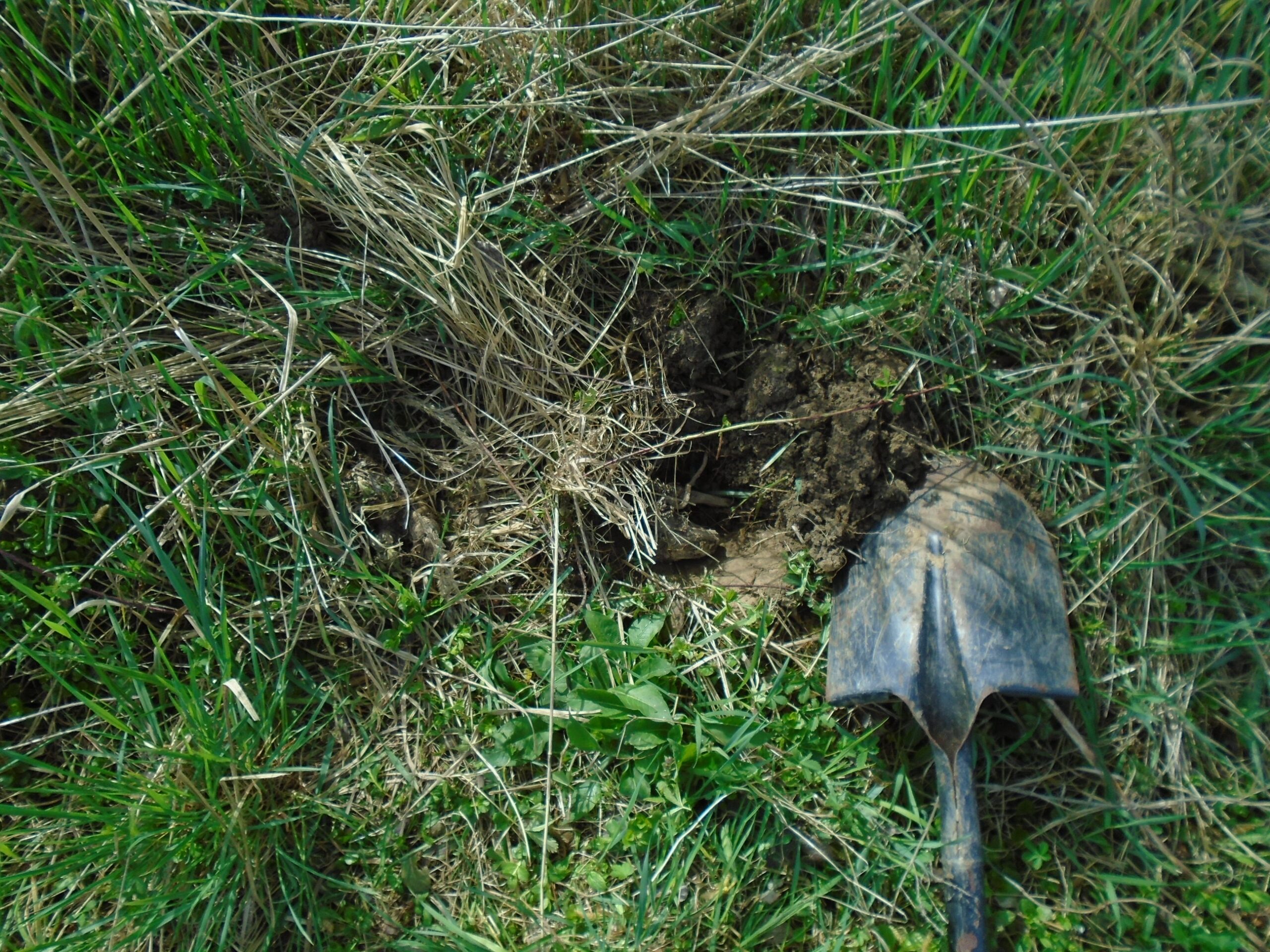
You can reuse healthy sod if it is free of serious weeds, pests, and disease. Lay it grass-side down in a compost pile, or stack it grass-side up if you plan to reuse it soon.
Do not move invasive grass into a new part of the yard. Bermudagrass and other spreading grasses can regrow from small pieces.
If the sod contains herbicide-treated material, invasive weeds, or disease, follow your local disposal rules. Your city, county, or state waste program may have separate rules for yard waste.
For a new planting bed, remove the grass fully before adding compost or mulch. Covering live turf with a thin layer of soil often fails because the grass can grow through it.
Key takeaways
- Use a sharp square-point spade for most small grass-removal jobs.
- Use a round-point shovel when soil is hard, rocky, or compacted.
- Cut sod into small strips or squares for easier lifting.
- Remove about 2 to 4 inches of sod, adjusting for root depth.
- Water dry soil lightly, but do not dig in mud.
- Rent a sod cutter for a large, even lawn area.
- Call 811 before digging and check private utility lines.
FAQs
Can I use a regular round shovel to remove grass?
Yes. A round-point shovel can remove grass, especially from hard or rocky soil. It is less precise than a square-point spade, so the edges may be uneven.
Should I remove grass when the soil is wet?
No. Slightly moist soil is easier to cut, but wet soil can smear and compact. Wait until the soil crumbles instead of sticking to your boots and shovel.
How deep should I dig to remove grass?
Start at about 2 to 4 inches. Adjust the depth until you remove the root mat without taking large amounts of soil. Spreading grasses may require extra care because runners and rhizomes can remain below the surface.
Is a sod cutter better than a shovel?
A sod cutter is better for large areas or when you need an even cut. A shovel is usually cheaper and more useful for small patches, corners, and narrow beds.
Can I remove grass without digging?
You can smother grass with cardboard, mulch, or a light-blocking cover. This takes more time and may fail against aggressive spreading grasses. Digging is faster when you need a clean bed right away.
Conclusion
The best shovel to remove grass is usually a sharp square-point spade. It cuts the sod cleanly, lifts manageable pieces, and works well for most home projects in the United States.
Use a round-point shovel for hard or rocky ground. For a large lawn, choose a sod cutter. No matter which tool you use, mark the area, check utilities, work in workable soil, and cut only as deep as needed.

Laura Bennett is a gardening writer at MyGardenLabs who creates beginner-friendly guides focused on solving common plant care and gardening problems.