Where To Get Pruning Shears Sharpened: Best Local Options
Sharp pruning shears make clean cuts with less effort. In the United States, you can usually get pruning shears sharpened at a local tool-sharpening shop, some hardware stores, garden centers, mobile sharpening services, or the tool maker’s repair center.
The best choice depends on the shear type, blade damage, travel distance, and whether the tool needs more than sharpening. A professional sharpener can often restore a dull edge, but a bent blade, cracked handle, or worn spring may call for repair or replacement.

The Best Places to Get Pruning Shears Sharpened
A dedicated sharpening service is usually the best option for quality and convenience. These businesses work on knives, scissors, mower blades, axes, and other cutting tools. Many also sharpen garden tools such as bypass pruners, loppers, hedge shears, and hand snips.
Here are the most useful places to check in the United States:
| Service | Best for | What to confirm |
|---|---|---|
| Local tool-sharpening shop | Professional sharpening and damaged blades | Whether it sharpens garden pruners |
| Hardware store | Simple, local drop-off service | Whether sharpening is done on-site or sent out |
| Garden center or nursery | Garden tools and common pruners | Turnaround time and tool types |
| Mobile sharpening service | Convenience and several tools at once | Service area, minimum charge, and appointment rules |
| Manufacturer repair center | Branded or high-end pruning shears | Warranty, shipping, repair, and replacement policies |
| Farm or landscaping equipment dealer | Heavy-duty tools and loppers | Whether hand pruners are included |
| Mail-in sharpening service | No nearby local provider | Shipping cost, insurance, and return time |
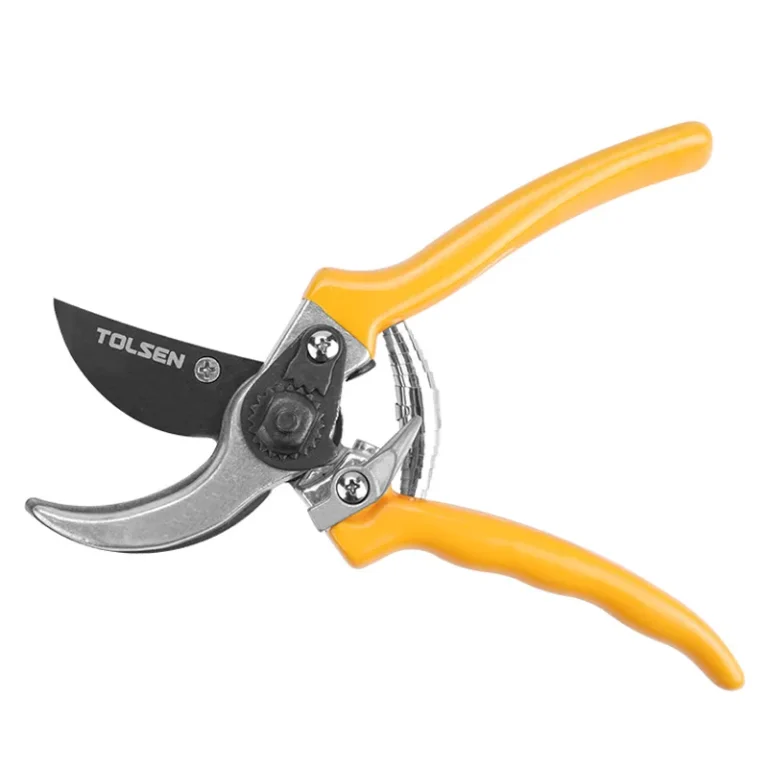
A knife sharpener may be able to sharpen pruning shears, but do not assume every sharpener understands bypass pruners. Bypass shears have two parts that must meet correctly: a curved cutting blade and a thicker counter blade. A poor sharpening job can change that alignment.
How to find a service near you
Search Google Maps, Apple Maps, or a local business directory for:
- “garden tool sharpening near me”
- “pruning shear sharpening near me”
- “tool sharpening service”
- “lawn mower blade sharpening”
- “mobile tool sharpener”
- “knife and scissor sharpening”
- “garden center tool sharpening”
Call before you drive over. Ask, “Do you sharpen bypass pruning shears, and do you check blade alignment after sharpening?” That question quickly separates a suitable service from one that only sharpens kitchen knives.
What to Ask Before You Hand Over Your Shears
Ask about the method, price, turnaround time, and inspection process before approving the work. A good sharpener should be able to explain what they will do in plain language.
Use this checklist:
-
Do you sharpen bypass and anvil pruning shears?
These tools have different cutting designs. The sharpener should know which type you have. -
Will you sharpen the blade or replace it?
Some models have replaceable blades. Replacement may make more sense than grinding away a badly damaged edge. -
Do you check alignment and blade tension?
Sharp edges alone do not guarantee a clean cut. The blades must pass each other correctly. -
Can you remove sap and rust first?
Dirt and plant resin can hide damage. Cleaning may be a separate service. -
What is the total cost?
Ask whether inspection, cleaning, sharpening, adjustment, and return shipping are separate charges. -
How long will the service take?
Local drop-off jobs may be ready sooner than mail-in work, but timing varies by shop. -
What happens if the blade is cracked or bent?
A reputable service should tell you when sharpening will not solve the problem. -
Can you sharpen this brand or model?
Some branded shears use special blade shapes, screws, or replacement parts.
Take a photo of the shears before leaving them with the shop. It helps document their condition and can prevent confusion if you leave several similar tools.
What a proper service should include
For many pruning shears, useful service includes:
- Removing dirt, sap, and surface rust
- Inspecting the blade and counter blade
- Sharpening the correct bevel
- Checking blade alignment
- Adjusting the center bolt or tension
- Inspecting the spring and handle
- Applying a light protective lubricant
- Testing the cut on suitable material
Not every shop offers all of these steps. Ask which tasks are included rather than assuming that “sharpening” means a full tune-up.
Should You Use a Local Sharpener or Mail-In Service?
Choose a local sharpener when you want quick service, lower shipping risk, or help deciding whether the shears are worth repairing. Choose a mail-in service when you own a specialized model or live far from a qualified tool sharpener.
Local service is usually better when:
- You need the shears back soon.
- You have several garden tools to sharpen.
- The shears need alignment or repair.
- You want to discuss damage in person.
- Shipping would cost more than the tool is worth.
Mail-in service may make sense when:
- The shears are expensive or professional-grade.
- The manufacturer offers a repair program.
- No nearby shop handles garden tools.
- You need a hard-to-find replacement part.
- You want the maker to inspect the tool.
Pack mail-in shears so the blades cannot move through the box. Close and lock the handles if the design allows it. Wrap the tool in cardboard or thick material, place it in a sturdy box, and follow the service’s shipping instructions.
Do not mail a tool with loose blades, exposed points, or leaking oil. Ask the carrier and service provider about current shipping rules if the tool contains any other material.
A simple value check
Compare the full service cost with the price of a new tool of similar quality.
For example, if sharpening, shipping, and repair cost nearly as much as a new pair, replacement may be sensible. Repair is more attractive when the shears have durable handles, replaceable parts, a comfortable fit, or a blade design that is difficult to replace.
This is not only a price decision. A well-made pair that fits your hand may be worth maintaining even when a cheaper replacement costs less.
When Sharpening Will Not Fix the Problem
Sharpening cannot correct every problem. Replace or repair the shears when the blade is cracked, badly bent, deeply pitted, or missing a large section of metal.
Look for these signs:
- The handles feel loose or cracked.
- The center bolt will not hold adjustment.
- The spring is broken or keeps falling out.
- The blades do not meet along their cutting path.
- The cutting blade has a deep chip.
- The blade is bent sideways.
- The tool cuts poorly even after careful cleaning and adjustment.
- Rust has caused deep pits on the cutting edge.
- The handles lock or bind during use.
A small amount of surface rust may be removable. Deep rust can weaken the blade and make a safe repair impractical.
Some pruning shears have replaceable blades, springs, bolts, or counter blades. Check the maker’s parts list or manual before discarding a good tool. Felco, for example, publishes maintenance and parts information for many of its models through its U.S. support resources. Manufacturer instructions should take priority over a general sharpening method.
How to Prepare Pruning Shears for Sharpening
Clean the tool before you take it to a sharpener, unless the service includes cleaning. Remove loose soil and plant residue with a stiff brush or cloth. Do not force the blades apart if they are stuck.
For sap, use a cleaner that is suitable for the tool’s finish and follow its label. Avoid soaking shears in water for long periods. Dry all metal parts well to reduce rust.
Before drop-off, check the following:
- The blades open and close.
- The locking catch works.
- The spring is present.
- The center bolt is present.
- The handles are not cracked.
- The blade has no obvious crack.
- The model number is visible, if available.
Tell the sharpener what the tool cuts and what changed. “It crushes stems near the tip” gives more useful information than “It is dull.” Crushing may point to alignment or blade damage, not only a dull edge.
Signs the sharpening worked
After service, pruning shears should:
- Open and close without grinding.
- Cut a suitable stem with modest hand pressure.
- Leave a clean cut rather than tearing or crushing.
- Keep the blades aligned.
- Hold their adjustment during repeated cuts.
- Lock safely when stored.
Do not test sharpness on your finger. Use an appropriate small stem, such as a piece of fresh, pencil-thick woody growth that matches the tool’s rated capacity. Follow the manufacturer’s instructions for the maximum size.
Can You Sharpen Pruning Shears at Home?
You can sharpen some pruning shears at home with a suitable sharpening file or stone, but professional service is safer when the blade is damaged or the tool has complex adjustment needs.
Home sharpening works best when:
- The edge is dull but not chipped.
- The blade is straight.
- You know the correct bevel angle.
- You can secure the tool safely.
- You can check alignment after sharpening.
Before starting, read the tool manual. Wear eye protection and keep your fingers away from the cutting path. Secure the shear so it cannot close unexpectedly.
Use light, controlled strokes that follow the existing bevel. Do not grind heavily or change the blade shape. Remove only enough metal to restore a consistent edge. Afterward, clean away metal filings, lightly lubricate the moving parts, and check the adjustment.
Stop and use a professional when the blade is cracked, badly bent, deeply rusted, or difficult to remove. Power grinders can remove metal quickly and create heat. Excess heat may damage the blade’s temper, so they are a poor choice for casual sharpening.
Why bypass and anvil shears differ
Bypass shears cut like scissors. The thin blade passes the counter blade. The sharp edge must stay on its designed bevel, and the blades must meet without rubbing too tightly.
Anvil shears cut by pressing a blade against a flat surface. Their blade shape and adjustment differ from bypass models. If you are unsure which type you have, show the tool to the sharpener rather than guessing.
How Often Should Pruning Shears Be Sharpened?
Sharpen pruning shears when they begin to crush, tear, or require unusual force. There is no single calendar schedule because use varies widely.
A home gardener who makes a few cuts each week may need service far less often than a landscaper who uses the same shears every day. Dirty, gritty, or dry wood can also wear an edge faster.
Clean the blades after use and add a small amount of suitable tool oil to the pivot. Store the shears dry and closed. Good care can extend the time between professional sharpening visits.
Do not keep using a tool that needs excessive force. Extra force can cause a slip, damage the plant, and strain your hand or wrist.
Common Mistakes When Choosing a Sharpening Service
The most common mistake is choosing a service based only on the word “sharpening.” The provider may sharpen knives well but have no experience with garden tool alignment.
Avoid these errors:
- Dropping off shears without asking whether they handle bypass blades.
- Assuming cleaning and adjustment are included.
- Ignoring a bent or cracked blade.
- Choosing a service only because it has the lowest price.
- Mailing the tool without protective packing.
- Testing a repaired blade with your fingers.
- Using a grinder without knowing how heat affects the metal.
- Returning to work without checking the lock and blade tension.
A low price is not useful if the tool returns misaligned. The main goal is a clean, controlled cut and a tool that remains safe to use.
Quick Decision Guide
Use this guide to choose your next step:
- The shears are dull but otherwise sound: Find a local tool sharpener.
- The blades crush stems: Ask for sharpening plus alignment and tension adjustment.
- The blade has a chip or deep rust: Request an inspection before approving sharpening.
- The shears are a premium or unusual model: Contact the manufacturer or an experienced garden-tool sharpener.
- You have many tools: Look for a mobile sharpener or a shop that offers batch service.
- No local service is available: Compare a mail-in service with the cost of replacement.
- The handles or pivot are broken: Ask about repair or replacement parts, not sharpening alone.
Frequently Asked Questions
How much does it cost to sharpen pruning shears?
The cost varies by location, tool condition, service type, and whether cleaning or repair is included. Ask for the complete price before approving the work. Mail-in service also adds packing, shipping, and possible insurance costs.
Does Home Depot or Lowe’s sharpen pruning shears?
Some stores may offer tool-sharpening services, but availability differs by store and region. Call the specific location and ask whether it accepts pruning shears, whether work is done on-site, and how long the service takes.
Can a knife sharpener sharpen garden shears?
Some can, but experience with knives does not guarantee experience with bypass pruners. Ask whether the sharpener checks blade alignment and understands the difference between bypass and anvil shears.
Is it better to sharpen or replace pruning shears?
Sharpening is usually sensible when the tool has a sound blade, handles, and pivot. Replacement may be better when the blade is cracked, severely bent, deeply pitted, or when total repair costs approach the price of a suitable new tool.
Can I sharpen pruning shears with a kitchen knife sharpener?
Most kitchen knife sharpeners are not designed for pruning shears. They may not fit the blade shape or preserve the correct bevel. Use a tool made for the shear or take the tool to a qualified sharpener.
How do I know if my pruning shears are sharp enough?
They should cut an appropriate stem cleanly without crushing, tearing, or requiring excessive force. Check the lock, spring, and blade alignment as well. Never test sharpness with your skin.
Conclusion
The best place to get pruning shears sharpened is usually a local tool-sharpening shop that handles garden tools. Hardware stores, garden centers, mobile sharpeners, and manufacturer service centers can also help, depending on your location and the tool’s condition.
Before you go, call and confirm that the service handles your shear type and checks alignment. If the blade is cracked, badly bent, or deeply rusted, request an inspection before paying for sharpening. Then clean and oil the shears regularly so the edge lasts longer.

Laura Bennett is a gardening writer at MyGardenLabs who creates beginner-friendly guides focused on solving common plant care and gardening problems.