Which Is Better Bypass Or Anvil Pruners: Expert Guide
For most pruning tasks, bypass pruners are better because they make cleaner cuts with less plant damage.
Choosing which is better, bypass or anvil pruners, depends on what you cut, how often you prune, and how much control you need. After comparing blade design, cutting performance, plant health, comfort, and real garden use, bypass pruners are the best all-purpose choice. Anvil pruners still have a useful role, especially for dry, hard, or dead wood.
Bypass vs. Anvil Pruners: The Basic Difference
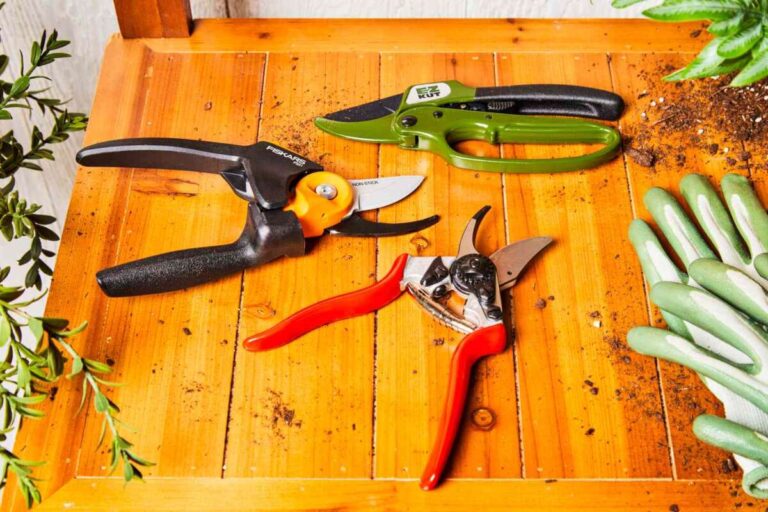
The main difference is how the blades meet. Bypass pruners work like scissors. One sharp blade passes beside a thicker counter blade. Anvil pruners use one sharp blade that presses a branch against a flat surface.
This design affects the cut, the force you need, and the type of wood each tool can handle. Understanding this small detail makes it much easier to decide which is better, bypass or anvil pruners, for your garden.
How bypass pruners work
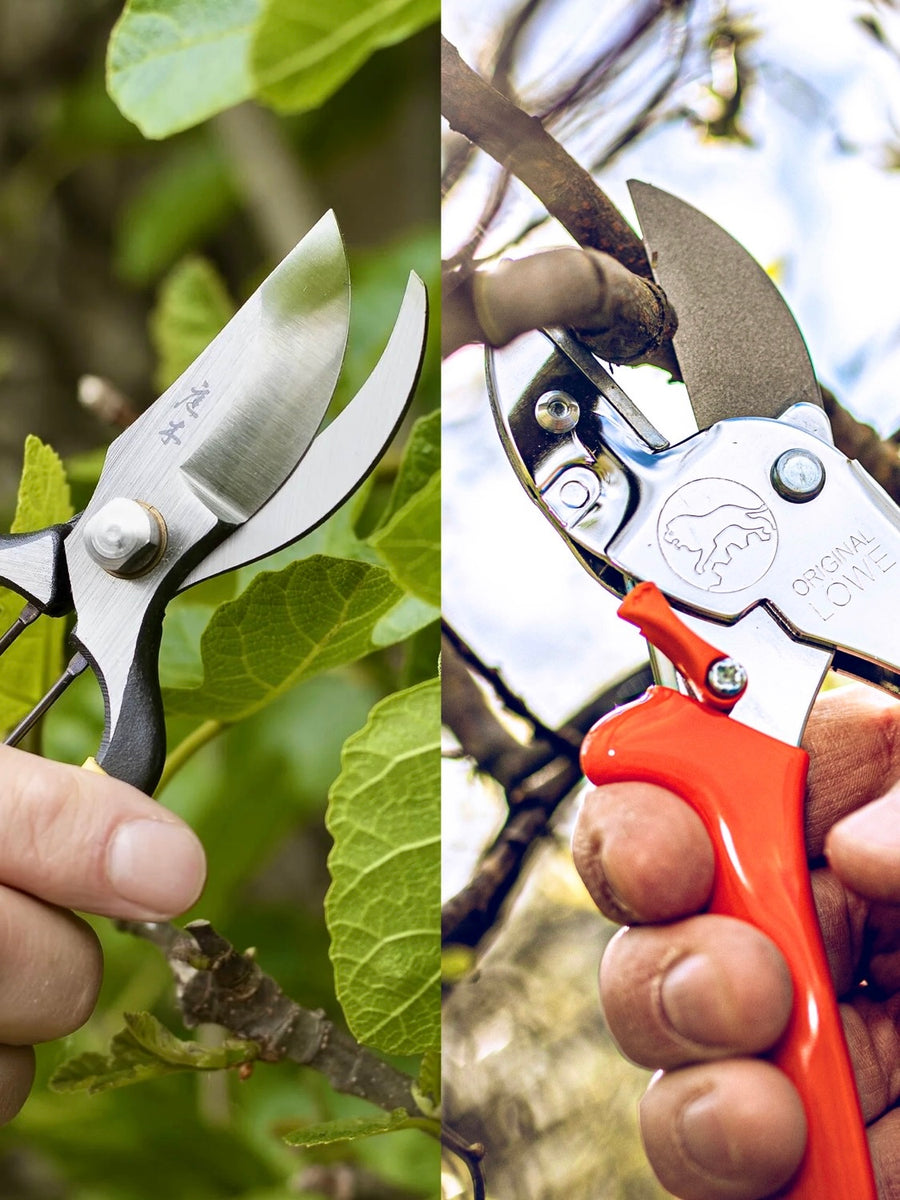
A bypass pruner has two curved blades. The cutting blade slides past the support blade and creates a narrow, clean cut. This action is similar to using a pair of sharp scissors on a stem.
Bypass pruners are often preferred for:
• Green stems
• Live branches
• Roses and flowering shrubs
• Fruit trees
• Young woody growth
• Precise pruning near buds
The blade should pass close to the branch collar without cutting into it. This leaves a smooth wound that can begin to seal naturally.
How anvil pruners work
Anvil pruners have a sharp upper blade and a flat lower block. The blade pushes the branch down onto the anvil. This creates strong crushing force and can make tough cuts easier.
Anvil pruners are useful for:
• Dead branches
• Dry twigs
• Hard, brittle wood
• Removing damaged stems
• Cutting branches where appearance is less important
Anvil pruners are not always poor-quality tools. They simply suit a different job. The key is knowing when their crushing action helps and when it may harm a living plant.

Which Is Better Bypass or Anvil Pruners for Live Plants?
For live plants, bypass pruners are usually the better option. Their passing blade makes a cleaner cut and causes less crushing around the wound.
A clean cut matters because crushed plant tissue can tear and die back. A ragged wound may also take longer to dry and close. Research-based gardening guidance commonly recommends sharp, clean tools for reducing tissue damage and lowering the chance of spreading plant disease.
Why clean cuts matter
Plants respond to pruning with natural defense systems. They begin to seal the cut area and limit moisture loss. A smooth cut gives the plant a smaller, cleaner surface to protect.
Anvil pruners can pinch or crush soft green stems. This may split the bark or leave a rough edge. The risk increases when the tool is dull, dirty, or too small for the branch.
Best uses for bypass pruners
Bypass pruners are excellent for:
• Cutting rose canes above an outward-facing bud
• Removing suckers from fruit trees
• Shaping young shrubs
• Cutting fresh raspberry canes
• Pruning grape vines
• Removing green shoots from ornamental plants
When I compare which is better, bypass or anvil pruners, for routine garden work, bypass pruners consistently offer better control. They let you place the cut exactly where you want it.
When anvil pruners may harm live growth
Anvil pruners can work on live wood if the branch is small and the tool is sharp. However, they become less suitable as the stem gets softer or more flexible.
The flat anvil supports the branch, but the cutting action still compresses the tissue. If you notice a crushed edge, split bark, or a stem that looks mashed instead of sliced, switch to bypass pruners.

Which Is Better Bypass or Anvil Pruners for Dead Wood?
For dead wood, anvil pruners may be the better tool. Dry branches often resist a clean bypass cut because they are hard and brittle. The anvil gives the blade a firm surface and helps transfer more force into the cut.
Anvil pruners can also be helpful when removing old stems from neglected shrubs. They are often less likely to slip when cutting dry material.
Why anvil pruners handle dry branches well
Dead wood has little flexibility. Instead of bending away from the blade, it can snap or resist. The anvil supports the branch and allows the cutting blade to press through it.
This design can feel stronger in the hand. It may also reduce the number of repeated cuts needed to remove a stubborn twig.
Limits of anvil pruners
Anvil pruners are not magic tools. They still have a maximum cutting capacity. Trying to cut a branch that is too large can damage the tool, strain your hand, or leave a rough break.
Use loppers or a pruning saw for branches that exceed the pruner’s rated capacity. Tool makers often list this limit on the package or handle. Treat that number as a guide, not a challenge.
A practical example
Suppose you are removing a dry apple branch about three-quarters of an inch thick. Anvil pruners may make that cut with less effort. If you are cutting a fresh apple shoot of the same size, bypass pruners will usually leave a better wound.
This example shows why there is no single answer for every job. The better tool depends on both the branch condition and the result you want.
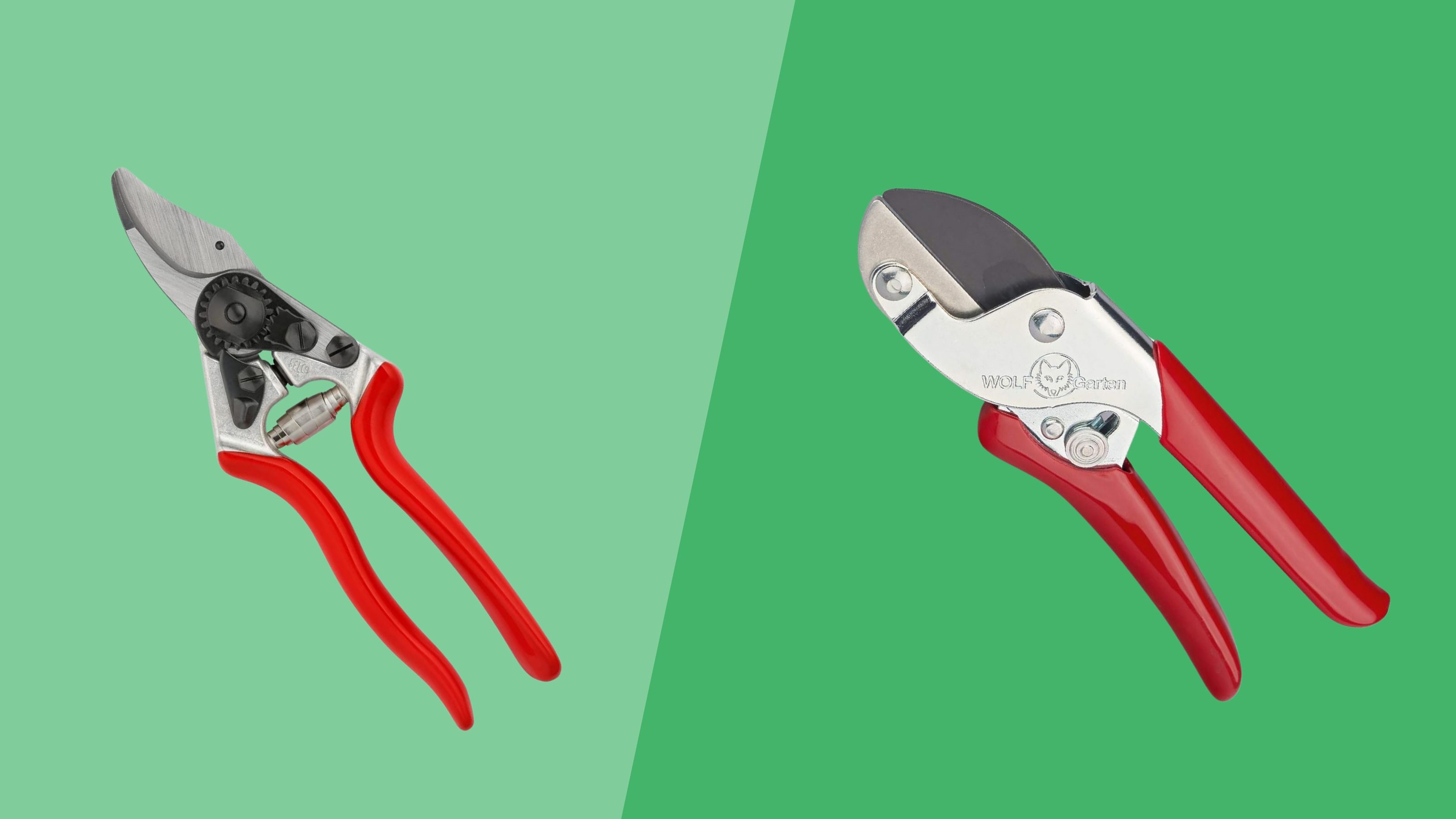
Bypass and Anvil Pruners Compared
A direct comparison can make the choice easier. Both tools can be useful, but they have different strengths.
| Feature | Bypass pruners | Anvil pruners |
|---|---|---|
| Cutting action | Sliding, scissor-like cut | Pressing cut against a block |
| Best material | Green and live wood | Dry and dead wood |
| Cut quality | Usually cleaner | Can crush or split tissue |
| Required force | Often lower on fresh stems | Strong on hard, dry stems |
| Precision | Excellent | Moderate |
| Plant health | Better for live growth | Better for dead material |
| Common use | Roses, shrubs, fruit trees | Dry branches and tough cleanup |
| Main weakness | Can struggle with hard wood | Can damage living stems |
When deciding which is better, bypass or anvil pruners, think of bypass models as precision tools and anvil models as force tools. One is like a fine kitchen knife. The other is like a sturdy cleaver.
Which type is easier for beginners?
Bypass pruners are often easier for beginners because they make visible, predictable cuts. You can see where the blade enters and place it near a bud or branch collar.
Anvil pruners may feel powerful, but that power can encourage overcutting. New gardeners sometimes use them on live stems because the tool feels strong. This can leave crushed tissue that takes longer to recover.
Which type is safer for valuable plants?
Bypass pruners are the safer choice for roses, fruit trees, young shrubs, and other plants where cut quality matters. A sharp bypass blade gives you more control over the final shape.
For valuable plants, tool hygiene matters just as much as blade style. Wipe the blades between plants, especially when working with diseased or damaged growth.
Bypass Pruners: Benefits and Drawbacks
Bypass pruners remain the most popular hand pruners for good reason. They are versatile, accurate, and well suited to most routine garden work.
Benefits of bypass pruners
• Make clean cuts on live stems
• Offer strong control near buds
• Reduce crushing and tearing
• Work well for shaping plants
• Suit roses, shrubs, vines, and fruit trees
• Usually feel natural in the hand
• Come in many sizes and handle styles
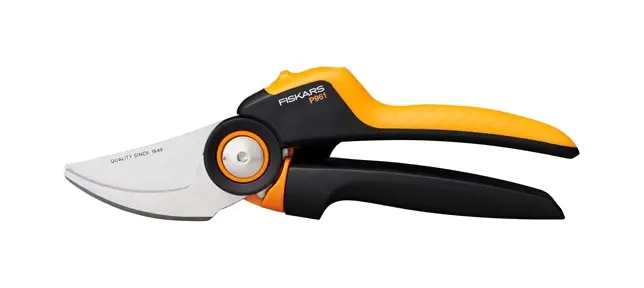
A good bypass pruner should have a sharp blade, a secure lock, and handles that fit your hand. A rotating handle may reduce strain during long pruning sessions, but it may feel unusual at first.
Drawbacks of bypass pruners
• May struggle with very hard dead wood
• Can slip on thick, dry branches
• Need regular sharpening
• May suffer damage if used beyond their capacity
• Poor blade alignment can cause tearing
One mistake I often see is using bypass pruners as miniature loppers. If the handles need extreme force to close, stop. Choose a larger tool instead of forcing the cut.

Anvil Pruners: Benefits and Drawbacks
Anvil pruners have a clear purpose. They provide leverage and support when cutting dry, stiff, or dead material.
Benefits of anvil pruners
• Cut hard, dry twigs with good force
• Support brittle branches during cutting
• May require fewer repeated cuts
• Work well for cleanup jobs
• Can suit people with limited hand strength
• Often feel stable on rigid wood
Some anvil pruners use a replaceable cutting blade or an adjustable anvil. These features can extend the life of the tool and help maintain alignment.
Drawbacks of anvil pruners
• May crush fresh stems
• Can leave rough or split cuts
• Offer less precision near buds
• Can hide damage on soft branches
• May encourage users to cut branches that are too large
The most common mistake is using anvil pruners on every plant simply because they feel stronger. Strength is useful, but a plant often needs precision more than force.
How to Choose the Right Pruner
The answer to which is better, bypass or anvil pruners, becomes clear when you match the tool to your task.
Use this simple process:
- Check whether the branch is live or dead. Choose bypass for live wood and anvil for dry wood.
- Measure the branch. Use loppers or a saw if it is larger than the pruner’s rated capacity.
- Inspect the bark. Flexible, green bark usually suits bypass pruners.
- Consider the cut location. Choose bypass for cuts near buds, collars, or narrow branch joints.
- Think about hand comfort. Pick a handle size that allows the tool to close without excessive force.
- Check the blade. A dull blade can damage plants regardless of the pruner style.
- Test the alignment. The blade should meet the support area cleanly without a wide gap.
Features worth paying for
You do not need the most expensive pruner. However, certain features are worth considering:
• High-quality hardened steel
• Replaceable blades and springs
• A strong locking mechanism
• Comfortable, nonslip handles
• Adjustable blade tension
• Corrosion-resistant parts
• A size that fits your hand
Avoid very cheap pruners with loose hinges. They may look fine in the store but often produce uneven cuts after a short period of use.

How to Use Bypass and Anvil Pruners Correctly
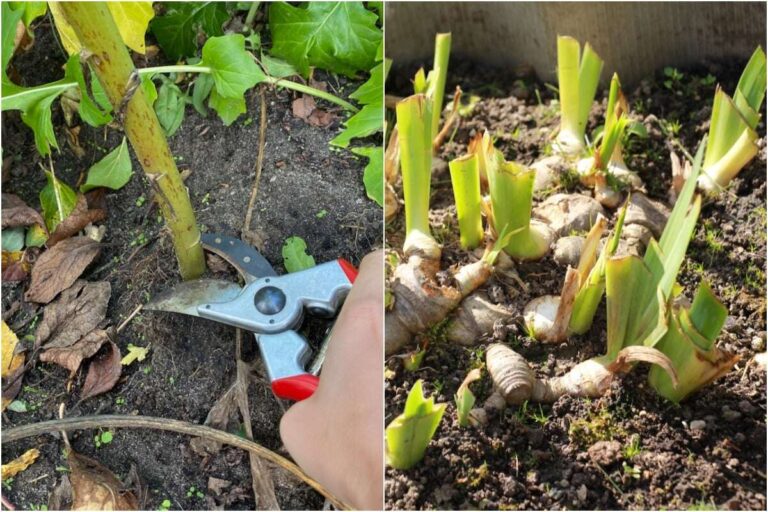
Good technique protects both your plants and your hands. Hold the branch steady, place the cutting blade on the side you want to keep, and close the handles in one smooth motion.
For bypass pruners, keep the sharp blade closest to the part of the plant that remains. This helps prevent crushing on the important side of the cut.
For anvil pruners, center the branch on the anvil. Do not twist the handles while cutting. Twisting can bend the blade, damage the hinge, or split the branch.