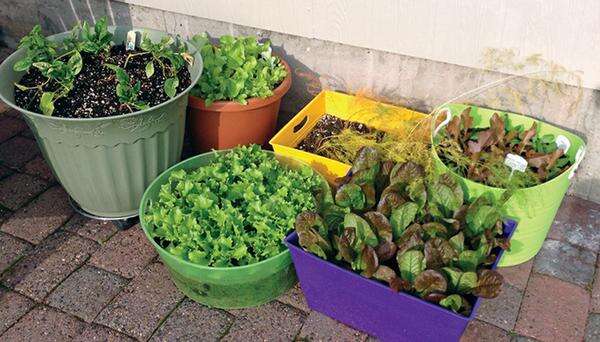

What Is A Garden Trowel Used For: Uses And Tips
A garden trowel is used for digging, planting, transplanting, weeding, mixing soil, and working in tight garden spaces.
If you have ever wondered what is a garden trowel used for, think of it as a small hand shovel with better control. After years of planting flowers, herbs, and vegetables, I have found that the right trowel can make small garden jobs faster, cleaner, and much easier on your hands.
What Is a Garden Trowel Used For?
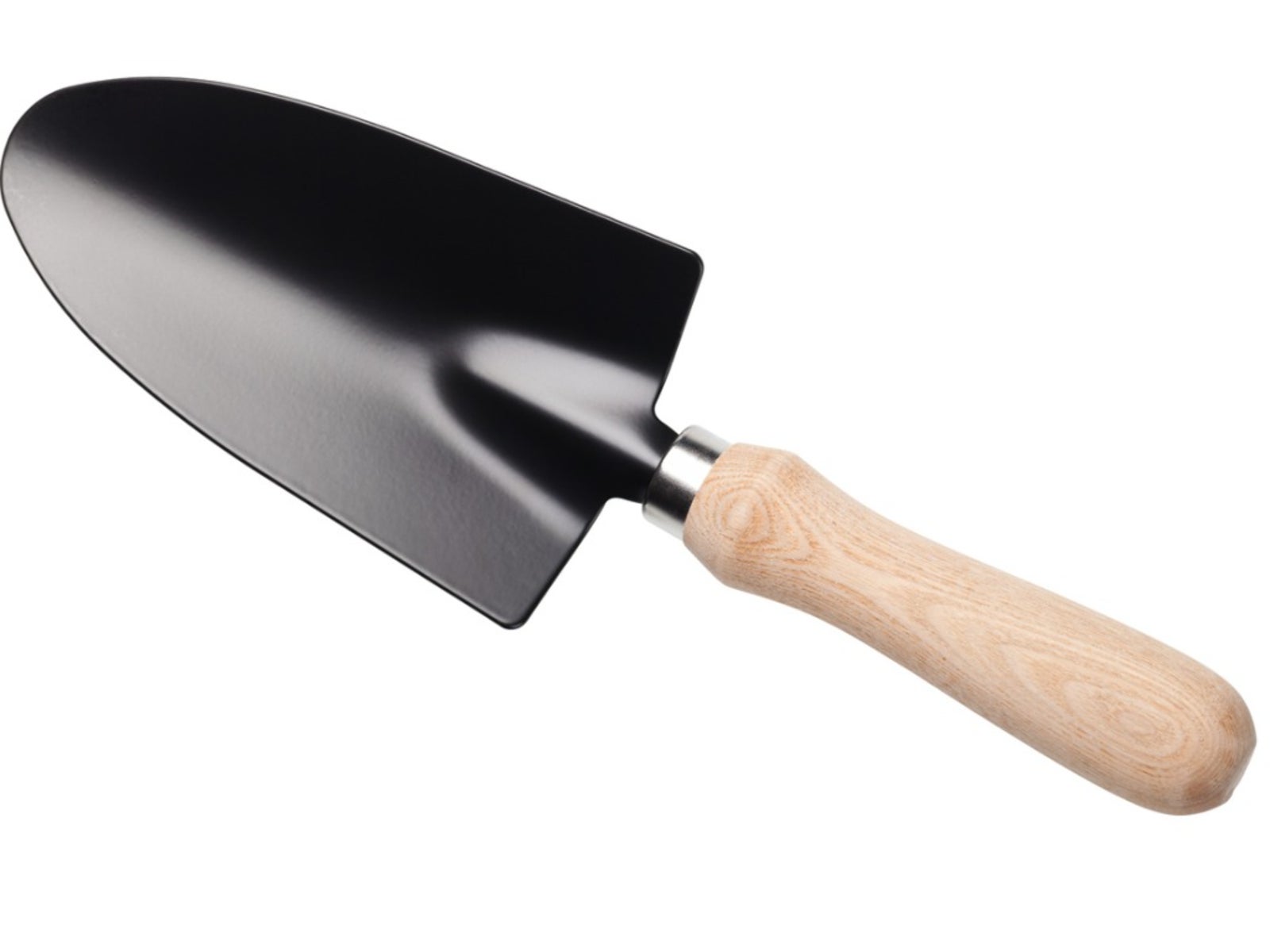
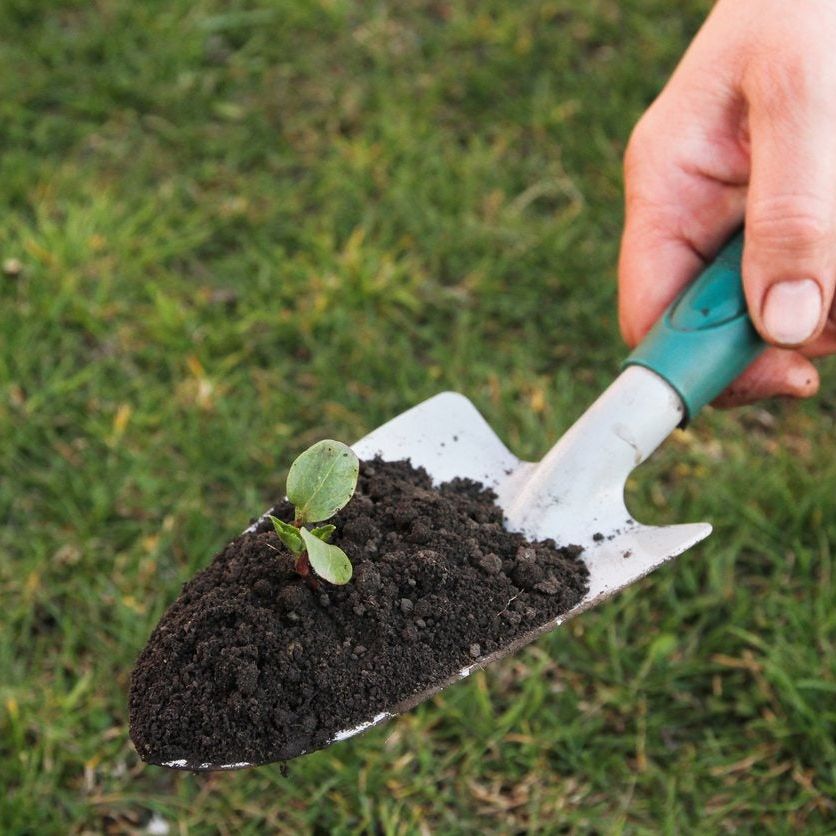
A garden trowel is a small handheld tool with a pointed or rounded metal blade and a short handle. It is made for close-up work that a full-size shovel cannot handle with enough care or accuracy.
So, what is a garden trowel used for in everyday gardening? Gardeners use it to move small amounts of soil, make planting holes, lift seedlings, and remove weeds near valued plants.
A trowel usually has three main parts:
• Blade: The metal part that cuts into soil and moves it.
• Handle: The part you hold while working.
• Ferrule or socket: The joint that connects the blade to the handle.
The blade may be narrow, wide, pointed, or marked with depth lines. These small design changes affect how well the tool works in clay, loose soil, raised beds, containers, or rocky ground.
Main Uses of a Garden Trowel
The answer to what is a garden trowel used for includes much more than digging holes. This compact tool can handle many basic planting and care tasks.
Planting Flowers and Vegetables
A garden trowel makes holes for flower plugs, vegetable seedlings, bulbs, and small herbs. Its narrow blade lets you set each plant at the right depth without disturbing nearby roots.
For example, you can use a trowel to plant lettuce in a raised bed or place a marigold beside a tomato plant. The tool gives you more control than a large shovel.
Transplanting Seedlings
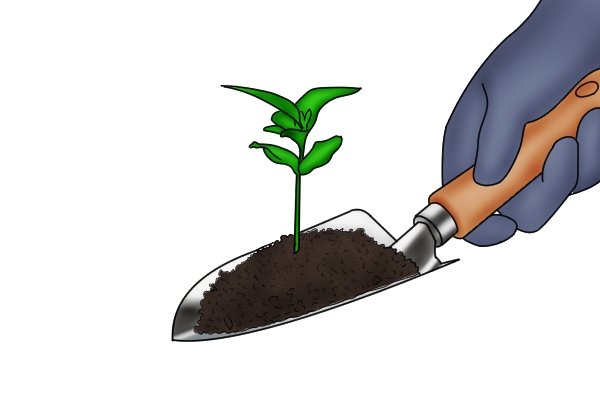
A trowel is useful when moving young plants from a seed tray into a garden bed. Slide the blade below the root ball, lift the plant with its soil, and place it in a new hole.
Try to keep the soil around the roots intact. A common mistake is pulling a seedling by its stem, which can damage delicate tissue.
Digging in Containers
Container gardening often requires a small tool. A full-size shovel is too large for most pots, but a trowel fits well in the space around plant roots.
You can use it to add potting mix, refresh old soil, or make room for a new plant. A narrow trowel is especially helpful in window boxes and small indoor planters.
Removing Weeds
A pointed garden trowel can loosen weeds from the soil. Push the blade below the weed’s crown and lift gently to remove as much of the root as possible.
This works best when the soil is slightly damp. Dry soil may break the root, allowing the weed to grow back.
Mixing Soil and Compost
Many gardeners use a trowel to blend compost, fertilizer, perlite, or other soil amendments into a small planting area. This is useful for pots, raised beds, and individual plants.
Use care with fertilizer. More is not always better, and excess fertilizer can harm roots or wash into waterways. Follow the product label and mix amendments evenly.
Scooping Potting Mix
A trowel works like a small scoop when filling seed trays, pots, and hanging baskets. Its firm blade can move soil without the mess of using your hands.
A wide blade moves more material at once. A narrow blade gives better control around young plants.
Dividing Small Perennials
Some small perennials can be divided with a trowel when they become crowded. Work around the plant and lift a section with roots attached.
A trowel is not strong enough for every division job. For tough, dense roots, use a spade or garden fork to avoid bending or breaking the blade.
How to Use a Garden Trowel Properly
Knowing what is a garden trowel used for is helpful, but using it well takes a little technique. Good technique protects the tool, your plants, and your hands.
Follow these steps when planting:
-
Check the soil. Soil should be moist but not muddy. Very wet soil can become compacted, while hard, dry soil may require too much force.
-
Mark the planting depth. Use the plant label or seed packet as a guide.
-
Push the blade into the soil. Use steady pressure from your arm. Do not twist the handle sharply.
-
Move the soil aside. Make a hole slightly wider than the plant’s root ball.
-
Set the plant in place. Keep the plant at the same depth it had in its pot unless its care instructions say otherwise.
-
Fill the hole. Press the soil lightly around the roots.
-
Water the plant. Water helps settle the soil and removes large air pockets.
When digging, keep your wrist straight and hold the handle firmly but not tightly. If the soil resists, loosen it with several short movements instead of forcing the blade.
In my own garden work, I learned this lesson after bending a cheap trowel in compacted clay. The problem was not only the tool. I was using a light hand tool for a job better suited to a digging fork.
Garden Trowel Blade Shapes and Materials
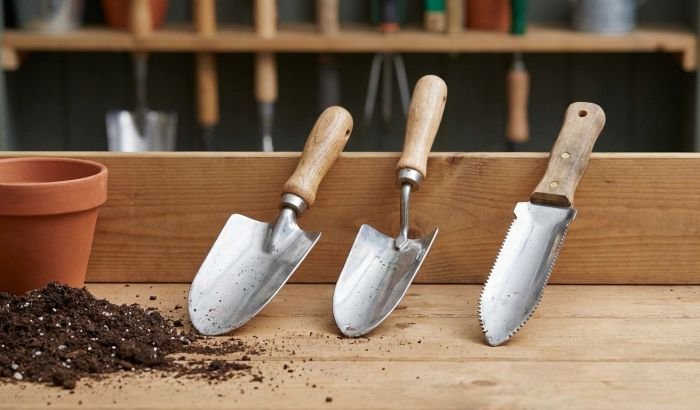
The shape and material of a trowel affect how it performs. Understanding these differences helps answer what is a garden trowel used for in different garden conditions.
Pointed Trowels
Pointed blades enter firm soil more easily. They are useful for planting bulbs, digging through roots, and working in clay or compacted beds.
The tip may wear down over time if you use it against stones or concrete.
Rounded Trowels
Rounded blades are good for scooping soil and compost. They work well in loose soil, potting mix, and containers.
They may not cut into hard ground as easily as pointed blades.
Narrow Trowels
Narrow blades are best for tight spaces. Use one around crowded plants, between rows, or in small pots.
They also help when planting bulbs or small plugs at a precise depth.
Wide Trowels
Wide blades move more soil with each scoop. They save time when filling containers or planting larger seedlings.
However, a wide blade can disturb nearby roots in a crowded bed.
Stainless Steel Blades
Stainless steel resists rust and cleans easily. It is a strong choice for gardeners who work in damp soil or leave tools outdoors by mistake.
Stainless steel can still stain or corrode if it is neglected, especially when exposed to fertilizer salts.
Carbon Steel Blades
Carbon steel is strong and often holds a sharp edge well. It may dig through firm soil with less bending.
The trade-off is that carbon steel needs more care. Dry the blade after use and apply a thin coat of oil if you store it for a long period.
Ergonomic Handles
An ergonomic handle may reduce hand strain during long planting sessions. Look for a shape that fits your grip and does not create pressure points.
A soft grip can feel comfortable, but it may crack in strong sunlight or become slippery when wet.
How to Choose the Right Garden Trowel
The best answer to what is a garden trowel used for depends on your soil, plants, and style of gardening. A trowel for balcony pots may not be the best choice for rocky ground.
Consider these features before buying:
• Blade width: Choose a narrow blade for close planting and a wide blade for moving more soil.
• Blade length: A longer blade reaches deeper, while a shorter blade offers better control.
• Blade strength: Thick metal is less likely to bend in firm soil.
• Handle comfort: Select a grip that feels secure without forcing your wrist into an awkward position.
• Depth markings: Markings help you plant bulbs and seedlings at a consistent depth.
• Hanging hole: A hole at the end of the handle makes storage easier.
• Rust resistance: Stainless steel needs less maintenance in wet climates.
• Weight: A lightweight tool is easier for long sessions, but an extremely light tool may lack strength.
If you have arthritis or reduced grip strength, choose a larger, cushioned handle. A handle that is too thin can force your fingers to work harder.
Before buying, hold the trowel in your hand if possible. Comfort is not a minor detail. A tool that feels good after one minute may feel painful after thirty minutes.

Garden Trowel Safety Tips
A trowel is small, but it can still cause cuts, punctures, and hand strain. Safe habits make gardening more enjoyable.
Use these simple precautions:
• Wear gloves when digging in rough soil or handling thorny plants.
• Check the soil for glass, sharp stones, wire, or other debris.
• Keep the blade pointed down when carrying the tool.
• Do not use a trowel as a pry bar.
• Keep the tool away from children when it is not in use.
• Wash your hands after working with soil, compost, or animal waste.
• Clean cuts and scrapes at once.
Soil can contain microbes and organic matter that may irritate open wounds. People with weak immune systems should take extra care and follow medical advice when gardening.
Avoid using a rusty or loose-handled trowel. Rust itself is not the direct cause of tetanus, but damaged tools can create dirty puncture wounds. Staying current with recommended vaccinations and cleaning injuries promptly are sensible precautions.
How to Clean and Maintain a Garden Trowel
Proper care helps a trowel last for many seasons. It also keeps plant diseases and weed seeds from moving between garden beds.
After each use:
-
Knock off loose soil.
-
Rinse away remaining dirt.
-
Dry the blade and handle well.
-
Remove sap or sticky residue with a stiff brush.
-
Apply a light coat of oil to carbon steel.
-
Store the trowel in a dry place.
Do not leave a metal trowel buried in wet soil. Moisture can cause rust, and fertilizer residue may speed corrosion.
If the blade becomes dull, sharpen the edge carefully with a file. Wear eye protection and follow the file manufacturer’s instructions. A sharp edge cuts soil more easily, but it should never be razor sharp.
Check the handle and ferrule often. If the handle moves or the connection feels loose, repair it before the tool fails during use.

Common Garden Trowel Mistakes to Avoid
Many problems come from using the right tool in the wrong way. Here are mistakes I see often in home gardens.
Using a Trowel to Break Large Rocks
A trowel is made for soil, roots, and small planting holes. It is not designed to split rocks or pry up paving stones.
Use a digging bar, mattock, or garden fork for heavy work.
Digging in Bone-Dry Soil
Hard, dry soil can bend a narrow blade. Water the area lightly and wait for the soil to soften.
The goal is moist soil that crumbles in your hand, not mud that sticks together.
Planting at the Wrong Depth
Planting too deep can limit air around the stem or crown. Planting too shallow can expose roots and dry them out.
Read the plant label and check reliable growing guidance for the specific plant.
Pulling Weeds Without the Root
If you only remove the leaves, many weeds will return. Slide the trowel below the root crown whenever possible.
For deep-rooted weeds, loosen the soil on several sides before lifting.
Ignoring the Handle
A strong blade cannot make up for a cracked or uncomfortable handle. Inspect the handle before each season and replace damaged parts.
A comfortable grip also helps prevent blisters and wrist pain.
Leaving Soil on the Blade
Dirt left on the blade holds moisture and may carry plant pathogens. Cleaning takes less than a minute and can extend the life of the tool.
Garden Trowel vs. Hand Transplanter vs. Hand Cultivator
These tools look similar, but they serve different jobs.
A garden trowel has a small digging blade. It is the general-purpose choice for planting, scooping, and weeding.
A hand transplanter has a long, narrow blade. It is designed for deep, precise holes and works well for seedlings, bulbs, and narrow root systems.
A hand cultivator has several pointed prongs. It loosens shallow soil, breaks small clumps, and pulls out surface weeds, but it does not scoop soil like a trowel.
Many gardeners keep all three. If you want only one tool, a medium-width trowel with a strong blade is usually the most versatile starting point.
Frequently Asked Questions About What Is a Garden Trowel Used For
What is a garden trowel used for in a vegetable garden?
A garden trowel is used to plant seedlings, dig small holes, remove weeds, and add compost around vegetables. It is especially useful in raised beds where plants grow close together.
Can you use a garden trowel for digging bulbs?
Yes. A pointed trowel can make holes for flower bulbs and small edible bulbs. Use the depth listed on the bulb package for the best results.
Is a garden trowel the same as a small shovel?
They are similar, but a trowel is smaller and offers more control for detailed work. A small shovel may have a larger blade and is better for moving more soil.
Can a garden trowel cut through roots?
A strong, pointed trowel can cut through thin roots and loosen small root clusters. Do not force it through thick roots, because this may bend the blade or damage nearby plants.
What type of garden trowel is best for clay soil?
A strong pointed blade, often made from stainless steel or carbon steel, works best for clay soil. Work when the clay is slightly moist, since very dry or wet clay is difficult to dig safely.
How do you clean a garden trowel after use?
Brush or rinse soil from the blade, dry the tool, and store it in a dry place. For carbon steel, apply a thin layer of oil to help prevent rust.
Do garden trowels have measurement marks?
Many modern trowels include depth marks on the blade. These marks help gardeners plant seeds, bulbs, and seedlings at a consistent depth.
Conclusion
So, what is a garden trowel used for? It is a versatile hand tool for planting, transplanting, weeding, scooping soil, mixing compost, and caring for plants in beds or containers.
Choose a trowel with a strong blade, a comfortable handle, and a shape that suits your soil and plants. Clean it after use, avoid forcing it beyond its limits, and use the right tool for heavy digging. With a dependable trowel in hand, even small garden tasks can feel simple and satisfying. Explore more practical gardening guides, and share your favorite trowel tip with fellow gardeners.

Laura Bennett is a gardening writer at MyGardenLabs who creates beginner-friendly guides focused on solving common plant care and gardening problems.