What Can I Use To Dig A Hole: Best Tools And Methods
For most digging jobs, use a shovel, spade, post-hole digger, or powered auger matched to the soil and hole size.
Choosing what can I use to dig a hole depends on the hole’s width, depth, soil type, and purpose. A small garden hole needs a different tool than a fence-post hole or a hole through hard clay. This guide explains which tools work best, how to use them safely, and how to avoid common mistakes.

Choose the right digging tool
The best tool makes the job faster, safer, and easier on your back. Before you start, think about the hole’s size and the ground below it. Loose garden soil may need only a hand trowel, while rocky soil may require a digging bar or powered equipment.
Here are the most useful tools for digging:
- Hand trowel: Best for flowers, herbs, bulbs, and small plants.
- Garden spade: Best for clean, narrow holes in garden soil.
- Shovel: Best for moving loose soil and digging medium-sized holes.
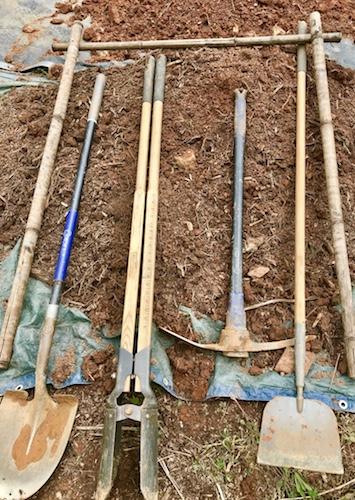
- Post-hole digger: Best for deep, narrow holes for fence posts and signs.
- Drain spade: Best for deep, slim holes in tight spaces.
- Mattock: Best for hard soil, roots, and compacted ground.
- Digging bar: Best for rocks, packed clay, and stubborn roots.
- Auger: Best for making many post holes quickly.
- Trenching shovel: Best for narrow trenches and irrigation lines.
- Excavator or skid steer: Best for large holes and major landscaping work.
A shovel removes soil well, but it may struggle with hard clay. A spade cuts neat edges, but it is not ideal for lifting large amounts of loose soil. Matching the tool to the task is the key.

What can I use to dig a small hole?
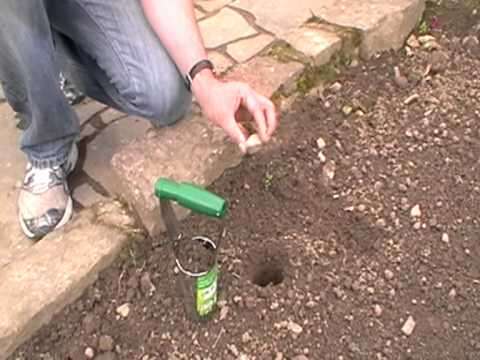
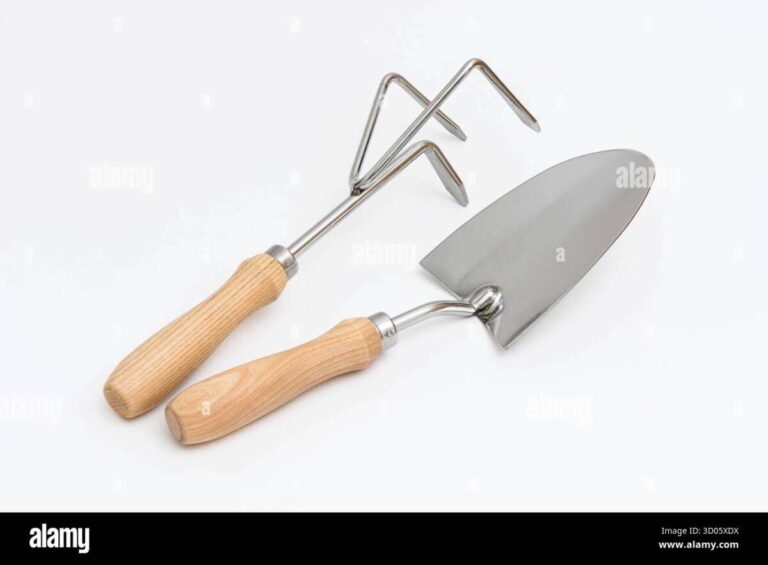
For a small hole, use a hand trowel or garden spade. A trowel works well for planting annual flowers, vegetables, bulbs, and small seedlings. Its narrow blade lets you work around nearby roots without disturbing much soil.
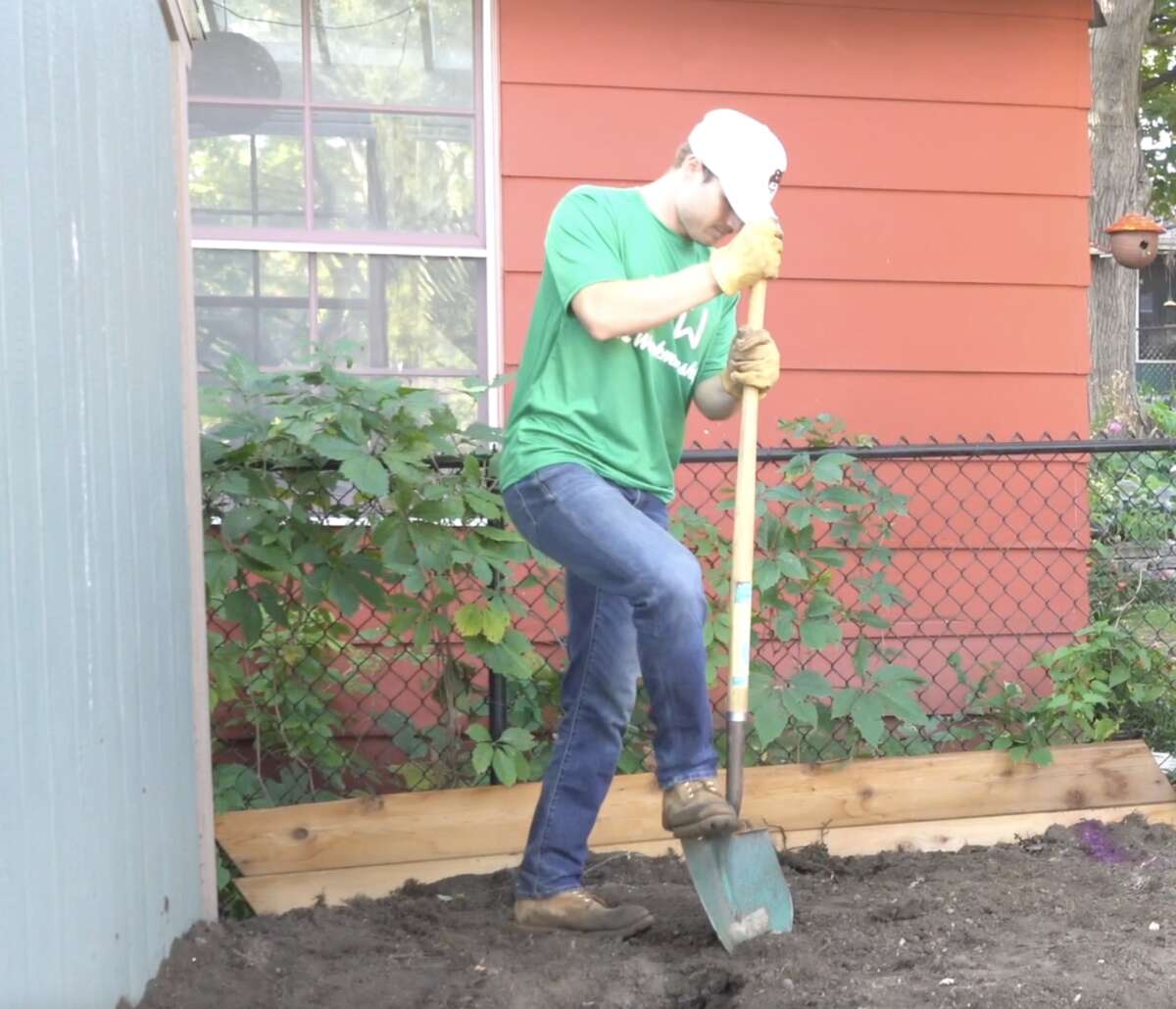
Use a garden spade when you need a deeper or wider planting hole. A sharp, flat blade cuts through sod and makes a clean opening. Step on the top edge of the blade instead of forcing it with your arms.
For small holes in dry soil, water the area lightly several hours before digging. Avoid soaking the ground because wet soil can become sticky and heavy. If the soil clings to your tool, wait until it dries slightly.
A hand cultivator can loosen the sides of a small hole. However, it is not a replacement for a trowel when the soil is dense or filled with roots.

What can I use to dig a large hole?
For a large hole, use a full-size shovel, spade, mattock, or powered excavator. The right choice depends on the hole’s depth and the amount of soil you need to remove.
A round-point shovel is useful for breaking and lifting soil. A square-point shovel is better for scooping loose soil and leveling the bottom of a hole. Many digging projects need both types.
Use a mattock when the ground is hard, dry, or packed with roots. One end breaks the soil, while the other end can cut roots or loosen clay. Swing it with control, not force. Let the tool’s weight do most of the work.
For large landscaping projects, a mini excavator or skid steer can save hours. These machines can damage lawns, irrigation lines, and tree roots, so operate them only if you understand the controls or hire a trained operator.
What can I use to dig a post hole?
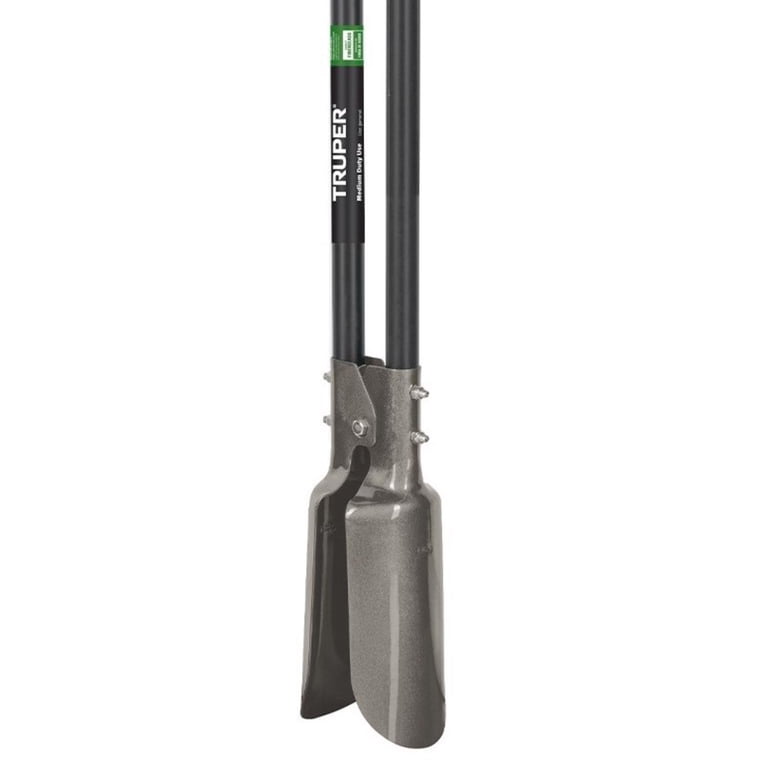
A manual post-hole digger is the standard tool for fence posts, mailbox posts, and small signs. It has two long handles with curved blades that close around soil. Push the blades into the ground, squeeze the handles, and lift out the soil.
A digging bar helps when you meet rocks or hard clay. Use the bar to loosen the bottom of the hole, then remove the broken soil with the post-hole digger.
A powered auger is useful when you need several holes. It drills into the soil with a rotating bit and can create uniform holes faster than hand tools. Two-person models provide more control than small, single-person machines.
When digging a post hole, make the hole slightly wider at the bottom if the design allows. This can improve stability after you add gravel or concrete. Always follow the post manufacturer’s instructions and local building rules.
What can I use to dig hard clay?
Hard clay needs a sharp shovel plus a tool that can break compacted soil. A mattock, pickax, digging bar, or grub hoe can help.
Start by marking the hole. Then score the surface with a spade. Work in small sections rather than trying to force the blade deep in one motion.
A useful method is:
- Moisten the soil lightly.
- Wait for the water to soak in.
- Break the surface with a mattock or digging bar.
- Lift loose soil with a shovel.
- Repeat until you reach the needed depth.
Do not dig clay when it is soaking wet. Wet clay sticks to tools and can form hard clumps. It may also compact more when you walk on it.
In my own yard work, the biggest mistake was trying to cut wet clay with a clean shovel. The blade entered the soil, but the clay packed around it like cement. Letting the soil dry for a short time made the same job much easier.

What can I use to dig rocky soil?
Use a digging bar, mattock, pickax, or rock bar for rocky soil. A narrow bar can loosen stones that are too large for a shovel blade. A mattock can also cut through thin roots and compacted layers.
Remove rocks as you expose them. Do not pry against a shovel handle because the handle can split or bend. A digging bar is built to handle this type of leverage.
For large rocks, use safe lifting methods. Keep your back straight, bend your knees, and get help with heavy pieces. You may need a pry bar, hand truck, or small machine for very large stones.
Wear eye protection when striking rocks. Small chips can travel farther than expected. Gloves and sturdy boots also reduce the chance of cuts and crushed toes.

What can I use to dig through roots?
Use a sharp spade, mattock, pruning saw, or reciprocating saw with a suitable blade. Small roots may give way under a sharp shovel. Thick roots need a saw or controlled cutting tool.
Be careful near trees. Cutting major roots can weaken a tree or make it more likely to fall during storms. Large roots can also support the tree and carry water and nutrients.
Before digging near a mature tree:
- Move the hole if possible.
- Expose roots by hand near the tree.
- Cut only small roots when necessary.
- Ask an arborist about large roots.
- Keep heavy machines away from the root zone.
Never assume a root is harmless because it is underground. Tree roots can extend well beyond the branches. A small change in your hole location may prevent serious damage.

What can I use to dig a hole for planting?
Use a trowel for small plants, a garden spade for shrubs, and a shovel for larger trees. The tool should create a hole that gives the roots room to spread without forcing them into a tight circle.
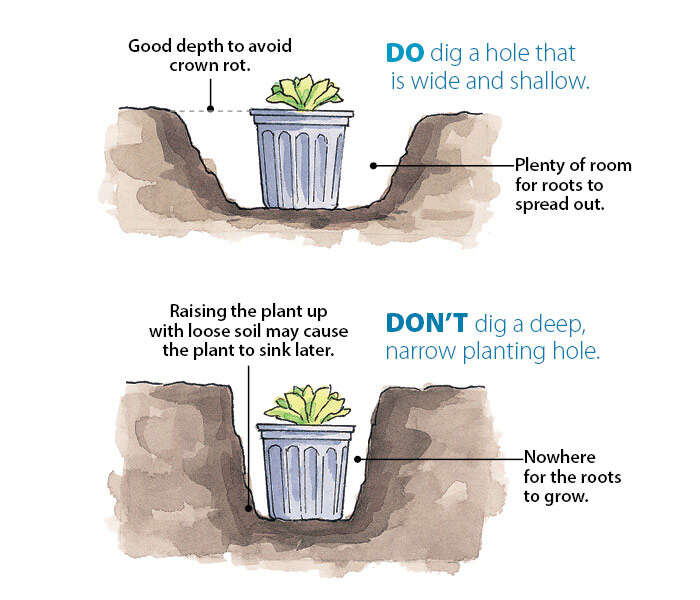
For most plants, the hole should be wider than the root ball. Do not make it much deeper than the roots unless the plant label says otherwise. A plant set too deep can suffer from poor airflow, stem rot, or slow growth.
Break up the soil around the hole, but avoid turning the planting area into loose mud. Place the plant at the same level it grew in its container or nursery field. Backfill with the soil you removed unless a soil test shows a clear need for amendments.
A common mistake is making a narrow, deep hole because it looks neat. Roots often spread sideways, so a wide hole is usually more helpful than a very deep one.

What can I use to dig a drainage hole or trench?
Use a trenching shovel, drain spade, or narrow shovel for a small drainage trench. These tools remove soil with less disruption to nearby areas.
For longer trenches, consider a trenching machine or walk-behind trencher. Use powered equipment only after checking for buried utilities and confirming that the machine suits the soil.
A drainage project may involve more than digging. You may need to plan slope, gravel, perforated pipe, filter fabric, and an outlet. Water must have somewhere safe to go, or the trench may simply move the problem.
Before digging, check local rules and property boundaries. Poorly placed drainage can send water toward a foundation, sidewalk, neighboring property, or septic system.
Check for underground utilities first
Before you dig any hole, contact 811 in the United States. This free service helps identify underground utility lines at your location. The recommended notice period varies by state, so contact the service before starting the project.
Marked utilities may include:
- Electric lines
- Natural gas lines
- Water pipes
- Sewer lines
- Communication cables
- Irrigation systems
Do not rely only on old property records or a previous homeowner’s memory. Private lines, such as wiring to a detached garage, may not be marked by the public utility service. A private utility locator may be needed.
Even a shallow hole can become dangerous if it reaches a buried electrical cable or gas line. If you find an unmarked line, stop digging and contact the proper utility company.
How to dig a hole safely
Safe digging starts before the first cut. Wear work gloves, safety glasses, long pants, and sturdy shoes. Keep children and pets away from the work area.
Use tools that are sharp and in good condition. A dull shovel requires more force and can slip. Check that handles are secure and that powered tools have guards in place.
Follow these steps:
- Mark the hole with spray paint, chalk, or stakes.
- Call 811 and wait for utility marks.
- Clear away loose debris and branches.
- Start with light cuts to identify roots and stones.
- Keep your feet balanced and your hands away from striking areas.
- Lift small loads of soil instead of overfilling the shovel.
- Take breaks before you feel tired.
- Cover or protect the hole when you leave.
Never enter a deep, unsupported hole. Soil walls can collapse without warning. OSHA trench safety rules treat many excavations as serious hazards, especially when workers enter them. Deep excavations may need sloping, benching, or a protective system designed by a qualified professional.
How to choose between manual tools and powered tools
Manual tools are often best for one or two small holes. They cost less, make less noise, and give you better control near plants and utilities.
Powered tools make sense when you need many holes or must work through dense ground. An auger can save time, but it can also twist suddenly when it hits a root or rock. This sudden movement, known as kickback, can injure your wrists or shoulders.