Garden Trowel Vs Spade: Key Differences
A garden trowel is small and precise, while a spade is larger and built for deep digging.
Knowing what is the difference between a garden trowel and spade helps you choose the right tool for each job. Both tools move soil, but their size, shape, strength, and best uses are quite different. This guide explains those differences in simple terms, with practical examples to help you work faster and avoid strain.
What Is a Garden Trowel?
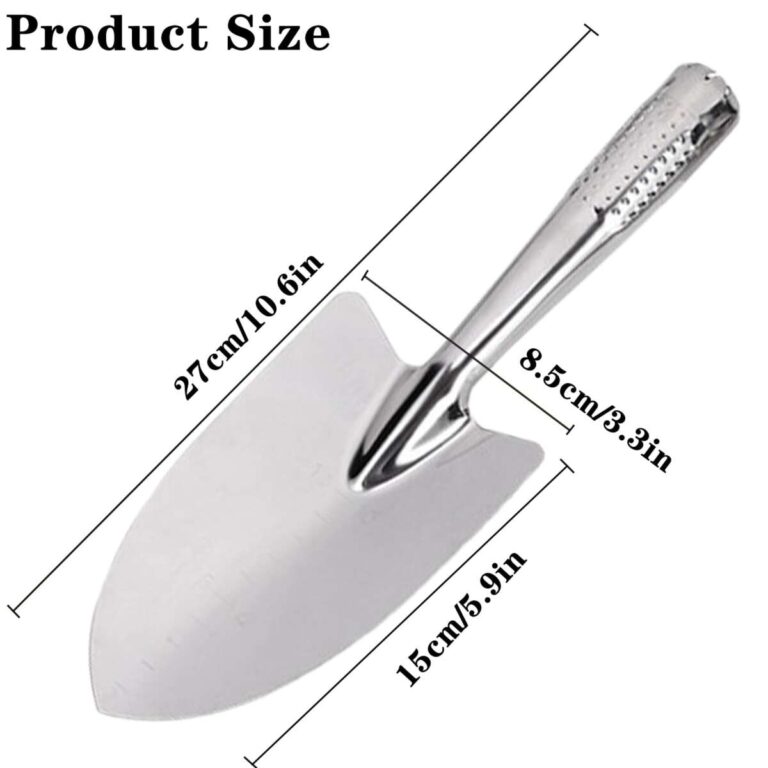
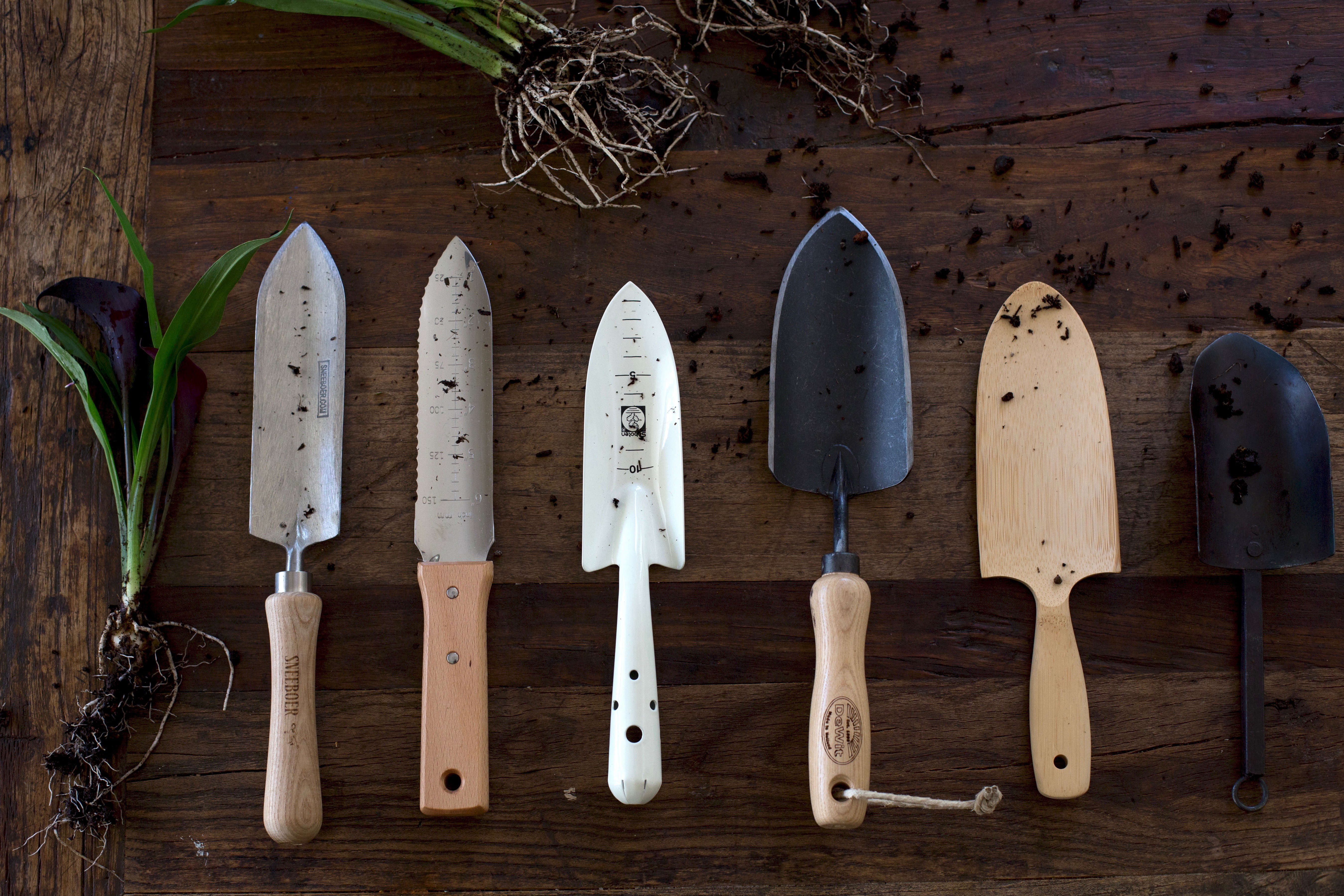
A garden trowel is a small hand tool with a pointed or rounded blade and a short handle. It is made for close, careful work at ground level. Most trowels are about 6 to 12 inches long, although sizes vary by brand and design.
The blade is often narrow enough to fit between plants. You can use it to dig small holes, move potting mix, plant flowers, and remove young weeds. A trowel gives you good control because you hold it in one hand.
Common garden trowel uses include:
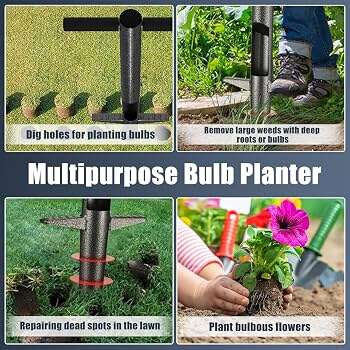
• Planting bulbs, herbs, flowers, and small seedlings
• Filling pots and window boxes
• Mixing compost into small areas
• Scooping soil into containers
• Removing small weeds
• Dividing small clumps of plants
A trowel is like a spoon for the garden. It handles small amounts of soil with care. It is not designed to break hard ground or move large piles of dirt.

What Is a Spade?
A spade is a long-handled digging tool with a broad, flat, or slightly curved blade. It is designed for jobs that need more force and reach. You usually use both hands and press the blade into the soil with your foot.
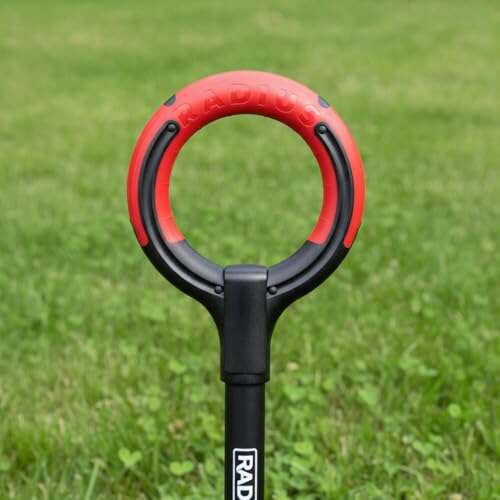
Most garden spades have a blade made from steel or stainless steel. The shaft may be made from wood, fiberglass, or metal. A D-shaped or T-shaped grip at the top gives you better control during heavy work.
A spade is useful for:
• Digging planting holes for shrubs and trees
• Turning soil in beds
• Cutting through roots
• Moving soil, compost, or mulch
• Edging lawns and garden beds
• Dividing large perennials
• Removing sections of turf
Unlike a shovel, a spade usually has a flatter blade and a sharper edge. This shape makes it better for cutting and digging than for carrying loose materials. Some spades have a curved blade, so the terms can overlap in everyday use.

What Is the Difference Between a Garden Trowel and Spade?
The main difference is size and purpose. A garden trowel is a small hand tool for precise planting and light soil work. A spade is a full-size tool for deep digging, cutting, turning, and moving more soil.
The following comparison makes what is the difference between a garden trowel and spade easier to see:
| Feature | Garden trowel | Spade |
|---|---|---|
| Size | Small and hand-held | Long-handled and full-size |
| Blade | Narrow or small | Broad and strong |
| Main use | Small planting and weeding tasks | Deep digging and soil movement |
| Force | Light hand pressure | Foot and body pressure |
| Soil volume | Moves small amounts | Moves larger amounts |
| Precision | Very high | Moderate |
| Best setting | Pots, borders, and small beds | Lawns, beds, and large garden areas |
| Storage | Fits in a hand-tool rack | Needs a tool shed or long tool rack |
In simple terms, a trowel is for detail work, while a spade is for strength. Asking what is the difference between a garden trowel and spade is much like comparing a small paintbrush with a roller. Both work with the same material, but each serves a different scale of work.

Garden Trowel vs. Spade: Blade Design
Blade design is one of the clearest answers to what is the difference between a garden trowel and spade. A trowel blade is short and easy to guide. A spade blade is larger and built to handle pressure.
Garden trowel blade
Trowel blades come in several shapes:
• Narrow blades for planting bulbs and seedlings
• Wide blades for scooping soil
• Pointed blades for firm ground
• Rounded blades for loose potting mix
A stainless steel trowel resists rust and cleans easily. A carbon steel blade can be very strong, but it needs drying and occasional oiling to help prevent rust.
Spade blade
Spade blades are often flat, square, or slightly curved. A flat blade creates a clean edge for lawn borders. A pointed blade enters rocky or compacted soil more easily.
Look for a reinforced step, sometimes called a tread, along the top of the blade. This feature lets you place your foot on the spade without pressing directly on a thin metal edge. It can make a major difference when digging hard ground.

Garden Trowel vs. Spade: Handle and Ergonomics
The handle also shows what is the difference between a garden trowel and spade. A trowel has a short handle that you grip with one hand. A spade has a long shaft that lets you stand while working.
A short trowel handle gives you precision. However, using it for a long time can make you bend or kneel. A padded grip may reduce hand pressure, especially if you have arthritis or sensitive joints.
A long spade handle gives you leverage. You can use your leg and body weight instead of relying only on your arms. The right shaft length also helps keep your back in a more natural position.
For safer use:
• Choose a trowel that feels balanced in your hand.
• Select a spade that allows a mostly upright posture.
• Keep the blade sharp so it enters soil with less force.
• Bend your knees when lifting soil.
• Avoid twisting while carrying a heavy load.
• Take breaks during long digging tasks.
Good technique matters as much as tool quality. Even the best spade can cause strain if you use it with a bent back or a poor grip.

When Should You Use a Garden Trowel?
Use a garden trowel when the task is small, close, and precise. It is the best choice when you need to work around roots without disturbing nearby plants.
For example, use a trowel to plant a six-pack of marigolds in a flower bed. You can make each hole the right size, place the root ball, and firm the soil without damaging other plants.
A trowel also works well in containers. Its small blade fits inside pots, raised planters, and narrow window boxes. A large spade would be awkward and could damage the container.
Choose a garden trowel for:
-
Small planting holes
-
Transplanting seedlings
-
Filling pots
-
Removing shallow weeds
-
Working in tight spaces
-
Adding compost around individual plants
Do not force a trowel into hard clay or packed gravel. The blade may bend, the handle may break, or your wrist may take too much stress.
When Should You Use a Spade?
Use a spade when you need depth, strength, or a larger amount of soil movement. It is the better tool for preparing beds, planting shrubs, and cutting through sod.
For example, planting a rose bush often requires a hole wider and deeper than the root ball. A spade can cut into the soil and lift larger chunks. A trowel would take much longer and require far more effort.
A spade is also useful for dividing established plants. Place the blade between the crowns and press down with your foot. This method works well for many hardy perennials, although delicate plants may need a gentler approach.
Choose a spade for:
• Digging deep planting holes
• Cutting garden edges
• Removing turf
• Turning compacted soil
• Dividing large plants
• Moving soil over a wider area
• Breaking through roots and dense ground
A spade is not always the best tool for scooping loose soil. A garden shovel with a deeper, curved blade may carry more material. Tool names vary by region, so focus on the blade shape and the task rather than the label alone.

Can a Trowel Replace a Spade?
A trowel cannot fully replace a spade. It can handle small jobs, but it lacks the blade size, handle length, and leverage needed for demanding digging.
You may use a trowel to plant a few flowers in soft soil. You should not use it to dig a new garden bed, remove a tree root, or break compacted ground. Those tasks need a stronger, long-handled tool.
In the same way, a spade cannot fully replace a trowel. A spade may dig a hole, but it is too large for delicate work around small seedlings. It can also disturb nearby roots or crush the edges of a small container.
Understanding what is the difference between a garden trowel and spade helps you avoid using the wrong tool as a substitute. The right tool saves time, protects plants, and reduces physical effort.

How to Choose the Right Trowel
The best trowel depends on your soil, plants, and hand comfort. There is no single design that fits every gardener.
Consider these features:
Blade material
Stainless steel is easy to clean and resists corrosion. Carbon steel is strong and may hold a sharp edge well, but it needs more care. Aluminum is light, though it may not handle hard soil as well as steel.
Blade shape
A narrow blade suits bulbs and small seedlings. A wide blade moves more potting soil. A pointed blade can enter firm soil with less pressure.
Handle comfort
Choose a handle that fills your palm without feeling bulky. A soft, textured grip can help reduce slipping. If you garden for long periods, an ergonomic handle may reduce hand fatigue.
Measurement marks
Some trowels include depth marks on the blade. These marks help you plant bulbs and seedlings at a suitable depth. They are useful for new gardeners and for plants with specific planting needs.
A simple test is to hold the trowel as if you were planting. If your wrist feels bent or the tool feels nose-heavy, try another model.

How to Choose the Right Spade
When choosing a spade, focus on strength, fit, and balance. A tool that is too heavy can make a simple job exhausting. A tool that is too short can cause back strain.
Look for the following features:
• A strong steel blade
• A secure connection between blade and shaft
• A comfortable D-shaped or T-shaped grip
• A shaft length that suits your height
• A tread for safer foot pressure
• A blade size that matches your strength
Fiberglass shafts resist moisture and are less likely to splinter. Wooden shafts can feel comfortable and absorb some vibration, but they need inspection for cracks and splinters.
Try to lift the spade before buying it. Hold it as if you were digging. The tool should feel balanced rather than heavy at the front. A good spade should help your movement, not fight it.
Common Mistakes to Avoid
Many garden tool problems come from using the wrong tool or ignoring basic care. Knowing what is the difference between a garden trowel and spade prevents several common mistakes.
Avoid these errors:
• Using a trowel to dig hard, deep soil
• Using a spade in a small pot
• Standing on a trowel blade
• Lifting more soil than you can control
• Leaving steel tools wet
• Storing tools with soil stuck to the blade
• Using a blunt blade for root cutting
• Choosing a tool only because it is inexpensive
After use, remove soil with a brush or rinse the blade. Dry the metal before storage. If the blade becomes dull, sharpen it carefully with a file or sharpening stone while wearing protective gloves.
Do not use a damaged tool. A loose handle or cracked shaft can fail without warning. Replacing a worn tool is usually safer and cheaper than dealing with an injury.
My Practical Lessons From Comparing These Tools
One lesson stands out whenever these tools are compared: gardeners often work too hard because they use a tool that is too small. A trowel feels convenient, so it is tempting to keep using it even when the ground becomes hard or deep.
That habit can lead to sore wrists and bent blades. A spade transfers more force through your leg and body, which makes difficult soil easier to manage.
Another useful lesson is that tool size should match the plant. I would use a trowel near a young lettuce plant, but a spade for a mature shrub. Working slowly near roots also pays off. Rushing with a large blade can damage plants that took years to grow.
The best garden setup usually includes both tools. Keep the trowel for detail work and the spade for large, forceful jobs. This simple pairing covers most home gardening needs.
Garden Trowel and Spade Safety Tips
Both tools are simple, but safe habits still matter. Wear sturdy shoes when using a spade. Shoes with firm soles protect your feet when you press down on the blade.
Use gloves when handling rough soil, sharp edges, or thorny plants. If the soil is very dry, water it lightly and wait before digging. Soil that is too wet can stick to the blade and become heavy, while soil that is too dry may require excessive force.
Keep children away from unattended tools. Store trowels with the blade covered when possible, and place spades upright or securely on a rack. Never leave a blade hidden in grass or loose soil.
If you feel back, wrist, or shoulder pain, stop and adjust your technique. Pain is not a sign that the tool is working well. It is a signal to rest, change position, or choose a better tool.
Frequently Asked Questions About What Is the Difference Between a Garden Trowel and Spade
Is a garden trowel the same as a small spade?
No. A garden trowel is a small hand tool for planting and light soil work. A small spade may still have a longer handle and a stronger blade designed for deeper digging.
Can I use a spade to plant flowers?
Yes, but a spade is best for larger plants or deep holes. For small flowers, seedlings, and container plants, a trowel gives better control and causes less soil disturbance.
Can a garden trowel dig through clay?
A pointed, strong trowel may handle small areas of clay when the soil is slightly moist. However, a spade is safer and more effective for deep or heavily compacted clay.
Which tool is better for raised garden beds?
A garden trowel is usually better for planting and weeding in raised beds. A spade can help prepare the bed, but its long handle may be awkward in a narrow or crowded space.
Should a spade blade be sharp?
Yes. A reasonably sharp edge helps the blade cut into soil, roots, and turf with less force. Keep it sharp enough to work well, but handle and store it carefully to prevent injuries.
Do I need both a garden trowel and a spade?
Most home gardeners benefit from having both. The trowel handles precise tasks, while the spade handles deep digging, edging, and larger soil jobs.
Conclusion
The clearest answer to what is the difference between a garden trowel and spade is simple: a trowel is small and precise, while a spade is large and powerful. Use the trowel for pots, seedlings, bulbs, and small weeds. Use the spade for deep holes, bed preparation, edging, roots, and heavy soil work.
Choose a tool that fits the task, your body, and your garden conditions. With the right trowel and spade, you can work more comfortably, protect your plants, and finish garden jobs with less effort. Explore more garden tool guides, and share your favorite digging tips in the comments.

Laura Bennett is a gardening writer at MyGardenLabs who creates beginner-friendly guides focused on solving common plant care and gardening problems.