What Tool To Get Weeds Out Of Concrete Cracks: Best Tool
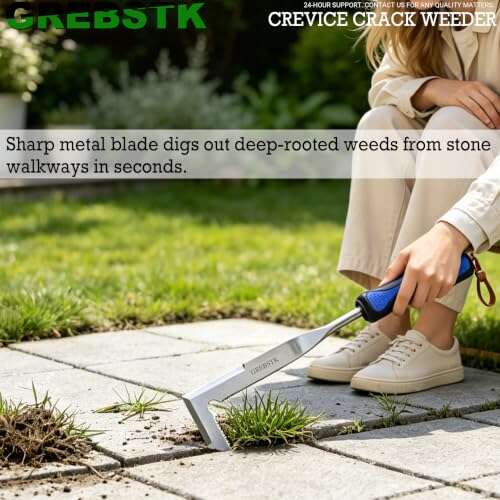
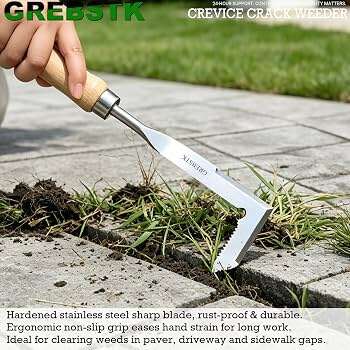
The best tool to get weeds out of concrete cracks is a hand crack weeder with a sharp, narrow metal blade.
Finding the right tool to get weeds out of concrete cracks can save your back, protect the slab, and keep weeds from returning too soon. After working with patios, walkways, and driveways, I have found that the best results come from matching the tool to the weed, crack, and root depth. This guide explains what works, what fails, and how to remove weeds safely.

The best tool to get weeds out of concrete cracks
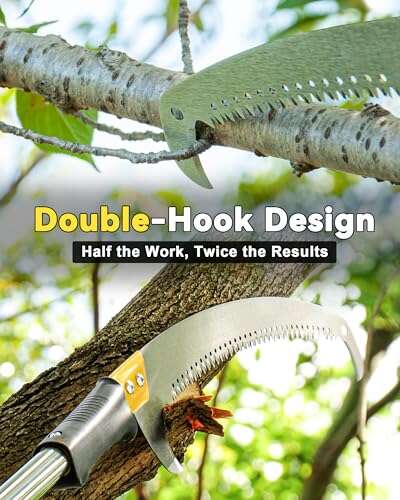
For most small weeds, a handheld crack weeder is the best tool to get weeds out of concrete cracks. It has a thin, strong blade that slides into narrow joints and cuts below the weed crown. Many models look like a small hook, blade, or bent screwdriver.
A good crack weeder should have:
• A sharp metal tip that fits into the joint
• A strong handle with a comfortable grip
• A blade that can cut roots below the surface
• Rust-resistant steel for outdoor use
• A shape that lets you pull toward your body safely
The goal is not only to pull off the green leaves. You need to remove the crown and as much of the root as possible. If the root stays in the crack, the weed may return within days.
For wide cracks, a narrow garden knife or old butter knife may work. For very tight cracks, a pointed weeding tool or masonry joint scraper gives better control. Avoid using a sharp kitchen knife, since it can slip and cause a serious cut.
A crack weeder also causes less dust and noise than a pressure washer or power tool. It gives you control, which matters when the concrete is old, chipped, or already cracked.

Why weeds grow in concrete cracks
Concrete cracks collect more than dirt. They also hold sand, leaves, moisture, and tiny bits of organic matter. These materials create a thin planting bed for weed seeds.
Wind, birds, pets, and nearby lawns can bring seeds into the crack. Rain then moves the seeds into place. When sunlight and moisture appear, the seed starts to grow.
Common weeds found in concrete joints include:
• Dandelions with deep taproots
• Crabgrass with spreading roots
• Plantain with tough, flat leaves
• Moss and algae in damp, shaded areas
• Clover with thin stems and shallow roots
• Foxtail and other annual grasses
The type of weed affects the best tool to get weeds out of concrete cracks. A shallow grass plant may lift with a hand scraper. A dandelion needs a narrow blade that reaches below its crown.
Concrete cracks also grow wider over time. Freeze and thaw cycles can open the joint. Plant roots may then push against the edges, making the damage worse. Removing weeds early is easier and helps limit this cycle.

Tools that work best for concrete crack weeds
A single tool will not handle every job. The best tool to get weeds out of concrete cracks depends on the crack width, weed size, and root depth.
Hand crack weeder
This is the best all-purpose choice. Its narrow blade fits into common sidewalk and patio joints. It can slice roots and lift packed soil without removing large pieces of concrete.
Patio knife or joint scraper
A patio knife has a flat, sharp edge. It works well for moss, grass, and weeds growing in shallow joints. It also helps scrape out old soil before you fill the crack.
Dandelion weeder
A dandelion weeder has a long, narrow shaft. It reaches below deep taproots. Use it when the weed has a thick center and resists a normal scraper.
Stiff wire brush
A wire brush is useful for loose soil, moss, and small seedlings. It is not the best tool to get weeds out of concrete cracks when the weed has a large root. Use it after pulling the main plant.
Pressure washer
A pressure washer can clean soil and loose weeds from wide joints. However, too much pressure can remove joint sand, damage old concrete, or spray debris toward people and windows. Use a wide fan tip and keep the nozzle well away from weak surfaces.
Oscillating multitool
An oscillating tool with a grout or scraper blade can remove stubborn growth from wide joints. It works fast, but it creates noise, dust, and a higher risk of edge damage. It is better for major repairs than for a few weeds.

How to choose the right weeding tool
Start by checking the crack. A hairline crack may not accept a blade. Do not force a tool into it, because pressure can widen the opening.
For narrow cracks, choose:
• A hook-style crack weeder
• A slim patio knife
• A narrow stainless steel scraper
For wider cracks, choose:
• A long-handled joint scraper
• A hand cultivator
• A stiff wire brush
• A pressure washer used with care
For deep-rooted weeds, choose:
• A dandelion weeder
• A long-handled fishtail weeder
• A narrow digging knife
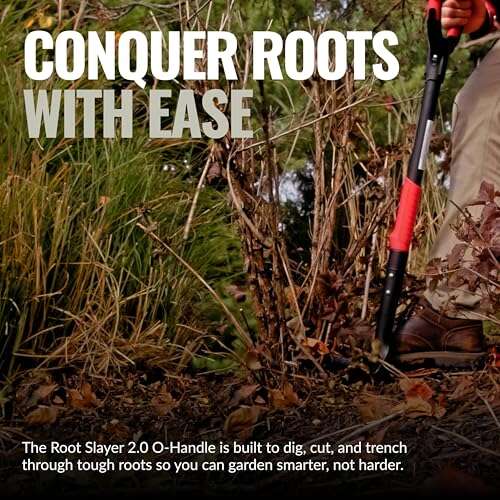
Handle design matters, too. A short handle gives better control in small areas. A long handle reduces bending on large driveways. If you have wrist or back pain, a long-handled tool may be the best tool to get weeds out of concrete cracks for your needs.
Look for a tool with a bright handle or wrist loop. Small tools are easy to leave on a patio, where they become a trip hazard.

Step-by-step: how to remove weeds from concrete cracks
The best tool to get weeds out of concrete cracks works better when the ground is slightly damp. Water softens the soil around the roots. Do not work during heavy rain, when the surface may be slippery.
1. Remove loose debris
Sweep away leaves, gravel, and soil. This lets you see where the weed enters the crack. It also keeps grit from dulling the tool.
2. Loosen the weed
Place the tool beside the stem, not directly through the leaves. Push the blade down along the crack. Rock it gently to loosen the root.
3. Cut below the crown
Slide the blade under the center of the plant. Cut or lift below the crown, where the stems meet the root. Pull slowly and keep the root intact when possible.
4. Clear the joint
Use a brush or narrow scraper to remove loose roots and soil. A clean joint leaves less material for new seeds to grow in.
5. Dispose of the plant
Place weeds in a yard waste bin or trash bag. Do not add mature weeds with seed heads to a home compost pile. Some weeds can survive poor composting conditions.
6. Rinse lightly
Use a garden hose to wash away small pieces. Avoid blasting water into a weak crack or toward nearby walls.
7. Let the area dry
Wait until the joint is dry before applying a joint filler or other treatment. Moisture can reduce how well the material bonds.
In my hands-on experience, the most common mistake is pulling only the top growth. It feels fast, but the weed often returns because the crown and root remain below the surface. Taking an extra minute to cut below the crown saves repeated work.