How To Stop Weeds Growing Between Bricks: Easy Fix
Pull weeds by the roots, clean the joints, and refill them with polymeric sand to block new growth.
Learning how to stop weeds growing between bricks is mostly about removing roots and fixing the gaps where seeds settle. I have seen many patios look clean for only a few weeks because people pull the green tops but leave the roots and soil behind. This guide explains the best methods, when to use them, and how to keep brick paths weed free for much longer.
Why Weeds Grow Between Bricks
Brick paths, patios, and driveways often have small joints between each paver. These joints collect dust, soil, leaves, and organic matter. Once moisture reaches this material, weed seeds can sprout.
Wind, birds, pets, and nearby lawns can all bring new seeds to the surface. Some weeds also spread through tiny root pieces left under the bricks. That is why learning how to stop weeds growing between bricks requires more than removing visible leaves.
Common causes include:
• Loose joint sand that washes away during rain
• Poor drainage that keeps the joints damp
• Soil buildup between bricks
• Nearby weeds that release fresh seeds
• Cracked or uneven bricks that create wider gaps
• Moss and fallen leaves left on the surface
Weeds between pavers are not always a sign of poor care. Even a clean patio can develop weeds if windblown seeds find enough water and soil. The goal is to remove the growing conditions, not just the plants you can see.
Inspect the Brick Surface Before You Start
Before choosing a treatment, look closely at the area. Check whether the bricks are set on sand, mortar, or compacted soil. This matters because aggressive tools or chemicals may damage the surface or loosen the joints.
Look for these warning signs:
• Deep weeds with thick roots
• Missing or sunken joint sand
• Large gaps between bricks
• Standing water after rain
• Green moss or algae
• Cracked mortar
If the bricks move under your feet, repair them before treating the weeds. Loose bricks allow more water and soil to enter the joints. In my experience, weed control lasts much longer when the underlying surface is repaired first.
Wear gloves and sturdy shoes during the inspection. Some weeds have sharp stems, and old joints may contain glass, metal, or other debris.

Remove Existing Weeds by Hand
Hand removal is the safest first step for most brick surfaces. It works well on small patios, walkways, and areas near pets, children, vegetable gardens, or ornamental plants.
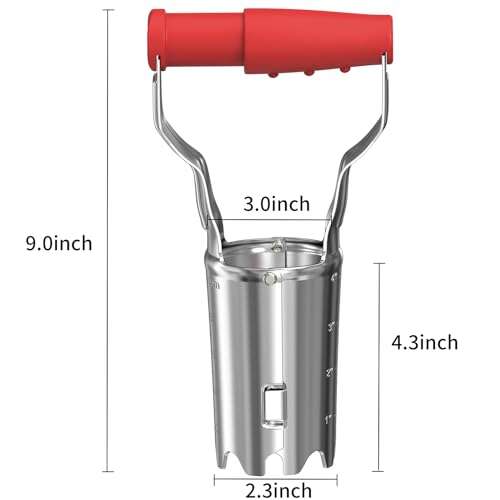
Use a narrow weeding tool, an old flat screwdriver, or a patio knife. Push the tool deep beside the weed, loosen the soil, and pull slowly. Try to remove the full root rather than snapping the stem.
Follow these steps:
-
Sweep loose dirt and leaves from the bricks.
-
Water the area lightly if the soil is very hard.
-
Loosen the weed from both sides.
-
Pull the plant out with a steady motion.
-
Scrape out leftover roots and soil.
-
Sweep the joint clean when finished.
Do not throw pulled weeds into a home compost pile if they have mature seed heads. Some weed seeds can survive mild composting. Place them in yard waste or a sealed trash bag instead.
Hand removal takes more time, but it gives you control. It is often the best answer for how to stop weeds growing between bricks when the area is small or sensitive.

Use Boiling Water for Small Areas
Boiling water can kill young weeds without leaving a chemical residue. Carefully pour it over the leaves and the base of each plant. The heat damages the plant tissue and may kill shallow roots.
This method works best on:
• Small cracks and short paths
• Young weeds
• Areas away from grass and flowers
• Brick surfaces that can handle hot water
Boiling water is less reliable against deep rooted weeds. Plants such as dandelions may grow back if their roots remain below the joint. You may need to repeat the treatment several times.
Use extreme care when carrying hot water. Wear closed shoes, keep children and pets away, and pour slowly to avoid splashing. Hot water can also damage nearby plants, paint, sealers, and some delicate masonry surfaces.
A useful lesson from routine patio care is that boiling water works best as a spot treatment. It is not a complete long term solution by itself.

Try Vinegar Carefully
Household vinegar is sometimes used to kill weeds between bricks. Stronger horticultural vinegar can damage plant tissue more quickly than kitchen vinegar, but it also poses greater safety risks.
Vinegar works mainly by drying out leaves. It is most effective on small, young weeds during warm, dry weather. It usually does not kill deep roots, so larger weeds can return.
Keep these limits in mind:
• Vinegar can harm grass and garden plants
• It may irritate skin and eyes
• Repeated use can affect soil life
• Strong products may damage nearby surfaces
• Rain can wash the treatment away
Never mix vinegar with bleach, ammonia, or other cleaners. Dangerous fumes may form. Read the product label and use protective equipment when the label requires it.
For many homeowners, hand removal followed by joint repair is safer and more lasting than repeated vinegar treatments. This is an important part of how to stop weeds growing between bricks without creating new problems.

Apply a Weed Killer With Care
A labeled weed killer can help with stubborn growth, but it should not be the first choice for every brick surface. Select a product that specifically allows use around patios, walkways, or hardscapes. Follow the label for mixing, application, storage, and reentry times.
A contact herbicide damages the plant parts it touches. A systemic product moves through the plant and may work better on deep rooted weeds. Neither option prevents every new seed from sprouting.