Do I Need A Bulb Planter: Pros, Cons & Tips
No, you only need a bulb planter for speed, uniform depth, or hard-to-dig soil.
Wondering, “do I need a bulb planter?” The answer depends on your soil, the number of bulbs, and how much control you want while planting. A bulb planter can make the job faster and neater, but a hand trowel is often just as effective for a small garden. This guide explains when a bulb planter helps, when it is unnecessary, and how to choose the right method.

What Is a Bulb Planter?
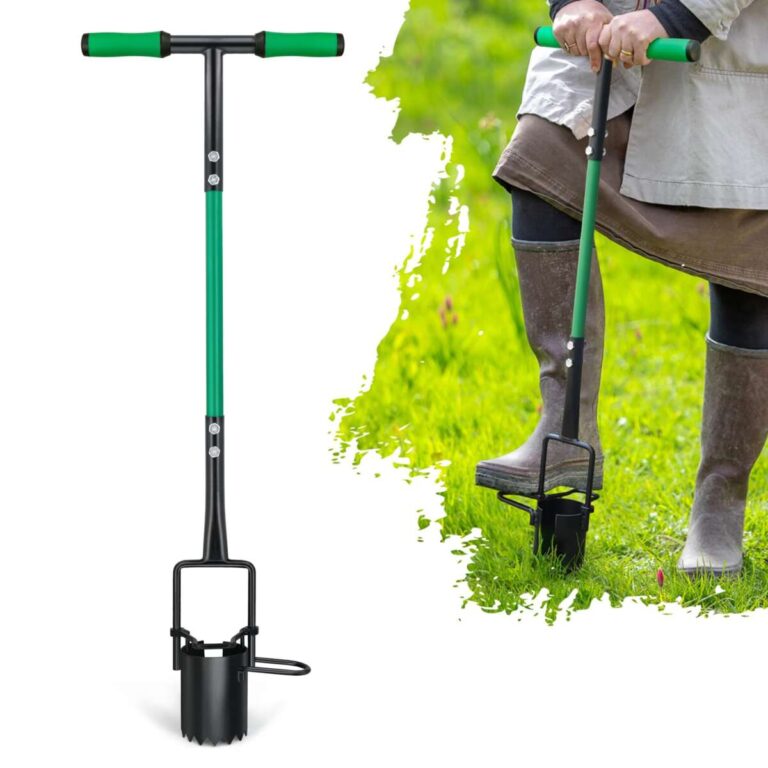
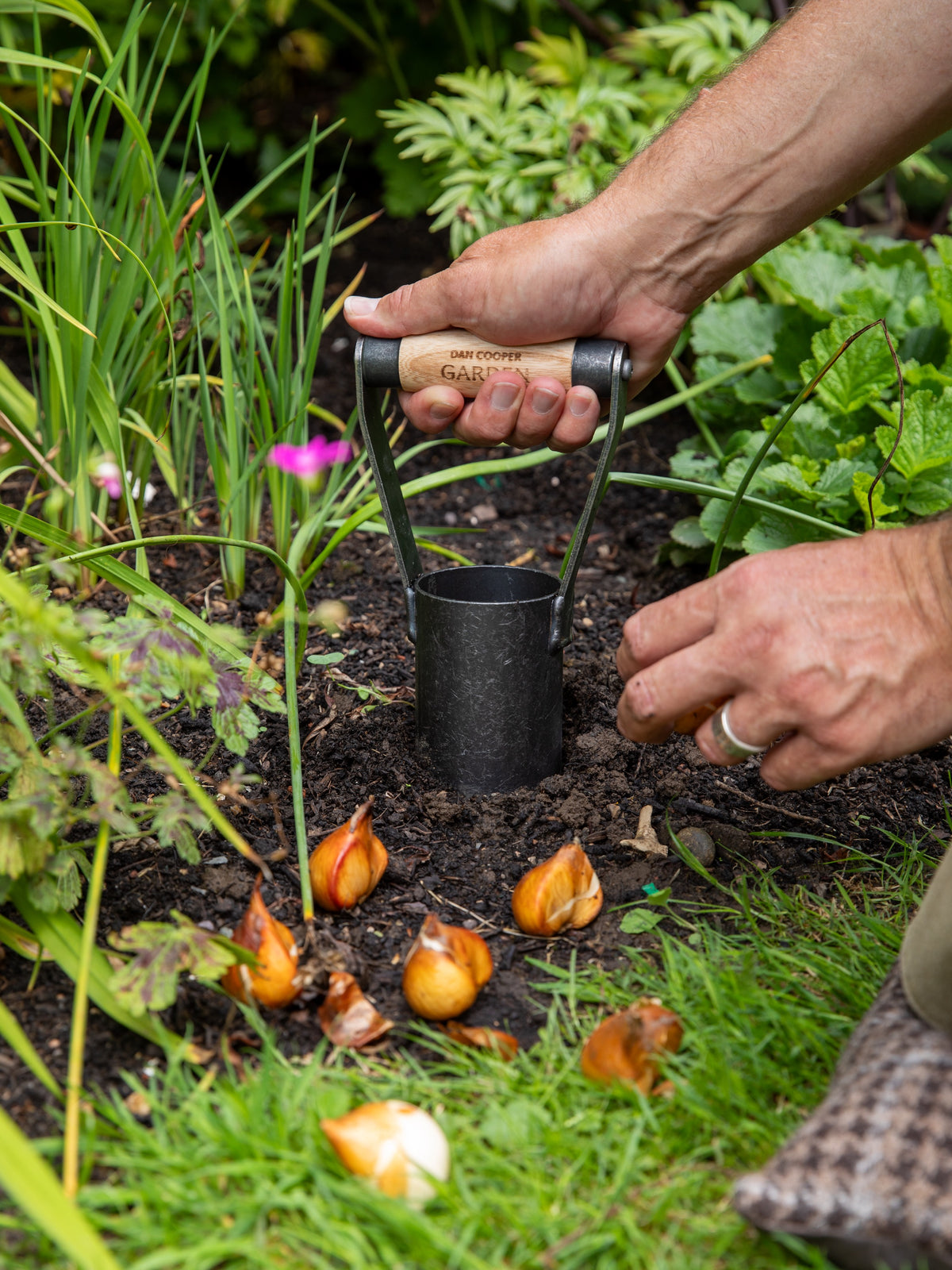
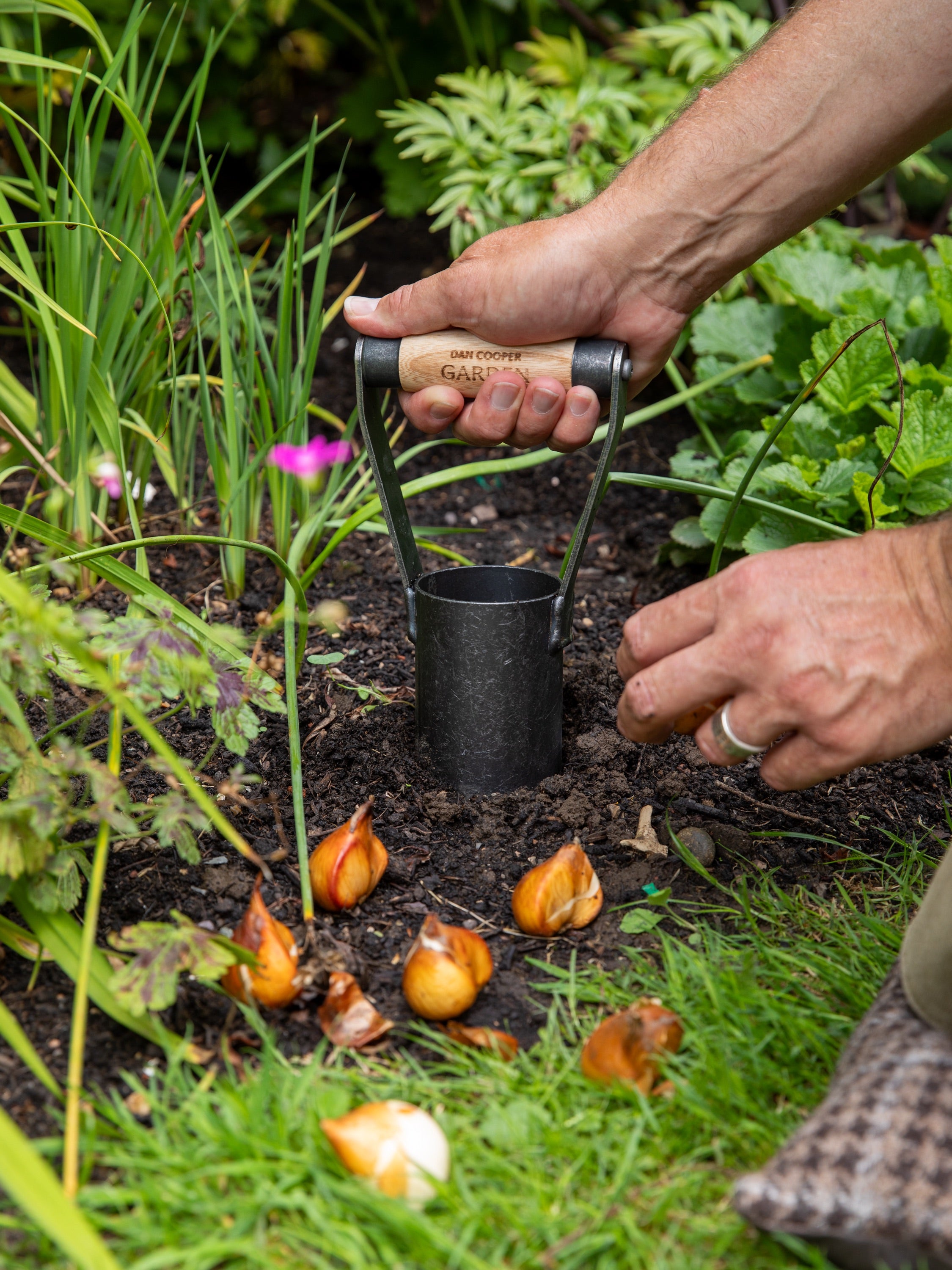
A bulb planter is a gardening tool made to create a hole for flower bulbs. Most models have a narrow, hollow cup with a sharp edge. You press it into the soil, twist or lift out a plug of dirt, place the bulb in the hole, and replace the soil.
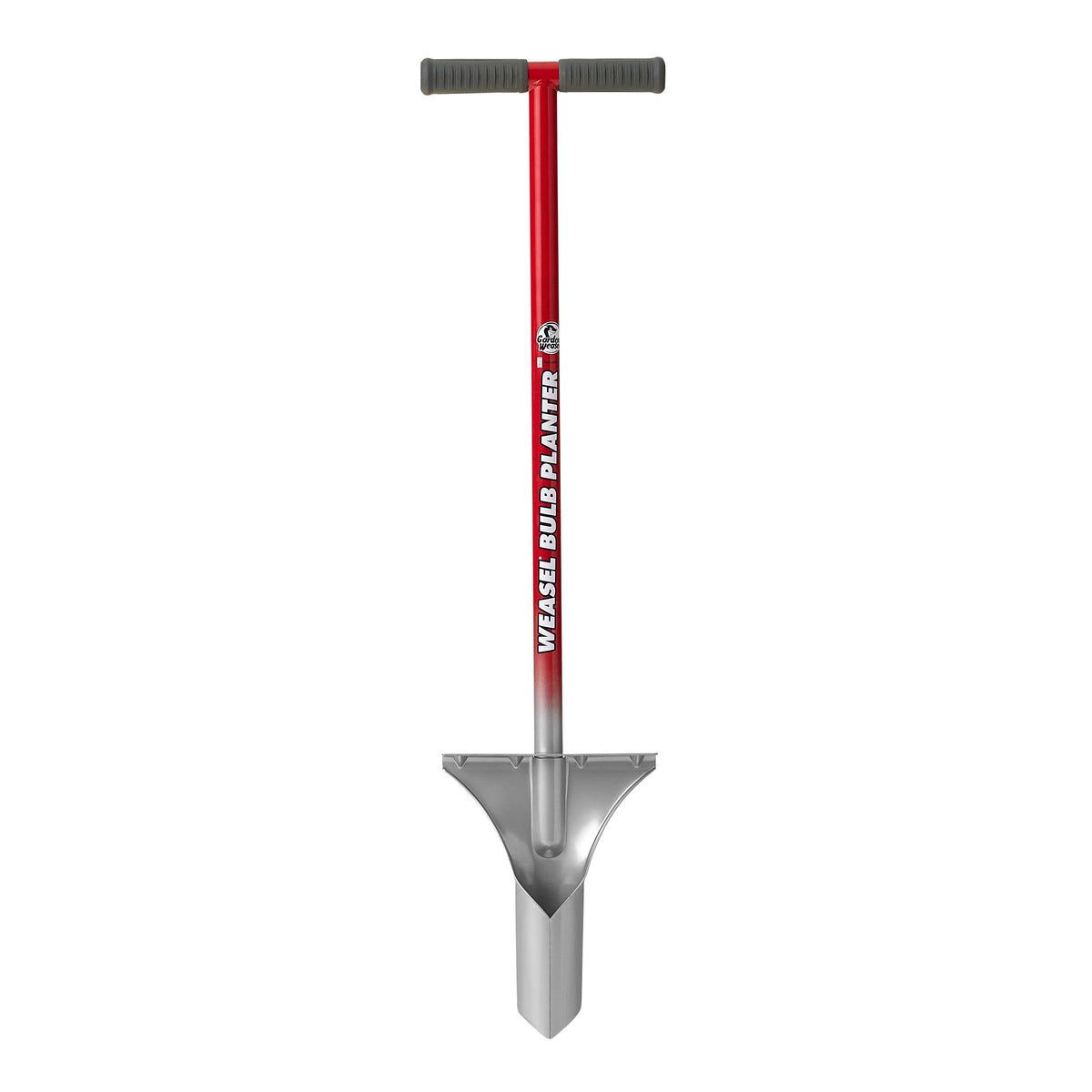
Some bulb planters have a short handle. Others have a long shaft that lets you work while standing. Common types include:
• Handheld bulb planters for small beds and containers
• Long-handled bulb planters for larger areas or gardeners with back pain
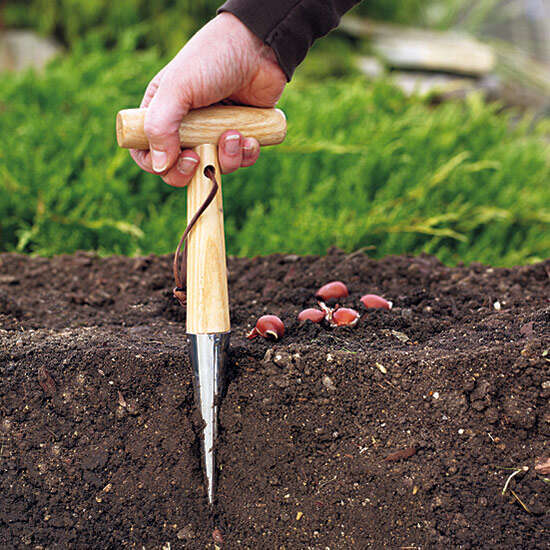
• Dibbers for making narrow holes in loose soil
• Spiral or drill-powered planters for planting many bulbs quickly
The tool does not plant the bulb by itself. It mainly creates a hole with a consistent width and depth. You still need to check the planting depth listed for the bulb variety.
For example, tulips, daffodils, and alliums are often planted several inches deep. Small bulbs such as crocuses may need much less soil above them. The right depth depends on the bulb, soil type, and local climate.
Do I Need a Bulb Planter for a Small Garden?
Usually, no. If you are planting 10 or fewer bulbs in soft, workable soil, a hand trowel is often the best choice. It is simple, flexible, and useful for many other garden tasks.
A trowel also gives you more control when the soil is packed with roots or stones. You can widen the hole, remove debris, and adjust the depth without forcing a rigid tool into the ground.
A bulb planter may still help if you want every bulb to sit at the same depth. This can create a more even display, especially in a formal flower bed. It also reduces the need to measure each hole by hand.
When people ask, “do I need a bulb planter?” I suggest looking at three things:
• The number of bulbs you plan to plant
• How firm or rocky your soil is
• Whether speed and even spacing matter to you
For a small spring display, a trowel is enough. For a large naturalized planting, a bulb planter may save time and effort.
When Is a Bulb Planter Worth Buying?
A bulb planter becomes more useful as the planting job grows. It can be worth buying when you have dozens or hundreds of bulbs to plant.
The tool is also helpful when you want a uniform look. A planter can create holes with a similar width, which makes it easier to place bulbs in rows, groups, or repeated patterns.
Consider buying one if:
• You plant bulbs every fall
• You manage large flower beds
• You want consistent planting depth
• You have loose or moderately firm soil
• Bending over with a trowel causes discomfort
• You often plant tulips, daffodils, crocuses, or ornamental onions
A long-handled model can reduce strain on your knees and back. Still, it may not work well in very hard clay or soil filled with roots. In those conditions, a strong trowel, digging fork, or soil auger may be more useful.
The main value is not that a bulb planter is essential. Its value is that it can make a repetitive task faster and more comfortable.

Bulb Planter vs. Hand Trowel
Both tools can plant bulbs well. The better choice depends on the job.
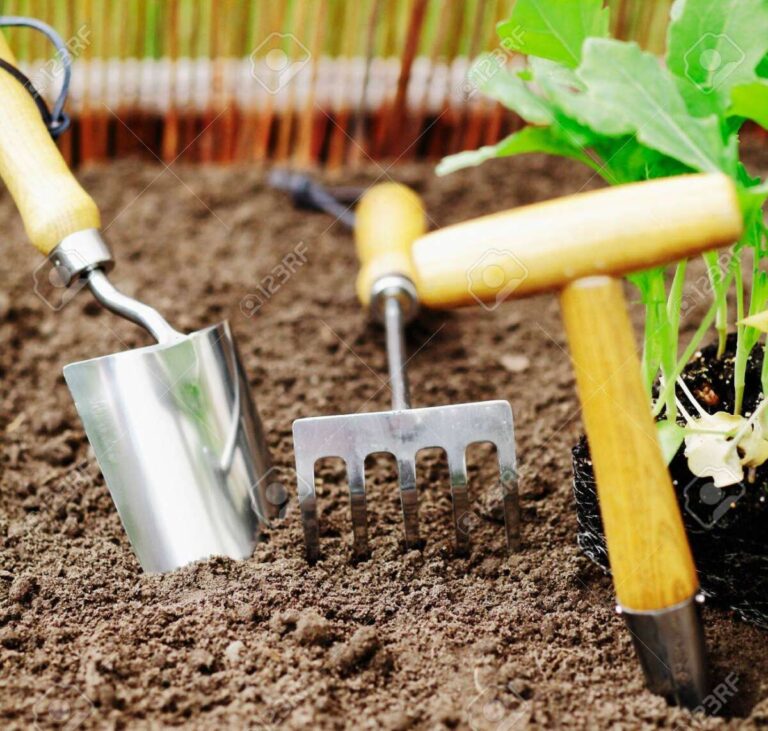
A hand trowel is more versatile. You can use it to dig holes, mix compost, divide perennials, remove weeds, and transplant small plants. It is also easier to use around tree roots and existing flowers.
A bulb planter is more specialized. It creates a neat hole quickly, but it may struggle in soil that is dry, rocky, or full of roots.
| Feature | Bulb planter | Hand trowel |
|---|---|---|
| Speed | Fast for repeated holes | Slower for many bulbs |
| Versatility | Designed mainly for bulbs | Useful for many garden jobs |
| Depth control | Often consistent | Easy to adjust by hand |
| Rocky soil | May jam or bend | Easier to work around stones |
| Cost | Extra tool to buy | Often already available |
| Comfort | Long handles can reduce bending | May require more kneeling |
For most first-time gardeners, a trowel is the safest starting point. You can always add a bulb planter later if you find yourself planting large numbers of bulbs.
This comparison explains why there is no universal answer to “do I need a bulb planter?” The tool solves a specific problem. It is not a required part of every gardener’s kit.
How to Plant Bulbs Without a Bulb Planter
You can plant bulbs successfully with a trowel, garden knife, or narrow spade. The key is correct depth, good drainage, and proper bulb direction.
Follow these steps:
-
Check the planting instructions for the bulb variety.
-
Choose a site with the light and drainage the bulb needs.
-
Loosen the soil several inches below the planting depth.
-
Dig a hole with a flat or slightly rounded base.
-
Place the bulb with the pointed end facing up.
-
Cover the bulb with loose soil.
-
Water lightly if the soil is dry.
-
Add a thin layer of mulch where suitable.
A common rule is to plant bulbs at a depth of about two to three times their height. However, this is only a general guide. Local extension services and bulb growers may recommend different depths for specific plants and climates.
Do not press heavy soil tightly over the bulb. Loose soil allows roots to grow and helps water move through the planting area. Avoid creating a deep pocket that holds water, since wet conditions can cause bulbs to rot.

How to Use a Bulb Planter Correctly
A bulb planter works best when the soil is moist but not wet. Soil that is too dry may be hard to penetrate. Soil that is too wet can stick inside the tool and lose its structure.
Use the planter in these steps:
-
Mark the area where you want the bulb.
-
Push the planter straight into the soil.
-
Twist it slightly to cut a clean plug.
-
Lift the soil plug out of the hole.
-
Check the hole depth.
-
Place the bulb with the pointed tip upward.