Can You Use Scissors To Prune Plants: Best Pruning Tips
Yes, you can use scissors to prune small plants, herbs, flowers, and soft stems safely.
Can you use scissors to prune plants? Yes, but the best results depend on the plant, stem size, and condition of the scissors. The right cut can encourage healthy growth, while a blunt or dirty blade can crush stems and spread disease. This guide explains when household scissors work, when pruning shears are better, and how to prune with care.
Can You Use Scissors to Prune Plants?
You can use scissors to prune many small plants. Clean, sharp scissors work well on soft stems, thin branches, herbs, houseplants, and spent flowers. They are especially useful for quick jobs, such as trimming basil, removing dead leaves, or shaping a young plant.
However, scissors are not ideal for every pruning task. Thick, woody stems can damage the blades and may be crushed instead of cut. For these stems, use bypass pruners, loppers, or a pruning saw.
The key question is not only, “Can you use scissors to prune plants?” It is also, “Are these scissors sharp, clean, and strong enough for this plant?”

Which Plants Can You Prune With Scissors?
Scissors are best for plants with thin, soft, or flexible growth. They provide good control and help you make small cuts without removing too much of the plant.
You can often use scissors to prune:
• Herbs such as basil, mint, parsley, cilantro, and chives
• Houseplants with soft stems, such as pothos, spider plants, and coleus
• Small flowering plants and annuals
• Seedlings and young plants
• Succulents with thin stems
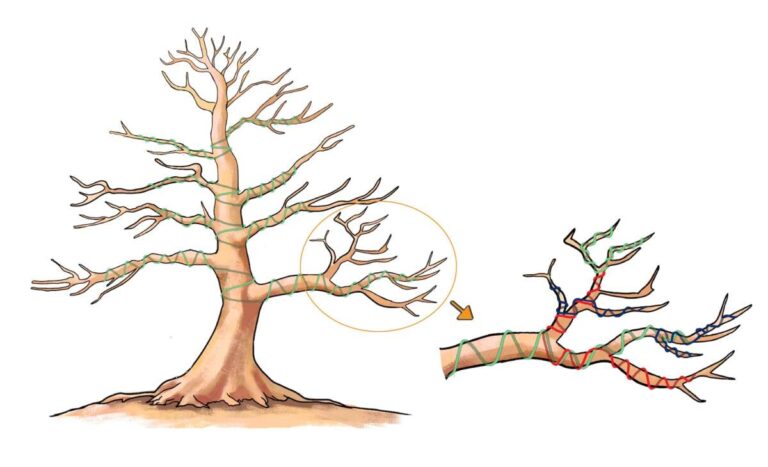
• Indoor bonsai shoots with delicate growth
• Small vegetable plants, such as tomatoes and peppers, when the stems are still thin
• Dead flower heads and soft plant tips
Scissors are also helpful for harvesting herbs. For example, cutting basil just above a pair of leaves encourages the plant to branch. This gives you a fuller plant and a larger harvest over time.
Avoid using ordinary scissors on large woody shrubs, rose canes, tree branches, or thick vines. These plants need tools that can make a clean cut without bending or splitting the stem.

When Should You Use Pruning Shears Instead?
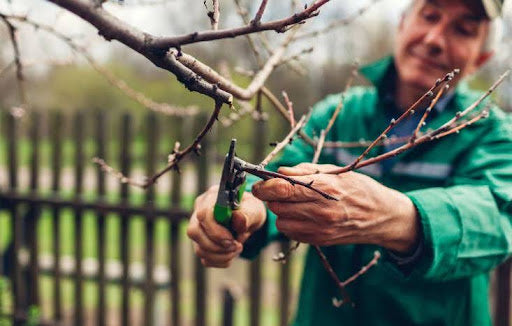
Pruning shears are stronger than household scissors. They have shaped blades made for plant stems, and their handles give you more power. Use them when a stem feels tough, thick, or woody.
Choose pruning shears for:
• Stems thicker than a pencil
• Rose bushes and woody perennials
• Small tree branches
• Mature tomato stems
• Thick vines
• Shrubs and hedges
• Dry or fibrous stems
Bypass pruners are often the best choice for live branches. Their curved blade passes a thicker blade, much like a pair of scissors. This action creates a clean cut and limits crushing.
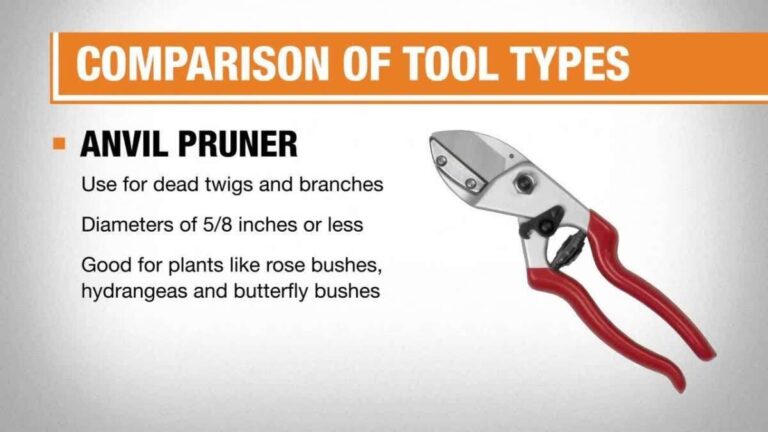
Anvil pruners have one sharp blade that presses against a flat surface. They can work well on dead wood, but they may crush green stems. For most living plants, bypass pruners are the safer choice.
If you find yourself squeezing hard to cut a stem with scissors, stop. The plant is telling you that the tool is too small.
:max_bytes(150000):strip_icc()/spr-tier-3-primary-best-pruners-ebrockob-001-48c9346d79924ea79c8a5366c43f9604.jpeg)
Household Scissors Versus Plant Scissors
Household scissors can prune plants, but they are not all the same. Kitchen, craft, sewing, and office scissors have different blade shapes and levels of strength.
Small plant scissors or bonsai scissors usually have narrow blades. They make it easier to reach crowded leaves and cut close to a stem. They are useful for indoor plants and detailed work.
When comparing scissors, look for:
• Sharp, smooth blades
• A comfortable grip
• Strong metal construction
• Blades that meet evenly
• A size that fits the plant
Do not use rusty, sticky, or loose scissors. A damaged blade can tear tissue instead of making a clean cut. Avoid scissors that have been used for glue, paper crafts, or food unless you clean them well first.
It is also wise to keep one pair of scissors for plants. This reduces the chance of moving plant sap, pests, or disease to household items.

How to Clean Scissors Before Pruning
Clean tools help protect plants from disease. Bacteria, fungi, and plant viruses can travel on dirty blades. This risk is higher when you cut a sick plant and then move to a healthy one.
Follow these simple steps:
-
Remove soil, sap, and plant bits with a clean cloth.
-
Wash the blades with soap and water.
-
Dry the scissors fully to help prevent rust.
-
Wipe the cutting surfaces with a suitable disinfectant.
-
Let the blades dry before making a cut.
Many gardeners use 70 percent isopropyl alcohol for quick tool cleaning. Household disinfectants may also work when used according to the label. Do not mix cleaning products, and keep them away from children and pets.
Cleaning matters most when you move between plants. If one plant has black spots, mildew, rot, or unusual growth, clean the scissors before touching another plant.

How to Prune Plants With Scissors
Good pruning is simple when you make a clear plan. First, decide what you want to remove. You may want to shape the plant, remove damaged growth, improve airflow, or encourage new shoots.
Use this method:
-
Wash and dry your hands.
-
Clean and sharpen the scissors.
-
Find the stem, leaf node, or branch collar.
-
Make one smooth cut.
-
Remove dead or diseased material from the area.
-
Clean the scissors again if the plant shows signs of disease.
For soft stems, cut just above a healthy leaf node. A node is the point where a leaf or new shoot joins the stem. New growth often develops from this area.
Keep the cut small and controlled. Do not saw back and forth with scissors. A single clean cut causes less damage than repeated squeezing.
On houseplants, avoid removing more than about one third of the plant at one time unless the plant has special pruning needs. Heavy pruning can stress a weak plant.

Where Should You Make the Cut?
The location of a pruning cut affects future growth. A poor cut may leave a long dead stub or damage a growing point.
For most soft-stemmed plants, make the cut:
• About one quarter inch above a healthy leaf node
• At a slight angle when needed to help water run away from the cut
• Close enough to avoid leaving a long stem
• Far enough away to avoid damaging the node
When removing a dead leaf, cut the leaf stalk near its base. Do not pull the leaf away, because pulling may tear nearby tissue.
When removing a dead branch, continue cutting until you see healthy, firm tissue. If the inside looks brown, black, or soft, the problem may extend farther down the stem.
Avoid cutting into the main stem unless necessary. The main stem supports the plant and carries water and nutrients.

Can Scissors Damage Plants?
Yes, scissors can damage plants if they are dull, dirty, rusty, or too small for the stem. A poor cut may crush the tissue and leave a rough wound. Damaged tissue can dry out or become an entry point for disease.
Common problems include:
• Jagged cuts from dull blades
• Crushed stems from weak scissors
• Torn leaves from pulling after cutting
• Disease spread from dirty tools
• Slow healing from large wounds
• Weak growth from excessive pruning
You can reduce these risks by using sharp blades and making deliberate cuts. If the stem bends before the blade cuts it, switch to a stronger tool.
A simple test helps: hold the stem steady and make one gentle cut. If the blade slides through easily, the scissors are suitable. If the stem folds, splits, or requires force, use pruning shears instead.
Benefits of Using Scissors for Plant Pruning
Using scissors has several advantages for small pruning tasks. They are easy to find, simple to handle, and often more precise than large garden tools.
The main benefits include:
• Low cost
• Easy storage
• Good control around leaves
• Fast trimming for indoor plants
• Useful for herbs and flowers
• Less risk of removing large sections by accident
Scissors are also helpful for beginners. Large pruners may feel awkward when a plant has crowded stems. Small scissors let you work slowly and see each cut.
For children learning about gardening, scissors can provide a useful lesson in plant care when an adult supervises the activity. Choose blunt tipped scissors for safety, and teach children never to cut near their fingers.

Limitations of Using Scissors to Prune Plants
Although you can use scissors to prune plants, they have clear limits. Their blades are often short and thin. They may not handle thick stems or repeated outdoor use.
Scissors are not the best tool for:
• Thick branches
• Hardwood
• Large shrubs
• Mature roses
• Tree limbs
• Dense hedges
• Large scale garden pruning
Using scissors for these tasks may bend the blades or cause hand strain. It may also leave rough cuts that heal slowly.
Another limitation is cleanliness. Scissors used around food, paper, or crafts may carry substances that harm plant tissue. Keep your gardening tools separate when possible.
Common Pruning Mistakes to Avoid
Many pruning problems come from cutting too much or cutting at the wrong time. Plants need leaves to make energy, so removing too much green growth can slow recovery.
Avoid these mistakes:
• Pruning a stressed plant without a clear reason
• Cutting more than the plant can replace
• Leaving long stubs
• Cutting directly into a leaf node
• Using dirty scissors
• Cutting wet foliage when disease is present
• Tearing stems by hand
• Shaping a plant without learning its growth pattern
One mistake I often see in small indoor gardens is removing every long stem at once. The plant may look neat for a day, but it can become weak and sparse. A better approach is to trim a little, wait for new growth, and then adjust the shape.
Think of pruning as editing a plant, not giving it a haircut with no plan. Each cut should have a reason.
Pruning Scissors for Indoor Plants
Indoor plants often benefit from small, precise cuts. Scissors work well for removing yellow leaves, trimming runners, and shaping soft growth.
Before pruning, check why the leaf is yellow. One old yellow leaf may be normal. Several yellow leaves may point to overwatering, poor light, root damage, or pests. Pruning removes the symptom, but it does not fix the cause.
For indoor plants:
• Remove fully dead leaves first
• Trim damaged leaf edges only when needed
• Cut soft stems above a node
• Improve light and watering after pruning
• Watch the plant for new growth
For pothos and philodendrons, cuttings can often be used for propagation if they contain a healthy node. Place the cutting in water or a suitable growing medium, depending on the plant.
Do not apply household glue, paint, or random powders to a small pruning cut. Most healthy houseplants can seal small cuts on their own when they receive proper light, water, and airflow.
Pruning Herbs and Edible Plants With Scissors
Scissors are excellent for harvesting herbs. Clean blades help keep the cut fresh and reduce the risk of transferring disease between plants.
For basil, cut just above a pair of leaves. This encourages two new stems to grow from that point. Do not wait until the plant becomes tall and woody if you want tender leaves.
For chives, cut the leaves close to the soil when harvesting. For parsley and cilantro, remove outer stems first and leave the center growing point intact.
Wash edible plants after harvest. Tool cleaning is important, but it does not replace normal food safety steps.
Avoid pruning herbs that show serious disease and then using those same herbs for food. When in doubt, discard damaged plant material and clean the tool before using it again.
Best Time to Prune Plants
The best pruning time depends on the plant and the goal. Light trimming of soft houseplants and herbs can happen during active growth. Heavy pruning often works best when the plant can recover quickly.
Consider these factors:
• Prune flowering plants after blooms fade when possible
• Trim herbs during active growth
• Remove dead or damaged parts as soon as you notice them
• Avoid major pruning during extreme heat or cold
• Follow the natural growth cycle of woody plants
Dead, broken, or diseased growth may need removal at once. Waiting can allow the problem to spread.
If you are unsure, start with one small cut. Watch how the plant responds over the next week or two. This cautious approach is useful for unfamiliar plants.
How to Sharpen and Store Pruning Scissors
Sharp scissors make cleaner cuts and reduce hand pressure. You can sharpen simple blades with a small tool made for scissors, or ask a garden center or hardware shop for help.
Keep the blades aligned. If they wobble, separate, or fail to meet, sharpening may not solve the problem. The scissors may need repair or replacement.
After use:
• Remove sap and plant pieces
• Wash and dry the blades
• Apply a small amount of tool oil if the manufacturer allows it
• Store scissors in a dry place
• Keep blades closed when not in use
A clean storage box or tool pouch can protect the blades. Do not leave scissors outdoors in rain or damp soil.
Frequently Asked Questions About Can You Use Scissors to Prune Plants
Can you use regular scissors to prune houseplants?
Yes, regular scissors can prune many houseplants with thin, soft stems. Clean and sharp blades are important because dull or dirty scissors can crush tissue or spread disease.
Can you use scissors to cut thick plant stems?
You can try only when the stem is thin enough for one easy cut. For thick or woody stems, use bypass pruning shears or a pruning saw instead.
Should you disinfect scissors before pruning?
Yes, disinfecting scissors helps reduce the spread of plant disease. Clean them before pruning and again after cutting a plant with visible disease.
Can scissors be used to prune roses?
Small scissors may remove soft rose tips or dead leaves, but they are not suitable for mature rose canes. Use sturdy bypass pruners for rose stems and wear gloves to protect your hands.
Is it better to cut plants with scissors or pruning shears?
Scissors are better for small, precise cuts on soft growth. Pruning shears are better for thick, woody, or outdoor stems because they provide more strength and cleaner cuts.
Can dirty scissors kill a plant?
Dirty scissors may transfer bacteria, fungi, or viruses from one plant to another. One cut may not kill a healthy plant, but repeated contamination can cause serious problems.
Should you use scissors to prune succulents?
You can use clean scissors on small, soft succulent stems and leaves. Let fresh cuts dry as needed, and avoid overwatering the plant while the wound heals.
Conclusion
So, can you use scissors to prune plants? Yes, scissors are useful for herbs, flowers, seedlings, houseplants, and other plants with thin, soft stems. Clean blades, sharp edges, and careful cuts are the keys to success.
Use pruning shears for thick, woody growth, and never force scissors through a stem. Start with small cuts, follow the plant’s natural growth pattern, and clean your tools between plants. With a little care, the right pair of scissors can become one of the most useful tools in your garden kit. Try these tips on one small plant, then share your pruning experience or explore more plant care guides.

Laura Bennett is a gardening writer at MyGardenLabs who creates beginner-friendly guides focused on solving common plant care and gardening problems.