
Can Bushes Be Trimmed In The Fall: Best Pruning Tips
Yes, bushes can be trimmed in the fall, but the right timing depends on the shrub’s type, bloom cycle, and health.
Knowing when can bushes be trimmed in the fall helps you protect next year’s flowers, avoid winter damage, and keep your landscape neat. Some shrubs welcome a light fall trim, while others should wait until late winter or after spring flowering. This guide explains how to tell the difference and how to prune with confidence.
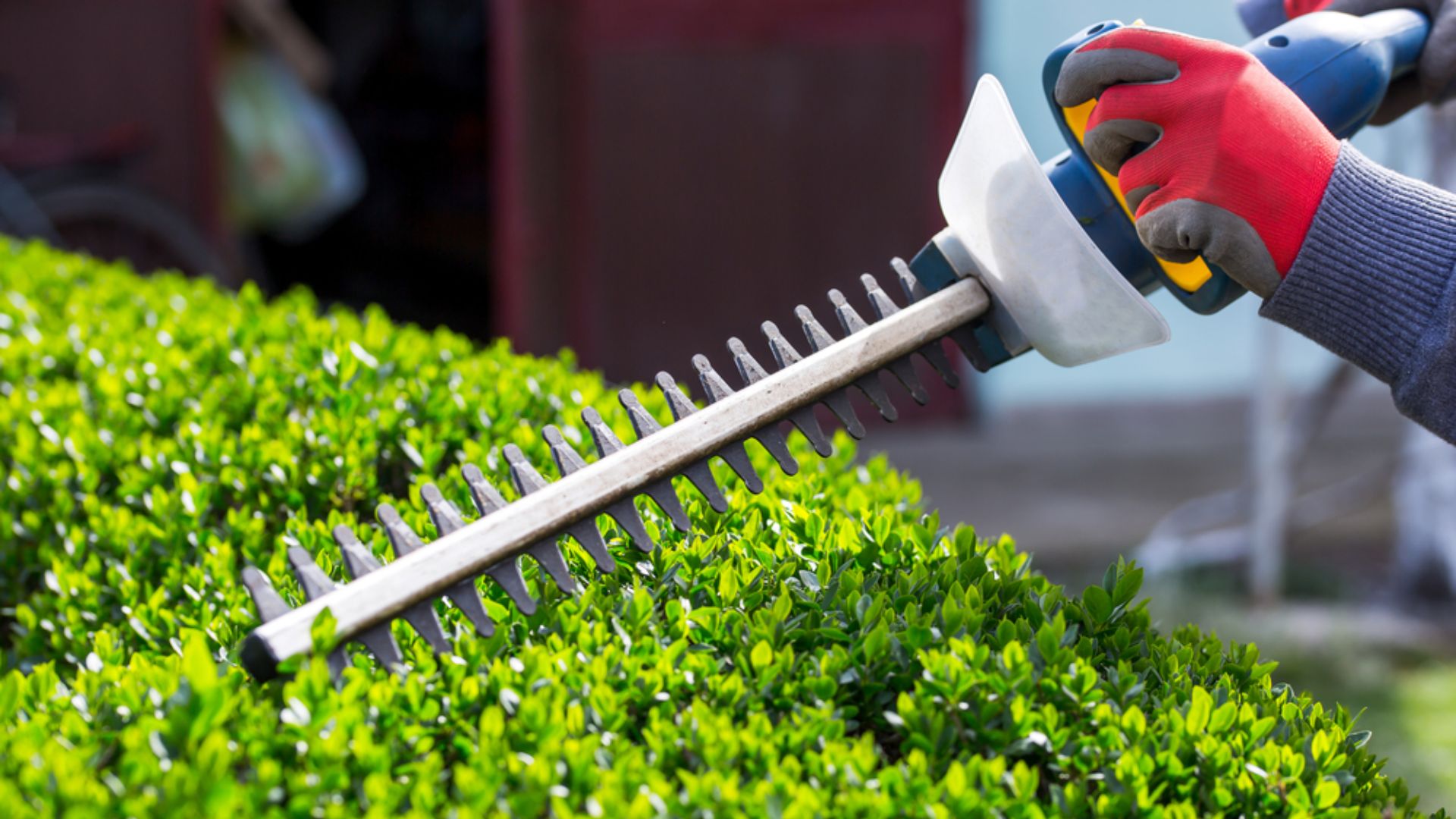
Can bushes be trimmed in the fall?
Yes, bushes can be trimmed in the fall, but fall pruning is not right for every shrub. The safest approach depends on whether the bush blooms on old wood or new wood, how cold your area becomes, and why you want to prune.
Old wood is growth made during the previous season. Many spring-flowering shrubs form flower buds on this older growth. If you cut them in the fall, you may remove next spring’s blooms.
New wood grows during the current season. Shrubs that bloom on new wood often tolerate late-winter or early-spring pruning better than fall pruning. Examples include many summer-flowering shrubs, such as butterfly bush and some spirea varieties.
Fall trimming is usually best for:
• Removing dead, broken, or diseased branches
• Cutting out branches that rub against each other
• Removing growth that blocks paths, windows, or doors
• Lightly shaping shrubs that have finished flowering
• Reducing branches that may break under snow or ice
Heavy shaping, rejuvenation, and major size reduction are often better in late winter. At that time, the plant is dormant, and its structure is easier to see.

When is the best time to trim bushes in the fall?
The best time to trim bushes in the fall is usually after the leaves drop but before the ground freezes hard. This period allows you to see the branch structure clearly while giving the plant time to begin dormancy.
In many parts of the United States, this means late October through November. The exact timing varies by climate:
• In warm regions, pruning may be possible into early winter.
• In cold regions, finish pruning several weeks before severe frost.
• In mild coastal areas, plants may remain active well into fall.
Avoid pruning during warm spells after the plant has entered dormancy. A strong trim can encourage tender new growth. That growth may not harden before a sudden freeze.
A useful rule is to prune with the weather in mind, not just the calendar. If a long stretch of mild weather is expected, wait. If deep cold is close, limit your work to basic cleanup.

Which bushes should not be trimmed in the fall?
Several shrubs should not receive heavy fall pruning. These plants either bloom on old wood, need their branches for winter protection, or may respond with weak new growth.
Avoid major fall pruning on:
• Azaleas and rhododendrons
• Lilacs
• Forsythia
• Hydrangeas that bloom on old wood
• Flowering quince
• Weigela
• Mock orange
• Bridal wreath spirea
• Ninebark, if you want its natural shape and winter structure
Spring-flowering shrubs often set their flower buds soon after blooming. A fall trim may remove those buds before they open. The plant may look healthy but produce few flowers the next year.
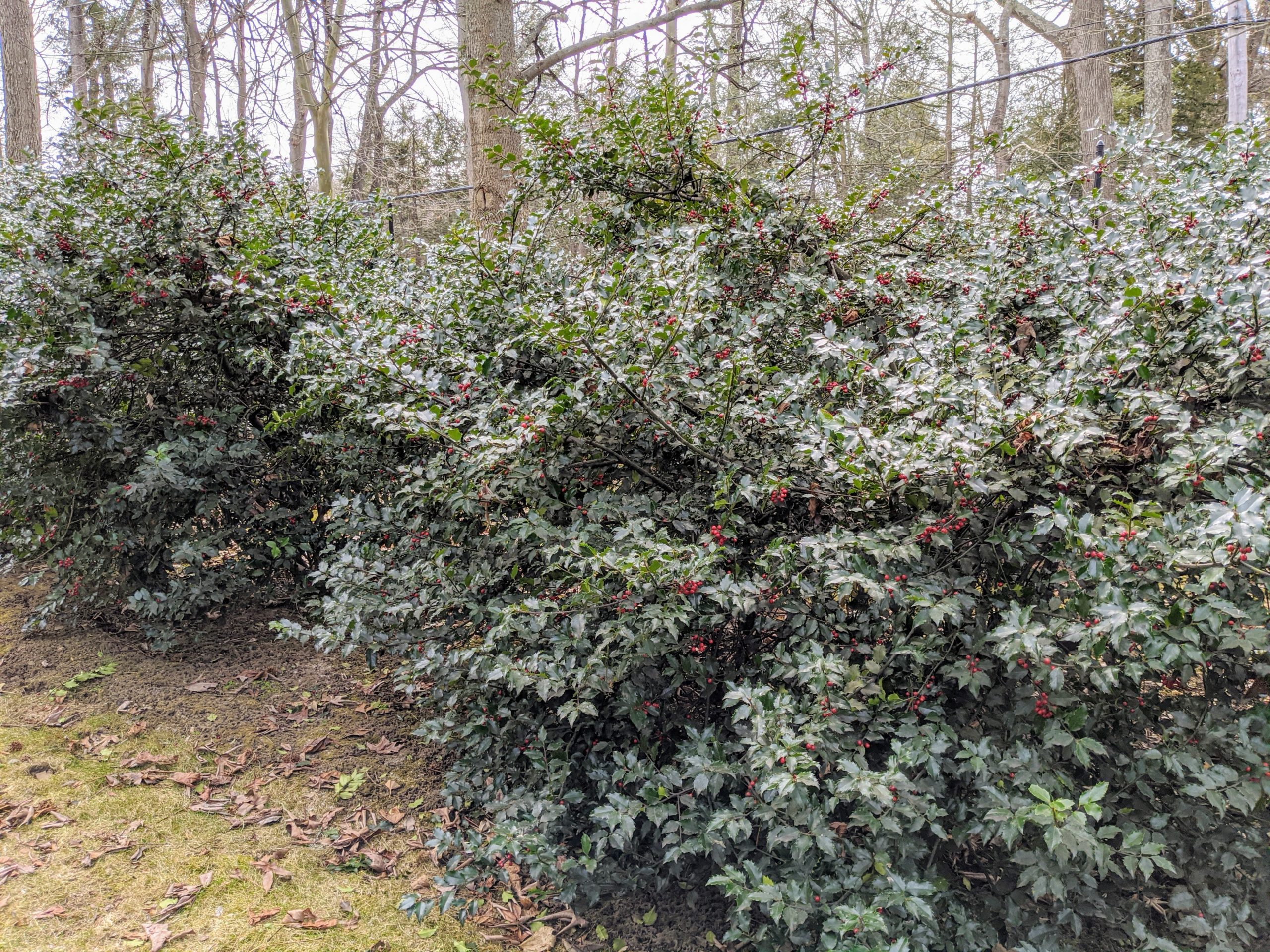
Some evergreen shrubs also dislike heavy fall cuts. Boxwood, holly, and arborvitae can suffer winter burn or exposed branch damage after aggressive pruning. A light cleanup is usually safer than cutting deep into the plant.

Which bushes can be trimmed in the fall?
Some bushes handle fall trimming well, especially when the work is light. Shrubs that bloom on new wood are often more flexible, although severe pruning is still best done during dormancy.
Bushes that may tolerate light fall pruning include:
• Butterfly bush
• Rose of Sharon
• Some panicle hydrangeas
• Some smooth hydrangeas
• Summersweet
• Potentilla
• Beautyberry
• Certain spirea varieties
• Bluebeard
Plant labels can help, but they are not always detailed enough. The name “hydrangea,” for example, covers several species with different pruning needs. Bigleaf hydrangea often blooms on old wood, while panicle hydrangea usually blooms on new wood.
When you are unsure, identify the exact shrub before cutting. Local extension offices, plant databases, and experienced nursery staff can help confirm its pruning group.
Why trim bushes in the fall?
Fall pruning can solve real landscape problems, but it should have a clear purpose. Trimming only because the calendar says fall can create more harm than good.
The main benefits include:
• Better plant health: Removing diseased wood can slow the spread of some fungal and bacterial problems.
• Improved safety: Dead or weak branches may fall during wind, snow, or ice.
• Cleaner appearance: A light trim can tidy overgrown edges and paths.
• Better airflow: Removing crowded branches helps air move through the shrub.
• Easier inspection: Bare branches make it simpler to spot crossing, damaged, or dead wood.
Fall is also a good time to remove water sprouts and suckers when they are easy to see. These fast-growing shoots can drain energy from the main plant and make a shrub look messy.
Still, pruning cannot cure every plant problem. Poor soil, drought, root damage, pests, and disease may need separate treatment.