Can I Cut Rose Bushes Back In October: Pruning Guide
Yes, you can cut rose bushes back in October, but only lightly and with your climate in mind.
The answer to “can I cut rose bushes back in October” depends on your local frost date, rose type, and pruning goal. October is often a good month for cleanup, but hard pruning is usually best saved for late winter or early spring. This guide explains what to cut, what to leave, and how to protect your roses through winter.
Can I Cut Rose Bushes Back in October?
Yes, you can cut rose bushes back in October if you are removing dead, damaged, diseased, or weak growth. Light trimming is usually safe in fall, especially after the rose has slowed down and lost most of its leaves.
However, avoid cutting the whole plant down heavily in October. A hard prune can encourage tender new shoots that may not mature before freezing weather arrives. Those soft shoots are easily damaged by frost and may weaken the plant.
The safest October work includes:
• Removing dead flowers and rose hips if needed
• Cutting out diseased leaves and stems
• Removing broken or crossing branches
• Shortening very long canes that may whip in winter wind
• Cleaning fallen leaves from around the plant
The right timing varies across the United States. Gardeners in warm areas may still see active growth in October, while those in northern states may already have hard frost.

Why October Rose Pruning Can Be Helpful
Light fall pruning can make a rose bush cleaner, safer, and easier to manage during winter. It also reduces places where fungal spores and pests can survive.
Rose bushes often hold onto dead leaves and spent blooms in fall. These materials can shelter black spot spores, powdery mildew, and insect eggs. Removing them helps lower disease pressure in the next growing season.
October pruning can also prevent winter damage. Long, loose canes may rub against one another or swing in strong wind. A short, careful trim can reduce this movement without forcing the plant into fresh growth.
In my own garden work, I once left several tall canes on a shrub rose before a windy winter. The canes bent hard and scraped against each other for weeks. In spring, several tips were split and blackened. Since then, I shorten only the longest, loose canes before winter while saving major shaping for spring.
Light pruning may also improve the plant’s shape, but do not try to make the bush perfect in October. Think of fall pruning as putting the rose to bed, not giving it a full haircut.

What to Prune From Rose Bushes in October
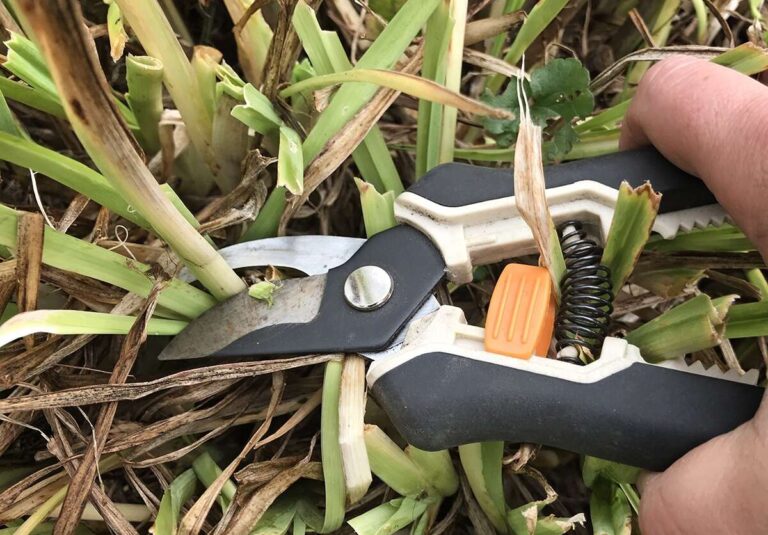
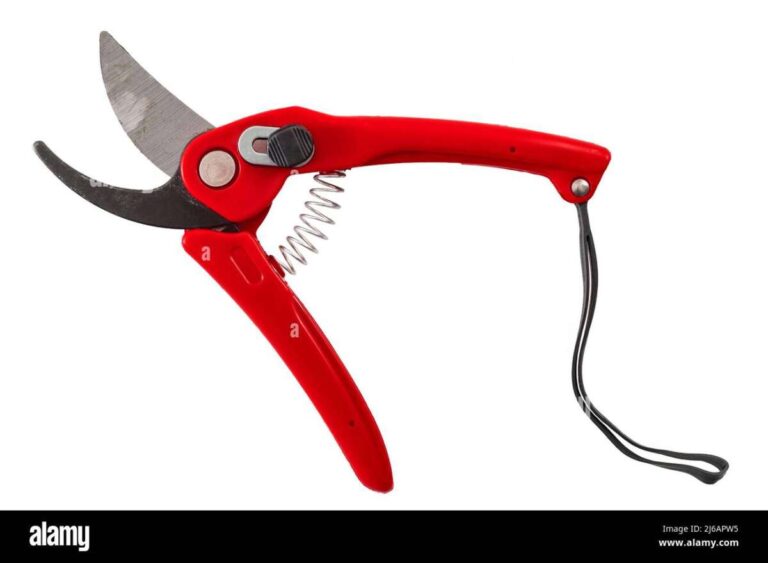
When deciding whether you can cut rose bushes back in October, focus on plant health and winter safety. Use clean, sharp bypass pruners, and disinfect the blades between diseased plants.
Remove dead and diseased wood
Dead wood looks brown, gray, cracked, or dry inside. Make a cut below the damaged area until you see healthy white or pale green tissue.
Diseased canes may show black spots, sunken areas, orange growth, or unusual swelling. Cut these stems back to healthy wood, then place the debris in the trash. Do not add visibly diseased rose leaves or stems to a home compost pile.
Cut out weak and crossing branches
Thin, weak stems rarely survive winter well. Remove them at the base or cut them back to a stronger branch.
Crossing branches can rub together and create wounds. Keep the stronger, better-positioned cane and remove the weaker one. Aim for an open shape with good air movement through the center.
Shorten long, loose canes
You can shorten long canes by about one-third if they are likely to bend or whip in winter winds. This is especially useful for tall shrub roses and roses grown in exposed locations.
Do not reduce every cane to the same height. That can create a blunt, unnatural shape and may remove too much healthy wood. Make each cut just above an outward-facing bud when possible.
Remove spent flowers carefully
Deadheading in October depends on your goal. If you want rose hips for winter interest or wildlife, leave some spent blooms in place. If you want to reduce disease or keep the plant tidy, remove the old flowers and hips.
Avoid heavy deadheading late in fall if it causes vigorous new shoots. In many regions, it is better to stop encouraging blooms and allow the plant to enter dormancy naturally.

When You Should Not Cut Rose Bushes Back in October
There are times when the answer to “can I cut rose bushes back in October” is no, or at least not yet. Avoid major pruning when the plant is still producing lots of soft, new growth.
New shoots need time to harden before freezing weather. A hard cut can wake dormant buds and trigger growth at the wrong time. This is more likely during a warm autumn or in mild climates.
Delay pruning if:
• Your rose is still growing strongly
• Your area has not yet had a killing frost
• The forecast shows warm weather for several weeks
• The plant is newly planted and needs its leaves
• You are dealing with a climbing rose that blooms on old wood
• You plan to reshape the entire bush
A newly planted rose should receive very little fall pruning. Let it build roots and maintain as much healthy foliage as possible. Remove only dead, broken, or diseased parts.
Climbing roses need special care. Many climbers flower on canes that grew in previous years. Cutting those canes in October may remove next year’s flowers. Tie long canes to a support instead of cutting them unless they are damaged or unsafe.

The Best October Pruning Method
If you decide you can cut rose bushes back in October, use a gentle method. The goal is to remove problems without stimulating a flush of new growth.
-
Check the weather forecast. Choose a dry day when the plant is not frozen or wet.
-
Clean your pruners. Wipe the blades with rubbing alcohol or a suitable disinfectant.
-
Inspect the bush from top to bottom. Look for dead, diseased, broken, weak, or crossing stems.
-
Remove damaged wood first. Cut back to healthy tissue or remove the cane at its base.
-
Shorten only unstable canes. Reduce long branches that could whip, bend, or break in winter.
-
Keep the main framework. Do not remove healthy structural canes just to create a neat shape.
-
Gather fallen leaves. Remove leaves from the soil surface, especially if the plant had black spot or mildew.
-
Water before the ground freezes. A well-watered rose is better prepared for winter, but avoid soggy soil.
-
Add winter protection when needed. Apply mulch after the ground cools, keeping it a few inches away from the crown.
Each cut should be clean and slightly angled. Avoid leaving long stubs, since they can die back and attract disease. Also avoid cutting too close to a bud, which may damage the bud itself.

How Much Can You Cut Rose Bushes Back in October?
For most roses, limit October pruning to light maintenance. Removing about one-quarter to one-third of the longest growth is usually safer than cutting the entire plant down.
The exact amount depends on the rose and the climate. In a cold, windy area, slightly shortening tall canes may prevent winter breakage. In a mild area, you may need to remove little more than damaged wood.
Do not use fall pruning to control a rose that has simply become too large. Wait until late winter, just before new growth begins. At that time, you can see the plant’s structure clearly and make stronger cuts with less risk.
A useful rule is this: if a cut is for safety or health, it may be suitable in October. If a cut is for size, shape, or rejuvenation, it usually belongs in late winter or early spring.

October Pruning by Rose Type
Different roses respond in different ways. Knowing the type of rose helps you decide whether you can cut rose bushes back in October.
Hybrid tea and floribunda roses
These roses often receive their main pruning in late winter or early spring. In October, remove damaged wood, weak stems, and diseased leaves. Shorten only canes that may break in winter weather.
Shrub roses
Shrub roses are often hardy and need less formal pruning. Lightly reduce long or unruly branches, but keep the natural shape. Many shrub roses produce attractive hips, so consider leaving some old blooms.