Best Tool For Weeding In Gravel: Top Picks For Easy Control
For most gravel beds, a sharp stainless steel crack weeder offers the best mix of control, reach, and root removal.
If weeds keep popping through your gravel driveway, patio, or path, you know how stubborn they can be. A rake may skim the surface, while herbicide can harm nearby plants and soil. I prefer a focused hand tool that slips into tight gaps and lifts the weed from its root. The best tool for weeding in gravel should be strong, easy to control, and gentle enough to avoid scattering stones. I tested the features that matter most, including blade shape, handle length, grip, reach, and daily comfort. The nine options below cover small cracks, wide gravel beds, deep roots, and no-kneel yard work.
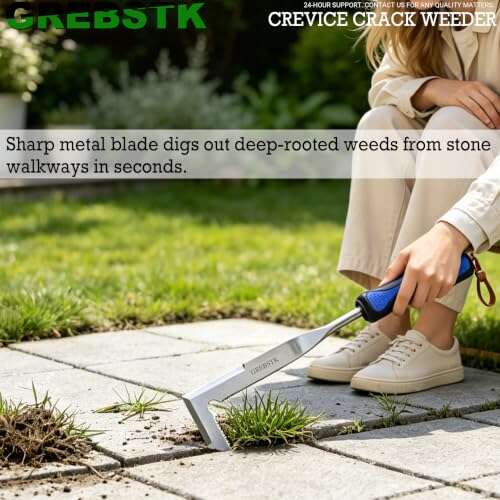
GREBSTK Crack Weeder

The GREBSTK Crack Weeder is a simple, focused tool for weeds that grow between gravel, pavers, curbs, and concrete. Its narrow stainless steel tip can enter spaces that a normal garden hoe cannot reach. I like this style because it gives me direct control over the weed instead of forcing me to disturb a large patch of stone. The light build also helps during long cleanup sessions.
This tool works best when the gravel is fairly settled and the weed has a visible stem or root crown. I place the sharp end beside the root, push down, and use a small levering motion to loosen it. It is not a broad-bed cultivator, but it is highly useful for detail work. For many homeowners, this is the best tool for weeding in gravel around walkways and driveway edges.
Pros:
- Sharp, narrow end reaches tight gravel gaps
- Stainless steel resists rust with normal care
- Lightweight design reduces hand fatigue
- Offers precise control near edging and plants
- Useful for patio, sidewalk, and driveway cracks
Cons:
- Requires kneeling or bending for most tasks
- Not ideal for large areas with dense weeds
- A narrow tip may need care around very hard soil
My Recommendation
I recommend the GREBSTK Crack Weeder for homeowners who want a low-cost, direct way to clear isolated weeds from gravel. It suits people who value precision more than speed. It also makes a smart choice for raised beds, stone paths, and areas where a long tool would feel awkward. If your main problem is weeds in narrow seams, this may be the best tool for weeding in gravel for careful hand work. Its value is strong when you need a compact tool that is easy to store and quick to grab.
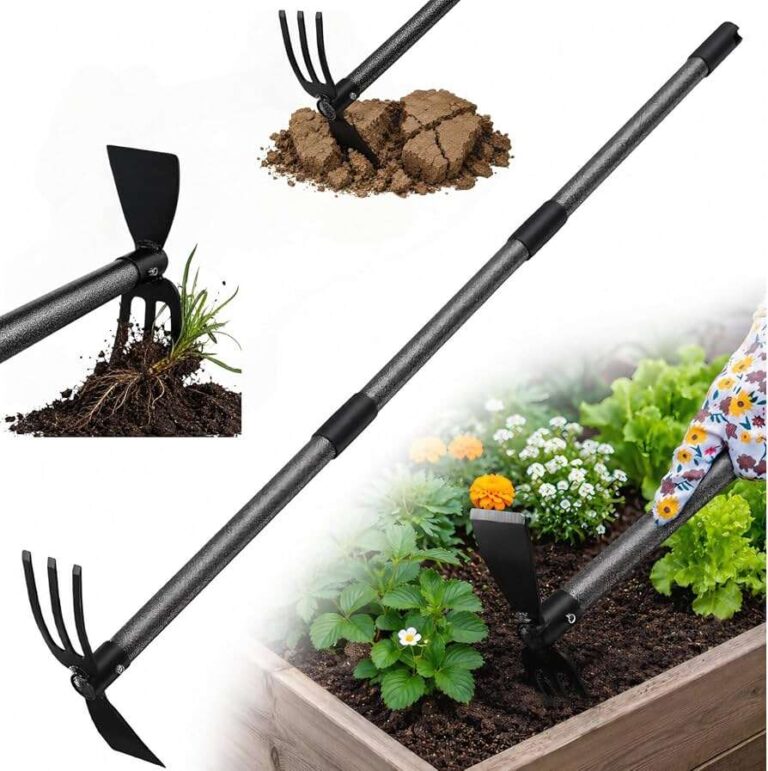
CKLT 2-in-1 Garden Hoe and Weed Puller

The CKLT 2-in-1 Garden Hoe and Weed Puller brings long reach to gravel maintenance. Its 60-inch handle lets me work while standing, which is a major benefit when weeds cover a driveway or broad stone bed. The spring steel head combines a hoe-like edge with a pulling and raking function. That lets me loosen shallow roots, gather loose weeds, and smooth small areas in one pass.
The textured finish should help provide a steadier hold during repeated strokes. I would use this tool after light rain or early in the morning, when the soil under the gravel is softer. A long handle gives better reach, but it can feel less precise than a small crack tool. Still, for people who want to reduce bending, this is a strong candidate for the best tool for weeding in gravel.
Pros:
- 60-inch length supports standing work
- Two-in-one head handles hoeing and pulling
- Spring steel provides useful flexibility and strength
- Helps cover larger gravel sections quickly
- Textured finish can improve hand control
Cons:
- Long handle may feel bulky in tight spaces
- Less precise than a narrow crack weeder
- Deep taproots may still need hand removal
My Recommendation
The CKLT is best for older gardeners, users with back pain, and anyone clearing a long gravel path without kneeling. It is also useful for driveways where weeds appear in scattered groups rather than one small crack. I would choose it when reach and coverage matter more than delicate work. As the best tool for weeding in gravel, it stands out for comfortable standing use and broad, practical coverage. Store it under cover and clean the steel head after use to keep it ready for the next season.
BARAYSTUS 2-in-1 Weed Puller and Crack Weeder

The BARAYSTUS 2-in-1 tool is designed for gardeners who want both reach and a narrow working head. Its adjustable long handle can make a big difference when the gravel area extends along a fence, wall, or sidewalk. The detachable head adds flexibility for storage and use. I find this type of design helpful because one tool can handle surface weeds and weeds tucked into cracks.
The stainless steel head should handle regular outdoor use when I rinse away grit and dry it after work. The crack-weeding function is useful along hard edges, while the rake and puller side can gather loose growth in open gravel. It will not replace a heavy mattock for packed ground, but it offers a balanced approach for common yard weeds. The combination makes it a practical best tool for weeding in gravel when a homeowner needs more than one action.
Pros:
- Adjustable long handle improves reach
- Detachable head simplifies storage
- Combines crack weeding and pulling functions
- Stainless steel head suits regular outdoor use
- Useful beside walls, paths, and fence lines
Cons:
- Moving parts may need periodic tightening
- Two-in-one designs can feel less specialized
- Large root clumps may require a second tool
My Recommendation
I recommend the BARAYSTUS 2-in-1 for people who maintain mixed surfaces. It is especially useful if your property has a gravel driveway, a paver patio, and narrow sidewalk seams. The adjustable reach helps reduce bending, while the removable head makes storage easier in a small shed. For a flexible best tool for weeding in gravel, this model offers good range without requiring several separate tools. Check the connections before each use so the head stays firm during pulling.
WORKPRO Long-Handle Crack Weeder

The WORKPRO Long-Handle Crack Weeder focuses on one job: reaching weeds in tight seams without forcing the user to kneel. Its handle adjusts from about 27 to 54 inches, so I can shorten it for close work or extend it for a path edge. That range is useful for different users and different gravel layouts. The stainless steel weeding end is shaped for pulling growth from narrow spaces.
I would use the shorter setting when I need more control around decorative stone or small plants. The longer setting works well beside a driveway or along a patio border. Adjustable tools often need a firm twist or lock check before use, and this one is no exception. When comfort matters as much as accuracy, it can be the best tool for weeding in gravel for users who dislike bending.
Pros:
- Adjusts from short to long working length
- Reduces kneeling and repeated bending
- Focused head fits many narrow seams
- Stainless steel construction is easy to clean
- Works for both close and standing tasks
Cons:
- Adjustment points need regular checking
- Not designed to rake a wide gravel bed
- Extra reach may reduce leverage in hard soil
My Recommendation
The WORKPRO Long-Handle Crack Weeder is best for users who want one adjustable tool for several working heights. It suits small courtyards, gravel walkways, and patio borders where weeds grow in repeating seams. I would select it for a family garden because different people can set the handle to a comfortable length. If standing comfort is your priority, this is a strong best tool for weeding in gravel. Its overall value comes from combining compact crack control with useful reach.
BARAYSTUS 13-Inch Manual Crack Weeder

The BARAYSTUS 13-inch manual crack weeder is a compact option for close, careful work. Its L-shaped design gives the hand a useful angle for hooking and lifting weeds from cracks. I like short tools when I need to work around fragile edging, small pots, or decorative gravel that I do not want to scatter. The stainless steel body also makes cleanup simple after a damp morning session.
This tool asks the user to kneel, squat, or bend, so it is best for short jobs rather than a full driveway overhaul. The small size gives excellent feedback through the hand. I can feel when the tip reaches a root or hits a stone, then change the angle before applying force. For detail work, this may be the best tool for weeding in gravel because it offers control that long-handled tools cannot match.
Pros:
- Compact 13-inch design is easy to handle
- L-shaped profile supports hooking and lifting
- Good control around decorative gravel
- Stainless steel is simple to rinse and dry
- Fits easily in a small tool box or shed
Cons:
- Requires bending or kneeling
- Short reach is tiring over a large area
- Less suitable for deep, woody roots
My Recommendation
I recommend this BARAYSTUS model for gardeners who want careful hand control. It is a good fit for small patios, container areas, stone borders, and short sections of gravel. It also works well as a backup tool for stubborn weeds that remain after using a long-handled weeder. If precision matters more than speed, it can be the best tool for weeding in gravel. Its affordable, compact design makes it easy to keep near the back door for quick touch-ups.
GREBSTK Stainless Steel Crack Weeder

This GREBSTK crack weeder is another focused hand tool for removing weeds from hard edges and gravel seams. The sharp stainless steel end is narrow enough to target the base of a weed without moving a broad layer of stone. Its lightweight format helps me work in short bursts without carrying a heavy garden tool. It is a straightforward choice for people who prefer simple tools with no moving parts.
I get the best results by loosening the weed from two sides rather than pulling hard from one angle. That method helps protect the tip and gives roots less chance to snap. The tool is especially handy after rain, when the soil beneath the gravel gives a little. For routine maintenance, it can serve as the best tool for weeding in gravel around borders, steps, and walkway joints.
Pros:
- Sharp profile enters narrow gravel gaps
- Lightweight for quick maintenance jobs
- No adjustment parts to loosen or break
- Easy to control near hard surfaces
- Simple stainless steel care routine
Cons:
- Hand work can be slow on large areas
- Requires a low working position
- Hard, dry ground may need pre-soaking
My Recommendation
This GREBSTK tool is best for homeowners who want a dependable, uncomplicated crack weeder. I would keep it near a gravel path for weekly removal of small weeds before they flower and spread seed. It is also a useful choice for renters because it takes little storage space and needs no setup. If you want the best tool for weeding in gravel for basic detail work, this model delivers good control at a modest size. Its value is highest when used often on young weeds.
RexWeed Stand-Up 4-Claw Weed Puller

The RexWeed stand-up puller takes a different approach from a crack weeder. Its four-claw head is made to grip weeds near the crown and lift them with less kneeling. This design is useful for dandelions and other weeds with a central root, especially where the gravel covers firm soil. I appreciate the upright posture because it makes repeated removal less tiring for my knees and lower back.
A claw puller works best when I center the head over the weed, press it into the soil, and twist before lifting. It may not fit a very narrow crack or loose, deep gravel as well as a slim hook. It can, however, remove a whole plant when the claws get a firm grip. For people with widespread broadleaf weeds, it may be the best tool for weeding in gravel when comfort and root removal come first.
Pros:
- Stand-up design reduces kneeling
- Four claws grip many central-root weeds
- Useful for dandelions and similar plants
- Can remove weeds with less hand pulling
- Long handle supports repeated yard work
Cons:
- Claws may not fit narrow cracks
- Works better in soil than loose deep stone
- Leaves a small hole after root removal
My Recommendation
The RexWeed is best for users with knee, hip, or back concerns and for yards filled with dandelions. I would choose it for open gravel beds where weeds have room to form a clear crown. It is less suited to tiny seams beside a wall, but it can remove larger plants in one motion. If no-kneel comfort is your main goal, this may be the best tool for weeding in gravel. Fill larger holes with nearby gravel after pulling to keep the surface neat.
BARAYSTUS Long-Handle Crack Weeder

The BARAYSTUS Long-Handle Crack Weeder combines the narrow shape of a manual crevice tool with extra reach. That makes it useful when weeds grow along a sidewalk edge, under a railing, or beside a raised border. I can work from a more upright position while still aiming the L-shaped end at the root. The design is simple, so there is little to assemble or adjust.
This tool is most effective when the weed grows in a clear seam rather than in deep, shifting gravel. I use a push, hook, and lift motion instead of a hard yank. Its longer shaft gives more reach, though it may take a few tries to learn the right angle. For long edges and repeated cracks, it is a practical best tool for weeding in gravel.
Pros:
- Long handle reduces frequent bending
- L-shaped head reaches sidewalk and patio seams
- Good balance of reach and precision
- Simple design is easy to operate
- Useful for long borders and narrow edges
Cons:
- Angle takes practice for new users
- Not a strong choice for broad weed patches
- Long shaft can feel awkward in tight corners
My Recommendation
I recommend this BARAYSTUS tool for homeowners with long edges to maintain. It is a sensible fit for sidewalks, gravel paths, patios, and driveway borders where bending for every weed becomes frustrating. It gives more reach than a hand weeder without becoming a full-size hoe. For narrow seams that run across a property, it can be the best tool for weeding in gravel. Its overall value is strongest for routine edge care rather than major ground clearing.
Five-Piece Stainless Steel Weed Puller Set

The five-piece weed puller set gives gardeners several small tools for different weed shapes and spaces. A set can be useful when one gravel area has thin grass, broadleaf weeds, and growth tucked into separate cracks. I like having a spare tool available because a single weeder can become frustrating when its shape does not match the root. The stainless steel construction should be easy to rinse and dry after use.
This type of kit is best for detail work, not fast clearing across a large driveway. I would use the narrowest tool for seams and a broader puller for shallow-rooted plants in settled gravel. More tools also make it easier for two people to work at the same time. For households that want variety, this set may be the best tool for weeding in gravel because it provides several options in one purchase.
Pros:
- Five tools cover different weed shapes
- Useful for cracks, beds, and container areas
- Stainless steel handles normal outdoor use
- Spare tools help when one is misplaced
- Good choice for shared household gardening
Cons:
- Small tools require bending or kneeling
- Set may include tools you rarely use
- Manual pulling is slow over large spaces
My Recommendation
I recommend the five-piece set for beginners, families, and gardeners who want flexibility. It is also a smart choice for someone building a basic hand-tool collection for a new home. The set lets you match the tool to the weed instead of forcing one shape into every job. If variety matters most, it can be the best tool for weeding in gravel for small and mixed areas. Keep the pieces together in a dry pouch or bucket so the set remains easy to find.
WORKPRO 12.5-Inch Crack Weeder
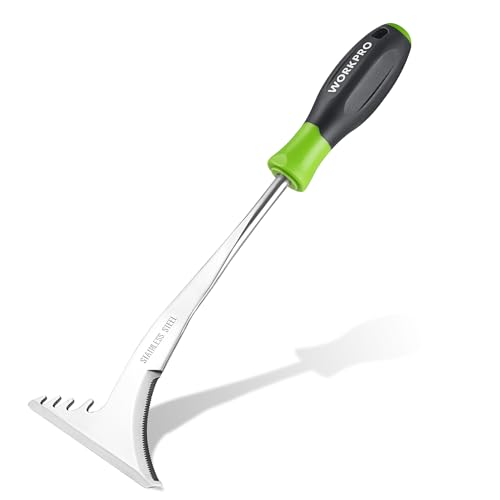
The WORKPRO 12.5-inch crack weeder is made for close work along hard surfaces. Its compact length gives me strong control, which helps when gravel sits beside a plant, wall, or delicate edging. The stainless steel head is suited to scraping and lifting small weeds from cracks. It is the kind of tool I reach for when I want to remove one weed without shifting a whole handful of stones.
The short handle does mean I must bend or kneel, so I would not choose it for a very large gravel drive. It shines during quick maintenance, especially when I remove weeds while they are young. A narrow tool also helps reduce unnecessary soil disturbance, which can limit the number of new seeds brought to the surface. For close detail work, this is a strong best tool for weeding in gravel.
Pros:
- Compact size offers precise hand control
- Fits narrow cracks and small gravel gaps
- Stainless steel head is easy to clean
- Good for quick spot treatment without chemicals
- Stores easily in a drawer or small shed
Cons:
- Requires kneeling or bending
- Short handle limits reach
- Not suited to deep roots or large weed patches
My Recommendation
The WORKPRO 12.5-inch model is best for careful gardeners who want a compact tool for daily touch-ups. It fits small patios, walkway borders, and gravel around mailboxes or steps. I would pair it with a long-handled model if the property has both narrow cracks and wide paths. For small jobs, it may be the best tool for weeding in gravel because it feels controlled and responsive. Its value is easy to see when you use it before weeds mature and spread.
Best-For Guide
| Best for | Why |
|---|---|
| Narrow cracks and precise work | A sharp stainless steel hand weeder gives direct control and limits gravel disturbance. |
| Large paths and no-kneel work | A long-handled hoe, puller, or claw tool covers more ground while reducing bending. |
| Mixed surfaces and varied weeds | An adjustable two-in-one tool or multi-piece set offers more ways to match the job. |
How I choose the best tool for weeding in gravel
Gravel creates a special weeding problem. The stones block some tools, shift under pressure, and can hide the root crown. A flat garden hoe may move the gravel without reaching the weed. A broad rake may collect loose growth but leave the root behind. I look for a narrow working end that can enter the gap, hook below the crown, and lift with a controlled motion.
Material matters too. Stainless steel is a practical choice for outdoor hand tools because it cleans easily and resists rust better than untreated carbon steel. It still needs care. I rinse off grit, wipe the blade dry, and store the tool out of rain. A sharp edge helps more than brute force, but I never strike a thin weeder with a hammer unless the tool maker clearly allows it.
Handle length depends on the user and the site. A short tool gives excellent control in tight spaces, but it asks the gardener to kneel. A long handle protects the back and covers more ground, but it can feel less exact. Adjustable handles offer a useful middle path. Claw pullers work well on upright weeds with a strong center root, while crack weeders work better on grass and plants growing in seams.
Timing also changes the result. Young weeds are easier to remove because their roots are smaller and the soil is often less packed. After rain, or after watering the gravel edge, I can usually pull with less force. I avoid working when the gravel is muddy because stones can cling to the tool and the surface may compact. I also remove mature weeds before they drop seed.
Manual removal does not end when the weed leaves the ground. I shake soil from the roots and place the plant in yard waste, not back on the gravel. Then I fill any large hole and rake the stones level. A clean surface makes new weeds easier to see. This routine turns the best tool for weeding in gravel into part of a simple prevention plan rather than a one-time fix.
FAQs Of best tool for weeding in gravel
What is the best tool for weeding in gravel?
For narrow cracks, a sharp stainless steel crack weeder is usually the best choice. It reaches the root without moving much gravel. For broad areas or users who cannot kneel, choose a long-handled hoe, puller, or claw tool.
Can I use a hoe to remove weeds from gravel?
Yes, but use a narrow hoe with care. A wide blade can scatter stones and may cut weeds off above the root. Work when the soil under the gravel is slightly damp, and pull slowly near the root crown.
Are manual weeders better than chemicals in gravel?
Manual tools offer direct control and do not add herbicide to the area. They work well near pets, children, drains, and wanted plants. They require more labor, but frequent early removal can greatly reduce repeat growth.
How do I remove deep-rooted weeds from gravel?
Water the area first if the soil is dry. Use a claw puller for a central root or a strong crack weeder for a narrow seam. Loosen the soil around the root and lift slowly so the root does not snap.
How do I stop weeds from returning through gravel?
Remove weeds before they seed, keep the gravel at a useful depth, and repair thin spots where soil shows through. A landscape fabric layer under properly installed gravel may also reduce growth, though windblown seeds can still sprout on top.
Final Verdict: Which Should You Buy?
For most buyers, I recommend the GREBSTK Crack Weeder as the best tool for weeding in gravel. It is sharp, light, precise, and effective in narrow seams.
Choose a long-handled model for less bending or a claw puller for broadleaf roots. With early removal and simple care, the right gravel weeder keeps paths clean and neat.

Laura Bennett is a gardening writer at MyGardenLabs who creates beginner-friendly guides focused on solving common plant care and gardening problems.