Best Tool For Planting Bulbs: Top Picks For Easy Planting
Finding the best tool for planting bulbs starts with choosing the right balance of depth control, comfort, and soil-cutting power.
Planting bulbs sounds easy until you face hard soil, thick turf, or dozens of holes. A small hand planter may work for a few tulips, but a long-handle tool can save your knees and back during a large fall planting. I compared the most useful bulb planters for home gardens, lawns, raised beds, and mixed soil. These picks focus on clean holes, steady depth, easy release, and practical value for real planting days.
FLORA GUARD Bulb Planter

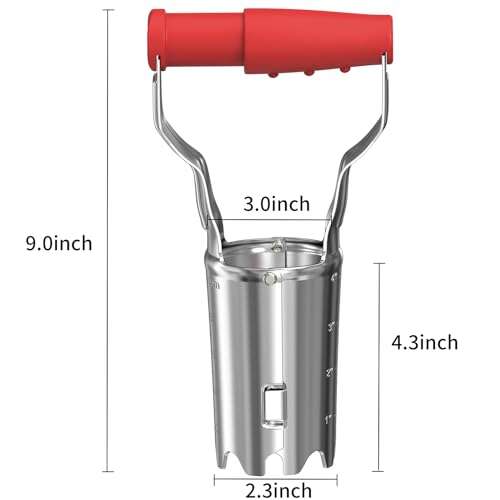
The FLORA GUARD Bulb Planter is a simple hand tool for gardeners who want neat holes and repeatable depth. Its depth markers help you place bulbs at a more even level, which matters when you plant tulips, daffodils, crocuses, or small ornamental bulbs in rows. I like this style because it gives more control than a plain trowel. The compact shape also works well in raised beds, loose soil, and prepared garden borders.
This planter is best used after you loosen the soil and remove large stones. It can make quick work of several holes, but it is not a replacement for a digging bar in dry clay. The marked body helps reduce guesswork, and the focused tip creates a tidy planting pocket. For many home gardeners, it offers the basic features expected from the best tool for planting bulbs without taking up much storage space.
Pros:
- Depth markers support even bulb placement
- Compact size fits raised beds and borders
- Easy to guide around existing plants
- Useful for tulips, daffodils, and small bulbs
- Simple design is easy for new gardeners to learn
- Stores easily in a small tool shed
Cons:
- Hand pressure may not be enough for hard clay
- Less comfortable for planting hundreds of bulbs
- Requires bending or kneeling during use
Colwelt Long Handle Bulb Planter

The Colwelt Long Handle Bulb Planter is built for gardeners who want to plant while standing. Its long shaft reduces repeated bending, which can make a real difference when you plant a full bed of spring bulbs. The hole-digger design also suits lawn work, where you may need to remove a plug before placing the bulb. I find long-handle planters especially helpful for older gardeners and anyone managing back or knee strain.
The tool works best when you press down with your body weight and use soil that is slightly moist, not wet. It can help keep holes more consistent than random digging with a shovel. A long handle also gives you a better view of spacing across a border. If comfort is your main concern, this model deserves attention when choosing the best tool for planting bulbs.
Pros:
- Allows standing work with less bending
- Helpful for large bulb beds and lawn planting
- Can remove a soil or grass plug
- Improves planting speed over a hand trowel
- Offers better reach for deep garden beds
- Useful for gardeners with limited mobility
Cons:
- Needs enough upper-body pressure in firm soil
- Long tools need more storage space
- May feel bulky in tight planting areas
XVBITOR Bend-Free Bulb Planter

The XVBITOR Bulb Planter is aimed at users who want a bend-free planting method. Its upright format lets you line up a hole, press into the soil, and place a bulb without spending the afternoon on your knees. This design makes sense for mass planting in lawns, long borders, and open beds. It can also help keep your spacing more regular because you stand above the work area.
I would use this planter after watering compact ground lightly or after a rain, when the soil gives way without turning muddy. It is not meant to replace a spade for roots, rocks, or deeply packed ground. Still, the upright approach can make planting feel less like a chore and more like a quick garden task. For comfort-focused shoppers, it may be the best tool for planting bulbs in a larger yard.
Pros:
- Supports upright, bend-free planting
- Reduces kneeling during long jobs
- Works well for open lawns and broad beds
- Helps create more uniform hole spacing
- Good choice for gardeners with back concerns
- Speeds up repeated planting tasks
Cons:
- May struggle in rocky or root-filled ground
- Less precise in very narrow borders
- Requires proper body weight and firm footing
DIOVPLX Adjustable Long Handle Planter

The DIOVPLX Long Handle Planter stands out because it offers adjustable depth settings. The listed 2, 4, and 6-inch options can make it easier to match the hole to different bulb sizes and planting plans. That flexibility is useful when one bed contains shallow crocuses, medium tulips, and larger bulbs. The long handle also lets you work from a standing position.
Depth matters because bulbs need enough soil cover for insulation and stable growth, but planting too deep can slow emergence. I recommend checking the planting directions for each bulb type before choosing a setting. The adjustable design is most useful for gardeners who plant many varieties across the year. If one tool must handle several depths, this is a strong candidate for the best tool for planting bulbs.
Pros:
- Offers several useful depth settings
- Supports standing operation
- Fits mixed bulb collections
- Can also help with grass plugs and seedlings
- Reduces guesswork when planting at scale
- Useful for seasonal garden changes
Cons:
- Adjustable parts add setup steps
- Hard soil may still require pre loosening
- May be more tool than casual users need
Toresano Bulb Planter

The Toresano Bulb Planter is a straightforward option for digging focused holes without carrying a full garden shovel. Its compact form suits flower borders, containers, and small vegetable beds where a long handle may feel awkward. I like this type of planter for gardeners who prefer direct control over each hole. It is also easy to carry in a tool bucket while moving from one bed to another.
This model should perform best in prepared soil with a loose, crumbly texture. Press it down, twist if needed, remove the soil, and set the bulb with the pointed end facing up. A small planter cannot erase the work of preparing poor soil, but it can make the final planting step neat and fast. It is a practical choice for anyone seeking the best tool for planting bulbs in a compact garden.
Pros:
- Compact and easy to carry
- Good control in small planting spaces
- Useful around established flowers
- Simple design suits new gardeners
- Fits small sheds and tool bags
- Works well in loose prepared soil
Cons:
- Requires bending or kneeling
- Not ideal for large bulb quantities
- Firm turf may need extra effort
Edward Tools Bend-Free Bulb Planter

The Edward Tools Bend-Free Bulb Planter combines upright use with a depth marker for more consistent planting. That pairing is useful because comfort and accuracy often matter more than extra features. When I plant bulbs in a long row, I want the holes to look even and the bulbs to emerge at a similar time. A marked planter helps create that steady pattern.
This tool is a good match for tulips, daffodils, dahlias, and other common garden bulbs when the soil is workable. The bend-free design can reduce fatigue, but the planter still needs a firm push in compact ground. I would loosen very hard beds first rather than forcing the tool. For many home users, Edward Tools offers a balanced route to the best tool for planting bulbs.
Pros:
- Bend-free format reduces knee strain
- Depth marker supports consistent placement
- Useful for common flower bulbs
- Works well for long rows and borders
- Easy to understand and operate
- Helps create a more even display
Cons:
- Hard ground can limit performance
- Standing tools need room to swing and align
- May not suit tiny container spaces
Omesata Sod Plugger and Bulb Planter

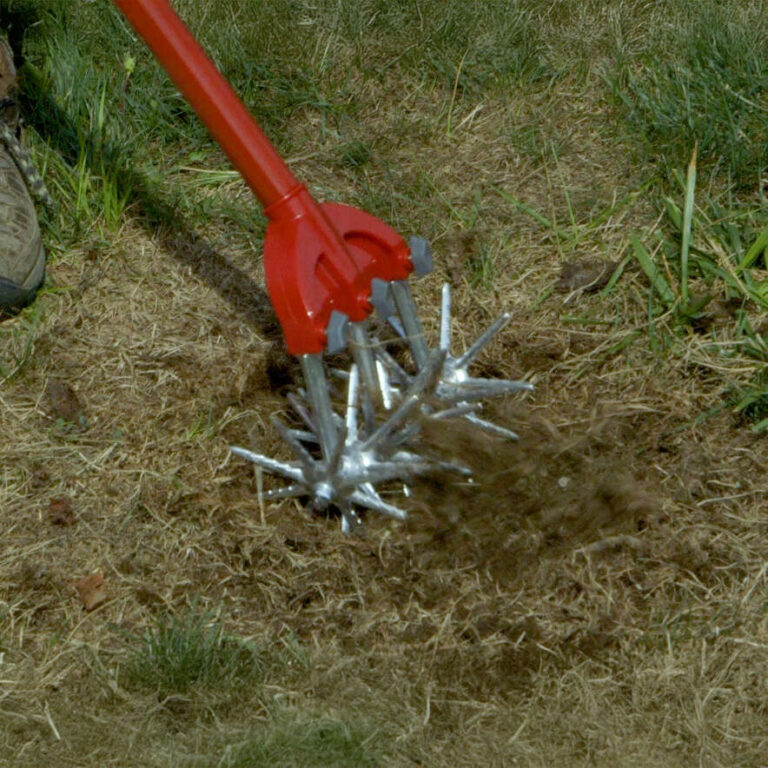
The Omesata Sod Plugger is designed for gardeners who plant bulbs directly into grass or turf. Instead of scraping away a wide patch, a plugger can cut a focused section and leave the surrounding lawn more intact. This makes it useful for naturalizing daffodils, crocuses, and other bulbs in open grass. The long format also helps reduce the repeated stooping that comes with hand digging.
For clean results, I would mark the planting pattern before using the tool. Work when the lawn is slightly moist, then keep the removed plug nearby so it can go back over the bulb. The method is less useful in soil packed with stones or large roots. Still, for lawn planting and grass repair, this may be the best tool for planting bulbs among the options reviewed here.
Pros:
- Useful for planting bulbs in turf
- Helps keep surrounding grass more intact
- Allows standing work
- Good for naturalized spring displays
- Can assist with grass plug projects
- Speeds up repeated lawn planting
Cons:
- Roots and stones can block the cutter
- Not the best choice for narrow beds
- Needs careful plug placement after planting
BARAYSTUS Long Handle Bulb Planter

The BARAYSTUS Long Handle Bulb Planter uses a serrated base and double-pedal design to help cut into soil. Those details matter when a smooth edge slips on grass or firm garden ground. A soft T-grip gives the hands a more natural place to push and guide the tool. The long handle lets you work upright, which is useful during a full day of planting.
I would consider this model for lawns, borders, and beds where the soil has moderate firmness. The pedal can give your foot better leverage than hand pressure alone, while the serrated base may help start the cut. As with any bulb planter, it performs best when you avoid very wet soil and remove large rocks first. It is a practical choice for gardeners who want power, comfort, and speed from the best tool for planting bulbs.
Pros:
- Serrated base can help start soil cuts
- Double pedal improves foot leverage
- Soft T-grip supports comfortable handling
- Long handle allows upright planting
- Useful in moderate turf and garden soil
- Good fit for repeated planting jobs
Cons:
- Serrated parts may catch on roots
- Heavy soil may still require a shovel
- Larger design needs more storage room
Gardening Planting Tool Set

This gardening planting tool set is a useful choice for people who want more than a single hole maker. The design focuses on digging and filling, with depth marking to guide more even placement. That can help when you plant several bulb types in one border. The set format may also suit gardeners who move small plants or refresh beds through the season.
I see the main value here in task flexibility. A dedicated bulb planter creates a hole, but a set can help with the next steps, such as moving soil back around the bulb or shifting a small plant. It is still important to match the depth to the bulb instructions and keep the pointed end facing upward. For new gardeners building a basic kit, this could be the best tool for planting bulbs and handling related jobs.
Pros:
- Combines planting and filling tasks
- Depth marking helps guide even holes
- Useful for bulbs and small plants
- Good starter option for new gardeners
- Can reduce the need for separate hand tools
- Helpful in beds, borders, and containers
Cons:
- A set may include tools you use less often
- Hand use still requires bending
- May feel slower than a long-handle planter
33.5-Inch Long Handle Bulb Planter

This 33.5-inch bulb planter is made for users who want long reach and upright planting. Its size can make a noticeable difference when you need to place many bulbs across a lawn or large flower bed. The tool is also described for soil testing, weeding, bedding plants, tulips, lilies, and potatoes, so it may serve more than one garden purpose. That wider use can improve its value over a single-purpose hand tool.
Long-handle planters work best when you use steady pressure instead of sudden force. I would first check for buried roots, wires, and stones, especially in older lawns. The tool can help form repeatable holes, but the final depth should always suit the plant. If you want a versatile upright tool, this is another strong option for the best tool for planting bulbs.
Pros:
- 33.5-inch reach supports standing work
- Useful for lawns and large beds
- Can serve several garden tasks
- Reduces repeated bending and kneeling
- Good for tulips, lilies, and bedding plants
- Helpful for gardeners with broad planting areas
Cons:
- Long length may feel awkward in containers
- Dense roots and stones can slow progress
- Requires safe pressure to avoid tool strain
My Recommendation
After comparing these tools, I would choose based on the garden, not just the product name. A hand planter is best for loose beds and a few bulbs. A long-handle planter is better for lawns, large borders, and anyone who wants less bending. Adjustable depth is especially useful when you grow several bulb types with different planting needs.
The DIOVPLX is my leading choice for gardeners who want adjustable depth and upright use. The Edward Tools model is a strong simpler pick for consistent planting, while the Omesata is well suited to lawn work. The FLORA GUARD and Toresano models make sense for compact beds. Prices and stock can change, so check the current Amazon listing before ordering.
| Best for | Why |
|---|---|
| Large lawns and borders | Long-handle models reduce bending and speed repeated planting. |
| Mixed bulb varieties | Adjustable depth settings help match holes to different bulbs. |
| Small beds and containers | Compact hand planters offer better control in tight spaces. |
How to Choose the Best Tool for Planting Bulbs
The best tool for planting bulbs depends first on your soil. Loose garden soil needs little force, so a hand planter can work well. Clay, compact lawn soil, and ground filled with roots call for a stronger long-handle design or some soil preparation first. No bulb planter can replace good timing, moisture control, and a clear planting plan.
Next, think about body comfort. If you have back, knee, or balance concerns, choose a tool that lets you stand. Long handles and pedals can shift the work from your hands to your legs and body weight. If you only plant a few bulbs in a raised bed, a hand model may be easier to control and store.
Depth control also matters. Most bulbs should be planted according to the instructions for that specific variety, since bulb size and local climate affect the ideal depth. A depth marker can improve consistency, especially in rows. For mixed displays, an adjustable planter may offer more value than a fixed-depth model.
Finally, consider the hole shape and the soil plug. A clean hole helps the bulb sit flat and keeps the roots in contact with soil. A sod plugger can be useful in grass because it limits surface damage. In every case, check the soil before pushing, avoid buried hazards, and refill the hole firmly but gently.
How I Evaluated These Bulb Planters
I focused on the features that matter during real planting work. These include planting posture, depth control, soil entry, plug removal, grip comfort, storage, and likely use in lawns or beds. I also considered whether each tool suits a beginner or requires more strength and technique. A product can look impressive, yet still be a poor fit for a small garden.
I gave extra weight to practical details. A depth marker is useful only if it is easy to read. A long handle helps only if the user can press it into the soil without losing balance. A serrated base may help with turf, but it can catch on roots. These small points often decide which tool becomes a favorite after the first season.
Bulb planting guidance from university horticulture programs and established garden references commonly stresses correct depth, good drainage, and firm soil contact around the bulb. I used those basic principles when judging each design. The tool should make correct planting easier, not encourage rushed or careless work.
Tips for Planting Bulbs With Less Effort
Start by choosing a day when the soil is workable. Soil that is too dry may resist the planter, while soil that is too wet can smear and collapse around the hole. A light watering before planting may help hard ground, but wait if the surface turns sticky. Good soil texture makes even the best tool for planting bulbs work better.
Mark your spacing before you make holes. You can use a string, small stakes, or a simple visual pattern. For a natural look, scatter bulbs and plant them where they land, but avoid planting them directly under heavy foot traffic. For rows, keep the gaps steady so the flowers form a clean display.
Place most bulbs with the pointed tip up and the root plate down. Cover them with the recommended depth of soil, then press the soil lightly so no large air pocket remains. Do not pack the ground like concrete. Water after planting if the soil is dry, and add a light layer of mulch where local conditions call for it.
Clean the planter after use. Soil left on metal or moving parts can hold moisture and speed rust. Wipe off mud, let the tool dry, and store it under cover. A few minutes of care can keep a bulb planter ready for the next season.
FAQs Of best tool for planting bulbs
What is the best tool for planting bulbs in a lawn?
A long-handle sod plugger is usually the best choice for lawn planting. It can cut a focused plug while letting you work while standing. Choose a model that matches your soil firmness and bulb size.
Are hand bulb planters better than long-handle models?
Neither style is always better. Hand planters offer control in loose beds and tight spaces, while long-handle planters reduce bending and work faster across large areas.
Can I use a bulb planter in clay soil?
Yes, but loosen the soil first if it is very dry or compact. A little moisture can help, but avoid working clay when it is wet and sticky.
How deep should I plant flower bulbs?
Use the planting depth listed for the specific bulb. Depth varies by bulb size, type, soil, and climate, so a depth marker is helpful but does not replace the plant instructions.
Should I water bulbs after planting?
Water after planting when the soil is dry. Avoid soaking wet ground, since poor drainage can harm bulbs and reduce healthy root growth.
Final Verdict: Which Should You Buy?
The DIOVPLX is my top pick for the best tool for planting bulbs because its adjustable depth and long handle suit many garden tasks. Choose Edward Tools for simple bend-free planting, or Omesata for lawns and grass plugs.
Match the planter to your soil, body comfort, and planting area. With the right depth and good drainage, the best tool for planting bulbs can turn a tiring fall chore into a smooth path to spring color.

Laura Bennett is a gardening writer at MyGardenLabs who creates beginner-friendly guides focused on solving common plant care and gardening problems.