How Are Bonsai Trees Made: Step-By-Step Guide
Bonsai trees are made by careful pruning, wiring, potting, and patient, ongoing training.
I’ve worked with bonsai for years and taught beginners the practical steps that turn ordinary saplings into living miniature trees. This article explains how are bonsai trees made, step by step, from choosing a specimen to shaping and keeping it healthy. You’ll get clear techniques, common mistakes to avoid, real-world tips, and a realistic timeline so you can start or improve your bonsai practice with confidence.
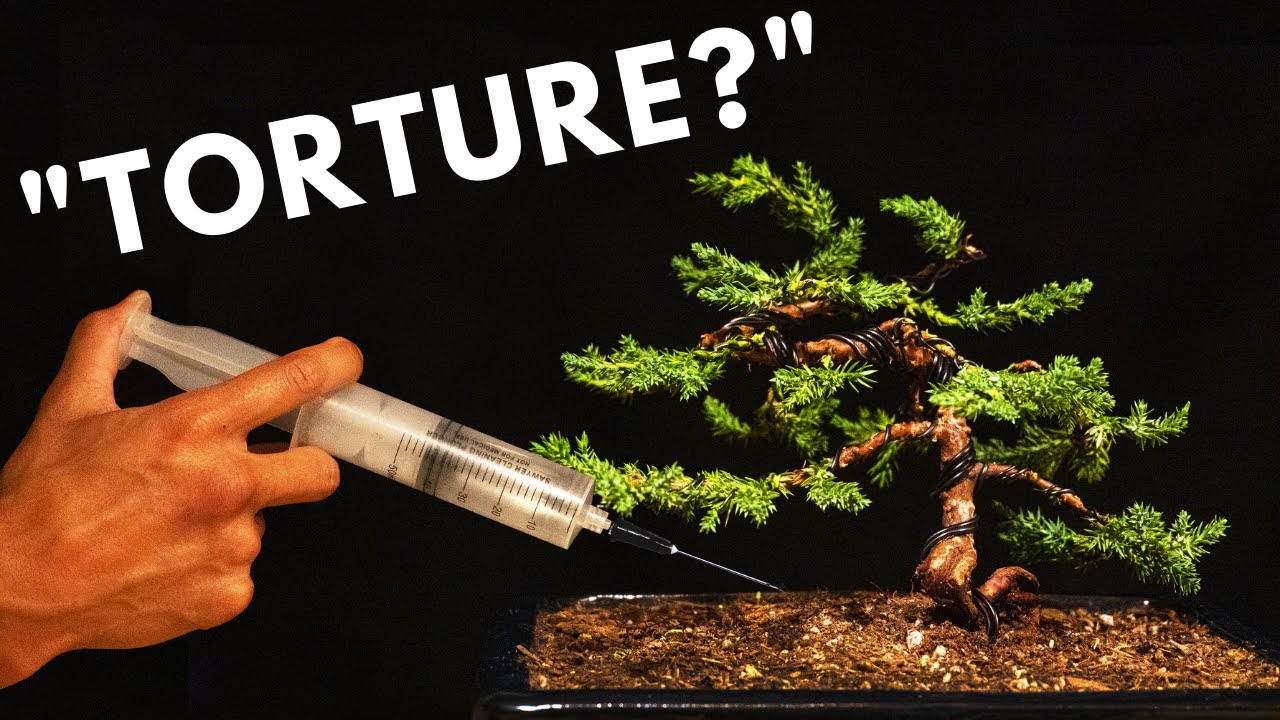
What is bonsai and why the method matters
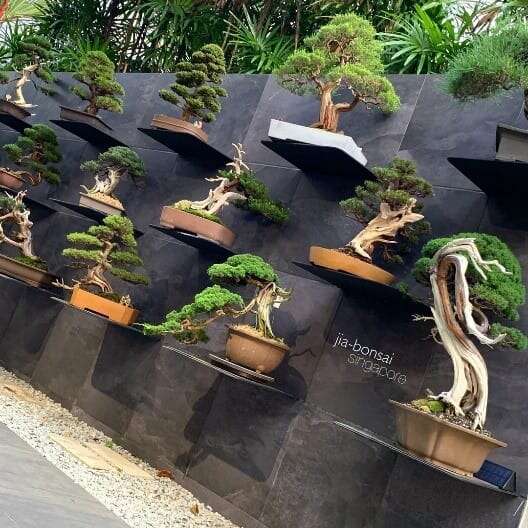
Bonsai is the art of growing small, mature-looking trees in shallow containers. It uses pruning, wiring, and root work to control a tree’s size and shape. Bonsai is not a specific species. It is a technique applied to many kinds of trees, both deciduous and evergreen.
Bonsai makes a tree look like a full-sized tree in miniature. The process changes branch layout, trunk thickness, and root spread. When you ask how are bonsai trees made, you are asking about a mix of horticulture and design.

Essential tools and materials
You do not need a lot to get started, but good tools help. Here are the basics I always use and recommend.
- Bonsai shears for branch and leaf pruning.
- Concave cutters to remove branches cleanly.
- Wiring (aluminum or copper) in various gauges.
- Root rake and chopstick for repotting.
- Bonsai pots with drainage holes.
- Well-draining bonsai soil mix.
- Mesh for pot holes and coarse substrate for drainage.
Quality tools make precise cuts. Good soil keeps roots healthy. Wiring needs correct gauge and padding for bark protection. These choices shape how are bonsai trees made at each step.
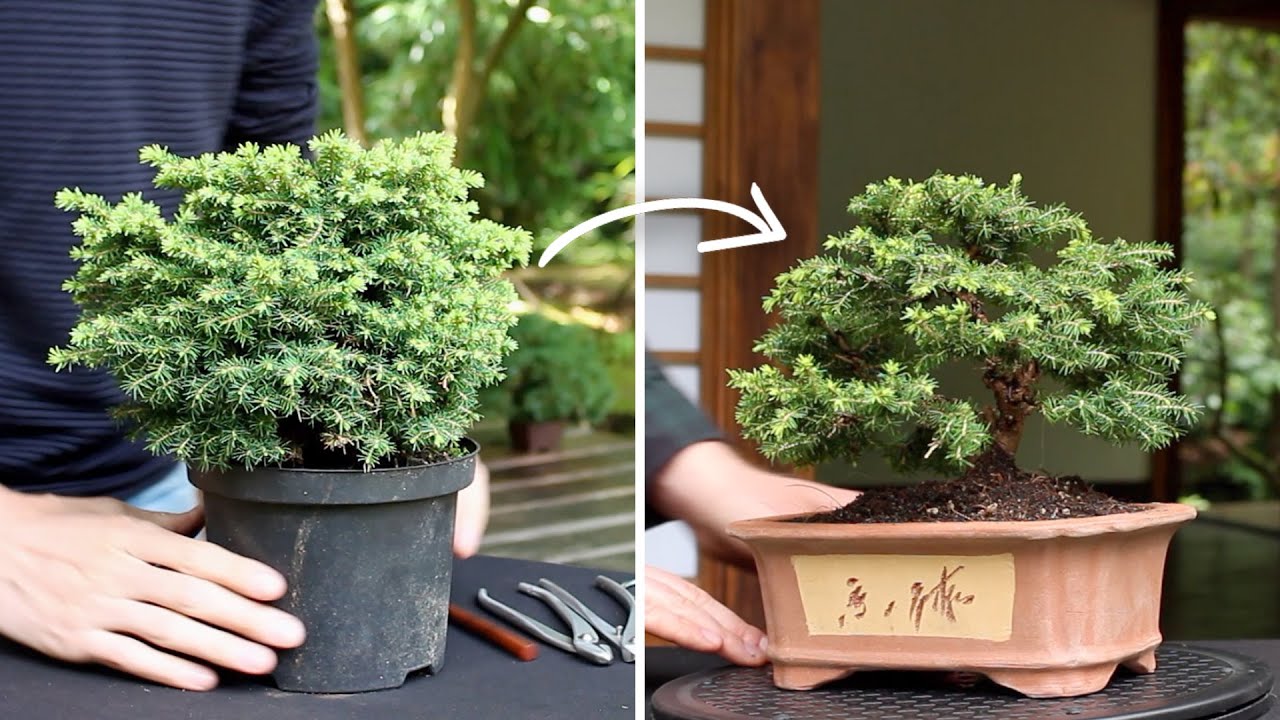
Step-by-step: how are bonsai trees made
Below are the main steps most bonsai artists follow. Each step takes practice. Take your time and learn one method at a time.
- Select the right tree
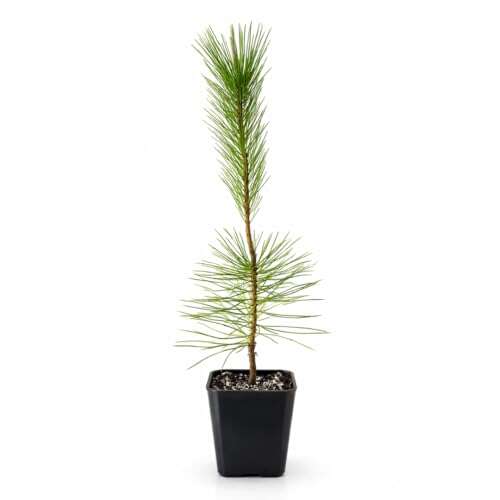
- Choose a species suited to your climate and skill level. Juniper, maple, ficus, and pines are common choices.
- Look for good trunk movement and taper. Young nursery stock or field-grown saplings work well.
- Establish the trunk and root base
- Repot into a shallow container or training pot.
- Prune roots to encourage a compact root system and flare at the trunk base.
- Prune branches and leaves
- Remove crossing or weak branches first.
- Keep a strong front and overall balance.
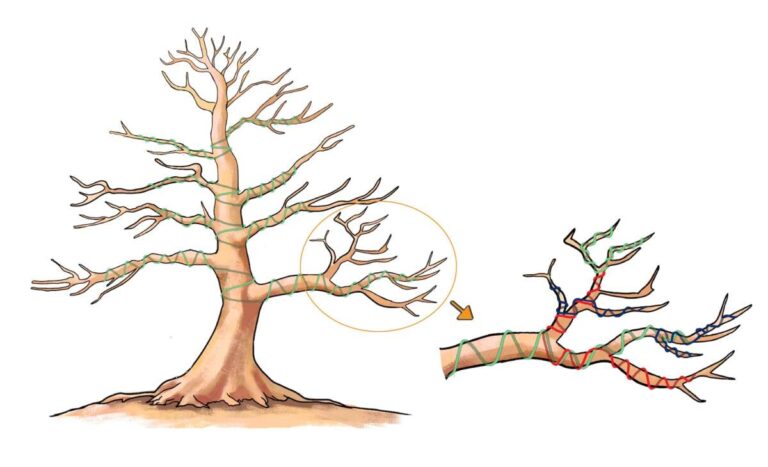
- Wire branches and trunk
- Wrap wire in a spiral from branch base to tip and gently bend to shape.
- Wire helps set branch positions over weeks to months.
- Pot into a bonsai container
- Use well-draining soil and anchor the tree with wire if needed.
- Choose a pot that complements the tree’s style and size.
- Train and maintain
- Repeat pruning and wiring cycles.
- Repot every 1–5 years depending on species and pot size.
- Adjust care for season and climate.
These steps answer how are bonsai trees made in a practical way you can follow. Patience is the key.

Techniques that shape the tree
Different techniques give different effects. Learn a few and practice often.
- Pruning
- Structural pruning creates the main silhouette.
- Maintenance pruning keeps growth in scale.
- Wiring
- Bends branches without cutting.
- Remove wire before it digs in.
- Root pruning
- Reduces root mass to fit the shallow pot.
- Encourages fine feeder roots for health.
- Jin and shari (deadwood)
- Create age and drama by stripping bark on parts of the trunk or branches.
- Grafting and budding
- Add branches or change bark texture when needed.
Each technique affects the answer to how are bonsai trees made. Use them with care and plan your design before you cut or wire.

Timeline: how long does it take
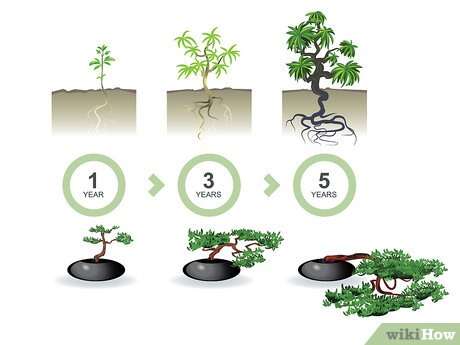
Making bonsai takes months to decades. Short-term projects can show results in months. True refinement takes years.
- First year
- Basic shaping, potting, and establishing root health.
- Two to five years
- Develop trunk taper, primary branches, and finer ramification.
- Five to twenty years
- Mature bark, refined branch structure, and compact foliage.
When someone asks how are bonsai trees made, it's helpful to say: you start fast, but you keep working for years. Expect ongoing care, not a one-time fix.
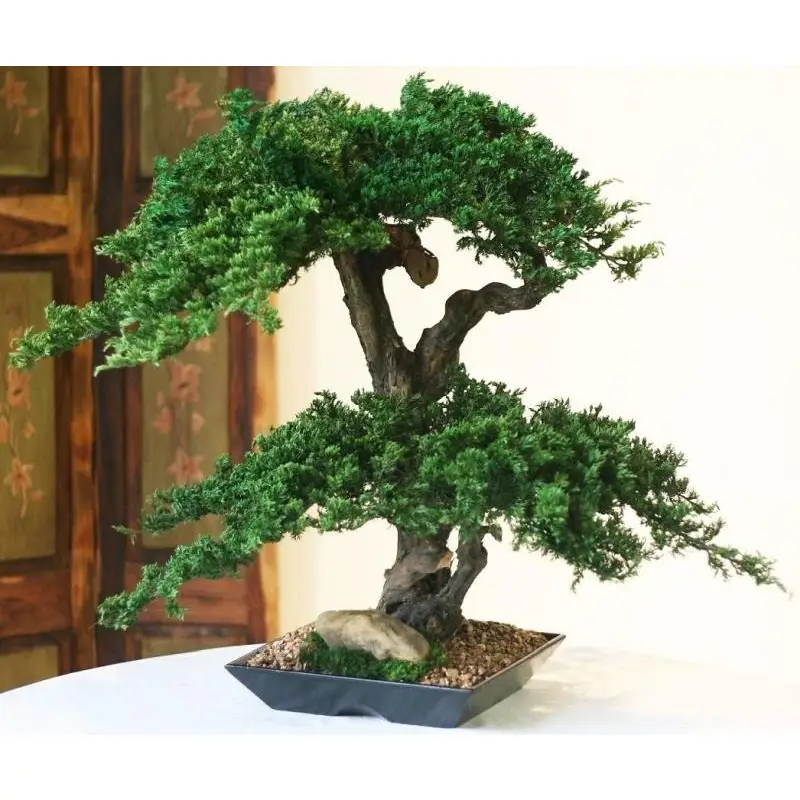
Care and seasonal routines
A bonsai is a living plant. Care varies by species but follows basic rules.
- Water: keep soil evenly moist; water thoroughly when surface dries.
- Light: most bonsai need full sun or bright light.
- Fertilize: feed through the growing season with balanced fertilizer.
- Repot: root prune and refresh soil per species needs.
- Pest and disease check: inspect regularly and treat promptly.
Good care answers the practical side of how are bonsai trees made: making them is only half the job, keeping them is the rest.
Common mistakes and how to avoid them
Beginners often make the same errors. I made some of these too.
- Overwiring: wiring too tightly damages bark.
- Cutting too much: large pruning without planning weakens the tree.
- Wrong soil: heavy soil suffocates roots and invites rot.
- Impatience: forcing style leads to poor health.
- Wrong species for your climate: leads to constant stress.
When you learn how are bonsai trees made, accept that mistakes will teach you more than success. I once lost a favorite specimen by repotting in winter. Now I schedule repotting for early spring.
Benefits and limitations of bonsai
Bonsai is rewarding but requires commitment.
Benefits
- Deep connection to nature and mindful practice.
- Artistic expression using living material.
- Fits into small spaces and indoor displays for some species.
Limitations
- Time and ongoing care requirement.
- Not all species suit indoor living.
- Some techniques have a learning curve.
Understanding these helps set realistic expectations about how are bonsai trees made and cared for.
Personal tips and lessons learned
I trained my first bonsai from nursery stock. Here are practical tips I use now.
- Start with a hardy species and larger nursery stock.
- Keep a notebook with dates for pruning and wiring.
- Use a staging area to let a tree rest after heavy work.
- Photograph progress every few months to track change.
These easy habits speed learning and improve results when making and maintaining bonsai. They answer the everyday side of how are bonsai trees made.
Quick PAA-style questions
How long before a bonsai looks finished?
A bonsai shows pleasing form in a few years, but true refinement may take decades.
Can any tree become a bonsai?
Many species can be trained as bonsai, but success depends on growth habits and climate.
Is wiring harmful to trees?
Wiring is safe when done correctly and removed before it cuts into bark.
How often should I repot a bonsai?
Repotting intervals vary by species and pot size, typically every 1–5 years.
Do bonsai need special soil?
Yes. Bonsai soil must drain well while holding moisture and air for roots.
Frequently Asked Questions of how are bonsai trees made
What species are easiest to start with when learning how are bonsai trees made?
Start with hardy, forgiving species such as ficus, juniper, or maple depending on your climate. These species react well to pruning and tolerate beginner mistakes.
Can I turn a potted tree into a bonsai quickly?
You can start shaping a potted tree quickly, but full bonsai development takes months to years. Basic pruning gives instant change, but refinement needs time.
How important is soil when learning how are bonsai trees made?
Soil is critical. Good bonsai soil drains, holds enough moisture, and supports healthy fine roots. Wrong soil leads to root rot and poor growth.
Is wiring necessary for all bonsai?
Wiring is a primary shaping tool but not always necessary. Some forms use pruning or bending without wire, especially in deciduous species in dormant seasons.
How do I avoid killing a tree while making a bonsai?
Work gradually, plan cuts, provide proper aftercare, and repot at the right time of year. Monitor water and light closely after major work.
Conclusion
Making bonsai blends horticulture and art. You learn how are bonsai trees made by practicing selection, pruning, wiring, root work, and steady care. Start simple, use proper tools, and keep a patient mindset. Your best next step is to pick a hardy tree, follow the step-by-step guidance here, and track progress with notes and photos. If you enjoyed this guide, try one small project, share results, or subscribe for more tips — and leave a comment with your first bonsai question.

Laura Bennett is a gardening writer at MyGardenLabs who creates beginner-friendly guides focused on solving common plant care and gardening problems.