How To Care For Juniper Bonsai: Essential Beginner Tips
Juniper bonsai need bright light, careful watering, good soil, regular pruning, and winter protection.
I have grown and cared for juniper bonsai for years, so I know what works and what fails. This guide on how to care for juniper bonsai lays out clear steps, practical tips, and common mistakes to avoid. Read on to learn simple routines for watering, light, soil, pruning, wiring, seasonal care, and pest control that will help your juniper bonsai thrive.
Why choose a juniper bonsai and what to expect
Junipers are forgiving. They show style quickly. They take shaping well and suit many bonsai forms. Junipers have clear seasons. They grow outdoors in many climates and respond to pruning. If you ask how to care for juniper bonsai, expect steady growth with basic attention.
I chose junipers as my first bonsai because they survive early mistakes. They teach patience and reward simple routines. Junipers also show deadwood and texture well, which makes them visually striking.
Light and placement
Junipers need lots of sun. Place your tree where it gets 4 to 6 hours of direct light daily. Full sun helps dense foliage and compact growth.
If you keep a juniper indoors long-term it will struggle. Junipers are outdoor bonsai in most climates. In winter, protect from extreme cold but keep the tree outside if possible.
Rotate the pot every week for even light and balanced growth. Monitor for pale foliage, which signals too little light.

Watering: timing, technique, and signs
Water deeply and only when the soil begins to dry. Avoid a fixed schedule. Check the top half inch of soil with your finger. If it feels dry, water. If it is slightly damp, wait.
Use a gentle stream so water soaks through the pot. Let excess drain freely. Do not let the roots sit in water. Overwatering causes root rot. Underwatering makes foliage brown and brittle.
In summer, water more often. In cooler months, water less. A well-draining soil mix helps you control moisture better.

Soil, drainage, and potting mix
Good soil drains and holds a little moisture. Use an inorganic mix with organic matter. A common blend is:
- 50% inorganic grit or akadama
- 30% pumice or grit
- 20% pine bark or composted organic matter
This mix keeps roots healthy and prevents compaction.
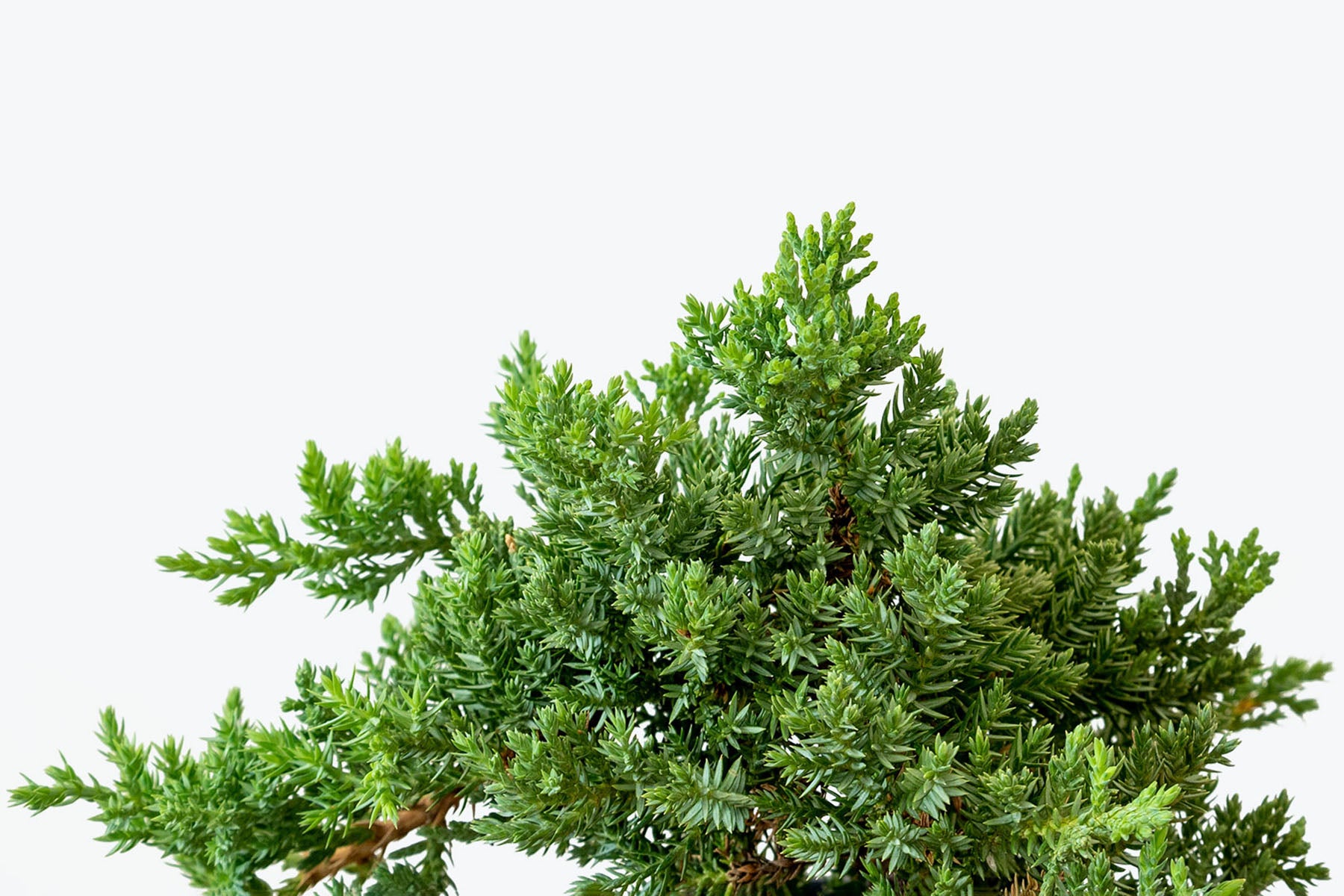
Repot young junipers every 2 years to refresh soil. Repot older trees every 3 to 5 years. Choose a pot with drainage holes. Trim up to one-third of the root mass when repotting for strong shoots.
Source: jomostudio.com
Fertilizing: when and what to use
Feed regularly during the growing season. Use a balanced fertilizer with lower nitrogen in late summer. A typical routine:
- Early spring: a balanced fertilizer to start growth
- Late spring to mid-summer: regular feeding every 4–6 weeks
- Late summer: reduce or stop to harden the tree for fall
Slow-release or liquid fertilizers both work. Avoid heavy feeding in late fall and winter.
:max_bytes(150000):strip_icc()/growing-juniper-bonsai-508312-01-d20b5d68bd784efd8a8ccfe8474c685b.jpg)
Source: thespruce.com
Pruning and shaping: basics and wiring tips
Prune to keep shape and improve ramification. Trim new growth back to one or two pairs of leaves for compact foliage pads. Remove long, weak shoots.
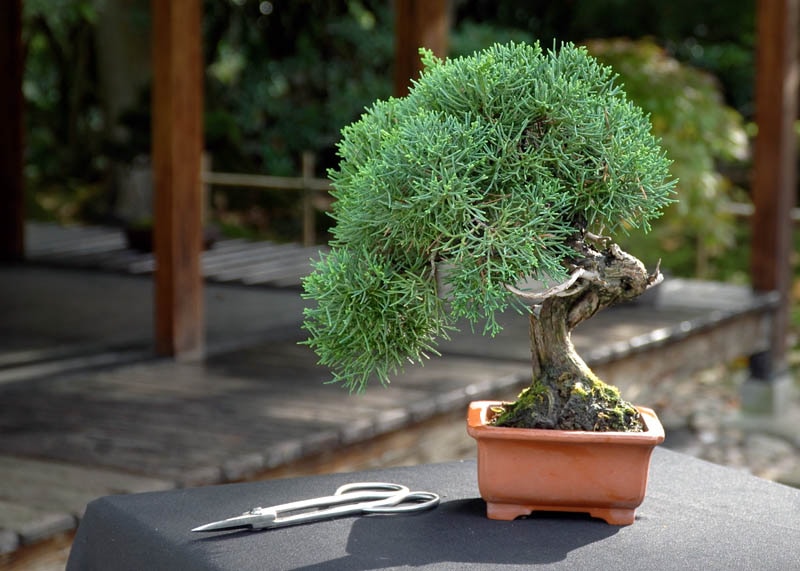
Wiring helps shape branches but use soft copper or aluminum wire and check often. Do not wire too tightly. Remove wire before it cuts into bark. Wire in late winter or early spring when the tree is less active to reduce breakage.
Deadwood techniques like jin and shari add interest. Use sharp tools and seal exposed wood to prevent rot.
Seasonal care: spring, summer, fall, winter
Spring: Repot if needed. Prune and begin regular fertilization.
Summer: Provide shade in extreme heat. Increase watering. Watch for pests.
Fall: Reduce feeding. Harden off growth for winter. Move potted trees to a protected area if needed.
Winter: Junipers need a dormancy period. Protect from prolonged freeze and drying winds. Keep the soil slightly moist. In very cold zones, provide mulch or a cold frame.
Pests, diseases, and prevention
Common problems include spider mites, scale, aphids, and fungal root rot. Inspect foliage weekly. Treat pests early with targeted sprays or insecticidal soap.
Prevent disease with good air flow, well-draining soil, and careful watering. Remove dead or diseased material promptly. Quarantine new plants for a few weeks to avoid introducing pests.
Training styles and design ideas
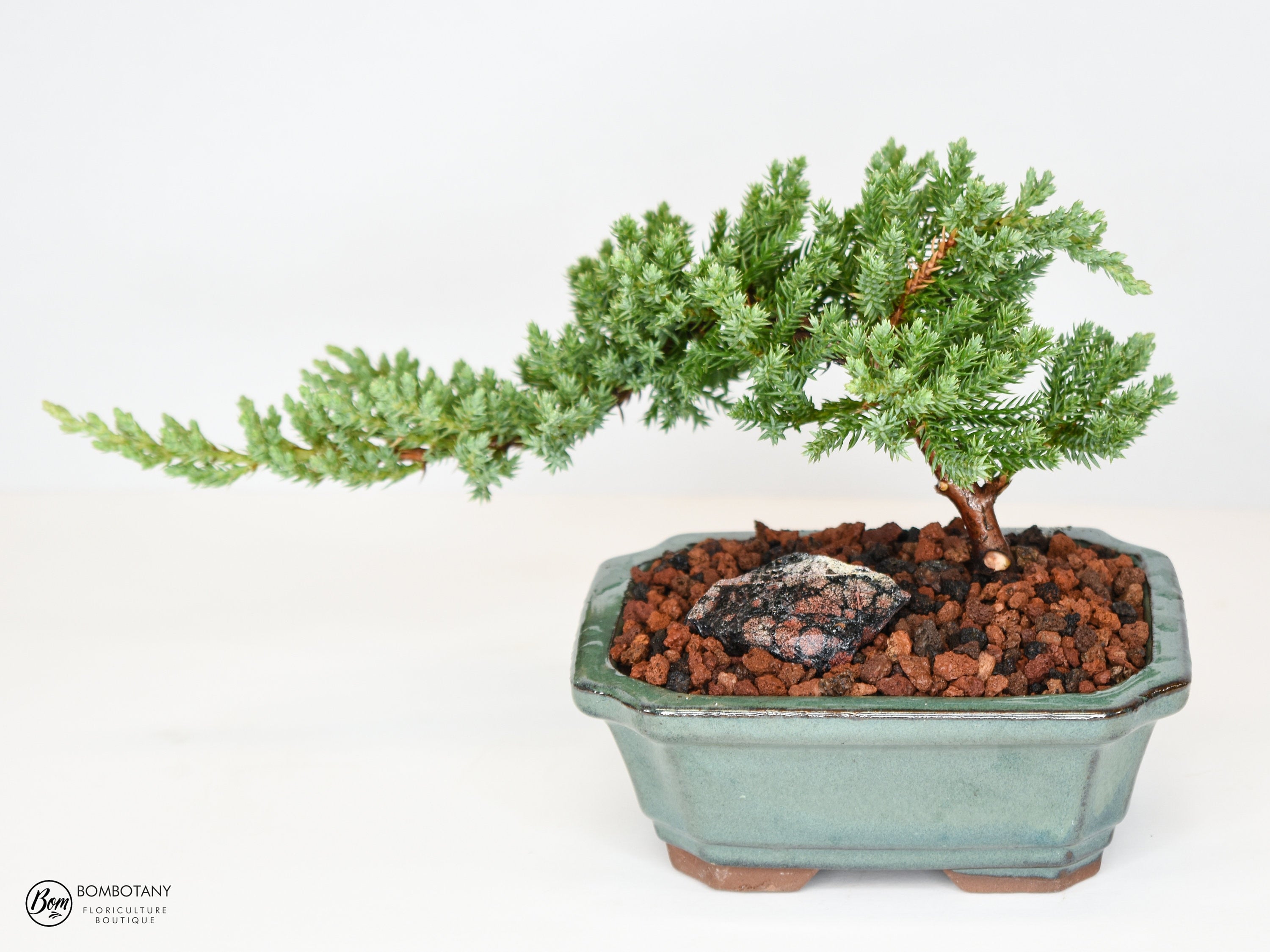
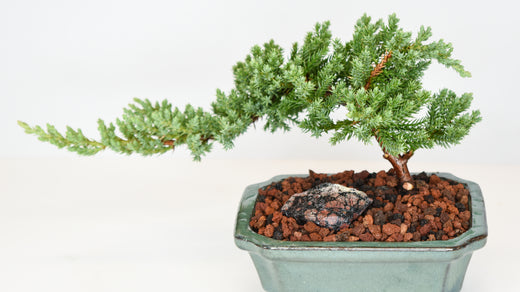
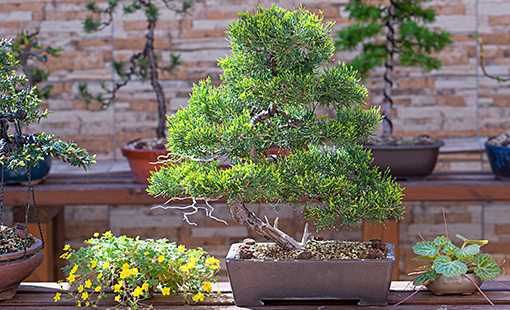
Junipers suit many bonsai styles: informal upright, cascade, windswept, and literati. Choose a style that matches branch structure and trunk movement.
Plan carving or jin only after the trunk has enough character. Shape gradually. Work in small steps to avoid stress.
Common mistakes and how to avoid them
Many beginners overwater or keep junipers indoors too long. Do not ignore light needs. Do not prune aggressively in heat or drought.
Avoid tight wiring and poor drainage. Learn to read your tree: pale needles, brown tips, or soft wood are signs something is wrong. Adjust care promptly to avoid long-term damage.
Quick questions about care basics
How often should I water my juniper bonsai?
Water when the top 1/2 inch of soil is dry. That usually means daily in hot weather and every few days in mild weather.
Can juniper bonsai live indoors?
Junipers prefer outdoor conditions. Short indoor stays are okay, but long-term indoor life leads to poor health.
When is the best time to repot a juniper bonsai?
Repot in early spring just before new growth starts. The tree recovers faster during active growth.
Frequently Asked Questions of how to care for juniper bonsai
How much sunlight does a juniper bonsai need?
Juniper bonsai need at least 4 to 6 hours of direct sunlight daily. Full sun encourages compact growth and healthy foliage.
Can I prune my juniper bonsai any time of year?
Light pruning is fine most of the year, but structural pruning and heavy wiring are best in late winter to early spring. Avoid heavy cuts in very hot or very cold weather.
What is the best soil for a juniper bonsai?
Use a well-draining mix with inorganic grit, pumice, and a small amount of organic matter. Good drainage prevents root rot and keeps roots healthy.
How do I protect my juniper bonsai in winter?
Keep the tree outdoors if possible. Provide mulch or a cold frame in severe cold. Avoid letting the pot freeze solid for long periods.
Why are my juniper needles turning brown?
Brown needles can be from underwatering, sunburn, pests, or root issues. Check soil moisture, inspect for pests, and adjust light exposure or watering.
How often should I fertilize a juniper bonsai?
Fertilize every 4–6 weeks during the active growing season and reduce feeding in late summer and fall to prepare the tree for dormancy.
Is wiring safe for juniper bonsai?
Wiring is safe when done carefully. Use proper wire size, do not overtighten, and check frequently to prevent wire scars.
Conclusion
Caring for juniper bonsai is mostly about consistent routines: giving good light, correct watering, free-draining soil, and timely pruning. Small, steady actions yield healthy growth and striking form. Start simple, watch your tree, and adjust as it responds. Try a small change this week—move your juniper to brighter light or check the soil—then note the difference. Share your progress or ask questions below, and consider subscribing for more practical bonsai guides.

Laura Bennett is a gardening writer at MyGardenLabs who creates beginner-friendly guides focused on solving common plant care and gardening problems.