
How To Trim A Bonsai Tree For Beginners: Easy Guide
Trim a bonsai by removing unwanted growth, preserving healthy branches, and shaping the tree in small, careful steps.
Learning how to trim a bonsai tree for beginners is less about making a perfect shape and more about learning how the tree grows. With clean tools, good timing, and a light touch, you can build a strong bonsai without harming it. This guide explains the process in simple steps, with practical tips that help you avoid the mistakes many new growers make.
What bonsai trimming really means
Bonsai trimming is the careful removal of leaves, shoots, twigs, and branches to control a tree’s shape and health. It is not the same as cutting a hedge into a fixed form. A bonsai should still look like a natural, mature tree in miniature.
There are two main types of bonsai pruning:
• Maintenance pruning removes new shoots and leaves that grow outside the tree’s planned shape.
• Structural pruning removes larger branches to improve the tree’s basic design.
• Root pruning controls the root system during repotting. It is a separate task and should not be done at the same time as heavy branch pruning unless you have strong experience.
The goal is balance. You want enough foliage for photosynthesis, enough open space for light and air, and enough branches to create a believable tree structure.
When learning how to trim a bonsai tree for beginners, think of each cut as a design choice. Do not cut simply because a branch looks long. Ask what the branch adds, where it is going, and whether the tree can remain healthy without it.

When should you trim a bonsai tree?
The best time to prune depends on the tree species, its health, and the type of cut. A healthy tree can recover from pruning much better than a weak, newly repotted, or pest-damaged tree.
Maintenance pruning
Maintenance pruning is usually done during the active growing season. For many outdoor trees, this means spring through summer. Tropical bonsai kept indoors may grow at different times because warmth and artificial light can extend the growing season.
Trim new shoots when they extend beyond the tree’s outline. Many growers wait until a shoot has produced six to eight leaves, then cut it back to two or four leaves. This rule is useful, but it is not universal. Species such as pines, junipers, ficus, and maples grow in different ways.
Structural pruning
Structural cuts are larger cuts that change the tree’s framework. They are often made during dormancy, when deciduous trees have lost their leaves. This makes the branch structure easier to see and can reduce stress in some species.
Evergreen and tropical trees need a different approach. Some should be pruned during warm weather, while others respond poorly to severe cuts. Before making a large cut, check the needs of your exact species.
Avoid poor timing
Do not heavily trim a tree during extreme heat, freezing weather, drought, or active illness. Avoid major pruning right after bringing a tree home, too. Give it time to adjust to its new light, humidity, and watering routine.
A useful rule from experienced bonsai growers is simple: prune a strong tree, not a struggling tree. Plant health always comes before style.
Tools you need before trimming
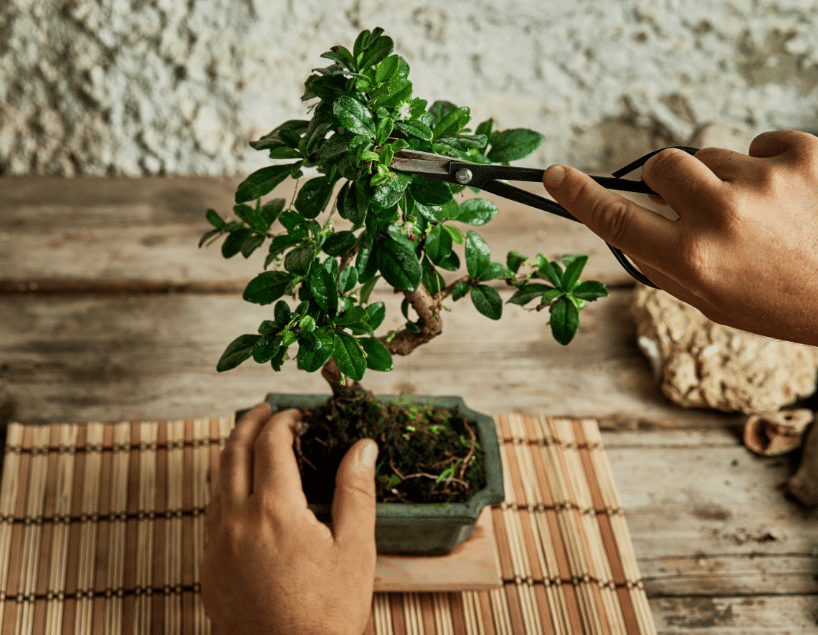
Good tools make clean cuts. Poor tools crush tissue and create rough wounds that heal slowly. You do not need a large collection to begin.
Useful tools include:
• Sharp bonsai scissors for small shoots and leaves
• Concave branch cutters for removing branches close to the trunk
• Small pruning shears for thicker twigs
• Knob cutters for removing branch stubs and rounded swelling
• Fine wire for gentle branch positioning
• A clean cloth for wiping tools
• Rubbing alcohol or a suitable tool disinfectant
Use the smallest tool that can make a clean cut. Large cutters can damage small branches. Keep the blades sharp, and clean them before moving from one tree to another.
Disinfecting tools is especially important if a tree has a fungal or bacterial problem. Clean tools can reduce the chance of spreading disease, although sanitation cannot replace proper watering, light, and airflow.
You may also use wound paste on some bonsai trees. It can protect larger cuts from drying and may support clean healing. However, wound paste is not a cure for poor pruning, and small cuts often do not need it.

How to trim a bonsai tree for beginners: step-by-step
Take your time. A bonsai is a living design, not a project that must be finished in one sitting.
1. Check the tree first
Look at the trunk, branches, leaves, and soil before you cut. Check for pests, dead tips, yellow leaves, soft roots, or signs of drought.
Do not trim a tree that is clearly stressed unless you are removing dead, diseased, or broken growth. Stress can come from poor light, underwatering, overwatering, root damage, or sudden temperature changes.
2. Study the front of the tree
Choose a viewing angle that shows the best trunk movement, root spread, and branch placement. Turn the tree slowly and observe it from all sides.
The front is not always the side facing the largest branch. It is the angle that presents the tree most clearly. Take a photo before pruning so you can compare the shape later.
3. Remove dead and damaged growth
Start with the safest cuts. Remove branches that are:
• Completely dead
• Broken or cracked
• Diseased
• Rubbing against another branch
• Growing inward toward the trunk
Dead twigs may snap easily, but do not assume that a leafless branch is dead. Scratch the bark lightly with a clean fingernail. Green tissue below the bark often means the branch is alive.
4. Remove unwanted shoots
Next, look for shoots that grow straight up, straight down, or directly toward the trunk. Remove strong suckers that emerge from the soil or lower trunk unless they are part of your design.
Cut unwanted shoots close to their point of origin. Do not leave long stubs. At the same time, avoid cutting into the trunk or parent branch.
5. Thin crowded areas
Bonsai branches need space. If several twigs come from the same spot, the area can become crowded and swollen over time. Keep the best-positioned shoots and remove weaker or poorly placed ones.
Try to create open spaces between branch pads. Light and air should be able to reach the inner foliage. Dense growth may look full at first, but it can hide weak inner branches and encourage poor airflow.
6. Shorten long shoots
Once the tree is clean, shorten shoots that extend beyond the desired outline. Make the cut just above a healthy leaf or side shoot.
Cutting above an outward-facing bud can encourage growth away from the center. Cutting above an inward-facing bud may direct growth inward, but this is usually less desirable when the center is already crowded.
Make each cut at a slight angle so water does not sit on the wound. Do not make a large number of deep cuts just to create a fast result.
7. Step back often
After every few cuts, place the tree on a table and view it from a distance. This helps you see the overall balance.
Many beginners focus so closely on one branch that they remove too much. A short pause can prevent a long period of regret. You can always trim more later, but you cannot quickly replace a branch.

How to choose which branches to remove
Branch selection is the hardest part of how to trim a bonsai tree for beginners. A simple decision process can help.
Keep branches that:
• Support the tree’s chosen style
• Grow from useful points on the trunk
• Add depth and movement
• Have healthy leaves or buds
• Create a natural pattern from lower to upper branches
Consider removing branches that:
• Cross the trunk or another main branch
• Grow straight toward the viewer
• Grow straight down when the style does not support it
• Create two branches from the same point
• Are much thicker than the branch above them
• Form awkward reverse taper near the trunk
• Hide the trunk and inner structure
A common beginner mistake is removing lower branches too soon. Lower branches often give the trunk visual strength and make the tree look older. Keep them unless they are unhealthy or clearly conflict with your long-term design.
Another mistake is keeping every branch. More branches do not always create a better bonsai. The best bonsai often has fewer branches, but each one has a clear purpose.
How much can you trim at one time?
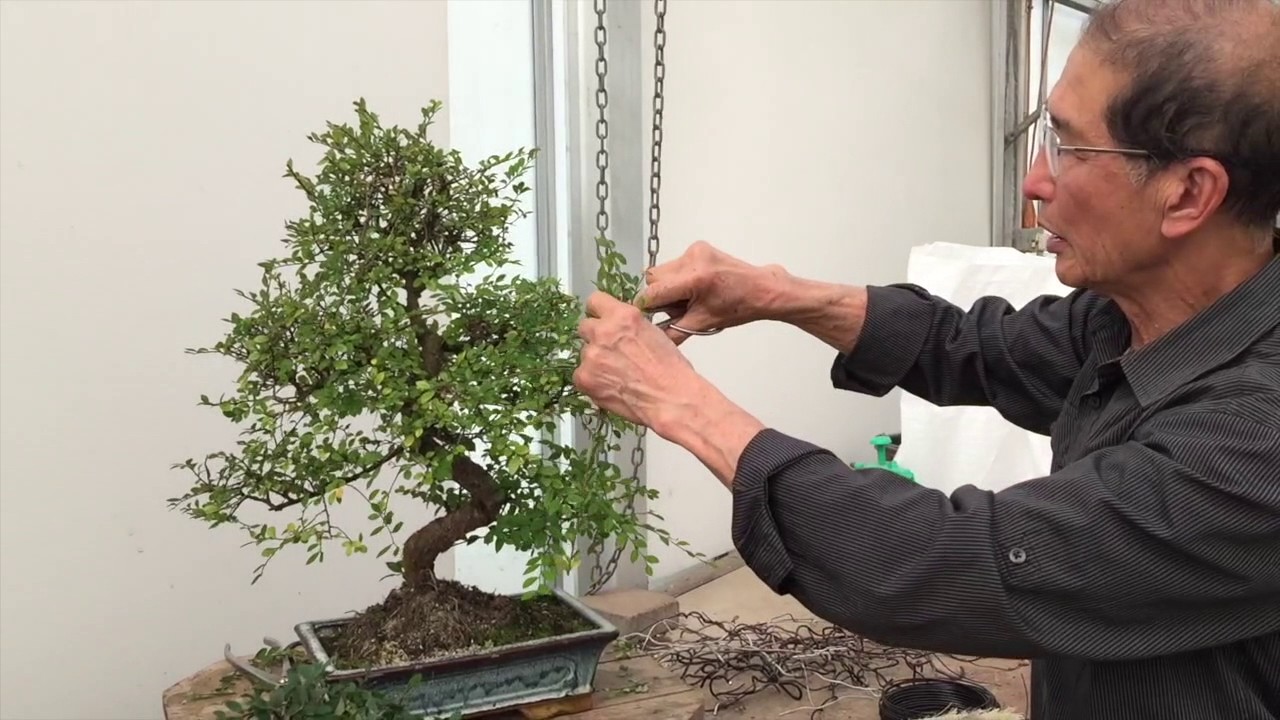
For a healthy tree, light maintenance pruning is usually safer than severe pruning. As a general guide, avoid removing more than about one-quarter of the total foliage in one session unless you understand the species and the tree is exceptionally strong.
This is not a strict rule for every bonsai. Some species tolerate hard pruning, while others respond poorly. A weak tree may suffer from even a small amount of cutting.
If the tree needs major structural work, spread the process over several seasons. This gives the tree time to produce new shoots and helps you evaluate its response.
I once saw a beginner remove nearly every branch from a young ficus because the trunk looked attractive. The tree survived, but it spent months rebuilding foliage. The lesson was clear: a good trunk does not make severe pruning safe. The tree still needs leaves to produce energy.

Pruning different bonsai species
Species matter when you trim a bonsai. The method that works for a ficus may damage a pine or juniper.
Ficus bonsai
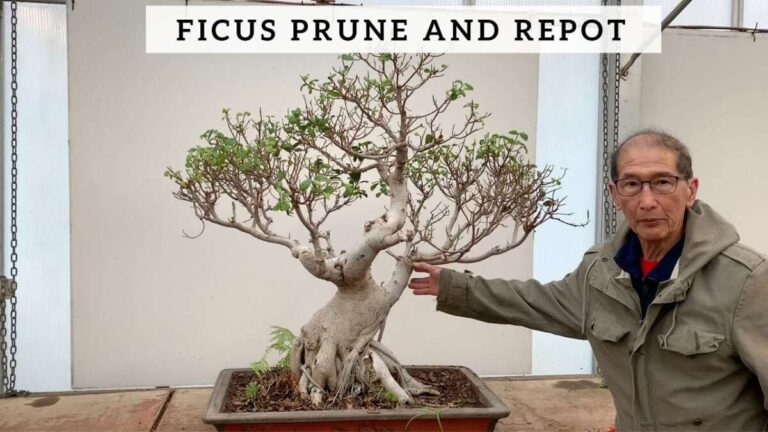
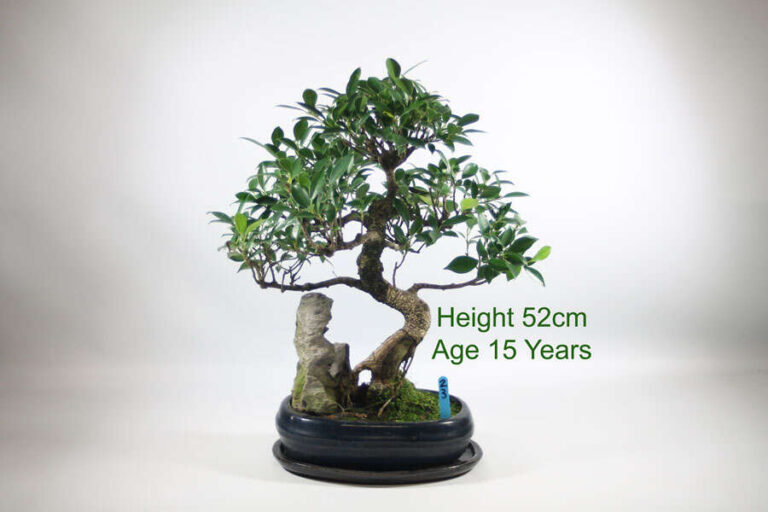
Ficus trees usually tolerate regular trimming and can produce new shoots from older wood. They prefer warmth, bright light, and steady care.
Allow a ficus to grow several leaves, then shorten the shoot while keeping a few leaves. Avoid heavy pruning when the tree is cold, dry, or receiving poor light.
Japanese maple bonsai
Japanese maples have delicate leaves and fine branches. Trim new shoots during the growing season, but avoid removing too much foliage during hot weather.
Large cuts can cause dieback in some maples. Seal major wounds if appropriate, and protect the tree from harsh afternoon heat after pruning.
Juniper bonsai
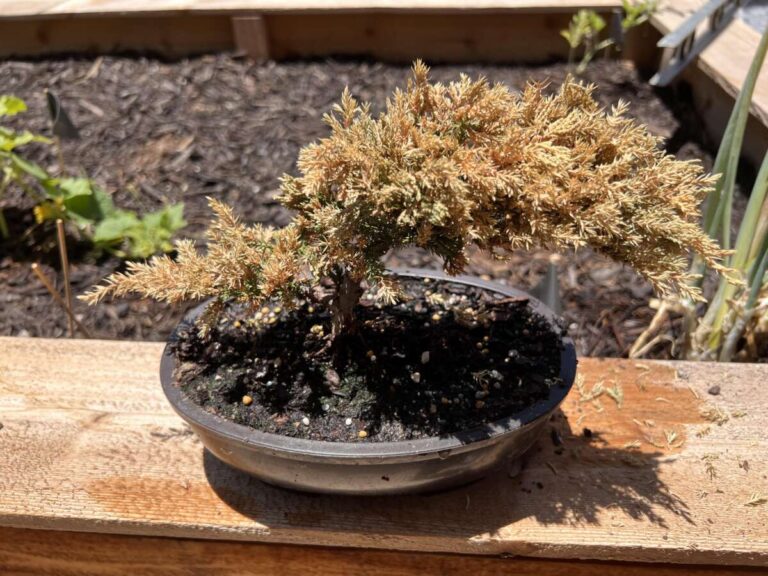
Junipers are often misunderstood. Do not cut deeply into bare, old wood unless you know that the branch has viable buds. Junipers may not grow new foliage from completely bare sections.
Pinch or trim green shoots carefully. Never strip all the green tips from a branch, because the branch may die back.
Pine bonsai
Pines require specialized techniques, such as candle pruning and needle management. The correct timing varies by pine species and local climate.
Beginners should learn the exact pine type before making major cuts. A small error can remove the buds needed for next year’s growth.
Chinese elm bonsai
Chinese elms usually respond well to regular maintenance pruning. They can produce dense twig growth, so thinning crowded shoots helps preserve a fine branch structure.
Allow new shoots to extend, then cut them back to the desired number of leaves. Keep the tree in strong light so new growth remains compact.

Aftercare following bonsai pruning
After trimming, place the tree in a bright location that matches its normal needs. Avoid sudden changes in temperature, strong wind, or intense afternoon sun immediately after heavy pruning.
Water the tree when the soil begins to dry, but do not keep the soil constantly wet. Pruning does not change the basic watering rule. Check the soil with your finger and water deeply when needed.
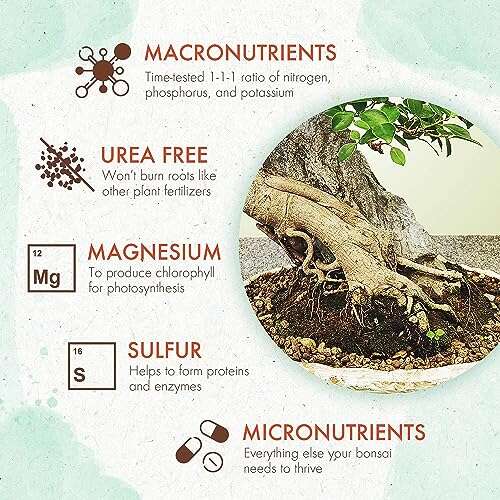
Do not fertilize a severely stressed tree right away. For light trimming, many healthy bonsai can follow their normal feeding schedule. After major pruning, wait for signs of new growth before applying strong fertilizer.
Watch the tree over the next few weeks. Healthy signs include firm buds, fresh leaves, and normal soil moisture. Warning signs include sudden leaf drop, blackened cuts, soft branches, and persistent wilting.
Do not repot and heavily prune at the same time as a beginner. Each task places stress on the tree. Space major work apart unless the species and season make combined work appropriate.
Common mistakes to avoid
Knowing what not to do is a major part of how to trim a bonsai tree for beginners.
• Cutting without a design: Decide what you want the tree to become before removing healthy branches.
• Using dull tools: Dull blades crush bark and leave ragged wounds.
• Removing too much foliage: The tree needs leaves to make energy.
• Ignoring the species: Each bonsai has its own pruning limits and timing.
• Leaving long stubs: Stubs can die back and disrupt the trunk line.
• Cutting into the trunk: Make close, careful cuts without damaging the branch collar.
• Pruning a sick tree: Correct the health problem before shaping the tree.
• Trimming only the outside: Dense outer growth can weaken inner branches.
• Following a fixed leaf rule: The two-leaf or four-leaf rule is a guide, not a law.
• Expecting instant results: Bonsai design develops over years, not one afternoon.
The branch collar is the slightly swollen area where a branch joins the trunk or a larger branch. Preserve it when making a larger cut. Cutting through the collar can slow healing and increase damage.
A simple beginner pruning plan
If you feel unsure, use this gradual plan:
-
Photograph the bonsai from several angles.
-
Remove dead, broken, and diseased growth.
-
Remove shoots that cross, rub, or grow badly inward.
-
Thin crowded areas while keeping useful branches.
-
Shorten long shoots to a healthy bud or side branch.
-
Stop and review the tree from a distance.
-
Wait several weeks before making more major cuts.
This method keeps the first session low risk. It also teaches you how your tree responds. Bonsai is a conversation between the grower and the plant. You make a small change, then observe the result.
For your first few sessions, mark possible cuts with small pieces of removable tape. Leave the tape in place for a day or two while you study the tree. This simple trick can prevent an impulsive cut.
Frequently Asked Questions About How to Trim a Bonsai Tree for Beginners
How often should a beginner trim a bonsai tree?
Light maintenance trimming may be needed every few weeks during active growth. The exact schedule depends on the species, light, temperature, and growth rate.
Should I trim bonsai leaves or branches first?
Remove dead and unwanted branches first, then shorten long shoots and leaves. This order lets you see the tree’s structure before you make fine cuts.
Can I trim a bonsai tree with regular scissors?
You can use clean, sharp scissors for small shoots and leaves. For thicker branches, bonsai cutters or sharp pruning shears make cleaner cuts and reduce crushed tissue.
Should I water a bonsai after pruning?
Water according to the soil’s moisture, not simply because you pruned. If the soil is dry, water thoroughly; if it is still damp, wait until the surface begins to dry.
Can I prune a bonsai tree that has yellow leaves?
First find the cause of the yellow leaves. Overwatering, poor light, pests, nutrient issues, and natural aging can all play a role, so avoid heavy shaping until the tree is healthy.
What happens if I cut a bonsai branch too short?
The branch may stop growing from that point if it has no living buds nearby. Wait and observe before making more cuts, because some species can produce new buds later.
Do I need to seal every bonsai cut?
Small cuts often heal without sealant. Wound paste may help protect larger cuts on some species, but it cannot repair a badly placed or crushed cut.
Conclusion
Learning how to trim a bonsai tree for beginners starts with patience, clean tools, and small decisions. Remove dead growth first, protect healthy foliage, study the species, and shape the tree over time rather than forcing a quick result.
Your first bonsai does not need to be perfect. Take photos, make a few careful cuts, and watch how the tree responds. Keep practicing, explore reliable bonsai resources for your species, and share your progress or questions with other growers.

Laura Bennett is a gardening writer at MyGardenLabs who creates beginner-friendly guides focused on solving common plant care and gardening problems.