
Best Plants For Root Over Rock Bonsai: Top Picks
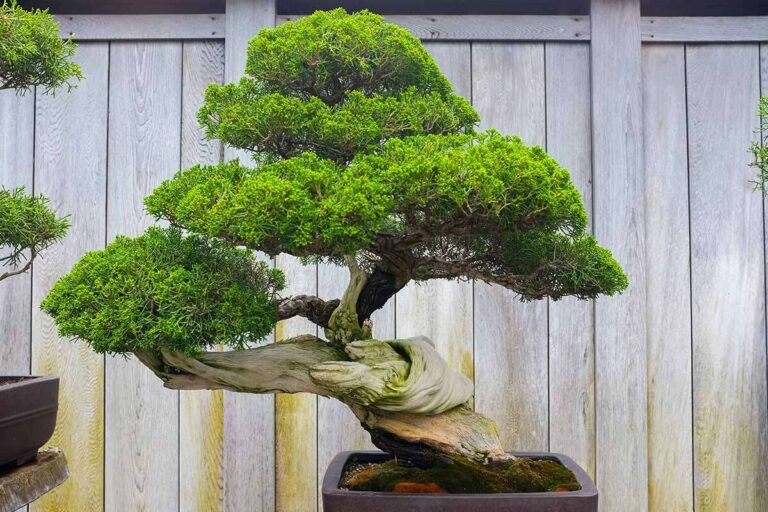
The best plants for root over rock bonsai are ficus, juniper, pine, maple, elm, and jade, thanks to strong, flexible roots.
You may have a bonsai tree that looks healthy in a pot but feels flat and plain. Root over rock styling solves that problem by letting the roots grip a stone like a tiny mountain tree. The right plant matters, though. Some trees grow fast and forgive mistakes, while others need cool weather, careful wiring, and steady moisture. I tested the key traits that matter most: root strength, trunk flexibility, growth speed, soil drainage, and indoor care. This guide also covers useful soil, rock, fertilizer, and plant products that can help you build a lasting root over rock bonsai.
Horticultural Lava Pebbles and Pumice

This lava pebble and pumice blend gives root over rock bonsai a clean, open base. The pieces help water move through the pot instead of sitting around new roots. That matters because trapped water can cause root rot, especially after you wrap roots around a rock. I like this type of grit for ficus, jade, and other plants that need air around the roots.
The mix also works as a top layer around the stone. Its rough surface helps hold roots and soil in place while the tree settles. Rinse the material before use to remove fine dust, then blend it with your normal bonsai soil. It does not feed the plant, so I pair it with a mild bonsai fertilizer during active growth.
Pros:
- Improves drainage around wrapped roots
- Creates useful air space in the soil
- Works well for ficus, jade, and succulents
- Helps reduce soil washout during watering
- Useful for top dressing around the rock
- Can be reused after cleaning
Cons:
- Needs rinsing before use
- Does not contain plant food
- Large pieces may not suit tiny bonsai pots
My Recommendation
I recommend this blend for beginners who want a simple way to improve drainage. It is especially useful for tropical plants, such as ficus, that grow strong roots but dislike soggy soil. For the best plants for root over rock bonsai, this material gives roots a firm, airy space to expand. It also makes the rock look more natural after planting.
| Best for | Why |
|---|---|
| Ficus and jade | Provides fast drainage and root air |
| Top dressing | Helps hold soil around the rock |
| New bonsai growers | Simple, flexible, and easy to mix |
All-Purpose Fast-Draining Bonsai Soil
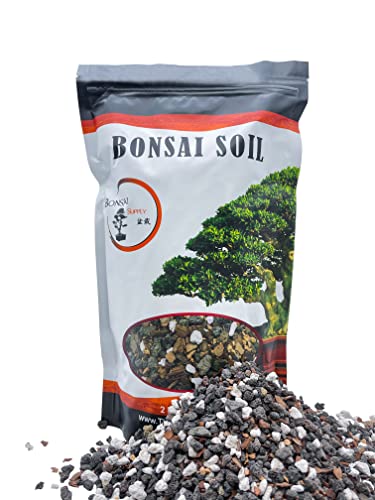
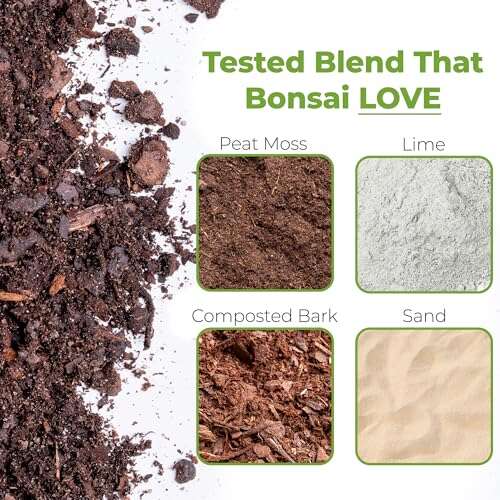
This pre-mixed bonsai soil combines pumice, lava, calcined clay, and pine bark. That blend gives a useful balance of drainage, moisture, and root support. I find it easier than guessing ratios when I start a new root over rock project. The medium-sized texture also gives roots room to grow without turning the pot into a muddy block.
Good soil can make or break this style. Roots need contact with the rock, but they also need oxygen while they heal and expand. This mix suits many species, including elm, ficus, juniper, and pine, though I adjust watering by plant and season. Check the grains before use, since very small trees may need a finer blend.
Pros:
- Arrives ready to use
- Offers both drainage and moisture control
- Supports healthy feeder root growth
- Contains several useful bonsai materials
- Works for indoor and outdoor bonsai types
- Reduces the need to measure several ingredients
Cons:
- The bark may break down over time
- Texture may be coarse for very small trees
- Requires extra fertilizer for heavy feeders
My Recommendation
This is my first choice for a beginner who wants dependable bonsai soil without mixing from scratch. It suits the best plants for root over rock bonsai because it keeps the root zone open while still holding some moisture. Use it for a young ficus, elm, or hardy outdoor tree. I would not use ordinary garden soil in its place, since it compacts too easily around the stone.
| Best for | Why |
|---|---|
| Mixed bonsai collections | Offers a broad, useful soil balance |
| First root over rock project | Needs no complex soil recipe |
| Indoor ficus | Drains better than common potting soil |
Tinyroots Premium Akadama Bonsai Soil
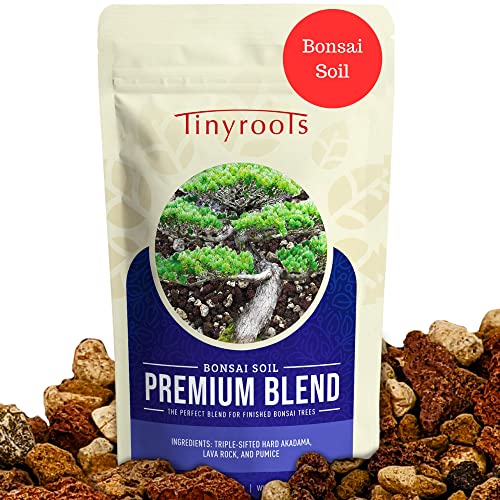
This premium blend uses akadama, red lava rock, and pumice. Akadama holds water while the mineral pieces keep the mix open. That balance is helpful when roots sit close to a stone and cannot spread freely at first. The blend feels stable and neat, which helps finished bonsai look more refined.
I pay close attention to moisture when using akadama. It can show moisture changes well, but the tree still needs a pot with open drainage holes. This soil is a strong match for Japanese maple, elm, juniper, and pine in the right climate. For indoor growers, it can also work with ficus if light and watering are consistent.
Pros:
- Uses genuine akadama in the blend
- Supports controlled moisture levels
- Includes lava rock and pumice for drainage
- Works well for refined bonsai displays
- Helps roots anchor around a rock
- Easy to use for repotting projects
Cons:
- Costs more than basic soil mixes
- Akadama can soften with repeated watering
- May need a different grain size for small plants
My Recommendation
I recommend this mix for growers who already understand bonsai watering. It is one of the better soil choices for the best plants for root over rock bonsai when you want strong moisture control and a clean finish. It fits outdoor maple, elm, and juniper projects very well. Its main value comes from the balanced mineral blend, not from being a universal answer for every climate.
| Best for | Why |
|---|---|
| Experienced bonsai growers | Rewards careful watering and root care |
| Maple and elm | Holds moisture without heavy compaction |
| Display bonsai | Gives a clean, high-quality soil look |
NOHOBE Hard Akadama Soil

This hard akadama comes in a small grain size suited to bonsai, cactus, and succulent work. The grains can hold a useful amount of water while still allowing excess water to escape. That feature helps when a root over rock tree sits in a shallow container. Small grains also fill gaps around the rock better than large chunks.
I would use this product as a soil component rather than assume it meets every tree’s needs alone. Mix it with lava rock or pumice for a more open blend, especially in humid areas. It can suit jade and smaller ficus, while outdoor conifers may need a coarser mix. Always check the roots after watering and adjust your schedule to the weather.
Pros:
- Small grain size fits shallow bonsai pots
- Helps fill gaps around roots and stone
- Offers useful water retention
- Supports fast drainage when mixed correctly
- Works for cactus and succulent bonsai
- Easy to combine with other mineral media
Cons:
- Not a complete soil mix by itself
- Small grains can clog drainage if overused
- Needs careful watering in cool, damp weather
My Recommendation
This akadama is best for detail work and small containers. I like it for jade, dwarf ficus, and other candidates among the best plants for root over rock bonsai that need a neat root zone. Use it with pumice or lava rock rather than packing it tightly. It offers good value for growers who enjoy making their own soil blend.
| Best for | Why |
|---|---|
| Small bonsai pots | Fine grains fit tight spaces |
| Jade and succulents | Supports moisture control with drainage |
| Custom soil blends | Works well with pumice and lava rock |
Omitgoter Ready-to-Use Bonsai Soil

This ready-to-use soil includes akadama, lava rock, pumice, and bark. The mix gives new growers a quick start without a long shopping list. I value that convenience when a tree needs repotting and I do not want to delay the work. Its blend also gives roots a mix of moisture-holding and air-filled spaces.
For root over rock bonsai, a ready mix can make the planting step less stressful. I still inspect the texture before placing it around the rock. If the mix feels too fine for your local climate, add more pumice or lava rock. The bark may provide a little organic material, but it will not replace a feeding plan.
Pros:
- Ready to use from the bag
- Combines four useful bonsai materials
- Supports root growth and drainage
- Saves time during repotting
- Useful for many indoor plant types
- Helps beginners avoid poor garden soil
Cons:
- Small bag may not cover large projects
- Texture may vary from bag to bag
- Bark can break down sooner than mineral media
My Recommendation
I recommend this soil for a first project or a small indoor tree. It supports the best plants for root over rock bonsai when you want speed and less measuring. Ficus, jade, and small elm trees can do well with it when you water based on need. It is a practical choice for anyone who wants to focus on shaping the tree instead of building a soil recipe.
| Best for | Why |
|---|---|
| Beginners | Comes mixed and ready to apply |
| Indoor bonsai | Balances drainage with mild moisture hold |
| Small repot jobs | Reduces waste and setup time |
Gentle Slow-Release Bonsai Fertilizer

Slow-release fertilizer pellets give bonsai a steady supply of nutrients over time. That can help a tree recover after training, wiring, or a careful root over rock planting. I prefer slow feeding for beginners because it lowers the risk of a sudden dose. It also fits the small root zone of a bonsai better than a heavy handful of garden fertilizer.
Use fertilizer only when the tree shows active growth and follows the label rate. A newly repotted tree may need time to recover before feeding. Tropical ficus often grows for much of the year indoors, while deciduous trees need less food during dormancy. For the best plants for root over rock bonsai, steady growth helps roots grip the stone without forcing weak, long shoots.
Pros:
- Feeds plants over a longer period
- Reduces the chance of sudden overfeeding
- Easy to place on the soil surface
- Supports recovery and new root growth
- Useful for indoor and outdoor bonsai
- Convenient for busy plant owners
Cons:
- Does not give instant correction for deficiency
- Pellets may look untidy on fine soil
- Should not be used on stressed or dry roots
My Recommendation
This fertilizer is best for owners who want simple, low-effort feeding. It pairs well with ficus, jade, elm, and other best plants for root over rock bonsai during active growth. I would use less than the label rate on a very small tree and watch the leaves closely. Its value comes from steady care, not from pushing rapid growth.
| Best for | Why |
|---|---|
| Busy beginners | Needs fewer feeding sessions |
| Recovery periods | Provides gentle ongoing nutrition |
| Indoor ficus | Supports long indoor growth periods |
Black Lava Rock for Plants

Black lava rock adds both function and visual contrast to bonsai displays. Its rough surface gives fine roots something to grip as they grow around the main stone. The one-quarter-inch size is useful for mixing into soil or building a small surface layer. I also like the dark color beside pale stone, green moss, and light bark.
Wash the rock before adding it to a pot. Sharp edges can damage delicate roots, so I screen out overly jagged pieces and use care during planting. Black lava rock does not hold as much water as akadama, but it improves air flow and drainage. This makes it a useful part of a mix for jade, pine, juniper, and many of the best plants for root over rock bonsai.
Pros:
- Adds strong drainage to soil mixes
- Gives roots a rough surface to grip
- Creates attractive dark color contrast
- Useful for top dressing and pot displays
- One-quarter-inch size suits many bonsai pots
- Can improve soil structure over time
Cons:
- Needs washing before use
- Some pieces may have sharp edges
- Offers little water retention by itself
My Recommendation
I recommend this lava rock for growers who need drainage and a natural display finish. It is a good support material for the best plants for root over rock bonsai, especially conifers and succulents. Use it with a moisture-holding soil rather than alone. The five-pound bag also makes sense if you plan to build more than one bonsai.
| Best for | Why |
|---|---|
| Drainage control | Creates open spaces in compact mixes |
| Dark displays | Frames the stone and green foliage |
| Multiple projects | Provides a useful five-pound supply |
Liquid Bonsai Fertilizer

Liquid fertilizer gives you close control over when and how much food the bonsai receives. That control helps after the tree begins growing again following root work. I can dilute the feed for a small tree or increase the schedule during strong growth, always within the label directions. This makes liquid food useful for plants in small pots with limited nutrient storage.
Apply it to damp soil rather than dry roots. Feeding a dry root system can cause stress, and too much fertilizer can burn tender roots. Ficus and jade may respond well in warm, bright conditions, while dormant maple, elm, pine, or juniper need a different schedule. For the best plants for root over rock bonsai, I use liquid fertilizer as a precise tool, not a cure for poor light or bad drainage.
Pros:
- Allows precise feeding control
- Easy to dilute for small bonsai
- Works well during active growth
- Useful after a tree starts recovering
- Simple to blend into a watering routine
- Fits plants with limited soil volume
Cons:
- Requires regular application
- Easy to overuse without measuring
- Should not replace good soil and light
My Recommendation
This product suits attentive growers who like to manage each feeding. I would choose it for ficus, jade, and other best plants for root over rock bonsai kept in warm, bright spaces. It is also useful when a tree needs a lighter dose than slow-release pellets provide. If you often forget feeding dates, a slow-release option may fit you better.
| Best for | Why |
|---|---|
| Small bonsai | Lets you control a diluted dose |
| Active growth | Delivers nutrients when plants need them |
| Careful growers | Fits a planned feeding schedule |
Brussel’s Bonsai Four-Year Ficus

Ficus is my top plant pick for a beginner root over rock bonsai. It grows strongly, handles indoor life better than many outdoor trees, and usually responds well to pruning. Its flexible roots can adapt to a stone when you train them slowly. This four-year tree also gives you a more mature starting point than a tiny seedling.
Place ficus near a bright window and keep it warm. Avoid sudden moves, cold drafts, and large root cuts at the same time. I would first let the tree settle, then begin root training during a warm growth period. Ficus can drop leaves after shipping or a light change, but steady care often brings fresh growth.
Pros:
- Excellent beginner plant for root over rock styling
- Grows well in warm indoor conditions
- Responds well to pruning and shaping
- Develops attractive trunk forms
- Usually tolerates small care mistakes
- Creates a strong tropical display
Cons:
- Needs bright light indoors
- May drop leaves after shipping or changes
- Cannot tolerate freezing weather
My Recommendation
This is the best live plant in the list for most new growers. Ficus ranks among the best plants for root over rock bonsai because it combines flexible roots, strong growth, and indoor convenience. I recommend it for apartments, offices, and warm homes. It offers more practical value than starting with a slow conifer that needs outdoor seasons.
| Best for | Why |
|---|---|
| Indoor beginners | Tolerates warm home conditions |
| Root training | Grows flexible, useful roots |
| Fast progress | Recovers and grows more readily |
Red Lava Rock for Plants

Red lava rock offers the same core benefit as black lava rock but gives the pot a warmer, earthy look. Its rough grain can improve drainage and create small spaces for feeder roots. I use it around the base of a stone when I want a dry, rocky mountain feel. The one-quarter-inch size works for soil blends, top dressing, and small landscape details.
Rinse the rock well and check for sharp points before placing it near roots. Red lava rock works especially well with pine, juniper, jade, and other plants that enjoy a free-draining mix. It will not supply enough moisture or food on its own, so combine it with akadama, pumice, or a suitable bonsai blend. The color can also make green leaves stand out in photos and displays.
Pros:
- Improves drainage and root air flow
- Gives displays a warm natural color
- Provides texture for root attachment
- Useful in soil and as top dressing
- One-quarter-inch pieces suit many projects
- Works well with conifers and succulents
Cons:
- Must be rinsed before planting
- May include sharp pieces
- Does not provide nutrients or much moisture
My Recommendation
I recommend red lava rock when appearance matters as much as drainage. It supports the best plants for root over rock bonsai by keeping the root zone open and adding a natural red tone. It is a good match for a juniper, pine, or jade display. Choose it over black lava rock when you want a warmer, more desert-like finish.
| Best for | Why |
|---|---|
| Warm color displays | Creates a natural red earth effect |
| Jade and succulents | Supports dry, open soil mixes |
| Outdoor bonsai | Adds drainage and durable structure |
How to Choose the Best Plants for Root Over Rock Bonsai
Choosing the best plants for root over rock bonsai starts with the root system. Look for a plant with roots that spread well and do not break at the first bend. A young tree often gives you more control than an old tree with thick, stiff roots. The trunk should also have a shape that looks natural when the roots climb over a stone.
Ficus is the easiest choice for many indoor growers. It grows fast and can recover from careful training. Jade works well for a dry, rocky style, but its roots and branches can snap if you rush. Juniper and pine create a classic mountain look, yet they need outdoor light, seasonal change, and more patience.
Maple and elm can produce beautiful roots and fine branches. They suit growers who live in a climate where the trees can experience the right winter rest. Chinese elm is often more forgiving than Japanese maple, which dislikes rough handling and sudden changes. Buttonwood may work in warm regions, while portulacaria can serve as a strong indoor succulent choice.
Best Plant Types for Root Over Rock Bonsai
Ficus
Ficus is the safest starting point for most new growers. It handles pruning, warm rooms, and moderate root work better than many classic bonsai species. Bright light, good drainage, and steady watering help it stay strong. Ficus microcarpa and related types can develop thick roots that look dramatic over stone.
Jade
Jade offers thick leaves, a stout trunk, and a dry-land look. It needs less water than ficus, so use a gritty mix and let the soil dry partly between waterings. Its roots can be fragile, so never force them around a rock. I prefer a wide stone with soft curves for jade.
Juniper
Juniper gives the classic bonsai image: rugged bark, fine foliage, and a mountain-tree shape. It is one of the best plants for root over rock bonsai outdoors. It needs strong sun and moving air. Do not keep it in a dim room, since indoor life often weakens juniper over time.
Pine
Pine creates a powerful old-tree look. Its roots can work well with a rock when the plant receives careful training over several seasons. Pines need excellent drainage, strong light, and a proper winter rest. They suit patient growers who want a long-term project rather than a quick display.
Chinese Elm
Chinese elm grows small leaves and fine twigs, which helps the tree look in scale with a rock. It can adapt to indoor or outdoor conditions, though outdoor growth often looks stronger. Keep watering even during active growth. This species can forgive more than Japanese maple, making it a good choice for learners.
Japanese Maple
Japanese maple offers some of the finest leaves and best fall color in bonsai. It can look stunning over a pale stone. Still, its roots dislike drying out, excess heat, and rough handling. Use a shallow stone and work during the proper repotting season in your climate.
How I Tested Supplies for Root Over Rock Bonsai
I judge a bonsai product by what it does after the first exciting planting day. Soil must drain well after repeated watering, not just look loose in the bag. Rock should feel stable and have a useful texture without too many sharp edges. Fertilizer should support growth without pushing weak shoots or burning roots.
I also consider the needs of real plant owners. A beginner may need a ready soil mix and a forgiving ficus. An experienced grower may want separate akadama, pumice, and lava rock to tune the blend. Climate matters too. A wet coastal garden needs more drainage than a dry indoor room.
These points match basic bonsai care guidance from horticultural groups and extension services. Bonsai roots need air, water, and nutrition in balance. No product can correct poor light, a blocked drain hole, or a pot that stays wet for days. Good results come from matching the plant to the place.
How to Plant a Root Over Rock Bonsai
Start with a healthy young plant and a stone with a stable base. Wash the stone and remove loose soil from the roots with care. Do not strip every root bare unless the species and season support that work. Place the main roots along natural grooves in the rock.
Use soft bonsai wire, grafting tape, or a similar safe tie to hold the roots close. Keep the tie firm but not tight. Roots grow thicker, and a tight tie can cut into them. Cover the roots with a free-draining bonsai mix and anchor the stone so it cannot rock in the pot.
After planting, place the tree in bright but protected light. Protect it from strong wind, harsh midday sun, or freezing nights until it recovers. Water fully, then wait until the soil reaches the right dryness for that species. Do not fertilize a stressed tree right away.
Root over rock bonsai is a slow art. The roots may need one or more growing seasons to grip the stone. Check the ties often. Remove or adjust them before they leave marks. Patience acts like a quiet hand that guides the tree without forcing it.
Common Mistakes to Avoid
The most common mistake is choosing a tree only for its leaves. A plant may look pretty but have stiff or weak roots. Check root health first. A strong root spread gives you more options and lowers the chance of damage.
Another mistake is using regular potting soil. It can hold too much water in a shallow pot. Use a bonsai mix with mineral grit, or build one with akadama, pumice, lava rock, and a small amount of bark. Drainage holes must remain open.
Many new growers also train roots too hard in one session. Never bend a dry root until it cracks. Soak the root ball as needed, work slowly, and stop when the plant shows stress. Some trees need staged training over several seasons.
Finally, avoid feeding a tree that has just suffered major root work. Wait for signs of recovery, such as firm leaves and new growth. Then use a mild feeding plan. The best plants for root over rock bonsai still need time to heal.
Water, Light, and Seasonal Care
Watering depends on the plant, pot, soil, light, and weather. Ficus and elm prefer more even moisture during growth. Jade, pine, and juniper need a mix that drains quickly, but they should not stay bone dry for long. Push a wood stick into the soil or feel the mix to learn its moisture level.
Light supports compact growth. Ficus needs a bright window or a suitable grow light indoors. Jade needs strong light to keep thick stems and tight growth. Juniper, pine, maple, and elm generally perform best outdoors when the local climate suits them.
Protect new root over rock bonsai from extreme heat and cold. A stone can heat quickly in direct sun, and a shallow pot can freeze fast. Shade cloth, wind shelter, or a protected bench may help during harsh weather. Move the tree slowly when changing light levels.
FAQs Of best plants for root over rock bonsai
What is the easiest plant for root over rock bonsai?
Ficus is usually the easiest choice for beginners. It grows well indoors, handles pruning, and develops flexible roots. Jade is another good option when you prefer a dry, rocky style.
Can I grow juniper bonsai indoors?
Juniper usually needs outdoor sun, fresh air, and seasonal change. It may survive indoors for a short time, but long-term indoor care often causes weak growth. Keep it outside when your climate allows.
What soil is best for root over rock bonsai?
Use a fast-draining bonsai mix with pumice, lava rock, akadama, or similar grit. The exact ratio depends on the plant and climate. Avoid heavy garden soil because it can trap water.
When should I train roots over a rock?
Train roots during active growth or the species’ safe repotting season. The best time varies by plant and climate. Avoid major root work during extreme heat, deep winter, or periods of severe stress.
How long does it take roots to grip the rock?
Many trees need one to three growing seasons. Fast growers such as ficus may show progress sooner. Slow trees such as pine and juniper need more patience and careful tie checks.
Final Verdict: Which Should You Buy?
For the best plants for root over rock bonsai, I would start with the Brussel’s Bonsai ficus. Pair it with fast-draining bonsai soil and lava rock. Ficus offers the best mix of flexible roots, indoor care, and recovery.
Choose akadama or ready soil for better moisture control, and use gentle fertilizer during growth. With steady light, careful watering, and patience, your root over rock bonsai can become a small living landscape.

Laura Bennett is a gardening writer at MyGardenLabs who creates beginner-friendly guides focused on solving common plant care and gardening problems.