Where Did Bonsai Trees Originate: A Brief History
Bonsai trees originated in ancient China, then evolved into the refined Japanese art known worldwide today.
The story of where did bonsai trees originate is richer than a single country or date. It connects Chinese penjing, Japanese gardening, Buddhist culture, trade, and centuries of careful plant training. By tracing this path, you can better understand why bonsai is more than a small tree in a pot—it is a living art built on patience, balance, and respect for nature.
Where Did Bonsai Trees Originate?
Bonsai trees originated in China, where artists created miniature landscapes called penjing more than 1,000 years ago. Penjing means “tray scenery” or “景 in a tray,” depending on the translation. It included small trees, rocks, water, and other features arranged to represent an entire natural scene.
The earliest roots of bonsai are linked to the Tang Dynasty, which lasted from 618 to 907 CE. Art from this period shows small trees growing in containers. One well-known example appears in a mural from the tomb of Prince Zhang Huai, dated to 706 CE. The mural shows attendants carrying miniature trees in pots.
This evidence helps answer where did bonsai trees originate, but it does not tell the whole story. The Chinese tradition focused on capturing the spirit of wild landscapes. A tree did not need to look like a perfect copy of a full-sized tree. It needed to suggest age, strength, and harmony.
Chinese penjing artists used native plants, unusual rocks, moss, and shallow trays. Their work often reflected Taoist ideas about balance and the relationship between people and nature. In many displays, the tree was only one part of a larger scene.
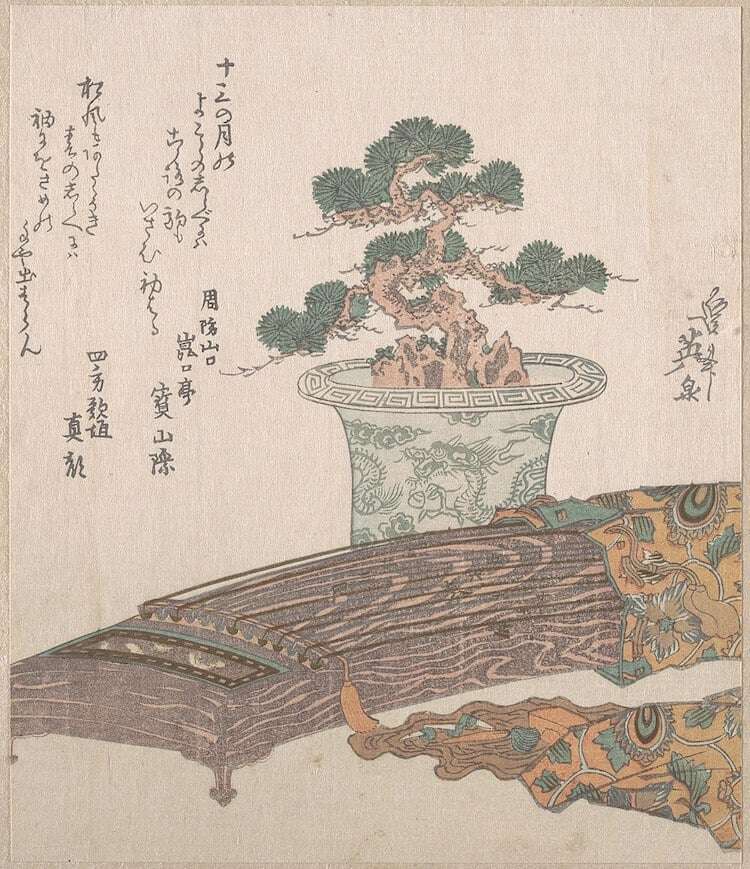
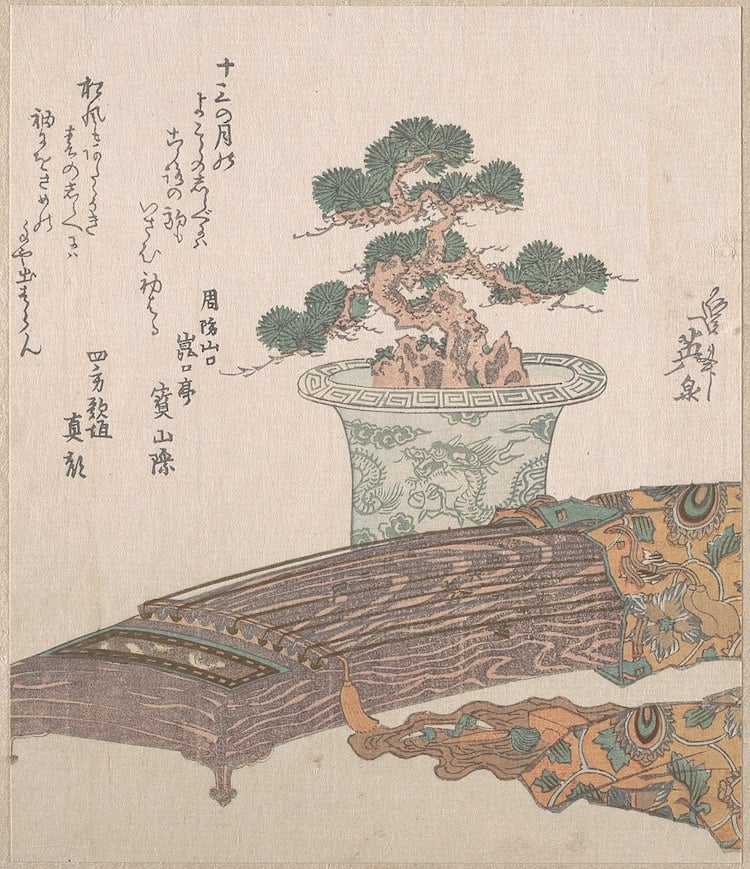
Over time, Japanese gardeners adopted and changed this art. They placed more attention on the tree itself and developed strict design forms. This shift created the bonsai tradition most people recognize today.
The Chinese Roots of Bonsai and Penjing
To understand where did bonsai trees originate, it helps to separate the words penjing and bonsai. Penjing is the older Chinese art of creating miniature landscapes. Bonsai is the Japanese art of growing and shaping a tree in a container.
Penjing often includes three main styles:
• Tree penjing, which focuses on one or more miniature trees
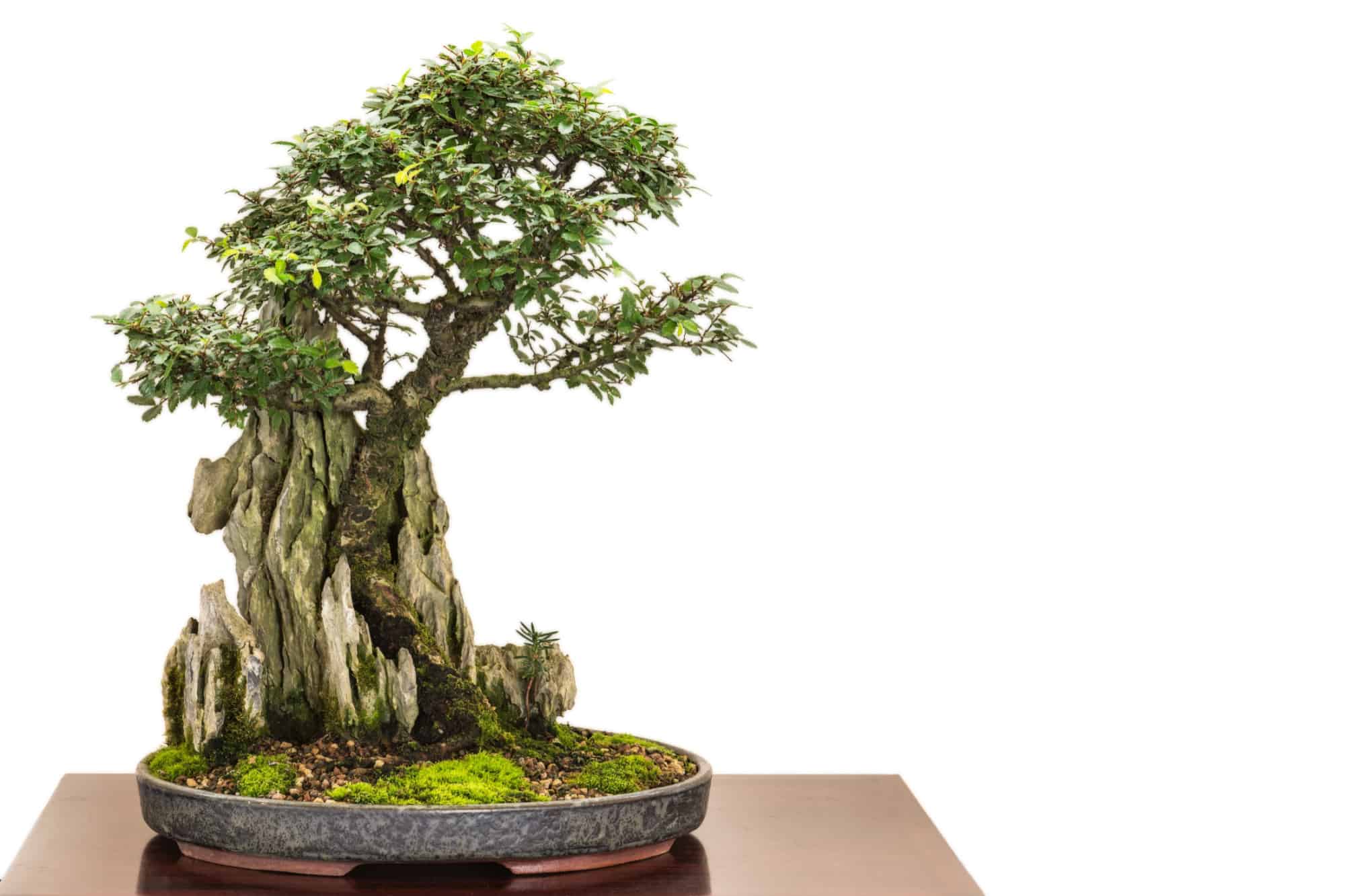
• Landscape penjing, which combines trees, rocks, water, and soil
• Water-and-land penjing, which creates a wider natural scene in a tray
Bonsai can also include rocks, moss, and companion plants. However, the tree usually remains the main focus. Japanese bonsai design became more restrained and precise than many earlier Chinese landscape displays.
Chinese artists valued strange and powerful forms. A twisted trunk, hollow branch, or exposed root could suggest a tree shaped by wind, age, or hardship. This idea remains important in bonsai today.
The Chinese tradition also influenced the use of pots, pruning, wiring, and root control. These methods helped artists keep trees healthy while guiding their form. They were not simply trying to make a plant small. They were creating a complete image of a mature tree in nature.
The answer to where did bonsai trees originate is therefore best explained as “China, through the older penjing tradition.” Japan later shaped bonsai into its own distinct art form.
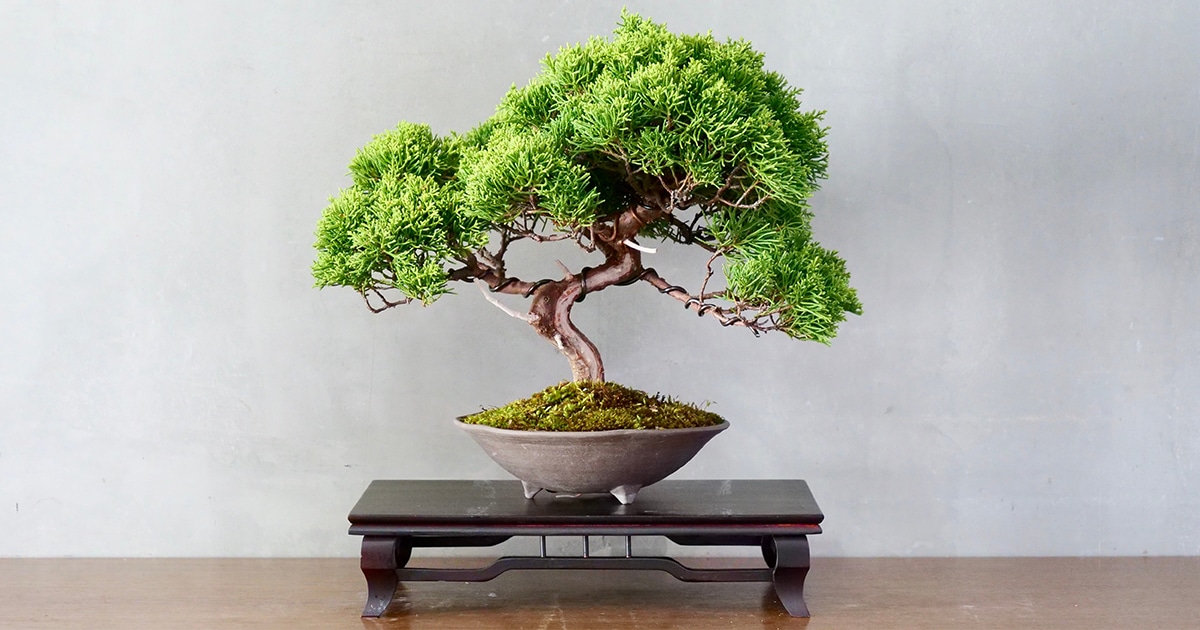
How Bonsai Reached Japan
Bonsai likely reached Japan through cultural exchange with China. Buddhist monks, government officials, artists, and travelers moved between the two regions. They carried religious texts, plants, gardening methods, art styles, and ideas about nature.
Japanese records and artwork from the Kamakura period, from 1185 to 1333, show growing interest in miniature trees. Buddhist monks may have helped spread the practice because container plants fit well with temple gardens and quiet spaces.
During the Heian period, from 794 to 1185, Japanese culture adopted many ideas from China. Japanese nobles admired Chinese gardens, poetry, painting, and court customs. Small trees in containers became part of this wider exchange.
In Japan, the art gradually became more focused. Instead of building a complete tray landscape, artists often displayed a single tree. The design emphasized the trunk, branches, roots, and negative space around the tree.
Japanese gardeners also developed clear design principles. These included:
• A strong trunk that suggests age
• Branches arranged for visual balance
• A visible root base called the nebari
• A suitable pot that supports the tree’s form
• Empty space that gives the design room to breathe
• Seasonal changes that show the tree is alive
This Japanese development explains why many people believe bonsai trees originated in Japan. Japan made bonsai famous, but the older roots reach back to China.
When Did Bonsai Become a Japanese Art Form?
Bonsai became a distinct Japanese art form over several centuries. By the Edo period, from 1603 to 1868, bonsai was practiced by wealthy families, gardeners, merchants, and professional growers.
The word bonsai comes from the Japanese terms bon, meaning tray or shallow container, and sai, meaning planting. The name reflects the practice of growing a plant in a tray, but the art itself involves much more than planting.
Japanese bonsai culture placed strong value on simplicity. A good tree could express age, movement, and calm without needing many decorative objects. This style matched broader Japanese aesthetics such as wabi-sabi, which appreciates beauty in simplicity, age, and imperfection.
That does not mean every historical Japanese bonsai followed one rigid style. Techniques and preferences changed over time. Some trees were natural and irregular, while others were carefully shaped into formal upright or windswept designs.
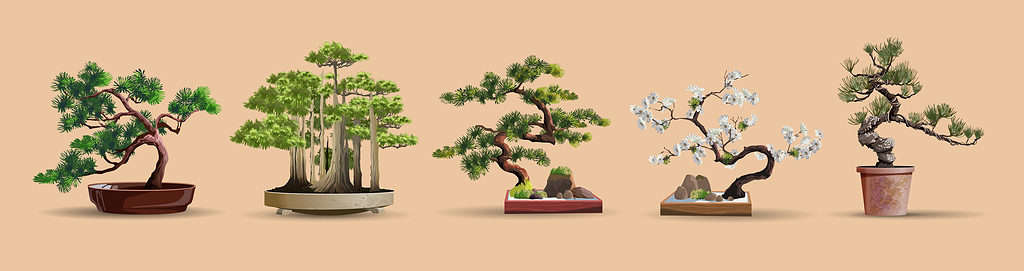
Several major bonsai styles developed in Japan:
• Formal upright, with a straight trunk and balanced branches
• Informal upright, with gentle curves in the trunk
• Slanting, with the trunk leaning to one side
• Cascade, with branches flowing below the pot
• Semi-cascade, with the branches dropping below the pot rim
• Literati, with a thin trunk and sparse branches
• Forest planting, with several trees arranged as a group
These styles helped establish the modern identity of bonsai. They also show why the question where did bonsai trees originate needs a layered answer. China provided the early foundation, while Japan created a highly organized tree-focused tradition.
Bonsai, Zen Buddhism, and Japanese Culture
Bonsai is often linked with Zen Buddhism, but that connection needs careful explanation. Zen influenced Japanese art, gardens, tea, and daily practice. It encouraged attention, simplicity, and direct contact with the present moment.
Bonsai shares these qualities. Caring for a tree requires regular observation. You notice the color of new leaves, the moisture in the soil, the direction of growth, and the effect of each cut.
Still, bonsai was not created only by Zen monks. It also grew through the work of professional gardeners, collectors, artists, and ordinary plant lovers. Saying that bonsai came directly from Zen alone would oversimplify its history.
The tree can act as a quiet teacher. It grows slowly, responds to care, and shows the results of past choices. A heavy pruning cut may affect its form for years. A missed watering may damage it in one hot afternoon.
This is one reason bonsai remains meaningful today. It turns routine plant care into a long conversation between the grower and the tree.
In practical terms, the cultural lesson is simple:
• Do not force fast results
• Study the tree before cutting
• Respect the plant’s natural growth
• Accept small flaws as part of its history
• Think in years, not weeks
These lessons apply whether you grow a Japanese maple, juniper, ficus, or Chinese elm.
How Bonsai Spread Around the World
Bonsai began gaining international attention in the late 19th and early 20th centuries. Visitors to Japan saw bonsai displays at exhibitions and brought the idea back to Europe and North America.
The 1878 Paris Exhibition and later international exhibitions helped introduce Japanese gardening and bonsai to Western audiences. Japanese immigrants and gardening experts also helped establish bonsai clubs and nurseries outside Japan.
After World War II, interest grew rapidly in the United States. Returning soldiers, travelers, museums, and horticultural groups helped make bonsai more familiar to American gardeners.
Today, bonsai is practiced across the world. It is especially popular in:
• The United States and Canada
• The United Kingdom and Europe
• Australia and New Zealand
• Brazil and other parts of South America
• South Africa
• India and Southeast Asia
Each region has adapted bonsai to its own climate. Tropical growers often use ficus, jade, and bougainvillea. Gardeners in colder areas may choose juniper, pine, spruce, or maple.
This global spread also creates a useful distinction. Bonsai is Japanese in name and modern style, but its history includes Chinese, Korean, Vietnamese, and wider East Asian influences.
When asking where did bonsai trees originate, it is important not to erase this shared history. Cultural traditions often develop like rivers. One stream begins the journey, but many others shape its final course.
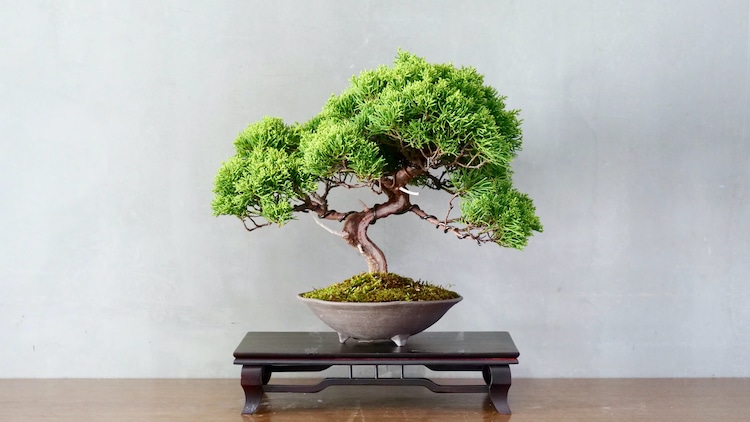
What Is the Difference Between Bonsai and Penjing?
Bonsai and penjing both use living plants in containers, but their goals are not exactly the same.
Bonsai usually focuses on one tree or a carefully arranged group of trees. The design aims to suggest a full-sized tree growing in nature. Proportion, branch structure, trunk movement, and seasonal character are central concerns.
Penjing often creates a broader landscape. Artists may include:
• Rocks that represent mountains
• Sand or gravel that suggests land
• Water features
• Small figures or buildings
• Several plants with different shapes
• Decorative trays designed as part of the scene
The two traditions overlap. Modern Chinese penjing can look very similar to Japanese bonsai, and many bonsai artists appreciate both approaches.
A simple example makes the difference clear. A juniper planted alone in a shallow pot may be bonsai. The same juniper placed with rocks, moss, a small bridge, and a painted landscape may be penjing.
Neither approach is better. They simply tell different stories. Bonsai often presents the character of one tree, while penjing may present the character of an entire place.
This comparison also clarifies where did bonsai trees originate. Bonsai did not appear suddenly as an isolated Japanese invention. It developed from older Chinese miniature landscape traditions and then gained a distinct Japanese identity.
Did Bonsai Trees Originate From Naturally Small Trees?
No. Bonsai trees are not special dwarf species. Most bonsai plants are ordinary trees or shrubs that remain small because their roots and branches are carefully managed.
A bonsai stays small through a combination of:
• Root pruning
• Branch pruning
• Training with wire or other supports
• Shallow containers
• Careful watering and feeding
• Regular repotting
The tree’s leaves may become smaller over time, especially with proper care. However, the plant remains genetically capable of growing much larger when planted in open ground.
Common bonsai species include:
• Japanese maple
• Chinese elm
• Juniper
• Black pine
• Ficus
• Boxwood
• Azalea
• Olive
• Jade plant
The best species depends on your climate. A tropical ficus may struggle outdoors in a cold northern winter, while a juniper may weaken indoors where it lacks strong light and seasonal change.
One common mistake is treating bonsai as indoor décor. Most bonsai trees need outdoor conditions, including strong light, air movement, and natural temperature changes. Tropical species can live indoors for part of the year, but they still need excellent light and careful moisture control.
Learning where did bonsai trees originate can improve your care choices. The art comes from regions with long gardening traditions, close observation, and respect for seasonal growth. Your tree will respond best when you work with its biology rather than against it.
What Bonsai History Teaches Modern Growers
The history of bonsai offers practical lessons for anyone who wants to grow one.
First, choose a healthy tree rather than chasing a perfect shape. A strong trunk, good roots, and vigorous growth matter more than a few attractive leaves.
Second, avoid making many major changes at once. Heavy root pruning, hard branch cutting, and a sudden change in light can place too much stress on the plant.
Third, learn the needs of your species. A pine does not need the same watering pattern as a ficus. A juniper does not belong on a dark office desk.
A simple beginner plan looks like this:
-
Identify the tree species.
-
Check whether it belongs indoors or outdoors.
-
Place it in the correct light.
-
Water when the soil begins to dry, rather than by a fixed calendar.
-
Prune only after learning where new growth appears.
-
Repot during the species’ suitable season.
-
Watch the tree often and keep notes.
A useful lesson from experienced growers is that bonsai care is less about control and more about partnership. You guide growth, but you cannot command it. The tree has its own timing.
Beginners also often worry about making one wrong cut. Some mistakes can be repaired, but patience is safer than constant trimming. Step back, study the whole tree, and make one clear decision at a time.
Frequently Asked Questions About Where Did Bonsai Trees Originate
Did bonsai originate in China or Japan?
Bonsai originated from older Chinese penjing traditions, while Japan later refined the practice into the bonsai art form known today. China provides the earliest known cultural roots, and Japan gave bonsai its name and distinct design system.
How old is the bonsai tradition?
The tradition is more than 1,000 years old. Artwork from China’s Tang Dynasty, including a mural dated to 706 CE, shows miniature trees growing in containers.
What does bonsai mean?
Bonsai comes from Japanese words meaning “planted in a tray” or “tray planting.” The term describes a tree trained to grow in a shallow container.
Is bonsai a type of tree?
No. Bonsai is a method of growing and shaping trees and shrubs. Many species can become bonsai, including juniper, maple, ficus, pine, elm, olive, and azalea.
Is penjing the same as bonsai?
Penjing is the Chinese art of creating miniature landscapes in containers. Bonsai is a Japanese tree-focused art, although the two traditions share techniques and history.
Did Buddhist monks invent bonsai?
Buddhist monks helped spread miniature trees and related gardening ideas, especially between China and Japan. However, gardeners, artists, collectors, and professional growers also played major roles in bonsai’s development.
Can bonsai trees live indoors?
Some tropical bonsai, such as ficus and jade, can live indoors when they receive strong light and stable warmth. Temperate species, including juniper and many maples, usually need to live outdoors to remain healthy.
Conclusion
Bonsai trees originated in ancient China through the penjing tradition, then developed into a distinct Japanese art over many centuries. China contributed the early idea of miniature landscapes, while Japan emphasized the single tree, refined design rules, and gave the practice its modern name.
Understanding where did bonsai trees originate adds meaning to every pruning cut and every new leaf. Whether you grow one tree on a balcony or study historic bonsai collections, remember that the art rewards patience, close observation, and respect for natural growth.
Choose a species suited to your climate, learn its basic needs, and begin slowly. Explore a local bonsai club, visit a trusted nursery, and share your own bonsai story in the comments.

Laura Bennett is a gardening writer at MyGardenLabs who creates beginner-friendly guides focused on solving common plant care and gardening problems.