What Is A Garden Tool Trowel: Uses And Buying Tips
A garden tool trowel is a small hand tool used to dig, plant, loosen soil, and move materials.
If you have ever planted flowers, moved a seedling, or filled a pot, you have likely used one. Understanding what is a garden tool trowel helps you choose the right shape, use it safely, and avoid common planting mistakes. This guide explains its parts, uses, types, materials, care needs, and practical buying tips.
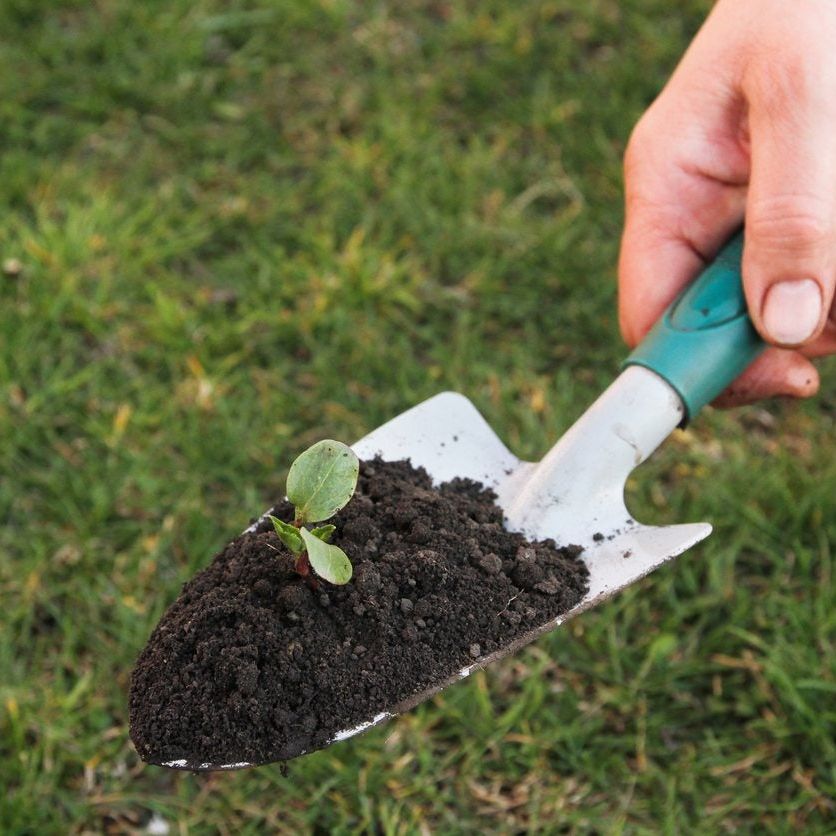
What Is a Garden Tool Trowel?
A garden tool trowel is a small handheld digging tool with a narrow or wide scoop-shaped blade and a short handle. It is made for light garden work that needs control rather than the force of a shovel.
The blade enters soil, lifts it, and moves it to another spot. Gardeners use a trowel for planting bulbs, setting seedlings, removing small weeds, mixing potting soil, and filling containers.
When people ask, what is a garden tool trowel, the simplest answer is this: it is a compact hand shovel for small planting and soil tasks. It gives you more accuracy than a full-size shovel.
A typical garden trowel has three main parts:
• Blade: The metal or composite section that cuts and moves soil.
• Handle: The part you hold while working.
• Tang or shaft: The section that joins the blade to the handle.
Some models also include depth marks. These marks help you plant bulbs and seedlings at the correct depth without using a separate ruler.

What Is a Garden Tool Trowel Used For?
A garden tool trowel has many uses in flower beds, vegetable gardens, raised beds, and containers. Its small size makes it useful in tight spaces where a shovel would be too large.
Common uses include:
• Digging small planting holes for flowers, herbs, and vegetables.
• Transplanting seedlings with less soil disturbance.
• Planting bulbs at a measured depth.
• Scooping potting mix into containers.
• Removing small weeds from loose soil.
• Breaking up light soil near plant roots.
• Mixing compost, fertilizer, and garden soil in a pot.
• Dividing small clumps of plants.
• Digging around rocks or roots in narrow spaces.
A trowel is also useful for container gardening. When I work with pots, I use the blade edge to loosen soil near the pot wall. Then I lift the plant with its root ball mostly intact. This is much gentler than pulling the plant by its leaves or stem.
Still, a trowel has limits. It is not the best choice for hard clay, thick roots, large rocks, or deep holes. A garden shovel, spade, or mattock can handle those jobs better.

Key Parts of a Garden Trowel
Knowing the parts of a trowel makes it easier to compare tools. It also helps you spot weak construction before you buy.
Blade
The blade is the working part of the tool. It may be narrow, wide, pointed, rounded, or marked with depth lines.
A pointed blade cuts into firm soil more easily. A wide blade lifts more soil and works well for planting annual flowers or moving compost. A narrow blade suits rock gardens, small pots, and crowded plant beds.
The blade should feel stiff. If it bends when you press it into ordinary soil, it may fail during regular use.
Handle
The handle controls comfort and grip. It may be made from wood, plastic, rubber, fiberglass, or a mix of materials.
A soft, contoured grip can reduce hand fatigue. A smooth wood handle can feel warm and natural, but it may need more care. Some handles include a hanging hole for storage.
Tang and connection
The tang connects the handle to the blade. A full tang runs through much or all of the handle and usually offers better strength.
The connection between the blade and handle is a common weak point. Look for a secure joint with no wobble, gaps, or loose parts.
In my experience, a strong blade is not enough. I once used a low-cost trowel with a solid-looking blade but a loose handle. It became frustrating after only a few planting sessions. The lesson was simple: inspect the whole tool, not just the metal.

Types of Garden Tool Trowels
There is no single best trowel for every task. The right type depends on your soil, plants, hand size, and style of gardening.
Narrow-blade trowel
A narrow-blade trowel makes slim planting holes. It works well for bulbs, seedlings, herbs, and crowded beds.
It also helps reduce damage to nearby roots. This makes it a good choice for established gardens.
Wide-blade trowel
A wide blade moves more soil with each scoop. Use it for containers, raised beds, compost, and loose garden soil.
It may be less useful in tight spaces. It can also disturb nearby plants if you use it in a crowded bed.
Pointed trowel
A pointed tip helps the blade enter firm or compact soil. It offers more cutting power than a rounded blade.
This type can be helpful in beds that have dried out. However, it still cannot replace a heavy digging tool for hard ground.
Scoop trowel
A scoop-shaped blade carries soil, mulch, or potting mix well. It is especially useful for indoor plants and container gardening.
Many scoop trowels have a wide bowl and curved sides. These sides help keep loose material from spilling.
Transplanting trowel
A transplanting trowel usually has a long, narrow blade. It lets you reach deeper into soil while causing less disturbance around a plant.
Some models include depth markings. These markings can help with bulbs, vegetable starts, and small shrubs.
Ergonomic trowel
An ergonomic trowel has a handle designed to reduce wrist strain. It may have a curved grip, a larger palm rest, or an angled shaft.
This style can help people with arthritis, weak grip, or hand pain. Comfort is not a luxury when you garden often.

Trowel Blade Materials
The blade material affects strength, rust resistance, weight, and price. Each option has benefits and limits.
Stainless steel
Stainless steel resists rust and is easy to clean. It is a popular choice for gardeners who work in damp soil.
Quality varies. Thin stainless steel can still bend, so check the blade thickness and joint.
Carbon steel
Carbon steel is strong and can hold a sharp edge. It works well in firm soil and may last for many years with proper care.
Its main drawback is rust. Dry the blade after use and apply a light coat of oil when storing it for a long period.
Aluminum
Aluminum is light and easy to handle. It can be useful for container gardening and gardeners who want to reduce tool weight.
It is usually softer than steel. A thin aluminum blade may bend if you force it into hard ground.
Coated steel
Some trowels use steel with a protective coating. The coating may improve rust resistance and help soil slide off the blade.
Inspect coated tools for chips and scratches. Exposed steel can begin to rust if it stays wet.

How to Choose the Best Garden Trowel
The best garden tool trowel should match your work. Do not choose only by color, price, or brand name.
Use these checks before buying:
• Match the blade to your soil. Choose a pointed blade for firm soil and a wide blade for loose mix.
• Check the grip. Hold the trowel in your hand and see whether it feels secure.
• Inspect the joint. The blade should not wobble against the handle.
• Consider weight. A light tool helps with long sessions, while a heavier tool may feel stronger.
• Look for depth marks. They are useful for bulbs and seedlings.
• Choose a rust-resistant finish if you garden in wet conditions.
• Consider handle size. A grip that is too small may cause pressure and fatigue.
• Check the storage feature. A hanging hole or tool loop keeps the trowel dry and easy to find.
For frequent use, I prefer a trowel with a firm metal blade, a comfortable grip, and a strong connection. Decorative features matter less than balance and durability.
Avoid forcing a small trowel into soil that needs a shovel. This is one of the fastest ways to bend the blade or strain your wrist.

How to Use a Garden Trowel Correctly
Using a trowel well is simple, but good technique protects both the tool and your plants.
-
Clear large stones, sticks, and thick roots from the surface.
-
Hold the handle with a firm but relaxed grip.
-
Push the blade into the soil with your hand or foot only when the tool is designed for that pressure.
-
Rock the blade gently to open the soil.
-
Lift soil with your wrist and arm, not only your fingers.
-
Place the soil beside the hole so you can return it later.
-
Set the plant at the proper depth.
-
Fill the hole with the same soil and press it lightly around the roots.
-
Water the plant if needed.
When transplanting, dig slightly wider than the root ball. Avoid scraping or tearing the roots. A clean, careful cut is better than repeated stabbing around the plant.
A trowel can also help with weed removal. Slide the blade below the weed crown and lift the plant from the soil. Remove as much of the root as possible to reduce regrowth.

Garden Trowel Safety Tips
A garden trowel looks harmless, but its blade can cause cuts and punctures. Safe habits matter.
• Wear gloves when handling rough soil, thorns, glass, or sharp stones.
• Keep the blade pointed away from your body.
• Do not leave the trowel blade-up in the soil or grass.
• Store it where children and pets cannot reach it.
• Clean soil from the blade before storing the tool.
• Do not use a damaged trowel with a loose handle.
• Use eye protection when breaking hard soil or working near stones.
• Wash your hands after gardening, especially before eating.
Soil can contain bacteria, fungi, and other organisms. Most garden work is safe when you use basic hygiene and cover cuts on your hands.

How to Clean and Maintain a Garden Trowel
Good care can extend the life of a garden tool trowel. Maintenance takes only a few minutes after each use.
Follow these steps:
-
Shake or brush off loose soil.
-
Rinse away stuck dirt with clean water.
-
Scrub the blade with a stiff brush.
-
Dry the entire tool well.
-
Apply a thin coat of protective oil to carbon steel.
-
Store the trowel in a dry shed, garage, or tool box.
Do not leave a metal trowel outside in wet soil. Even rust-resistant steel can stain or corrode over time.
Check the handle and joint at the start of each season. Tighten a loose connection if the design allows it. Replace the tool if the blade has a dangerous crack or the handle no longer stays secure.
You can sharpen a dull edge with a small file, but keep the edge modestly sharp. A garden trowel does not need a knife-like edge. The goal is to help it enter soil, not to create a cutting weapon.
Garden Trowel Compared With Other Hand Tools
People often confuse a trowel with a hand cultivator, hori hori knife, or small shovel. Each tool has a different job.
• Garden trowel: Digs small holes and moves small amounts of soil.
• Hand cultivator: Has several short prongs for loosening soil and breaking small clumps.
• Hori hori knife: Has a pointed blade for digging, cutting roots, and slicing through soil.
• Hand weeder: Removes weeds by gripping or lifting their roots.
• Garden dibber: Makes narrow planting holes for seeds or small plugs.
• Shovel: Moves larger amounts of soil and digs deeper holes.
A trowel is often the most useful first hand tool for a new gardener. It handles many basic jobs without taking up much space.
Common Garden Trowel Mistakes
Even experienced gardeners can misuse a trowel. Avoiding a few common errors can save time and prevent damage.
Using the wrong blade
A wide blade in a crowded bed may damage nearby roots. A narrow blade may take too long when you need to move a large amount of potting mix.
Choose the blade for the task rather than using one tool for everything.
Ignoring soil moisture
Very wet soil can stick to the blade and damage soil structure. Very dry soil can become hard and difficult to dig.
Work when the soil is slightly moist and crumbly. Avoid walking on wet beds because this can compress the soil.
Pulling plants by the stem
A plant stem can break easily. Use the trowel to lift soil around the root ball instead.
Leaving the tool dirty
Dirt holds moisture against the metal. Cleaning the blade after use reduces rust and helps prevent the spread of soil-borne plant problems.
Choosing a weak handle
A loose handle makes each task harder. It can also cause blisters and wrist strain.
Benefits and Limitations of a Garden Trowel
A garden tool trowel is popular because it offers several clear benefits:
• It is small and easy to carry.
• It gives precise control.
• It works well in containers and raised beds.
• It costs less than many large garden tools.
• It is easy for beginners to learn.
• It can perform many light garden tasks.
However, it also has limits:
• It cannot replace a shovel for deep digging.
• It may bend in hard, rocky ground.
• Small handles may tire large hands.
• Metal blades can rust without care.
• Cheap joints may loosen with use.
These limits do not make the trowel a poor tool. They simply show why using the right tool for each job matters.
Frequently Asked Questions About What Is a Garden Tool Trowel
What is a garden tool trowel used for?
A garden tool trowel is used for digging small holes, planting flowers, moving soil, transplanting seedlings, and removing small weeds. It is especially useful in containers and crowded garden beds.
Is a garden trowel the same as a small shovel?
A trowel is similar to a small shovel, but it is designed for lighter, more precise work. A full-size shovel usually has a longer handle and can move more soil with greater force.
What shape of trowel is best for hard soil?
A pointed, strong steel trowel usually works best for firm soil. For very hard clay, rocks, or thick roots, use a larger digging tool instead of forcing the trowel.
Should a garden trowel be stainless steel?
Stainless steel is a practical choice because it resists rust and cleans easily. Carbon steel can also be strong and durable, but it needs more care to prevent rust.
How do you clean a garden trowel?
Brush off soil, rinse the blade, scrub away stuck dirt, and dry the tool fully. Apply a light coat of oil to carbon steel before storing it.
Can you use a garden trowel for planting bulbs?
Yes, a garden trowel is useful for planting bulbs. Depth markings on the blade can help you place each bulb at the recommended depth.
How long should a garden trowel last?
A well-made trowel can last for many years with regular cleaning and dry storage. Its lifespan depends on blade quality, handle strength, soil conditions, and how much force you use.
Conclusion
A garden tool trowel is a small but valuable tool for digging, planting, transplanting, weeding, and handling soil. Its blade shape, material, handle, and joint all affect how well it performs.
Choose a trowel that fits your hand and matches your soil. Keep it clean, dry, and stored safely. With the right garden tool trowel in hand, even small planting tasks become easier, gentler, and more precise. Pick one that suits your garden, try it on your next planting job, and share your favorite gardening tips with other growers.

Laura Bennett is a gardening writer at MyGardenLabs who creates beginner-friendly guides focused on solving common plant care and gardening problems.