What Plants Not To Cut Back In The Fall: Essential Guide
Leave ornamental grasses, sturdy perennials, spring shrubs, and evergreen plants standing until late winter or spring.
Knowing what plants not to cut back in the fall can protect next year’s flowers, shelter wildlife, and add beauty to a winter garden. After years of managing seasonal beds, I have learned that fall cleanup works best when it is selective, not severe. This guide explains which plants should stay standing, why they benefit from waiting, and what you can safely trim now.
Why some plants should not be cut back in fall
Fall pruning can seem like a simple way to make a garden look neat. However, many plants use their old stems and leaves to survive winter. The dry growth acts like a coat that shields crowns and roots from cold, wind, and sudden temperature changes.
Knowing what plants not to cut back in the fall also helps protect beneficial insects. Native bees, ladybugs, and other insects may spend winter inside hollow stems or under leaf litter. Birds also eat seeds from many dried flowers when snow covers other food.
There is another practical reason to wait. Old stems can help mark the location of dormant plants. This is useful for late-emerging perennials such as butterfly weed and hardy hibiscus. Without those markers, it is easy to dig into a sleeping plant or cover it with a thick layer of mulch.
The best fall approach is not to ignore the garden. Instead, remove plants that are diseased, invasive, or unsafe. Leave healthy stems that offer shelter, seeds, structure, or winter interest.

Ornamental grasses
Ornamental grasses are among the clearest examples of what plants not to cut back in the fall. Their tall stems and seed heads catch frost and snow, creating movement and texture during the cold months.
Good candidates to leave standing include:
• Switchgrass
• Little bluestem
• Big bluestem
• Prairie dropseed
• Fountain grass in mild climates
• Feather reed grass
• Miscanthus, where it is not invasive
The dry leaves also help protect the plant crown from winter moisture and freezing temperatures. In snowy areas, the stems can catch snow and form a natural insulating layer.
Cut ornamental grasses back in late winter or early spring, before new shoots begin to grow. Leave about 4 to 8 inches of stubble. This protects the crown and gives new growth room to emerge.
Wear gloves and long sleeves when cutting grass. Some species have sharp leaf edges that can cause small cuts. If the grass is large, tie it with twine before trimming. This keeps the task clean and makes the clump easier to handle.
One mistake I made early in my gardening work was cutting miscanthus down in October. The bed looked tidy, but it also looked empty all winter. The following year, I left it standing and saw goldfinches feeding on the seed heads. That small change made the garden more useful and more beautiful.

Coneflowers and black-eyed Susans
Coneflowers and black-eyed Susans are classic examples of what plants not to cut back in the fall. Their seed heads provide food for birds such as goldfinches, chickadees, and finches.
Leave the stems and seed heads standing through winter if the plants are healthy. Their stiff stalks also add height to a bare garden. In areas with heavy snow, the stems may bend, but they still provide cover near the soil.
You can cut these plants back in late winter or early spring. A good time is when daytime temperatures begin to rise and new growth appears near the base. Cut the old stems close to the ground, but avoid damaging the fresh shoots.
Some gardeners cut back black-eyed Susans in fall because the plants look brown. Brown does not always mean dead or harmful. In this case, it often means the plant has finished its seasonal work.
If the plants had severe disease or pest problems, remove the affected material and dispose of it. Do not add diseased stems to a home compost pile unless the pile reaches a high heat level that can destroy pathogens.

Sedum and other late-season perennials
Tall sedum, also called stonecrop, should usually remain in place during fall. Its flower clusters fade from pink or red to copper and tan. These dried heads look attractive in frost and provide small spaces for insects to shelter.
Sedum stems also help hold the plant upright. If you cut them down too soon, the empty space can expose the crown to winter weather. Leave the stems until late winter, then cut them back before new leaves open.
Other late-season perennials that often benefit from delayed pruning include:
• Joe-Pye weed
• Yarrow
• Goldenrod
• Russian sage
• Bee balm
• Catmint
• Helenium
• Blazing star
These plants vary by climate and condition. A healthy plant with dry, attractive stems can stay. A plant with widespread powdery mildew or another serious disease may need earlier cleanup.
When considering what plants not to cut back in the fall, focus on plant health rather than appearance alone. A little winter mess can support wildlife and reduce stress on the plant.

Native wildflowers and prairie plants
Native wildflowers are important plants not to cut back in the fall because they support local wildlife. Their stems and seed heads offer food, shelter, and nesting material.
Many prairie plants evolved to stand through winter. Their roots remain protected below the soil while their dry tops slow wind near the ground. This can create a better microclimate for insects and small animals.
Common examples include:
• Milkweed
• Asters
• Goldenrod
• Coreopsis
• Culver’s root
• Ironweed
• Mountain mint
• Black-eyed Susan
Milkweed deserves special care. Its stems can house overwintering insects, including some native bees. Its seed pods also feed birds and spread seeds naturally. If you must control spreading, collect only some pods and leave the rest for wildlife.
Native plant experts often recommend waiting until spring to cut back many prairie plants. However, this advice is not absolute. If a plant blocks a path, touches a building, or has a confirmed disease, selective trimming is reasonable.

Ferns and plants with winter shelter value
Many deciduous ferns can remain in the garden through winter. Their old fronds soften the look of a woodland bed and help cover the soil around the crown.
Leave healthy fern fronds until late winter or early spring. Then remove them before new fiddleheads unfurl. This prevents old material from getting tangled with fresh growth.
Other plants that may offer winter shelter include:
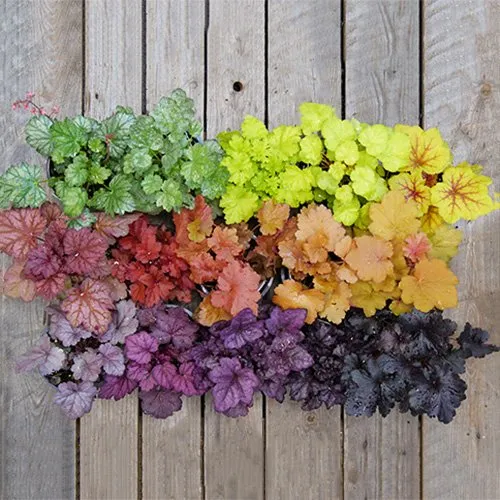
• Heuchera
• Coral bells