Best Tools For Planting Bulbs And Seeds: Top Picks
The best tools for planting bulbs and seeds make spacing, depth, and planting faster, cleaner, and much easier.
Every gardener knows the feeling: a packet of tiny seeds slips through your fingers, or a bed of tulip bulbs leaves your back sore after an afternoon of digging. The right dibber or bulb planter turns that hard work into a simple rhythm. I tested these planting tools by looking at depth marks, grip, reach, soil use, and ease of cleaning. This guide covers the best tools for planting bulbs and seeds for raised beds, lawns, borders, containers, and small home gardens.
FLORA GUARD Steel Garden Dibber

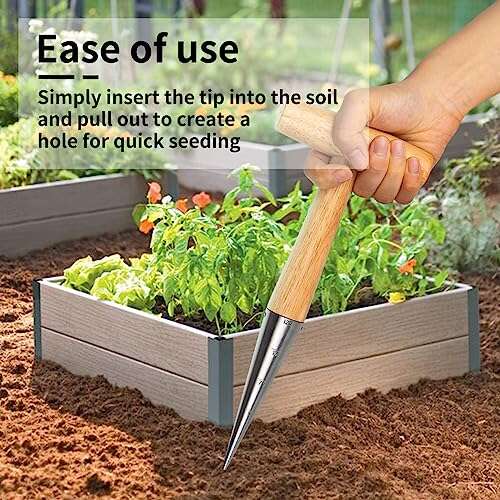
The FLORA GUARD Garden Dibber is a simple hand tool for making clean holes in loose soil. Its pointed steel shaft helps create openings for seeds, seedlings, bulbs, and plant labels. The wood handle gives it a warm, classic feel that many gardeners prefer over plastic. I like this style because it gives direct control when I need to place seeds at an even depth.
This dibber works best in prepared beds, potting mix, and moist garden soil. It is not a replacement for a large bulb planter in hard turf, but it feels precise in smaller spaces. The narrow point also helps limit soil disturbance around nearby plants. For gardeners who want one compact tool for daily sowing, it offers strong value.
Pros:
- Strong steel point makes neat planting holes
- Wood handle feels comfortable and natural
- Useful for seeds, bulbs, and young plants
- Compact size fits pots and raised beds
- Easy to rinse and store after use
Cons:
- Hand pressure may not be enough for dry clay soil
- No built-in depth scale is shown in the product name
- Small handle may not suit every hand size
My Recommendation
I recommend this dibber for home gardeners who sow seeds often and want a basic, durable tool. It is especially useful for herb beds, vegetable rows, and container gardens. Among the best tools for planting bulbs and seeds, this one stands out for simple control and low storage needs. It is a good choice when you value feel and accuracy more than long reach.
| Best for | Why |
|---|---|
| Seed sowing | The narrow steel tip makes small, clean holes. |
| Raised beds | The hand size gives good control in tight rows. |
| Small gardens | It stores easily and handles many light planting jobs. |
Sukiise Hand Dibber for Seeds and Bulbs
The Sukiise Hand Dibber is made for gardeners who need one pointed tool for many small planting tasks. Its shape suits seed holes, bulb pockets, plant labels, and self-watering stakes. The pointed end lets you work between existing plants without lifting a whole patch of soil. That makes it handy in crowded beds where a trowel feels too wide.
I would use this tool for tulips, daffodils, crocus, beans, and small flower seeds in soft soil. It can also help mark holes before transplanting seedlings. Like most hand dibbers, it performs best after rain or watering, when the soil gives slightly. Its main strength is versatility rather than deep excavation.
Pros:
- Works for both seeds and small bulbs
- Useful for placing labels and watering stakes
- Pointed shape reaches narrow spaces
- Light enough for repeated hand use
- Good fit for borders, pots, and raised beds
Cons:
- Not ideal for rocky or compacted ground
- May require extra pressure for larger bulbs
- Does not provide the reach of a long-handle planter
My Recommendation
This is one of the best tools for planting bulbs and seeds for gardeners who want a multi-use hand dibber. I especially like it for mixed flower borders and small urban gardens. It helps place holes without damaging nearby roots. Choose it if you want a light tool that can handle more than one job.
| Best for | Why |
|---|---|
| Mixed planting | Its pointed end handles seeds, bulbs, labels, and stakes. |
| Crowded flower beds | The slim profile works between established plants. |
| Container gardening | It offers control without moving much potting mix. |
Eadwiella Dibber with Depth Marks

The Eadwiella Dibber adds a feature that many basic planting sticks lack: depth measurements. Its five-inch scale helps gardeners repeat the same planting depth across a row. That matters because seeds planted too deep may struggle to emerge, while bulbs placed too shallow may dry out or tip over. The pointed design supports sowing, transplanting, and small seedling work.
I find depth marks most useful when planting several types of seed in one bed. Rather than guessing with my finger, I can check the mark and keep the row more consistent. The tool also helps beginners learn how deep different crops need to go. It is a practical choice for anyone who wants better planting habits without buying a large kit.
Pros:
- Five-inch markings support consistent depth
- Useful for seeds, seedlings, and small bulbs
- Helps new gardeners avoid guesswork
- Good for repeat rows and organized beds
- Compact design works well in containers
Cons:
- Depth marks may collect soil over time
- Hand design is less suitable for firm lawn soil
- Large bulbs may need a wider planting hole
My Recommendation
I recommend the Eadwiella for beginners, school gardens, and anyone who wants even seed depth. Of all the best tools for planting bulbs and seeds, this is among the easiest for learning proper spacing and depth. It is also useful for experienced gardeners who plant many rows. The measurements make a small tool feel much more dependable.
| Best for | Why |
|---|---|
| New gardeners | The depth scale reduces guesswork. |
| Vegetable rows | Repeated holes can stay at a similar depth. |
| Seedling planting | The slim point makes controlled holes near roots. |
FLORA GUARD Bulb Planter with Markers

The FLORA GUARD Bulb Planter is built for making wider holes than a narrow dibber. Its cup-style design removes a plug of soil, giving tulip, daffodil, and similar bulbs room to sit flat. Depth markers help you repeat the correct planting level across a bed. This approach can save time when you plant a large group of spring bulbs.
The removed soil can often be returned over the bulb with less mess than hand digging. I still recommend loosening hard ground first, since no small planter can replace proper soil preparation. The tool is most effective in garden beds and softer lawn areas. It suits gardeners who want cleaner holes and more even bulb placement.
Pros:
- Creates a bulb-sized planting hole
- Depth markers support even placement
- Speeds up repeated tulip and daffodil planting
- Removes a neat plug of soil
- Reduces bending compared with hand digging on small jobs
Cons:
- Hard, dry soil can make pressing difficult
- Less useful for tiny seeds than a dibber
- Soil plugs may stick in wet ground
My Recommendation
This is one of the best tools for planting bulbs and seeds when bulbs are your main focus. I would choose it for gardeners planting spring color in beds, borders, or soft turf. The depth marks are a strong benefit for uniform results. It offers good value when you plant more than a few bulbs each season.
| Best for | Why |
|---|---|
| Tulip planting | The wider cup makes a suitable bulb hole. |
| Daffodil beds | Depth marks help keep bulbs at a steady level. |
| Repeated planting | The plug system saves time over individual trowel holes. |
Colwelt Long-Handle Bulb Planter

The Colwelt Long Handle Bulb Planter is designed for gardeners who want more reach and less kneeling. Its long shaft lets you make planting holes while standing, which can reduce strain during a long bulb-planting session. The plugger style is suited to tulips, daffodils, crocuses, and other bulbs that need a wider pocket. It can also remove small plugs from lawn areas.
This tool makes the most sense when you plant many bulbs across open ground. It is less nimble than a hand dibber in a crowded border, but it covers more ground with fewer movements. I recommend watering hard soil before use and clearing stones from the area. With sensible soil preparation, the long handle can make seasonal planting feel far less tiring.
Pros:
- Long handle allows standing work
- Helpful for gardeners with knee or back concerns
- Designed for larger bulb planting jobs
- Can remove plugs from lawn or beds
- Reduces repeated bending and kneeling
Cons:
- Needs storage space because of its longer shaft
- Less precise in crowded planting areas
- Hard ground may still require pre-loosening
My Recommendation
I would choose the Colwelt for large beds, lawn planting, and gardeners who prefer to work while standing. It belongs among the best tools for planting bulbs and seeds for comfort, especially when the job involves many holes. It is not the first tool I would pick for tiny seeds. For seasonal bulb displays, however, its reach can be worth the extra size.
| Best for | Why |
|---|---|
| Large bulb beds | The long handle helps cover ground quickly. |
| Lawn planting | The plugger shape removes neat soil plugs. |
| Reduced bending | Standing use can ease knee and back strain. |
gardmate Stainless Steel T-Handle Dibber

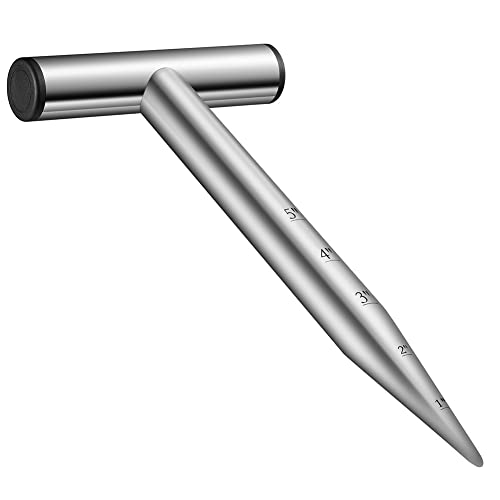
The gardmate Stainless Steel Hand Dibber combines a pointed planting shaft with a T-handle. That top handle gives the hand more leverage than a straight stick, which can help when soil is firm. Depth markings make it easier to create matching holes for seeds, seedlings, and bulbs. Stainless steel also offers a practical advantage because it resists rust when you clean and dry it after use.
I like a T-handle when I need to press down without gripping a thin shaft tightly. The tool remains small enough for raised beds, yet it feels more planted in the hand. It will not cut through heavy roots or rocky soil, but it handles normal garden soil well. This is a strong option for gardeners who want a compact tool with more control.
Pros:
- T-handle improves pushing comfort
- Stainless steel resists rust with normal care
- Depth markings support consistent planting
- Works for bulbs, seeds, and seedlings
- Compact enough for beds and containers
Cons:
- Not a full-size tool for deep lawn planting
- Wet soil may cling around the markings
- Hard stones can slow the planting process
My Recommendation
The gardmate is a smart pick for gardeners who want the control of a hand dibber with a more secure grip. It is one of the best tools for planting bulbs and seeds for raised beds and firm but workable soil. I would also suggest it for older gardeners who find a narrow handle tiring. Its depth marks and stainless steel build make it a dependable daily tool.
| Best for | Why |
|---|---|
| Firm garden soil | The T-handle gives more downward leverage. |
| Frequent use | Stainless steel is easy to clean and maintain. |
| Measured planting | Depth marks help repeat hole depth. |
3-Pack Bulb and Seed Planting Set
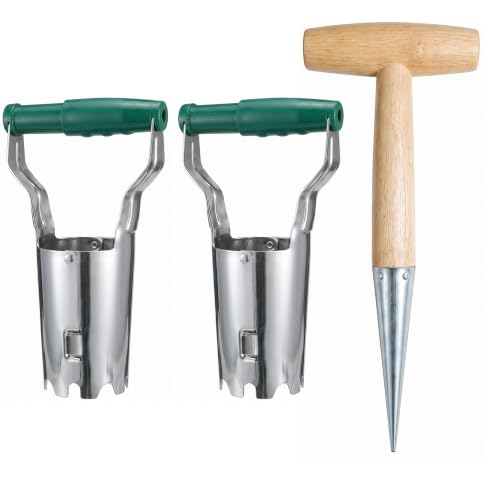
This three-piece planting set gives gardeners two bulb planters and one seed dibber. That mix is useful because bulbs and seeds need different hole shapes. The bulb tools can make wider openings, while the dibber handles small seeds and seedlings. Instead of forcing one tool to do every job, you can choose the right size as you work.
A set can also be useful for family gardening or shared planting days. One person can prepare bulb holes while another sows seeds. The compact hand tools suit containers, raised beds, and small borders. I would not expect them to replace a long-handle planter for a large lawn, but they offer broad value for normal home use.
Pros:
- Includes tools for both bulbs and seeds
- Two bulb planters offer useful size choices
- Good starter set for new gardeners
- Allows two people to work at once
- Fits small gardens and storage areas
Cons:
- Hand tools require kneeling for most work
- May need soil preparation in hard ground
- More pieces mean more tools to clean and store
My Recommendation
I recommend this set for beginners, families, and gardeners who want a flexible kit at a practical price. It is among the best tools for planting bulbs and seeds because it covers both common planting sizes. The set makes a sensible gift for someone starting a garden. Choose it when variety matters more than a single heavy-duty tool.
| Best for | Why |
|---|---|
| New gardeners | It provides several basic planting tools in one set. |
| Family projects | Multiple tools support shared garden work. |
| Mixed flower beds | The set handles both small seeds and bulbs. |
XVBITOR Bend-Free Bulb Planter

The XVBITOR Bulb Planter focuses on reducing bending during planting. Its upright style lets you work from a more comfortable position than a small hand tool. This can matter when you have dozens of bulbs to place or when kneeling feels uncomfortable. The tool is designed for making bulb holes and moving through open planting areas.
I see the greatest benefit in established lawns and wide borders where there is room to stand and press. It is not as delicate as a narrow dibber, so I would use it away from fragile stems and shallow roots. Soil moisture still matters; damp, workable ground gives the best result. For gardeners who want a more comfortable posture, this planter deserves attention.
Pros:
- Designed to reduce bending while planting
- Useful for repeated bulb holes
- Good match for open lawns and borders
- Helps users who dislike kneeling
- Speeds up larger seasonal planting tasks
Cons:
- Requires more storage room than a hand dibber
- Less suitable for tiny seeds
- Can struggle in very hard or stony ground
My Recommendation
The XVBITOR is best for gardeners who want an upright planting method. It is one of the best tools for planting bulbs and seeds for people with knee, hip, or back limits, although seeds are not its main strength. I would pick it for large bulb displays rather than close planting. Its comfort benefit becomes clearer as the number of bulbs grows.
| Best for | Why |
|---|---|
| Standing work | The upright design reduces the need to kneel. |
| Large bulb jobs | It suits repeated holes across open ground. |
| Gardeners with joint pain | A taller tool can make planting less demanding. |
Milifox Green T-Handle Seed Dibber

The Milifox Seed Planter uses a T-handle to give the user a firm grip while making holes. Its green finish is easy to spot among leaves and hand tools. The narrow point works well for seed sowing, transplant holes, and light bulb planting. A T-shaped top also helps spread pressure across the palm during repeated use.
This tool is a good fit for vegetable gardeners who plant beans, peas, flowers, and herbs in neat rows. It offers more leverage than a finger but less soil removal than a bulb cup. I would use it in moist beds where the point can enter smoothly. It is a small tool, but it can make planting feel more orderly and less tiring.
Pros:
- T-handle gives a secure palm grip
- Good for repeated seed holes
- Bright color is easy to find
- Small shape fits raised beds and pots
- Useful for seedling transplant holes
Cons:
- Not designed for wide bulb holes
- Hand use may still require kneeling
- Hard soil can reduce its speed
My Recommendation
I recommend the Milifox for vegetable growers and flower gardeners who sow many small seeds. It ranks among the best tools for planting bulbs and seeds when seed work is the main task. The T-handle is a practical touch for repeated pressing. Pick it over a wide bulb planter when you need neat, narrow holes.
| Best for | Why |
|---|---|
| Vegetable seeds | The narrow point makes clean sowing holes. |
| Raised beds | The compact body works well in close rows. |
| Repeated pressing | The T-handle spreads pressure across the hand. |
Light Green Bulb Planting Tool Set

This light green planting set is made for digging holes, filling them, and moving plants. Its depth marking helps gardeners place tulips, daffodils, and dahlias more evenly. The set format is useful because planting often needs both a hole maker and a way to return soil. It gives a beginner several tools for a simple bulb-care routine.
I like sets that support the full planting process rather than only the first step. After placing a bulb, you can use the tool to guide soil back around it without pressing too hard. The set is suited to flower beds, container work, and small landscape projects. It may feel light for rough ground, but that can make it easier for routine home gardening.
Pros:
- Depth marking helps with even bulb placement
- Supports digging and filling tasks
- Useful for tulips, daffodils, and dahlias
- Good starter option for home gardeners
- Light color and compact design aid storage
Cons:
- Light tools may not suit heavy clay
- More useful for beds than large lawns
- Users must clean the set after damp soil work
My Recommendation
This set suits new gardeners who want a simple group of tools for bulb planting and plant moving. It is one of the best tools for planting bulbs and seeds for small home projects where depth and soil handling both matter. I would use it for a flower border or patio garden. It offers broad everyday value without taking much room.
| Best for | Why |
|---|---|
| Flower borders | It supports even holes for common flowering bulbs. |
| Plant moving | The set helps dig and refill small planting spaces. |
| First-time gardeners | It offers several useful tasks in one package. |
How to Choose the Best Planting Tool
The best tools for planting bulbs and seeds should match your soil, crop, and body comfort. A dibber makes a narrow hole for seeds. A bulb planter removes a wider plug. A long-handle model helps reduce bending, while a hand tool gives better control in tight spaces.
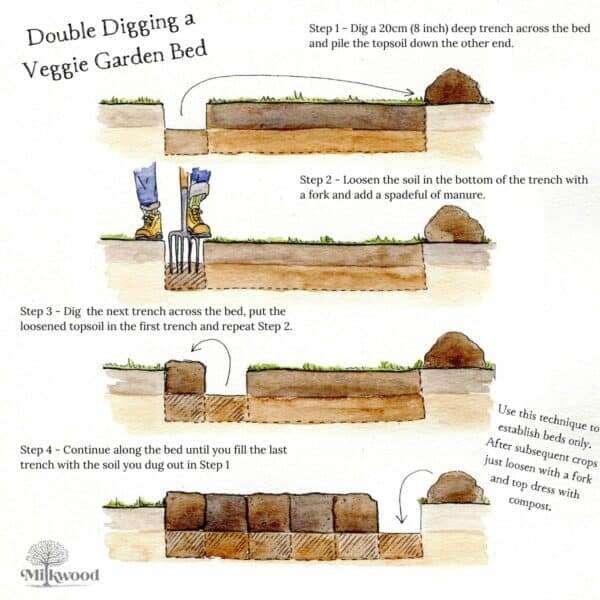
Start with soil condition. Soft, moist soil needs less force and works well with nearly any planting tool. Dry clay, compacted beds, and rocky ground need a garden fork or trowel first. Even a strong planter can bend or stall if you force it into ground that needs preparation.
Depth marks are helpful, but they do not replace planting guidance for each crop. Seed depth depends on seed size, and bulb depth often depends on the bulb type and local climate. Read the packet or bulb label, then use the tool marks to repeat that depth across the bed.
Bulb Planters Versus Seed Dibbers
A bulb planter has a wider cutting end. It creates a pocket that can hold a tulip, daffodil, crocus, or similar bulb. A seed dibber has a slim point. It makes a small hole that limits wasted soil and helps keep tiny seeds at a steady depth.
For mixed gardens, I prefer owning one of each style. The bulb tool handles broad seasonal work, while the dibber handles daily sowing. If storage or budget is tight, a marked hand dibber may be the more flexible first purchase.
Tips for Better Planting Results
Water the bed before planting if the soil feels dry and hard. Do not work wet clay because it can smear and compact around the hole. Place seeds at the depth on the packet, and set bulbs with the pointed end up unless the label says otherwise.
Keep the soil plug near the hole when using a bulb planter. This saves time and helps you refill the opening with the same soil. After planting, firm the surface gently and water as needed. Avoid pressing so hard that you remove air from the root zone.
Clean soil from the shaft after each use. Dry metal before storage, especially if the tool has a steel surface. A small brush can clear soil from depth marks and points. These simple habits help the best tools for planting bulbs and seeds last through many seasons.
FAQs Of best tools for planting bulbs and seeds
What is the best tool for planting small seeds?
A narrow dibber is usually the best choice. It makes small holes without moving too much soil. A model with depth marks can also help new gardeners plant at an even level.
Can I use a seed dibber for flower bulbs?
You can use one for very small bulbs, but large tulip or daffodil bulbs need a wider hole. A bulb planter gives the bulb more room and usually works faster.
Are long-handle bulb planters better for back pain?
They can reduce kneeling and bending, especially during large planting jobs. However, soil must still be loose enough for the tool to enter without extreme force.
Should I plant bulbs in wet soil?
Lightly moist soil is useful because it is easier to work. Avoid planting in sticky, waterlogged clay. It may compact around the bulb and reduce healthy drainage.
How deep should I plant seeds and bulbs?
Follow the seed packet or bulb label. Seed depth varies by seed size. Bulb depth varies by bulb type, soil, and climate, so one fixed rule does not fit every garden.
Final Verdict: Which Should You Buy?
For most home gardeners, the Eadwiella Dibber is the best all-around pick because its depth marks improve seed and seedling work. Choose the FLORA GUARD Bulb Planter for many flower bulbs, or the Colwelt for standing comfort.
The best tools for planting bulbs and seeds make depth, spacing, and soil work easier. Pick the tool that fits your soil and body, and your garden will start with a stronger foundation.

Laura Bennett is a gardening writer at MyGardenLabs who creates beginner-friendly guides focused on solving common plant care and gardening problems.