Best Shovel For Digging Up Roots: Top Picks That Work
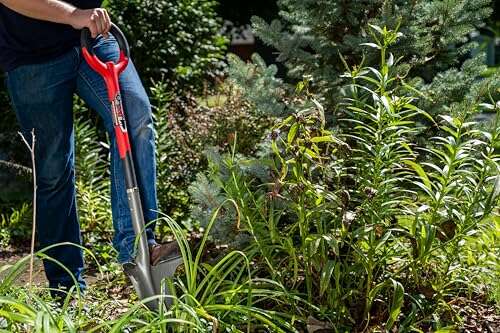
The best shovel for digging up roots has a sharp serrated blade, strong shaft, and comfortable grip for steady leverage.
You know the job: a tree root blocks a new bed, an old shrub refuses to leave, or thick roots wind through hard soil like cables. A flat garden spade may bend, slip, or force you to chop again and again. I tested the key features that matter most for this work, including blade shape, shaft strength, balance, reach, and control. The models below suit different tasks, from deep root removal to light planting and tight garden spaces.
Root Slayer 22011 Garden Shovel

The Root Slayer 22011 is a strong all-purpose choice for gardeners who need to cut through roots without carrying a full mattock. Its pointed blade helps you start a cut in firm soil, while the serrated sides work like a small saw. That design gives it an edge over a plain spade when roots cross the path of your blade.
I like this style of shovel for removing shrubs, dividing crowded plants, and opening holes near established trees. The red finish also makes the tool easy to spot in tall grass or a busy shed. It still needs good foot pressure and careful technique, but the blade shape does much of the cutting work.
Pros:
- Serrated edges help cut small and medium roots
- Pointed blade starts well in compact soil
- Useful for roots, sod, weeds, and garden beds
- Long handle reduces the need to bend deeply
- Bright red finish is easy to find outdoors
- Good choice for general yard work
Cons:
- May feel heavy for light planting jobs
- Serrated edges require careful storage
- Very large roots may still need a saw or loppers
My Recommendation
I recommend the Root Slayer 22011 for homeowners who want one practical tool for common root jobs. It suits shrub removal, border work, and roots that are too tough for a normal digging spade. For many users, it offers the best shovel for digging up roots because it balances cutting power with everyday control. It is a strong value when you want a dedicated root shovel without moving up to a much larger tool.
Root Slayer RS220 Heavy Duty Shovel

The Root Slayer RS220 is built for gardeners who expect hard soil and stubborn roots. Its serrated blade gives you a cutting edge on both sides of the digging motion. That matters when a root lies across the hole and a smooth blade keeps sliding over it.
This model makes sense for larger shrubs, neglected beds, and repeated yard work. The heavy-duty design can feel more substantial than a basic spade, which is helpful when you need leverage. However, that extra weight may not suit someone who only plants annual flowers or works in loose soil.
Pros:
- Heavy-duty design suits demanding digging
- Serrated blade helps slice through tangled roots
- Good leverage for stubborn soil and sod
- Useful for clearing overgrown garden areas
- Black finish gives it a clean, rugged look
- Works for digging, edging, and root cutting
Cons:
- Heavier than a standard garden spade
- May be more tool than casual gardeners need
- Hard use still requires safe body position
My Recommendation
The RS220 is best for people who regularly remove shrubs, clear rough ground, or work in soil packed with roots. I would choose it when strength matters more than low weight. It can be the best shovel for digging up roots for a serious home gardener because its serrated profile supports both digging and cutting. Keep it clean and dry after use, and it should remain a dependable yard tool.
Jardineer 45-Inch Root Shovel
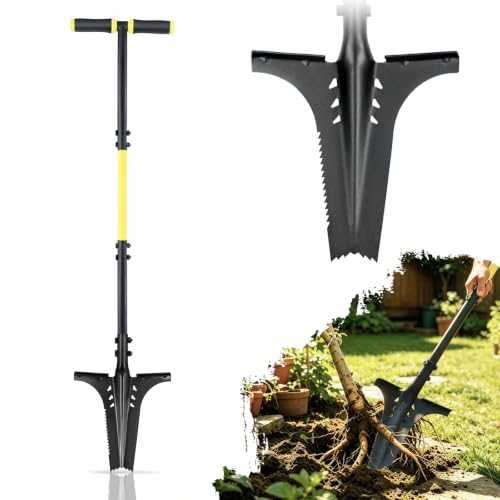
The Jardineer Thickened Root Shovel offers a long 45-inch format for users who want more reach. Its serrated digging blade is made for soil that contains roots, weeds, and tough plant matter. The longer shaft can also reduce repeated bending during a large clearing job.
In practice, reach helps when you need to work around thorny shrubs or dig at the back of a deep bed. A long handle can provide useful leverage, though it may feel less nimble in a small raised bed. I see this model as a good fit for open yards, landscaping projects, and users who prefer a full-length spade.
Pros:
- 45-inch length gives useful digging reach
- Serrated edge helps work through roots
- Thickened construction suits hard yard work
- Reduces bending for taller users
- Helpful for large beds and open ground
- Can handle digging, trenching, and clearing
Cons:
- Long handle may feel awkward in tight spaces
- May require more storage room
- Large roots still need a separate cutting tool
My Recommendation
I recommend this Jardineer shovel for taller gardeners and anyone clearing a wide area. Its length is the main benefit, especially when you need to dig deep or reach behind plants. It may be the best shovel for digging up roots if back comfort and full-size leverage rank high on your list. Choose a shorter model instead if you mainly work in containers or narrow beds.
Root Slayer 23311 Perennial Shovel

The Root Slayer 23311 combines a serrated root-cutting blade with a fiberglass shaft. Fiberglass is a popular shaft material because it does not rust like steel and can absorb some shock during use. This makes the tool appealing for gardeners who want a durable handle for regular outdoor work.
The perennial format is useful for digging around established plants and removing stubborn growth from garden borders. Its red color improves visibility, which is a small but welcome feature when tools often disappear in mulch. I would use it for plant division, root-bound beds, and general landscape repair.
Pros:
- Fiberglass shaft resists rust
- Serrated blade supports root cutting
- Useful around perennial beds and shrubs
- Bright color improves tool visibility
- Good balance of reach and control
- Suitable for repeated seasonal use
Cons:
- Not ideal for very tight planting spaces
- Fiberglass can still suffer damage from abuse
- May feel larger than needed for small tasks
My Recommendation
The Root Slayer 23311 is best for gardeners who care about shaft durability and work around established plants. I would pick it for perennial beds, shrub borders, and regular seasonal maintenance. It is a strong candidate for the best shovel for digging up roots when you want a fiberglass shaft and a specialized blade. It also offers a sensible mix of comfort, reach, and root-cutting ability.
ZIKUPOL Double-Serrated Root Shovel

The ZIKUPOL root shovel stands out with double serrated blades and a 46-inch length. That combination gives it a broad role in trenching, digging, planting, and root removal. The two-sided tooth pattern can help when you pull or push the blade through soil and fibrous plant growth.
The long format suits users who want reach and a strong standing position. It may also help during metal detecting or other ground work where you need to cut a narrow path. Still, a 46-inch tool takes more space and may feel less precise in a crowded flower bed.
Pros:
- Double serrated blades offer cutting action on both sides
- 46-inch length provides strong reach
- Useful for trenching and root removal
- Can serve several outdoor digging tasks
- Good option for open yards and rough ground
- Helps reduce deep bending during work
Cons:
- Long length may be hard to control in tight beds
- Requires more storage space than a short spade
- Double edges need careful handling
My Recommendation
I recommend the ZIKUPOL for users who want one long tool for several types of ground work. It fits trenching, root cutting, planting, and broad yard projects better than delicate garden tasks. For someone who values reach and cutting contact, it could be the best shovel for digging up roots. Make sure your storage area can hold the 46-inch shaft before buying.
HANTOP Sawtooth Garden Shovel

The HANTOP sawtooth garden shovel takes a simple approach to root work. Its round shovel shape helps you remove soil, while the sawtooth edge gives you extra bite against roots and thick weeds. This can be useful when a smooth round blade keeps getting caught on plant fibers.
I see this as a flexible choice for home gardens, landscaping, and routine digging. The sawtooth design supports cutting, but it does not turn the shovel into a replacement for a pruning saw on thick woody roots. It works best when you pair steady foot pressure with short, controlled movements.
Pros:
- Sawtooth edge helps break through fibrous roots
- Round blade works well for soil removal
- Useful for planting and general digging
- Good choice for weeds and compact garden growth
- Simple shape feels familiar to most gardeners
- Versatile tool for routine yard work
Cons:
- May not match a dedicated heavy-duty root shovel
- Thick roots may require a saw
- Sawtooth edge needs careful cleaning
My Recommendation
The HANTOP is best for gardeners who want a root-capable spade for normal home use. It makes sense if you also need to plant, move soil, and edge beds. I would call it a practical best shovel for digging up roots when versatility matters more than maximum force. It is a good fit for moderate root work and everyday garden chores.
Root Slayer RS233 Perennial Shovel
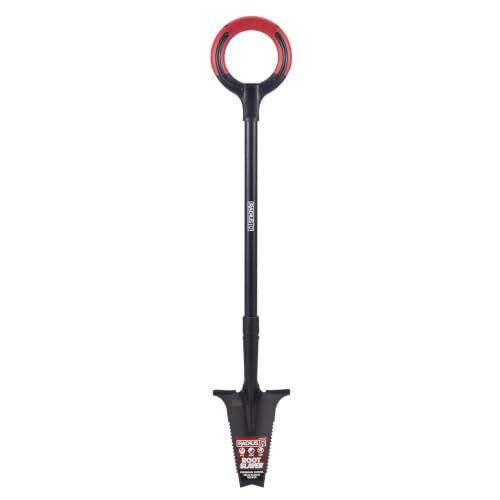
The Root Slayer RS233 is the black version of a perennial-style root shovel with a fiberglass shaft. It targets the same kind of work as shrub removal, plant division, and digging through root-filled beds. The serrated blade gives you a cutting surface that a standard smooth spade cannot provide.
The fiberglass shaft is a useful feature for wet climates and regular garden use because it does not rust. I also like this style for gardeners who want a firm tool without choosing a metal handle. It remains important to avoid twisting the shaft sideways, since even strong garden tools work best when you drive them straight into the soil.
Pros:
- Fiberglass shaft resists rust and moisture damage
- Serrated blade helps cut roots during digging
- Perennial design suits established garden beds
- Black finish hides soil marks between cleanings
- Useful for shrubs, borders, and plant division
- Offers good control for repeated garden work
Cons:
- Not the smallest choice for close planting
- Users may prefer a lighter trowel for small roots
- Large woody roots need a separate saw
My Recommendation
I recommend the RS233 for home gardeners who want a durable fiberglass-shaft tool in a dark finish. It is especially useful for perennial beds and regular landscape care. If you want the best shovel for digging up roots but prefer a fiberglass handle, this model deserves close attention. Its design offers a dependable middle ground between a basic spade and a heavy digging bar.
Root Slayer 16011 Heavy-Duty Trowel

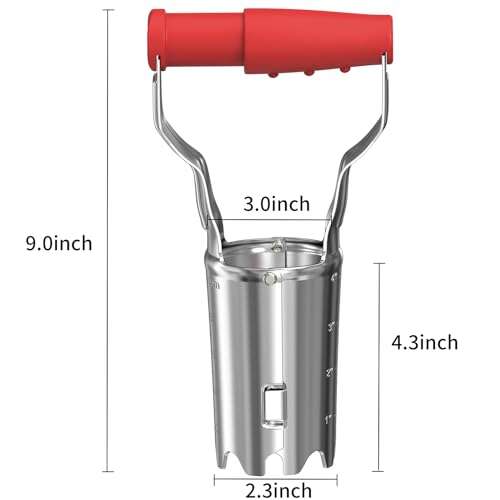
The Root Slayer 16011 is a heavy-duty garden trowel rather than a full-length shovel. That smaller size gives you much more control around plants, stones, raised beds, and narrow gaps. Its compact format can reach roots that a full spade cannot approach without damaging nearby plants.
I would use this tool for small roots, transplanting, weed removal, and detailed bed work. It is not the right choice for cutting a large tree root or opening a deep hole in hard ground. Think of it as a precise root tool that works alongside a full-size shovel.
Pros:
- Compact size gives excellent control
- Useful in raised beds and containers
- Works around plants with less disruption
- Heavy-duty design suits firm garden soil
- Easy to carry and store
- Helpful for small roots and stubborn weeds
Cons:
- Not suitable for deep or large-scale digging
- Requires kneeling or bending for most jobs
- Small blade cannot replace a full-size root shovel
My Recommendation
The Root Slayer 16011 is best for detail work. Choose it for containers, raised beds, tight borders, and small roots near plants you want to keep. It is not the best shovel for digging up roots across a whole yard, but it may be the best compact root tool for careful gardeners. Its value comes from control, not reach or raw force.
Root Slayer 22311 Nomad Garden Spade

The Root Slayer 22311 Nomad is a serrated garden spade made for gardeners who want a more portable digging tool. Its spade shape helps with planting and edging, while the serrated edge gives it added ability against roots and dense sod. The Nomad format is appealing for smaller yards, allotments, and garden projects away from home.
A portable spade should still give you enough leverage to work safely. This model suits moderate digging better than extreme demolition work, especially when you need to carry the tool between locations. I would keep it in a vehicle or garden kit for quick root removal, planting, and bed repair.
Pros:
- Serrated edge supports root and sod cutting
- Spade shape handles normal planting tasks
- Portable design suits travel and small gardens
- Useful for edging and border work
- More versatile than a root-only tool
- Good choice for moderate digging jobs
Cons:
- May not offer the reach of a full-length shovel
- Less suited to very deep root removal
- Moderate size may not fit every user
My Recommendation
I recommend the Nomad for gardeners who need a root-capable spade they can carry easily. It suits allotments, compact yards, camping kits, and small landscaping jobs. For portable work, it can be the best shovel for digging up roots because it combines a serrated edge with everyday spade use. It offers strong practical value when storage space and mobility matter.
Best Features at a Glance
| Best for | Why |
|---|---|
| Heavy root removal | The Root Slayer RS220 and 22011 use serrated blades for firm soil, sod, and stubborn roots. |
| Long reach and less bending | The Jardineer and ZIKUPOL models offer long shafts for deep beds and open ground. |
| Small or detailed garden work | The Root Slayer 16011 trowel and Nomad spade give better control in tight spaces. |
How to Choose the Best Shovel for Digging Up Roots
Root removal is not just about buying the sharpest-looking blade. The right tool must match the root size, soil type, planting space, and amount of force you can safely use. A small root in loose soil needs a very different shovel from a thick woody root in dry clay.
Choose a Serrated Blade
A serrated edge gives the shovel teeth that can grip and saw through fibrous roots. It works best with short strokes rather than wild swings. The teeth also help with sod, weeds, and compact plant matter, so the tool stays useful after the root job ends.
A serrated shovel does not replace a pruning saw for thick roots. If a root is too large to cut with controlled shovel pressure, expose it first, then use a hand saw or loppers made for that material. This approach protects the tool and reduces strain on your back and shoulders.
Look for a Strong Shaft
The shaft transfers your force to the blade. A weak or loose connection can waste energy and make the shovel unsafe. Fiberglass shafts resist rust and suit wet garden conditions, while metal shafts can offer a firm, solid feel when properly built.
Check the connection between the blade and shaft before each major job. Do not use a shovel with a cracked handle, loose socket, or badly bent blade. Even the best shovel for digging up roots cannot work well if its parts do not stay aligned.
Think About Length
A full-length shovel helps you stand upright and gives more leverage. That is useful in open ground and deep beds. Long models such as the 45-inch Jardineer and 46-inch ZIKUPOL can reduce bending, but they need more room to swing and store.
Short tools offer better control around plants, fences, and raised beds. The Root Slayer trowel is a good example. Use a long shovel for force and reach, then switch to a compact tool when the root sits close to a plant you want to save.
Match the Blade to the Soil
Pointed blades start more easily in hard or dry soil. A round spade moves loose soil well and can make smooth planting holes. Serrated sides add cutting power, but they still need a strong push and good footing in compact ground.
Before digging, water dry soil lightly if local conditions allow. Wait long enough for moisture to move into the ground, but do not turn the bed into mud. Soil with moderate moisture often gives the best mix of cutting ease and stable footing.
Use Safe Root-Digging Technique
Call your utility marking service before digging near a house, fence, or buried line. In the United States, many areas use the 811 service for utility marking. Roots can also grow near pipes, cables, and foundations, so never assume an area is clear.
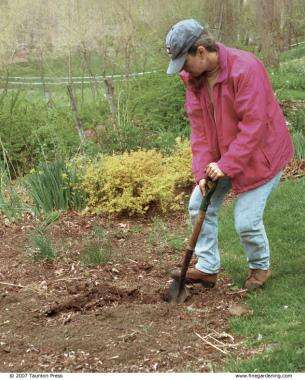
Stand with both feet stable. Place one foot on the blade step and push down with your leg rather than jumping on the shovel. Work around the root from more than one side, and lift soil with your legs while keeping the load close to your body.
Do not twist a loaded shovel sharply. Twisting stresses the shaft, blade joint, and your lower back. If the blade will not cut the root with steady force, expose more of the root or use a proper saw.
Maintain Your Root Shovel
Clean soil from the blade after each use. A stiff brush removes packed dirt from serrated teeth. Dry the metal before storage, especially if you work in a wet climate or leave tools in an unheated shed.
Inspect the blade edge and shaft at the start of each season. A small amount of surface rust can often be removed, but deep corrosion, cracks, or a loose handle call for replacement. Store serrated tools where children cannot reach the cutting edge.
FAQs Of best shovel for digging up roots
What type of shovel is best for cutting roots?
A shovel with a pointed, serrated blade is usually the best choice. The point starts the hole, while the teeth help cut fibrous roots. Very thick roots may still need a pruning saw.
Can a regular spade remove tree roots?
A regular spade can expose small roots and cut some thin ones. It may struggle with thick or woody roots because its smooth edge can slide over them. Use a serrated root shovel for better control.
Is a long or short shovel better for roots?
A long shovel gives more reach and leverage in open ground. A short shovel gives better control near plants, walls, and raised beds. Many gardeners benefit from having one full-size shovel and one compact tool.
Should I wet the soil before digging roots?
Lightly moist soil is often easier to dig than bone-dry soil. Avoid digging in saturated mud, since it can compact the bed and reduce footing. Always follow local water rules and garden conditions.
How do I remove a root without harming nearby plants?
Expose the root slowly with a narrow tool. Cut only the section that blocks your work, and avoid tearing the root from the plant you want to keep. A compact trowel can provide better control than a full-size shovel.
Final Verdict: Which Should You Buy?
For most homeowners, I recommend the Root Slayer 22011 as the best shovel for digging up roots. Its serrated blade, pointed shape, and useful all-purpose design handle common shrub and garden root jobs well.
Choose the RS220 for heavy work, the Jardineer or ZIKUPOL for reach, and the Root Slayer 16011 for tight beds. Match the shovel to the root, soil, and space for safer, faster work.

Laura Bennett is a gardening writer at MyGardenLabs who creates beginner-friendly guides focused on solving common plant care and gardening problems.