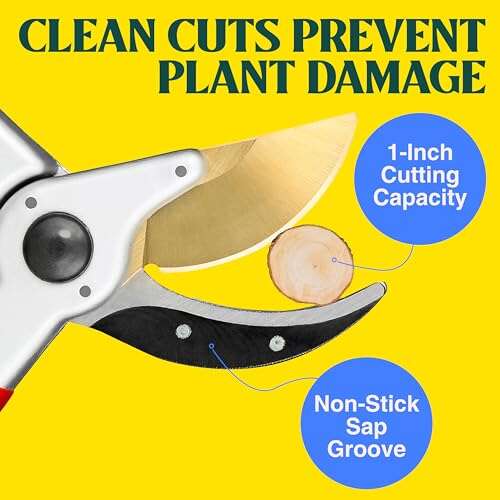
Best Bypass Pruner For People With Arthritis: Easy Picks
The best bypass pruner for people with arthritis is sharp, light, comfortable, and easy to squeeze.
Gardening can feel like a joy until a stiff hand meets a tough stem. A tight spring, thin handle, or dull blade can turn a quick trim into hand pain. I tested the features that matter most for sore joints: grip comfort, blade sharpness, spring action, handle size, lock placement, and cutting power. The right bypass pruner should feel like a smooth handshake, not a wrestling match. Below, I compare popular hand pruners for roses, herbs, shrubs, and small branches so you can find a tool that saves effort and keeps gardening enjoyable.
Haus & Garten ClassicPRO Titanium Pruner
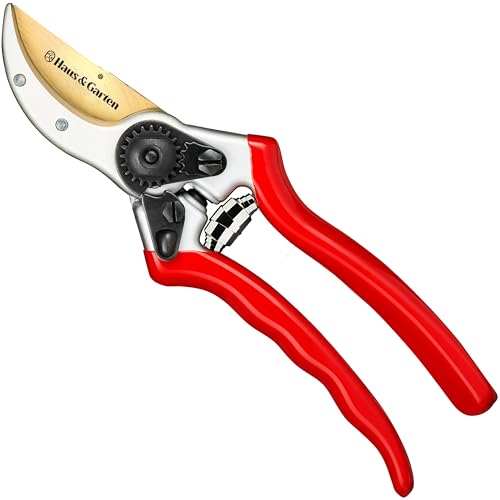
The Haus & Garten ClassicPRO is a strong, well-balanced bypass pruner for daily garden work. Its titanium-coated blades resist rust and move cleanly past each other instead of crushing soft stems. The 8.5-inch size gives good reach without feeling like a long tool. In my view, the smooth cut and solid grip make it a strong choice for anyone who wants less hand strain.
This pruner suits roses, fruit branches, vines, and green wood up to its practical cutting limit. The spring helps the handles open after each cut, which can reduce repeated finger work. The safety lock also sits in a useful place for storage, though users with very weak fingers may need time to get used to it. Overall, it feels like a dependable workhorse for gardeners who want comfort and power in one tool.
Pros:
- Sharp titanium-coated bypass blades
- Comfortable size for many adult hands
- Strong build for regular garden use
- Spring action helps open the handles
- Useful safety lock for storage
- Good balance between reach and control
Cons:
- May feel large for very small hands
- Firm action may still challenge severe arthritis
- Needs cleaning and oil after wet use
My Recommendation
I recommend the ClassicPRO to gardeners with mild to moderate hand pain who still want a sturdy manual pruner. It is especially useful for roses, shrubs, and small woody growth where a light tool may feel weak. The blade coating adds useful rust protection, while the long handle gives extra leverage. For many users seeking the best bypass pruner for people with arthritis, this model offers a strong mix of comfort, control, and value.
gonicc 8-Inch Professional Bypass Shears
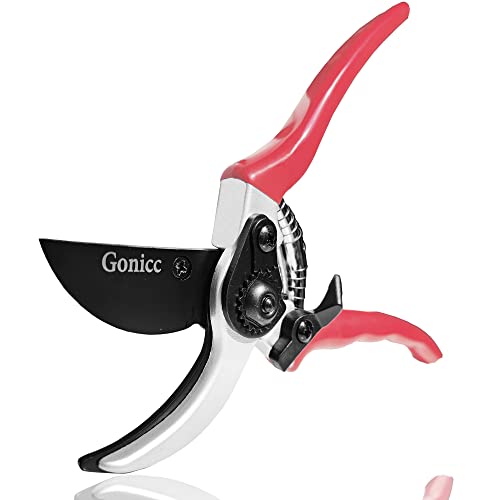
The gonicc GPPS-1002 is a compact bypass pruner with a sharp cutting edge and a familiar hand-pruner shape. Its 8-inch body feels easier to control than a larger shear, especially when trimming close to a stem. I like this size for gardeners who need precision more than maximum leverage. It can handle common tasks such as deadheading, shaping herbs, and cutting thin branches.
The handle design gives the hand a firm place to rest during repeated cuts. That matters because a pruner that slips can make the user squeeze harder than needed. The return spring helps the jaws reopen, but the tool still requires a normal hand grip. It is not a ratchet or electric pruner, so people with advanced arthritis may prefer a powered or ratcheting option.
Pros:
- Compact 8-inch design
- Sharp blade for clean plant cuts
- Easy to guide around crowded stems
- Suitable for flowers, herbs, and light branches
- Spring return reduces some hand motion
- Good choice for routine trimming
Cons:
- Less leverage than a longer pruner
- Not ideal for thick, hard branches
- May require more squeeze force than a ratchet model
My Recommendation
The gonicc is best for users with small or medium hands who want a simple and nimble garden tool. I would choose it for light pruning, deadheading, and plant care around raised beds. Its compact size can help reduce wrist twisting, which is a common source of discomfort. It can be the best bypass pruner for people with arthritis when the condition is mild and precise control matters most.
Ultra Sharp Japanese Steel Arthritis Pruner

This Ultra Sharp Japanese steel pruner focuses on low-effort cutting. Its sharp blade is made to pass through stems with less force, which can help when fingers and knuckles feel tender. The titanium coating adds resistance to sap and surface rust. The tool is advertised for cuts up to three-quarters of an inch, but actual results depend on the plant type, branch age, and the user’s grip.
I find the design appealing for gardeners who want a manual tool but cannot tolerate a dull or stiff blade. A clean blade does more than save effort; it also helps reduce crushed plant tissue. The handles offer enough room for a steady grip, although people with very small hands should check the opening before buying. This pruner is a good reminder that sharpness often matters more than brute force.
Pros:
- Very sharp Japanese steel cutting edge
- Designed to reduce cutting effort
- Titanium coating helps resist rust
- Useful stated capacity for many garden stems
- Good fit for users who dislike heavy tools
- Clean bypass action supports healthy pruning cuts
Cons:
- Sharp blades need careful storage
- Large woody branches may still need a lopper
- Handle fit may not suit every hand size
My Recommendation
I recommend this model for gardeners whose main problem is the force needed to start a cut. It is a strong candidate for the best bypass pruner for people with arthritis because the sharp blade can reduce the squeeze needed for common stems. It works well for flowers, green shoots, and small branches. Keep the blade clean and dry, and it should provide good value for light to medium garden work.
DECERK 8.5-Inch Professional Pruner

The DECERK professional pruner is built around an 8.5-inch format and a claimed three-quarter-inch pruning capacity. Its longer body can provide more leverage than a short floral snip. That extra reach may help users cut without bending the wrist as much. The bypass blade is suited to live stems, green wood, and routine shrub care.
In use, the main benefit is the balance between reach and hand control. It feels substantial without becoming a full-size lopper. The blade should still meet the branch cleanly; forcing any pruner through a branch can increase joint stress and damage the plant. I suggest using two hands for stubborn wood rather than squeezing harder with one painful hand.
Pros:
- Helpful 8.5-inch reach
- Good leverage for medium pruning jobs
- Designed for cuts up to three-quarters of an inch
- Useful for shrubs, roses, and fruit plants
- Bypass design makes clean live-stem cuts
- Solid choice for general garden maintenance
Cons:
- May feel too large for small hands
- Hard branches can still require high effort
- Manual spring action may not suit severe joint weakness
My Recommendation
The DECERK is best for gardeners who want more leverage but do not want to carry a long lopper. It suits medium garden jobs and users with average or large hands. If wrist bending causes pain, the longer handle may help keep the cutting motion more natural. As a best bypass pruner for people with arthritis, it is most suitable when comfort comes from leverage rather than from a ratchet mechanism.
Haus & Garten ForgedPRO Heavy-Duty Pruner
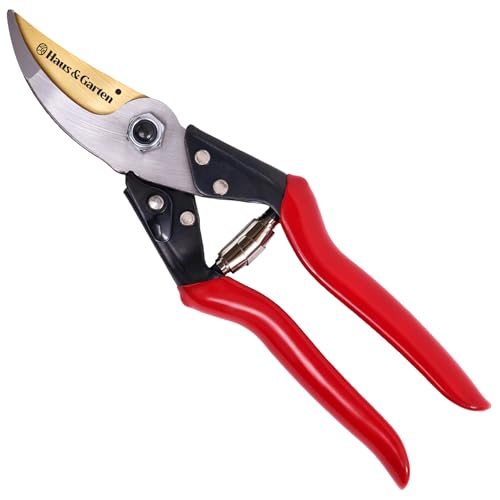
The Haus & Garten ForgedPRO is the heavy-duty choice in this group. Its forged construction and 8.75-inch body are made for users who expect a firm, durable hand tool. The longer handle can create useful leverage on thick stems. The titanium blade coating also helps the tool stand up to sap, moisture, and regular outdoor use.
This pruner is not the lightest option, so I would not pick it only because of arthritis. However, the extra strength can reduce the need to switch tools during a pruning session. A strong blade that stays aligned is less frustrating than a thin tool that flexes on every cut. Users should take short breaks, keep the wrist straight, and avoid using this pruner beyond its safe capacity.
Pros:
- Heavy-duty forged construction
- Long handle offers added leverage
- Durable titanium-coated blade
- Suitable for demanding garden maintenance
- Stable feel during woody cuts
- Good option for frequent gardeners
Cons:
- Heavier than compact pruners
- May tire a weak hand during long sessions
- Not the best fit for very small hands
My Recommendation
I recommend the ForgedPRO for experienced gardeners who need strength and who have enough hand control to manage a heavier pruner. It is best for thicker stems, dense shrubs, and regular yard care. People with severe arthritis may find its weight tiring, even though the leverage is helpful. For the right user, it offers strong long-term value and a tough build that can handle frequent work.
Ultra Sharp Dual-Opening Hedge Pruner

This Ultra Sharp hedge clipper adds a dual-size opening to its arthritis-friendly design. That feature can help the user choose a smaller opening for thin stems or a wider opening for larger growth. The adjustable approach is useful because one fixed handle position does not fit every plant or hand. Its rust-resistant coating also helps protect the blade during normal garden use.
The sharp cutting edge is the main reason to consider this model. A sharp bypass pruner cuts like a zipper closing, while a dull one feels more like tearing cloth. The larger opening may benefit users with limited finger movement, but it can also feel less compact than a small flower pruner. I would use it for mixed garden jobs where branch size changes often.
Pros:
- Dual-size opening adds cutting flexibility
- Sharp blade helps lower squeeze effort
- Rust-resistant coating supports outdoor use
- Useful for both thin and medium stems
- Good option for mixed pruning tasks
- Designed with weak-hand users in mind
Cons:
- Opening adjustment may take practice
- Wider design may feel bulky to small hands
- Not a replacement for a lopper on large limbs
My Recommendation
This model is best for users who care about flexible cutting and want one pruner for several stem sizes. It may be the best bypass pruner for people with arthritis who struggle with a fixed, narrow handle opening. I like it for flower beds, light hedges, and mixed shrubs. Choose it when adjustability matters more than the smallest possible tool size.
Gerossi Ratchet Pruning Shears
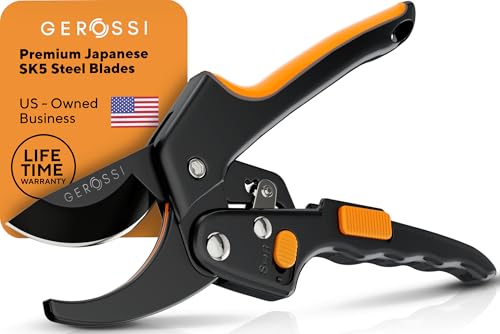
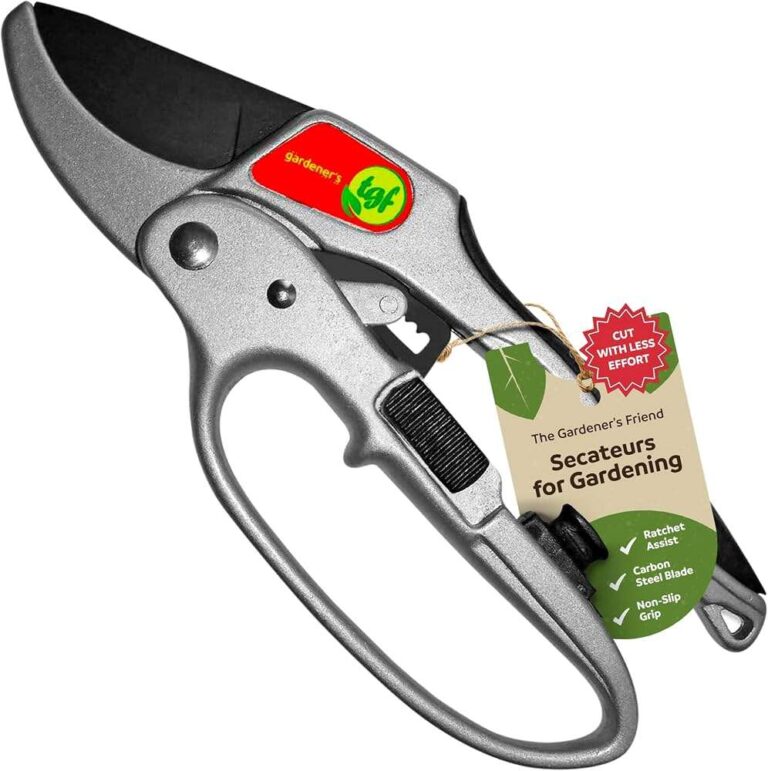
The Gerossi ratchet pruner uses a staged cutting motion rather than asking the hand to close the blades in one hard squeeze. The ratchet catches the cut, then lets the user squeeze again from a shorter distance. This design can make thick stems feel much easier for people with weak grip strength. It is one of the most arthritis-friendly styles in this comparison.
The trade-off is speed. A ratchet pruner may need several squeezes for one branch, so it is slower than a standard bypass shear. Still, slow and steady often beats a painful squeeze that ends the gardening session early. I would use this model for woody stems, roses, and small branches when joint comfort matters more than fast trimming.
Pros:
- Ratchet action reduces peak hand force
- Helpful for weak grip strength
- Good for thicker stems and small branches
- Lets the user pause between cutting stages
- Can extend comfortable gardening time
- Strong choice for moderate arthritis symptoms
Cons:
- Slower than a standard bypass pruner
- May feel unfamiliar at first
- Extra mechanism can add weight and bulk
My Recommendation
I would place the Gerossi near the top for users whose main limit is grip strength. It is a strong candidate for the best bypass pruner for people with arthritis because the ratchet spreads one hard cut across several easier motions. It is especially useful for older gardeners and anyone recovering from hand strain. If you value comfort over speed, this is one of the smartest styles to consider.
Corona ComfortGEL Bypass Pruner

The Corona BP 3214D ComfortGEL focuses on the place where arthritis users notice a pruner first: the handle. Its cushioned grip helps soften pressure against the palm during repeated cuts. The bypass blade has a stated three-quarter-inch cutting size, which covers many common pruning jobs. Corona also has a long history of making hand tools for garden and landscape work.
The ComfortGEL handle does not remove the need for hand strength, but it can make each squeeze feel less harsh. I like this model for gardeners who get palm soreness or pressure marks from hard plastic handles. The red design is easy to spot in grass or leaf litter. Keep the blade clean and sharp, since even a comfortable grip cannot compensate for a dull edge.
Pros:
- Cushioned ComfortGEL handle
- Helps reduce palm pressure
- Three-quarter-inch stated cutting capacity
- Trusted garden-tool brand
- Easy-to-see red color
- Good for everyday trimming and deadheading
Cons:
- Standard bypass action still needs hand strength
- Grip may feel large for small hands
- Not as force-saving as a ratchet pruner
My Recommendation
The Corona ComfortGEL is best for gardeners whose pain comes from handle pressure rather than from every cutting motion. It offers a soft contact point and a practical cutting range for home landscapes. I would choose it for roses, shrubs, and seasonal cleanup. It may be the best bypass pruner for people with arthritis who want a familiar, simple tool from an established garden brand.
Felco F6 Swiss-Made Pruning Shears
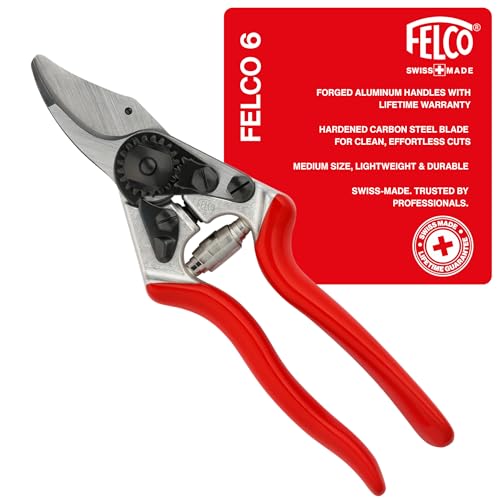
The Felco F6 is a compact Swiss-made pruner designed for medium hands. It uses a precision bypass blade, forged aluminum handles, and replaceable parts. That serviceable design sets it apart from many low-cost pruners that become disposable after the blade wears. The F6 feels precise and controlled, which is valuable when a user needs to make fewer, cleaner cuts.
Felco pruners reward proper fit and care. The adjustable cutting head can help users fine-tune the handle feel, but the tool may take a little learning. It is not a ratchet model, so it does not directly multiply hand force. However, the sharp blade, balanced shape, and smooth action can reduce wasted effort. For serious gardeners, the repairable design may justify the higher price.
Pros:
- Compact fit for medium hands
- Precision bypass cutting action
- Forged aluminum handles
- Replaceable parts support long service
- Adjustable cutting-head alignment
- Excellent choice for careful, clean pruning
Cons:
- Higher price than basic pruners
- Needs maintenance for best performance
- Not designed to multiply grip force
My Recommendation
I recommend the Felco F6 for gardeners who want a long-term tool and have medium-size hands. It is especially good for users who value repairability, blade quality, and precise control. The smaller body may reduce awkward hand spread, but users with severe weakness may still need a ratchet design. For durability and fit, this is a premium choice among options for the best bypass pruner for people with arthritis.
Fiskars PowerGear Pruner 7936

The Fiskars PowerGear 7936 uses a geared cutting system to increase leverage near the start of the cut. That design can help the user handle thicker stems with less effort than a basic hand pruner. The bright orange body is easy to find, and the tool has a familiar shape for home gardeners. It is a practical choice when a standard shear feels too demanding but a ratchet tool feels too slow.
PowerGear pruners work best when the user keeps the branch deep in the cutting zone and lets the mechanism do its job. The gear system adds bulk, so this is not the lightest option for delicate flower work. Still, the extra mechanical help can be meaningful for sore hands. I would keep it clean and check the blade often because dirt can affect the smooth feel of the gear action.
Pros:
- Gear system adds cutting leverage
- Helpful for thicker stems
- Bright color improves visibility
- Can reduce effort versus basic shears
- Good fit for home landscape work
- Useful middle ground between standard and ratchet pruners
Cons:
- Bulkier than a simple bypass shear
- May not fit very small hands
- Gear action needs regular cleaning
My Recommendation
The Fiskars PowerGear is one of my top picks for gardeners who need mechanical help but still want quick, one-motion cuts. It is a strong option for moderate arthritis and medium branches. The geared action can make the first part of the cut feel easier, though the tool still needs a controlled grip. If you want the best bypass pruner for people with arthritis with extra leverage, this model deserves close attention.
How I Choose a Bypass Pruner for Arthritis
A good arthritis-friendly pruner starts with the blade. Bypass blades work like scissors: one curved blade passes a second blade and makes a clean cut. This design is usually better for live stems than anvil pruners, which crush plant material against a flat surface. A clean cut matters because crushed tissue can heal more slowly and may leave a rough wound.
I also look at the force needed to close the handles. A sharp blade can lower effort, but the blade must stay sharp after use. Ratchet and geared tools add mechanical help. They can make a big difference for weak hands, yet they may be slower or heavier. The best choice depends on whether pain comes from grip force, palm pressure, wrist movement, or tool weight.
Handle fit is just as important as blade steel. If the handles spread too far, the user may overstretch the fingers. If they are too short, the hand may lose leverage. A soft grip can reduce pressure, while a textured grip can prevent slipping. I always suggest trying several hand positions and using the pruner with the wrist in a neutral, straight line.
Key Features to Check Before Buying
Sharpness: A sharp blade should enter the stem without a long struggle. Dull edges increase force and can crush the branch. Look for a pruner with a replaceable or serviceable blade when possible.
Cut capacity: Product listings often state a maximum size, such as three-quarters of an inch. Treat that number as a guide, not a promise for every branch. Hard, dry wood takes more effort than soft green growth of the same size.
Handle size: Medium and small hands often need a compact pruner. Large handles can force the fingers apart and make the hand tire fast. If possible, compare the tool’s length and opening with a pruner you already find comfortable.
Spring action: A spring that reopens the handles can reduce repeated finger work. It should feel smooth, not stiff or jerky. Keep the spring area free of sap and dirt.
Grip material: Cushioning helps protect the palm. A rubber or gel grip can also stop slipping when the hand is tired. Avoid a handle that feels slick, sharp, or narrow.
Lock placement: The lock should be easy to use but secure when the tool is stored. A small lock may frustrate users with limited finger movement. Check it before each session.
Weight: A heavy pruner may provide power but can tire the wrist. A light pruner may feel easy to carry but require more squeeze force. The best balance is the one that lets you cut without leaning your body into the tool.
Best For Comparison
| Best for | Why |
|---|---|
| Weak grip strength | Gerossi ratchet action spreads one hard cut across several easier squeezes. |
| Extra leverage | Fiskars PowerGear and longer models help reduce force on thicker stems. |
| Soft hand comfort | Corona ComfortGEL cushions the palm during routine pruning. |
How to Prune With Less Hand Pain
Start with a short session. Five or ten minutes can tell you more than a long test after your hand is already tired. Cut soft green stems first, then move to thicker wood only if the tool feels smooth. Stop when pain begins rather than waiting for the hand to become numb or weak.
Place the branch near the blade hinge when you need more power. This spot usually gives the tool better leverage than the tip. Do not twist the pruner sideways, since twisting can strain the wrist and misalign the blades. Let the blades close in a straight line.
Use the right tool for the branch. Hand pruners are for small stems. A lopper is safer for larger limbs, and a pruning saw is better for wood that does not fit the jaws. Trying to force an oversized branch through a pruner can damage the tool and your hand.
Clean the blades after each session. Wipe away sap and plant juice, then dry the metal. A drop of tool oil on the pivot can keep the action smooth. A clean, sharp pruner is usually kinder to both the plant and the user.
Standard, Ratchet, or Geared: Which Style Is Best?
A standard bypass pruner is fast and light. It works well for users who still have a fair amount of grip strength and want precise control. Models such as the gonicc, Corona, and Felco use this basic approach. Their success depends heavily on blade sharpness and proper hand fit.
A ratchet pruner is often better for weak grip strength. It breaks the cut into stages, so the hand does not need to deliver all its force at once. The Gerossi is the clearest example in this group. The trade-off is a slower rhythm and a little more tool bulk.
A geared pruner sits between the two. It gives extra leverage while keeping a fairly quick cutting motion. The Fiskars PowerGear is a good example. It may suit someone who wants less force but does not enjoy the repeated squeezes of a ratchet system.
Care and Safety Tips
Always close and lock the pruner before carrying it. Keep the blades away from loose pockets and tool bags. Store the tool in a dry place where the lock cannot open against another object. If the blade becomes chipped, replace it rather than forcing it through branches.
Wear gloves with a snug palm and flexible fingers. Thick gloves can make it harder to feel the handle and may cause extra squeezing. Eye protection is wise when pruning thorny plants or branches that can spring back. Keep the free hand behind the cutting path at all times.
Do not use a hand pruner as a wire cutter. Wire can nick the blade and cause it to slide later. Do not cut metal, nails, or very dry wood unless the manufacturer clearly allows it. Good habits protect the edge and help the pruner last longer.
FAQs Of best bypass pruner for people with arthritis
What is the best bypass pruner for people with arthritis?
The best model depends on the type of hand pain. I favor the Gerossi ratchet pruner for weak grip strength, the Fiskars PowerGear for added leverage, and the Corona ComfortGEL for palm comfort. A sharp, well-fitting tool is more important than a famous name alone.
Are bypass pruners better than anvil pruners for arthritis?
Often, yes. A bypass pruner makes a scissor-like cut and usually needs less crushing force on live stems. Anvil pruners can be useful for dead wood, but they may require a harder squeeze. Choose the style that matches your plants and hand strength.
Can a ratchet pruner help with weak hands?
Yes. A ratchet system divides one cut into smaller steps. This can lower the peak force needed at one time. It may take longer, but the slower action can help users prune without tiring the hand as quickly.
What cutting size should I look for?
For flowers and thin shoots, a small pruner is enough. For shrubs and young branches, a model rated around three-quarters of an inch may be more useful. Do not force a branch that does not fit. Use a lopper or saw for larger wood.
How can I keep an arthritis-friendly pruner easy to squeeze?
Keep the blade clean, dry, and sharp. Oil the pivot as directed and remove sticky sap after each use. Store the pruner closed and dry. A clean blade and smooth spring can make a noticeable difference during repeated cuts.
Final Verdict: Which Should You Buy?
For most users, the Gerossi Ratchet Pruning Shears are my top pick because they reduce peak grip force. The Fiskars PowerGear is best for fast leverage, while the Corona ComfortGEL suits sore palms.
The best bypass pruner for people with arthritis should match your hand strength, size, and plants. Choose comfort first, keep the blade sharp, and shop current Amazon availability before buying.

Laura Bennett is a gardening writer at MyGardenLabs who creates beginner-friendly guides focused on solving common plant care and gardening problems.