Best Hand Pruners For Less Money: Top Budget Picks
The best hand pruners for less money are sharp, sturdy bypass shears with a comfortable grip and a reliable safety lock.
A dull pruner can turn a quick garden job into a sore-hand workout. I have tested the key features that matter most: blade shape, cut size, grip comfort, spring action, lock design, and long-term value. The picks below cover small flowers, rose stems, shrubs, and branches without pushing your budget too far. Prices can change, but each model offers a useful mix of quality and cost.
VOTREK 8.5-Inch Bypass Pruning Shears

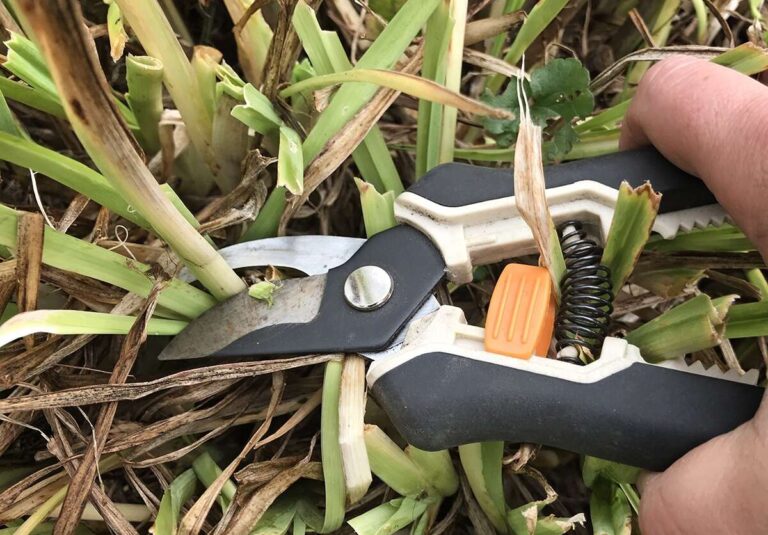
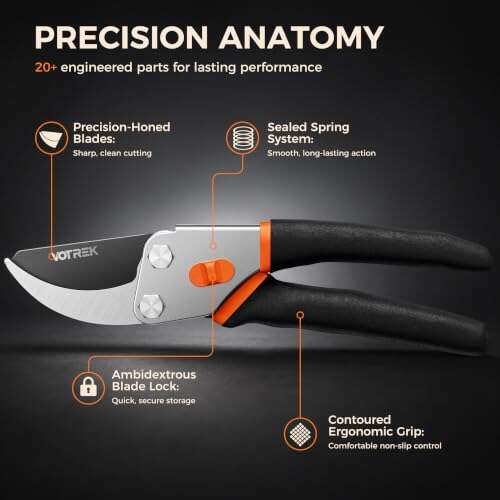
The VOTREK 8.5-inch bypass pruner is a practical low-cost choice for routine garden work. Its bypass blade design lets one blade pass by the other, much like scissors. That action is well suited to living stems, roses, herbs, and small green branches. The 8.5-inch length also gives your hand a little more reach around thick growth.
The jam-proof spring is the feature I find most useful for long trimming sessions. A good spring helps the handles open after each cut, so your fingers do not do all the work. The tool is also a sensible fit for gardeners who want a larger handle than a compact flower pruner provides. As with any budget tool, wipe the blade after use and add a drop of oil to keep the joint smooth.
Pros:
- Bypass design makes clean cuts on live stems
- Long 8.5-inch body offers useful reach
- Jam-proof spring supports repeated cutting
- Good fit for roses, shrubs, and garden plants
- Usually costs less than premium professional shears
- Simple shape is easy for new gardeners to learn
Cons:
- May feel large for very small hands
- Not the best tool for dry, hard wood
- Budget finishes may need more care over time
Kynup Two-Pack Pruning Shears

This Kynup two-pack gives you two hand pruners for the cost of one higher-priced tool. That makes it useful for homes with more than one gardener or for keeping one shear near the front garden and another near the shed. The bypass shape suits fresh stems and light branches. The red handles are also easy to spot in grass or mulch.
I like two-packs when a tool will be used in several places. You can leave one pruner in a greenhouse and keep the other in a garden tote. The heavy-duty design suggests a good match for everyday trimming, though users should still respect the stated cutting limit. This set is not a replacement for a saw when a limb becomes thick, dry, or tough.
Pros:
- Two pruners offer strong value for the price
- Bypass blades suit green stems and soft branches
- Useful for shared homes and large gardens
- Bright red handles are easy to find
- Works well for flowers, herbs, and light shrub work
- Provides a convenient spare if one tool needs cleaning
Cons:
- Both tools may need sharpening after heavy use
- Not intended for very thick woody limbs
- Handle size may not suit every hand
Haus & Garten EnduroPRO Bypass Pruners

The Haus & Garten EnduroPRO is aimed at gardeners who want a more serious hand pruner without jumping to the highest price tier. Its ergonomic shape helps place the hand in a natural position during cuts. The bypass blade is suitable for roses, shrubs, branches, and routine plant care. A titanium-coated blade can also help resist surface wear and sap buildup.
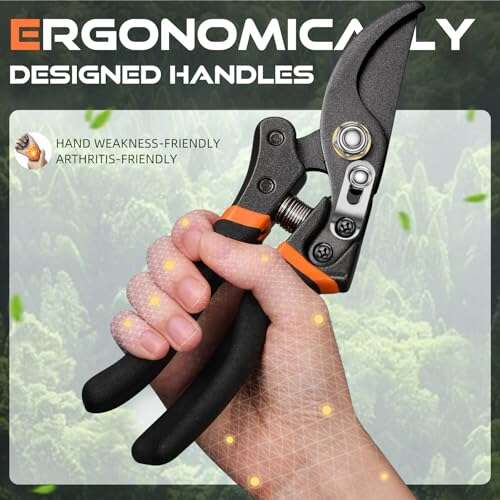
This model stands out when comfort matters as much as raw cutting power. A shaped handle can reduce awkward wrist angles, especially when you work above shoulder height. I would choose it for a gardener who trims often and wants a tool that feels more substantial than a basic bargain shear. Still, good technique matters: cut clean wood with the center of the blade, not the tip.
Pros:
- Ergonomic design supports a more natural wrist position
- Bypass blade is suited to living wood
- Titanium-coated surface may resist corrosion and wear
- Strong choice for roses, shrubs, and hedges
- Feels more substantial than many low-cost shears
- Good option for frequent home garden use
Cons:
- May cost more than simple entry-level pruners
- Larger body may feel bulky to small-handed users
- Coating does not remove the need for cleaning
Fiskars Folding Saw and Pruning Shear Set

This Fiskars set takes a different approach by pairing pruning shears with a folding hand saw. That combination solves a common garden problem: small stems need pruners, but thicker limbs need teeth. The folding saw stores in a compact form, which makes the set handy for a garden bag or shed drawer. The shears handle light cuts while the saw takes on larger wood.
I see this as a value kit rather than a specialist pruner set. It can save you from carrying several separate tools during a cleanup job. The saw is especially useful for dead limbs that could damage a bypass blade. Keep the folding mechanism free of grit, and always close the saw before placing it in storage or a tool bag.
Pros:
- Includes both pruners and a folding hand saw
- Handles a wider range of garden jobs
- Compact saw design is easy to store
- Good choice for yard cleanup and branch removal
- Reduces the need to buy two separate tools
- Useful for gardeners who work away from the shed
Cons:
- Shears may not feel as specialized as premium pruners
- Two-piece kits take more space than one shear
- Requires safe handling when using the folding saw
Corona MAXFORGED BP 4250 Bypass Pruner

The Corona BP 4250 MAXFORGED is a strong choice for gardeners who want professional-style construction at a fair price. It has a one-inch listed cut capacity, which is more than enough for many home pruning tasks. The aluminum body keeps the tool sturdy without making it feel like a solid block of steel. Its angled head can also help line up the blade with a branch.
The replaceable blade is a major value point. When a blade wears out, replacing that part can cost less than replacing the whole pruner. The angled design may feel natural when reaching into shrubs or cutting at a low branch. I would still avoid forcing the tool through wood that does not fit easily, since leverage can damage the joint or dull the blade.
Pros:
- Listed cutting capacity reaches up to one inch
- Forged aluminum body balances strength and weight
- Replaceable steel blade can extend tool life
- Angled head helps with branch access
- Good fit for serious home gardeners
- Offers professional features at a moderate cost
Cons:
- May feel too large for delicate flower work
- Higher price than basic hand pruners
- Thick cuts still require proper hand strength
Kynup Heavy-Duty Garden Pruning Shears

This Kynup pruner is built for gardeners who want a simple, heavy-duty tool without extra features. Its bypass layout makes it suitable for pruning live stems and small branches. The design is easy to understand, even for someone buying a first pair of garden shears. It is a sensible tool for roses, vines, shrubs, and seasonal cleanup.
The main appeal here is balance. You get a capable garden shear without paying for a full professional system. I would keep it in a basic home tool kit for quick jobs, such as removing a dead flower head or shaping a young shrub. To protect the cutting edge, use a saw on large dry limbs and clean sap from the blade after each session.
Pros:
- Simple design works well for everyday pruning
- Bypass action supports clean live-stem cuts
- Good match for roses, vines, and shrubs
- Heavy-duty build suits regular home use
- Easy choice for first-time gardeners
- Usually offers strong value for a modest price
Cons:
- May lack advanced comfort features
- Not ideal for very thick or dead wood
- Users with small hands may want a smaller model
Corona MAXFORGED BP 6250 Bypass Pruner

The Corona BP 6250 MAXFORGED is another strong option for gardeners who favor a durable tool with serviceable parts. It offers a one-inch listed cut capacity and a replaceable steel blade. The non-slip comfort grip gives the handles a secure feel when your hands become damp or dirty. This design is suited to shrubs, young branches, rose canes, and general yard work.
Compared with a very basic pruner, the BP 6250 feels more ready for repeated use. The grip is important because a tool that slips can cause poor cuts or hand strain. I also like the replaceable blade because it supports repair instead of quick replacement. For the best results, cut in stages when a branch is near the limit rather than twisting the handles.
Pros:
- One-inch listed cut capacity suits larger home branches
- Replaceable steel blade improves long-term value
- Non-slip grip helps maintain control
- Forged aluminum body offers a sturdy feel
- Good choice for shrubs and woody garden growth
- Designed for gardeners who prune often
Cons:
- Bulkier than compact flower pruners
- May be more tool than a small patio garden needs
- Large cuts can still tire smaller hands
Fiskars SoftGrip Bypass Pruning Shears

The Fiskars SoftGrip bypass shear is a comfortable pick for light and medium pruning. Its listed cut capacity is 5/8 inch, which covers many flowers, herbs, green stems, and young branches. The bypass blade helps make a clean cut when it is sharp and used on suitable wood. SoftGrip handles add comfort during short or medium garden sessions.
This is the type of pruner I would suggest to a new gardener who wants a familiar brand and a friendly price. It is not built to replace loppers or a pruning saw, but it does not need to be. Its strength is easy daily use. The smaller capacity also encourages users to choose the correct tool instead of forcing the handles around a branch that is too thick.
Pros:
- Comfortable grip suits routine garden care
- 5/8-inch capacity covers many small plant stems
- Bypass blade works well on live growth
- Good size for flowers, herbs, and young shrubs
- Easy to use for beginners
- Recognized brand offers useful buying confidence
Cons:
- Lower capacity than heavy-duty pruners
- Not intended for thick woody branches
- May feel small for users who want maximum reach
DECERK 8.5-Inch Professional Pruning Shears

The DECERK 8.5-inch pruning shear is designed for gardeners who need more reach and cutting room than a small hand clipper gives. Its listed capacity reaches up to three-quarters of an inch. That makes it a useful middle ground for roses, shrubs, vines, and young woody growth. The longer frame can also make it easier to reach into dense plants.
I see this model as a practical choice for seasonal trimming. It is large enough for useful branch work but still compact enough to carry around the yard. The best results will come from steady cuts and a clean blade, not from squeezing through oversized wood. Store it closed and dry so the spring and pivot remain dependable.
Pros:
- 8.5-inch length provides extra reach
- Three-quarter-inch listed capacity fits many home tasks
- Useful middle ground between light and heavy pruners
- Good for shrubs, roses, vines, and young branches
- Comfortable choice for seasonal garden cleanup
- Offers useful features without a premium price
Cons:
- May feel long for small detail work
- Not a substitute for loppers or a saw
- Long-term sharpness depends on proper care
KAKURI Japanese Carbon Steel Pruning Shears

The KAKURI Japanese pruning shear is for buyers who value traditional construction and a refined cutting feel. It uses hand-forged Japanese carbon steel and comes with a leather sheath. Carbon steel can take and hold a sharp edge well, but it needs more care than stainless steel. A dry storage place and a light coat of oil are important after use.
The leather sheath adds a useful safety and storage benefit. It protects the blade in a tool bag and reduces the chance of reaching into a sharp edge. This pruner may appeal to rose growers, bonsai hobbyists, and gardeners who enjoy well-made hand tools. It is not the cheapest item here, but it can still fit a value-minded search when long service and sharpening matter.
Pros:
- Hand-forged carbon steel supports a sharp edge
- Japanese-made design appeals to tool enthusiasts
- Leather sheath improves safe storage
- Good match for detailed pruning work
- Solid choice for roses and woody stems
- Can offer excellent value when maintained well
Cons:
- Carbon steel needs regular drying and oiling
- May cost more than basic budget shears
- Traditional shape may feel less cushioned
My Recommendation
For most shoppers, the best hand pruners for less money are the Fiskars SoftGrip for light work, the Kynup two-pack for shared use, and the Corona BP 4250 or BP 6250 for larger branches. I would choose the VOTREK when you want a longer body and a jam-resistant spring at a lower cost. The Haus & Garten is a better fit when comfort and frequent use matter most.
Use the table below as a quick match guide. Your ideal pruner depends on hand size, plant type, and how often you cut. A sharp bypass blade will usually serve live stems better than an anvil blade, which is more suited to dry or dead wood. Extension gardening guidance also supports using clean, sharp tools to reduce crushing and improve cut quality.
| Best for | Why |
|---|---|
| Best budget everyday shear | Fiskars SoftGrip gives easy handling for flowers, herbs, and small stems. |
| Best value for two gardeners | Kynup two-pack provides a spare tool and broad everyday usefulness. |
| Best for larger home branches | Corona MAXFORGED models offer a one-inch listed capacity and replaceable blades. |
| Best ergonomic option | Haus & Garten EnduroPRO uses a shaped design for frequent trimming. |
| Best tool kit | Fiskars folding saw and shear set handles both stems and thicker limbs. |
| Best long-reach budget pick | VOTREK and DECERK provide an 8.5-inch body for extra reach. |
| Best traditional tool | KAKURI suits gardeners who value carbon steel and careful maintenance. |
| Best simple heavy-duty pick | Kynup heavy-duty shears offer a straightforward design for routine yard work. |
| Best replaceable-blade option | Corona BP 4250 and BP 6250 can remain useful after the first blade wears. |
| Best beginner-friendly choice | Fiskars SoftGrip is light, simple, and easy to control. |
How I Choose the Best Hand Pruners for Less Money
Price alone does not tell me whether a pruner is a good buy. I first check the blade style, because the wrong style can crush a stem or make a cut harder than it should be. For live branches, a bypass blade usually gives the clean, scissor-like action most home gardeners need. For dry, hard wood, an anvil tool or saw may work better.
I also look at the stated cut capacity. A 5/8-inch pruner can handle many flowers, herbs, and young stems. A one-inch model gives more room for shrubs and small branches, but it may weigh more and require more hand strength. Never treat a printed capacity as a reason to force a stuck cut. If the handles stop moving, change tools.
Grip comfort is just as important as blade steel. A hard handle may feel fine for five cuts but tiring after fifty. Soft or shaped grips can help, though they do not suit every hand. I recommend opening and closing the pruner several times before a long session, if possible, to check whether the spring and handle width feel natural.
Finally, I check maintenance needs. Every pruner benefits from wiping, drying, and occasional oil at the pivot. Sap can make a sharp blade drag, while rust can spread quickly on unprotected steel. These small habits can make a low-cost tool last much longer, which is why maintenance plays a large role in finding the best hand pruners for less money.
Bypass Versus Anvil Pruners
Bypass pruners use two blades that pass each other. Think of them as strong garden scissors. They work best on live, green stems because they make a narrow cut with less crushing when the blade is sharp. Most products in this guide use that style.
Anvil pruners use one cutting blade that closes against a flat surface. They can be useful for dead wood and tough dry stems. However, they may crush fresh growth if you use them on soft green branches. For roses, flowers, fruit trees, and shrubs, I usually start with a bypass model.
The right tool also depends on branch size. Use hand pruners for smaller stems, loppers for larger branches, and a pruning saw when a limb is beyond the safe range. This simple rule protects both the tool and your hands. It also gives the plant a cleaner cut, which helps reduce needless damage.
How to Keep Budget Pruners Sharp
Start by removing soil and plant sap with a damp cloth. If the blade has sticky residue, use a suitable cleaner and dry the metal well. Do not put a wet pruner away in a closed toolbox. Moisture is a small problem at first, but it can become rust and rough movement later.
Apply a drop of light tool oil to the pivot. Open and close the handles several times to spread it, then wipe away extra oil. Too much oil attracts grit. The goal is a smooth joint, not a dripping tool.
When sharpening, follow the existing bevel instead of changing the blade angle. Use a fine file or sharpening stone made for garden tools. Make steady strokes in one direction. If the blade has deep chips or the pivot feels loose, replacement may be safer and cheaper than trying to repair it.
Safe Pruning Tips for Home Gardeners
Wear eye protection when cutting branches near your face. Small bits of bark can snap back without warning. Keep your free hand behind the blade path, and never catch a falling branch with your fingers while the tool is open.
Choose a dry day when practical. Wet plants can make handles slippery, and damp storage can speed rust. Stand on firm ground and keep your feet clear of cut branches. If you need a ladder, use a tool designed for safe ladder work or ask someone to help.
Clean the blades between diseased plants. A household disinfecting method recommended for garden tools can help limit the spread of plant disease, but always follow the product label. Clean cuts and clean tools work together. One without the other is like a sharp pencil with no paper.
FAQs Of best hand pruners for less money
What are the best hand pruners for less money?
The best choice depends on your work. Fiskars SoftGrip is a strong low-cost pick for light pruning, while Kynup offers useful value in a two-pack. Corona MAXFORGED models are better for larger branches and replaceable-blade value.
Are bypass pruners better than anvil pruners?
Bypass pruners are usually better for live green stems. They make a scissor-like cut and can reduce crushing when sharp. Anvil pruners are more useful for dry or dead wood.
How large a branch can hand pruners cut?
Check the manufacturer’s listed capacity. Many small models handle about 5/8 inch, while heavy-duty models may list up to one inch. Never force a branch that does not cut with steady pressure.
How often should I sharpen garden pruners?
Sharpening needs depend on use and wood type. Light home use may need attention only a few times each season. If the tool crushes stems, slips, or needs extra force, inspect and sharpen the blade.
How do I stop pruning shears from rusting?
Clean and dry the blades after use. Add a thin coat of tool oil, especially before long storage. Keep the pruner in a dry place with the safety lock closed.
Final Verdict: Which Should You Buy?
For most buyers, the Fiskars SoftGrip is the easiest low-cost pick. Choose Kynup for two-tool value, or Corona MAXFORGED for larger branches and a replaceable blade. The best hand pruners for less money are the ones that match your plants and hand strength.
Buy the right blade style, stay within its cut limit, and keep it clean. With basic care, an affordable pruner can deliver many seasons of useful garden work.

Laura Bennett is a gardening writer at MyGardenLabs who creates beginner-friendly guides focused on solving common plant care and gardening problems.