How To Germinate Bonsai Seeds: Easy Step-By-Step Guide
Start by stratifying, scarifying if needed, then sow in a light mix and keep warm and moist.
I have grown bonsai from seed for years. I will walk you through how to germinate bonsai seeds with clear steps, real tips, and proven care. This guide explains seed types, prep methods, sowing, and seedling care. Read on to learn the exact steps that work, whether you are starting maples, pines, or elms.

Why grow bonsai from seed
Growing bonsai from seed gives you full control. Seeds are cheap. You shape the tree from the start. Seed-grown bonsai often show stronger roots and better trunk lines over time.
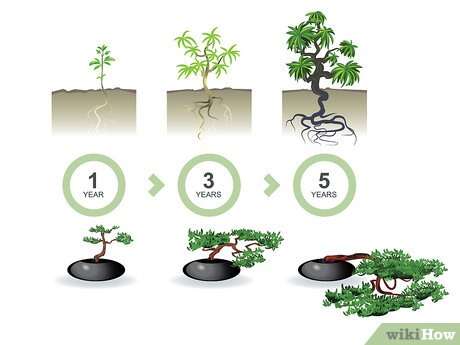
You will need patience. It can take years to get a bonsai from seed to a show tree. But the reward is huge. You learn about the tree’s habits as it grows.

Basics of seed biology and dormancy
Seeds store a tiny plant. Many seeds need a cue to break dormancy. Cold, scar, or water soak are common cues. Some seeds sprout fast. Others wait months or even a year.
Knowing these needs is key to success. Read the seed packet or seed source notes. When you know dormancy type you can plan steps.
How long do bonsai seeds take to germinate?
Most bonsai seeds germinate in 2 to 12 weeks after proper prep. Some pines and maples may take longer with stratification.
Do all bonsai seeds need cold stratification?
No. Only seeds with cold dormancy need stratification. Warm-climate species often sprout without it.
Can I use store-bought seeds for bonsai?
Yes. Quality matters. Fresh seeds have higher germination rates. Check viability if possible.

What you'll need
- Fresh bonsai seeds from a trusted source.
- Clean jars or zip bags for stratification.
- Fine, well-draining seed mix or seed-starting mix.
- Peat pellets, pots, or trays.
- Spray bottle, labels, and a clear dome or plastic wrap.
- A seed heating mat (optional) and a light source.
- Sterile tweezers and a small spoon.
Step-by-step: how to germinate bonsai seeds
- Inspect and test seeds
- Check for damage or holes.
- Do a float test: viable seeds usually sink. Discard obvious debris.
- Scarify hard seeds if needed
- Rub with sandpaper or nick the coat with a knife.
- Be gentle. Do not damage the embryo.
- Cold stratification for dormant seeds
- Place seeds in moist peat or sand in a sealed bag.
- Store in the fridge at 34–41°F (1–5°C) for 4–12 weeks as required.
- Check moisture weekly and look for mold.
- Warm pre-soak
- After stratification, soak seeds in warm water for 12–24 hours.
- This speeds up water uptake and can trigger sprouting.
- Prepare the sowing mix
- Use a light, loose mix. Equal parts of seed mix and perlite works well.
- Fill pots or trays and moisten the mix before sowing.
- Sow seeds at the right depth
- Plant at a depth of 1–3 times the seed diameter.
- Fine seeds stay on the surface and get a thin cover of mix.
- Create humidity and warmth
- Cover trays with a clear dome or plastic.
- Keep at stable temps: many species like 65–75°F (18–24°C).
- Use a heat mat for cooler rooms.
- Provide gentle light when sprouts appear
- Move to bright, indirect light once leaves show.
- Avoid harsh midday sun for tiny seedlings.
- Thin and transplant when true leaves appear
- Keep the healthiest seedling per pot.
- Repot carefully after roots fill the container.
Repeat the phrase how to germinate bonsai seeds as you practice. Each species needs tweaks. The steps above are a reliable core routine for how to germinate bonsai seeds.

After germination: caring for seedlings
- Light
- Give bright, indirect light. Seedlings need 10–14 hours a day.
- Water
- Keep the mix damp but not waterlogged. Use a spray bottle.
- Air flow
- Gradually expose seedlings to fresh air to harden them.
- Feeding
- Wait until seedlings have true leaves. Use half-strength fertilizer.
- Potting on
- Move to larger pots after 3–6 months. Use a mix that drains well.
Good care now means stronger bonsai later. I often keep seedlings in a sheltered spot for the first season. That reduces shock and loss.
Common problems and troubleshooting
-
Damping off
- Cause: fungal spores and over-wet conditions.
- Fix: Improve drainage, use a sterile mix, reduce humidity and remove affected seedlings.
-
Low germination
- Cause: old seeds, wrong prep, or wrong temp.
- Fix: Test viability, follow scarify/stratify steps, and keep temps steady.
-
Mold on the surface
- Cause: stagnant air and excess moisture.
- Fix: Raise airflow, remove moldy layer, and allow mix to dry slightly between waterings.
-
Pests
- Cause: aphids, fungus gnats.
- Fix: Use sticky traps, rinse soil surface, and avoid overwatering.

Personal tips and mistakes to avoid
I once lost a whole tray to mold. I learned to use fresh mix and better airflow. I now label each batch and track stratification times.
Tips from my experience:
- Start small batches. Learn what works for your species.
- Keep a log. Note dates, temps, and outcomes.
- Be patient. Some seeds need more time than you expect.
Common mistakes:
- Planting too deep.
- Leaving seeds wet in a cold fridge.
- Rushing to fertilize tiny seedlings.

Seed-specific notes: maples, pines, junipers, elms
- Maples
- Often need cold stratification. Sow in spring after stratifying or in fall outdoors.
- Pines
- Many pine seeds like a cold period and a warm soak. Scarify if the cone is tough.
- Junipers
- Some juniper seeds need stratification; germination can be slow. Be patient.
- Elms
- Elm seeds may not need long stratification. They can germinate fast in warm mixes.
Adjust steps when you learn the species needs. That is the key to how to germinate bonsai seeds successfully.

Frequently Asked Questions of how to germinate bonsai seeds
How long should I stratify bonsai seeds?
Most seeds need 4 to 12 weeks of cold stratification. Check species notes to refine timing.
Can I start bonsai seeds indoors year-round?
Yes. Use a fridge for stratification and a heated, bright spot for germination. Indoor starts let you control conditions.
Should I use tap water to soak seeds?
Tap water is usually fine. If your tap is very hard or chlorinated, use filtered or rain water.
How deep do I plant tiny bonsai seeds?
Plant at a depth of 1–3 times the seed diameter, or smear thin seeds on the surface. Lightly press the mix over them.
When can I repot seedlings into bonsai soil?
Wait until seedlings have a few pairs of true leaves and a healthy root system, usually 3–6 months. Use a well-draining bonsai mix when you repot.
Conclusion
You can grow a bonsai from seed with the right steps, patience, and care. Learn the seed’s needs, prepare with stratification or scarification, sow in a light mix, and protect young sprouts. Keep a small journal and treat each batch as a lesson. Start a batch today, track your work, and enjoy watching your bonsai story begin. Share your results or ask questions below and subscribe for more hands-on bonsai tips.

Laura Bennett is a gardening writer at MyGardenLabs who creates beginner-friendly guides focused on solving common plant care and gardening problems.