How Fast Do Bonsai Trees Grow: Growth Timeline & Tips
Bonsai growth varies widely, but most bonsai grow slowly—often a few inches a year under care.
I’ve trained and cared for bonsai for over a decade, and I’ll walk you through exactly how fast do bonsai trees grow, why rates vary, and what practical steps you can take to encourage or slow growth. This guide breaks down growth by species, age, and care methods, offers real-world tips from my experience, answers common questions, and helps you set realistic expectations for your bonsai journey.

How fast do bonsai trees grow: the basics
Bonsai growth depends on many things. Most bonsai grow slower than their full-size counterparts because of root restriction, pruning, and container size. Young nursery-stock bonsai often put on more visible growth in the first few years, while older, established bonsai typically grow a few inches or new shoots each growing season.
Key points to understand about how fast do bonsai trees grow:
- Growth is measured in height, trunk thickness, and ramification (branching).
- A young, fast-growing species may add 6 to 12 inches of branch length in a year without pruning.
- A mature display bonsai commonly grows 1 to 4 inches per year of new twig growth after pruning and wiring.
- Root pruning and pot size intentionally limit growth to keep a tree small.
My experience: I started a young Chinese elm in a small pot. In its first year, the tree shot 10 inches of new growth. After a year of root pruning and regular trimming, that same tree settled into adding about 2 to 3 inches of refined growth each season.

Factors that determine how fast do bonsai trees grow
Understanding growth means knowing the variables. These factors explain why two bonsai of the same species can grow at very different rates.
Species and genetics
- Fast growers: willows, bald cypress, cotoneaster, and many elms.
- Moderate growers: maples, pines (some species), and junipers.
- Slow growers: boxwood and some pines and azaleas.
- Genetics dictate a tree’s baseline growth potential.
Age and development stage
- Seedlings and nursery stock: vigorous growth phase.
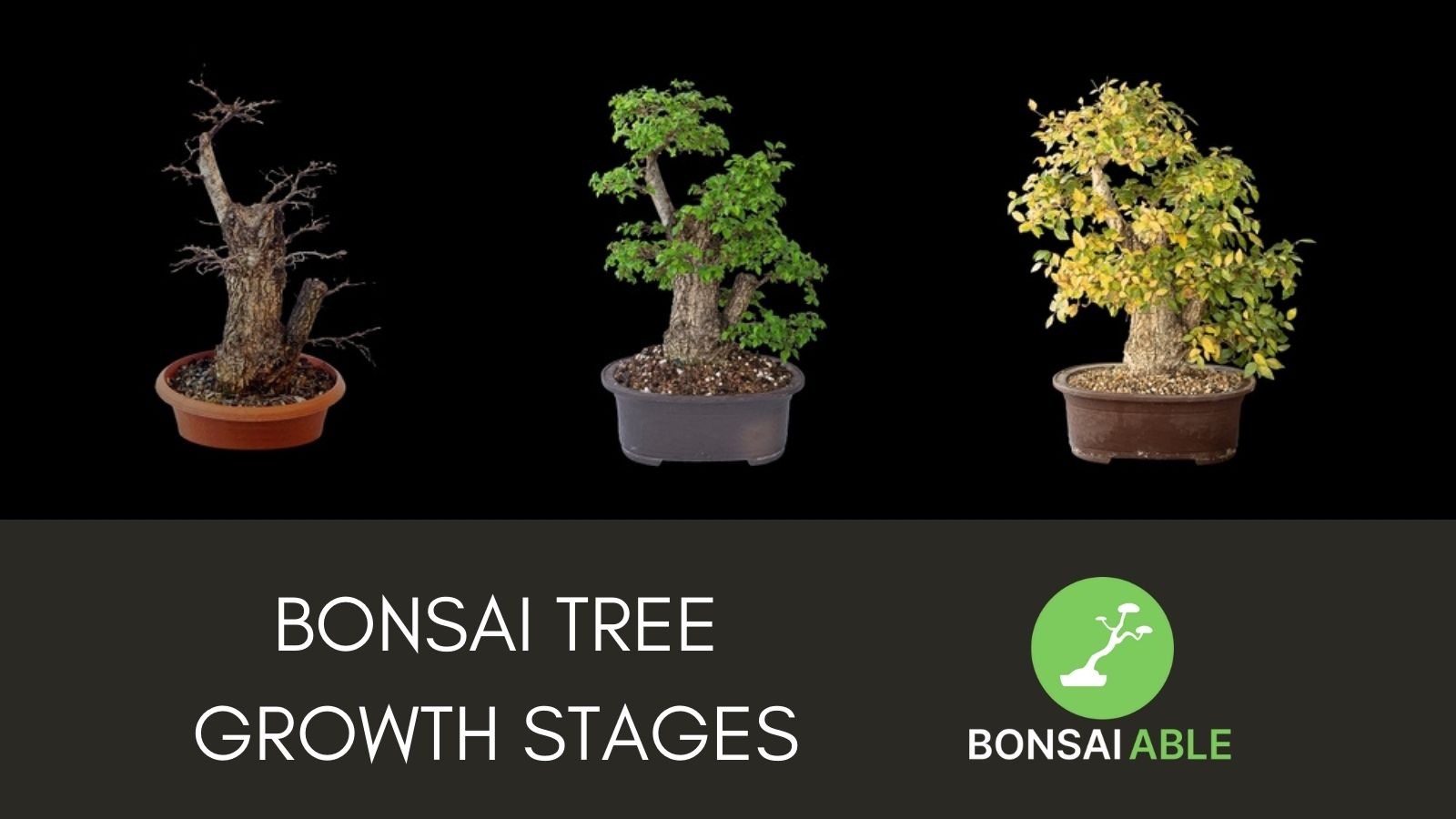
- Young bonsai (1–10 years): rapid trunk and branch development.
- Mature bonsai: slower, refinement-focused growth.
Pot size and root space
- Small pots limit root volume and slow growth.
- Larger training pots allow more vigorous growth for shaping.
- Root pruning slows growth intentionally to refine proportions.
Light, water, and nutrition
- Proper light speeds photosynthesis and growth.
- Overwatering or underwatering stress plants and reduce growth.
- Balanced fertilization supports steady growth; too much nitrogen triggers excessive, weak growth.
Climate and season
- Temperate zones: strong spring and summer growth; dormancy in winter.
- Tropical species may grow year-round if warm and humid.
- Local microclimates affect how fast do bonsai trees grow more than many people expect.
Pruning, wiring, and training
- Regular branch pruning redirects energy to ramify and thicken trunk.
- Aggressive pruning can slow outward growth temporarily but speeds refinement.
- Styling cycles influence visible growth rhythm.
Pests and disease
- Infestations or disease reduce vigor and growth.
- Healthy trees grow predictably; stressed trees do not.
Growth rates by species — what to expect
Different species show different speed ranges. These are general expectations for bonsai grown in containers outdoors or in appropriate indoor conditions.
Fast growers (annual extension without heavy pruning)
- Willows, elms, and some maples: 6–12+ inches per year.
- Suitable for rapid development and bonsai training.
Moderate growers
- Juniper, many pines, cotoneaster, and hornbeam: 2–6 inches per year.
- Good for both training and display.
Slow growers
- Boxwood, some pines, azalea cultivars: 1–3 inches per year.
- Ideal for long-term refinement and fine twigging.
Trunk thickening vs. branch length
- Many bonsai grow trunk girth slowly while producing seasonal branch extension.
- Techniques like trunk chopping or growing in larger pots for a season accelerate thickening.
My practical example: I grew a juniper from nursery stock. In training pots it extended 4–5 inches in a season. After moving it to a larger pot and heavy pruning cycles, the trunk gained noticeable thickness over two seasons.

How to control and influence how fast do bonsai trees grow
You may want faster growth for trunk development or slower growth for a finished look. Use these techniques to manage the rate.
To speed growth
- Move to a larger training pot for one growing season.
- Increase fertilizer during active growth (use balanced to high-phosphorus formulas for roots).
- Give strong, direct light and consistent watering.
- Minimize root pruning for a season.
To slow or refine growth
- Use smaller bonsai pots to restrict roots.
- Prune vigorous shoots regularly to increase ramification.
- Reduce nitrogen in late season to avoid overly lush growth.
- Root prune annually or biennially during repotting.
Pruning schedule example
- Early spring: major structural pruning.
- Mid-summer: light trimming to shape and control shoots.
- Late summer: stop heavy pruning to let conventions harden off before dormancy.

Practical tips, mistakes to avoid, and lessons from my experience
Simple habits improve results when tracking how fast do bonsai trees grow.
Practical tips
- Keep a growth journal: note extension lengths, repotting, and fertilizer. This helps you predict growth.
- Photograph monthly: visual records show subtle changes better than memory.
- Match technique to goal: use pot size and pruning to control pace.
Common mistakes
- Over-fertilizing seedlings causes leggy, weak growth.
- Repotting at the wrong time stresses the tree and slows growth.
- Too much wiring or bending weakens branches and reduces vigor.
Lessons I learned
- Patience beats speed. Rushing trunk thickening by forcing growth can lead to weak wood or dieback.
- Seasonal timing matters. Pushing the tree at the wrong time invites pests and shock.
- Balance aesthetics and biology. A healthy tree grows predictably; beauty comes from consistent care.

PAA-style quick questions
How fast will a bonsai grow from seed?
Bonsai from seed grow slowly at first, often only a few inches per year. Expect several years before you can shape serious trunk or branch structure.
Can I make my bonsai grow faster with fertilizer?
Fertilizer can speed growth if used correctly, but too much nitrogen creates weak growth. Use balanced feeding and follow species-specific guidelines.
Does pot size really change growth rate?
Yes. Larger pots give roots more room and often increase growth; smaller pots limit roots and slow growth for refinement.

Frequently Asked Questions of how fast do bonsai trees grow
What is the average yearly growth of a bonsai tree?
Average growth varies by species, age, and care, but many bonsai add 1 to 6 inches of new growth per year after pruning and training. Young, fast species can exceed that during early stages.
How long does it take to turn a tree into a bonsai?
Turning a nursery tree into a basic bonsai can take 2 to 5 years for visible shaping. Achieving a refined, mature bonsai often takes 10 years or more.
Will indoor bonsai grow slower than outdoor bonsai?
Indoor bonsai usually grow slower due to less light and limited seasonal cues. Providing bright light and proper humidity helps, but many species are better outdoors.
How does root pruning affect growth?
Root pruning reduces vigor temporarily but helps control size and improve root-lead balance. After root pruning, expect slowed outward growth until roots recover.
Can I speed up trunk thickening?
Yes. Use a larger pot for a season, increase fertilization, and selectively grow sacrifice branches to thicken the trunk. After thickening, prune back for proportion.
When should I repot to encourage growth?
Repot during the early growing season when the tree begins active growth but before heavy leaf-out. Repotting at the right time encourages root health and steady growth.
Conclusion
How fast do bonsai trees grow depends on species, age, pot size, care, and your goals. Fast growth helps shape young trees, while slower growth supports refinement and display. Track growth, use intentional pruning and pot strategies, and match techniques to your aims to get the results you want.
Takeaway: set realistic timelines, keep a care log, and treat each tree as a unique project. If you’re ready, start a growth journal this week and watch what steady care does for your bonsai. Leave a comment with your species and goals, and I’ll share tailored tips.

Laura Bennett is a gardening writer at MyGardenLabs who creates beginner-friendly guides focused on solving common plant care and gardening problems.