What Type Of Soil For Bonsai: Best Soil Mix Guide
Bonsai needs gritty, fast draining soil that holds moisture but leaves roots plenty of air.
Choosing what type of soil for bonsai can feel confusing at first. Garden soil, potting mix, and bonsai soil may look similar, but they behave very differently in a shallow pot. After years of repotting bonsai and testing mixes for different trees, I have learned that the best soil is not one fixed recipe. It depends on the tree, climate, pot size, watering habits, and stage of growth. This guide explains what type of soil for bonsai supports strong roots, healthy leaves, and steady growth.
What Type of Soil for Bonsai Is Best?
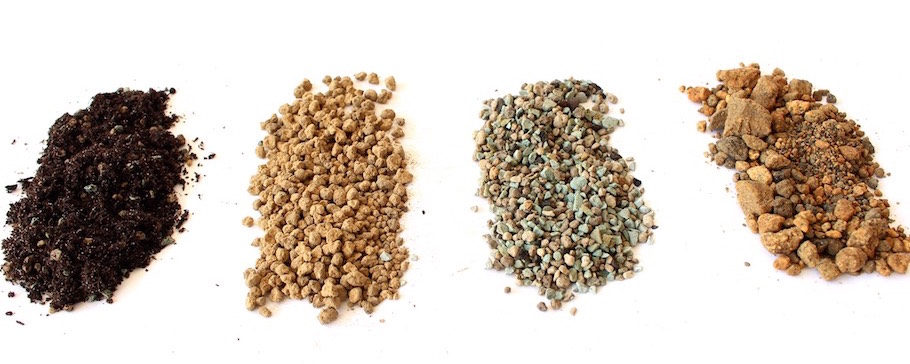
The best bonsai soil is a coarse, stable, and well draining mix. It should hold enough water for the roots, yet allow extra water to escape quickly. It must also leave air spaces between its particles.
Bonsai roots need water and oxygen at the same time. Fine soil can stay wet for too long and push air out of the pot. This may lead to weak roots, fungal problems, and root rot.
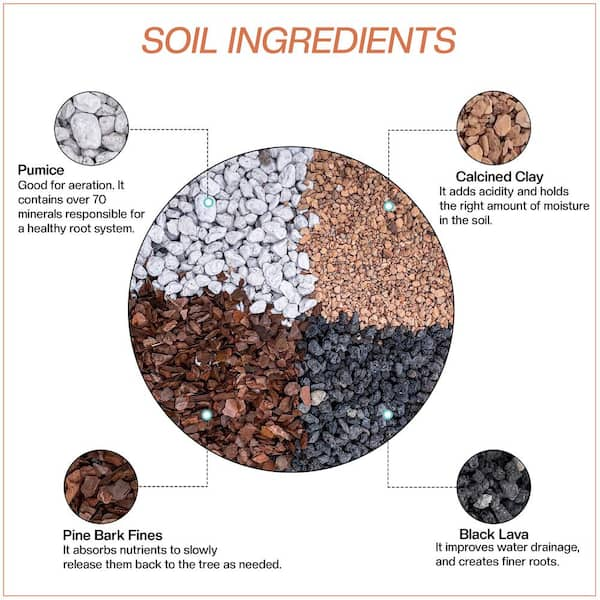
A good bonsai soil mix usually contains three types of material:
• Water holding material, such as akadama or quality fired clay
• Drainage material, such as pumice or coarse lava rock
• Air space material, such as lava rock, expanded shale, or coarse grit
The ideal mix feels gritty rather than soft or muddy. When you water, it should drain from the holes within seconds. The water should not run across the surface while the center of the root ball stays dry.
Why Regular Garden Soil Does Not Work Well
Garden soil is made for open ground. In a bonsai pot, it becomes too dense. Its small particles fill the gaps between roots and reduce air flow.
Garden soil can also hold too much water. A tree planted in the ground may handle this because excess water can move into the surrounding soil. A bonsai pot has limited space, so poor drainage causes problems much faster.
Common issues with garden soil include:
• Compacted roots
• Slow drainage
• Poor oxygen flow
• Root rot
• Difficult repotting
• Increased risk of insects and disease
Some garden soils also contain weed seeds, clay, compost, or fertilizer. These materials may be useful outdoors, but they are often too heavy for a shallow bonsai container.
I once tried using a small amount of garden soil in a young tree mix. The surface looked fine, but water stopped moving through the pot after a few weeks. The roots were not dead, but they were dull, brown, and slow to grow. Replacing that soil with a gritty mix made a clear difference.

Key Qualities of Good Bonsai Soil
Understanding what type of soil for bonsai becomes easier when you focus on soil qualities instead of brand names. A useful mix should meet five basic needs.
Good drainage
Water must move through the pot without pooling around the roots. Good drainage lowers the risk of root rot and helps prevent salt buildup from fertilizer and tap water.
Moisture retention
Bonsai soil should not dry out immediately after watering. Clay particles and some organic materials hold water that roots can use between watering sessions.
Air porosity
Roots need oxygen to grow. Large particles create small air pockets throughout the pot. This is one reason coarse soil often works better than fine soil.
Stable structure
Good bonsai soil should keep its shape over time. Materials that break down quickly can turn into mud and block drainage.
Proper particle size
Most bonsai soil particles should be fairly even in size. For many trees, particles between about ⅛ and ¼ inch work well. Small trees may need smaller particles, while large trees may need larger ones.
The best particle size also depends on your watering routine. A person who waters twice each day may use a more open mix. Someone who works long hours may need slightly more moisture retention.

Common Ingredients in Bonsai Soil
Akadama
Akadama is a fired Japanese clay used in many traditional bonsai mixes. It holds moisture, provides air space, and makes root growth easy to inspect.
Its main weakness is that it breaks down over time. Soft akadama may collapse faster in rainy climates or with frequent watering. Hard akadama lasts longer but can cost more.
Akadama is not required for healthy bonsai. It is useful, but other materials can provide similar functions.
Pumice
Pumice is a lightweight volcanic stone with small pores. It holds some moisture while allowing excellent drainage and air flow.
It is a strong choice for many bonsai trees. Pumice also helps keep the soil mix open as roots grow.
Lava rock
Lava rock is another volcanic material. It is rough, stable, and useful for drainage. Its pores can hold small amounts of water.
Lava rock also gives roots a firm surface to grip. Red and black lava rock are both used in bonsai, though color has little effect on tree health.
Expanded shale
Expanded shale is a lightweight mineral with good drainage. It can serve as an alternative to lava rock or pumice.
It is often easier to find in some parts of the United States. Make sure the pieces are clean and coarse enough for bonsai use.
Pine bark
Fine pine bark adds organic matter and helps hold moisture. It can work well in small amounts, especially for tropical bonsai or trees grown in hot, dry areas.
However, bark breaks down. Too much can make the mix soggy and reduce air space. Use aged bark with a coarse texture rather than wet, fine mulch.
Horticultural grit
Grit adds weight and drainage. Granite grit, quartz grit, and other clean stone products may work.
Avoid very fine sand. Fine sand can fill air spaces and make the mix dense. Always choose a product without salt, dyes, or unknown chemicals.

Bonsai Soil Mix Recipes
There is no single perfect recipe for every tree. Still, these blends offer useful starting points.
General outdoor bonsai mix
For many deciduous and conifer bonsai, try:
• 40 percent akadama or fired clay
• 30 percent pumice
• 30 percent lava rock
This mix provides a balanced amount of moisture, drainage, and air. Adjust the ratio based on your climate and watering habits.
Moisture holding mix
For hot, dry regions, try:
• 40 percent akadama or fired clay
• 30 percent pumice
• 20 percent pine bark
• 10 percent lava rock
This mix holds more moisture but still drains well. Watch the tree closely during heat waves.
Fast draining mix
For rainy climates or trees that dislike wet roots, try:
• 30 percent akadama or fired clay
• 35 percent pumice
• 35 percent lava rock
This open mix dries faster. It may need more frequent watering in summer.
Tropical bonsai mix
Tropical trees often enjoy a little more moisture and organic content. A useful starting point is:
• 40 percent pumice
• 30 percent fine lava rock
• 20 percent aged pine bark
• 10 percent akadama or fired clay
Ficus, jade, and some other tropical species may accept this type of mix. Always consider the specific plant and indoor humidity.
These recipes are starting points, not strict rules. The right answer to what type of soil for bonsai changes with the species, season, and growing location.
Soil Needs by Bonsai Tree Type
Different trees have different root needs. This is why what type of soil for bonsai should never be based on one recipe alone.
Juniper bonsai
Junipers prefer an open, gritty mix. Use plenty of pumice and lava rock, with enough akadama or fired clay to hold moderate moisture.
Junipers dislike constantly wet roots. Let the surface become slightly less damp before watering again, but do not allow the tree to stay dry for long periods.
Pine bonsai
Pines usually perform well in a coarse, fast draining mix. A blend of akadama, pumice, and lava rock supports healthy roots.
Pines can suffer in compact soil. Their roots need air, especially during warm weather when root activity increases.
Maple bonsai
Japanese maples appreciate moisture, but they still need drainage. Use a mix with a little more akadama or another water holding material.
In hot regions, add some pine bark or use slightly smaller particles. Protect the pot from extreme afternoon heat, since small bonsai containers dry quickly.
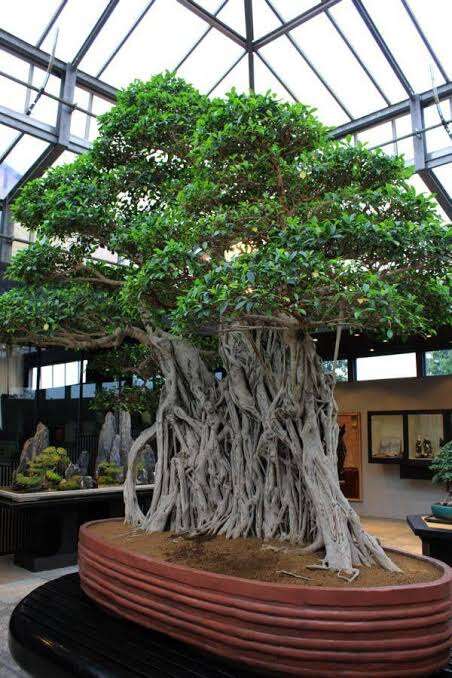
Ficus bonsai
Ficus trees are forgiving and grow well in many bonsai mixes. They often tolerate a little more organic matter than pines or junipers.
A mix containing pumice, lava rock, akadama, and aged bark can work well. Indoor ficus should receive strong light and careful watering, since low light slows soil drying.
Jade bonsai
Jade and other succulent bonsai need excellent drainage. Use more pumice, lava rock, or coarse grit and less bark.
Allow the soil to dry more between waterings. Wet, dense soil is one of the most common causes of jade root loss.
Azalea bonsai
Azaleas prefer acidic soil. Kanuma, a light volcanic soil from Japan, is often used for them because it drains well and supports acidic conditions.
Do not use lime rich materials for acid loving trees unless you know they are safe. Check the plant’s pH needs before choosing a mix.

How to Choose Bonsai Soil for Your Climate
Your local climate has a major effect on what type of soil for bonsai will work best.
Hot and dry climates
Use a mix with slightly more moisture holding material. Smaller particles may help, but avoid making the soil dense.
Place bonsai where they receive suitable light and protection from harsh reflected heat. Check the soil more than once a day during summer.
Cool and rainy climates
Use larger particles and more pumice or lava rock. Reduce organic material if the pot stays wet for long periods.
A covered growing area can help protect sensitive species from constant rain.
Humid climates
Humidity slows evaporation. An open mix with strong air space is often safer.
Do not water based only on a schedule. Check the soil and the tree each day.
Indoor growing
Indoor bonsai often dry more slowly because of lower air movement and weaker light. Use a well draining mix and avoid placing the tree in a dark corner.
A fan, bright window, or grow light can improve air movement and plant health. Never let the pot sit in a saucer full of water.

How to Prepare and Use Bonsai Soil
Good materials still need proper preparation. Follow these steps before planting.
-
Choose clean, untreated ingredients.
-
Screen out dust and very fine particles.
-
Remove pieces that are too large for the pot.
-
Use a particle size suited to the tree and container.
-
Cover the drainage holes with mesh.
-
Add a thin layer of coarse material if needed.
-
Position the tree and fill around the roots.
-
Work the soil into air gaps with a chopstick.
-
Water until the runoff is clear.
Screening is important because dust can clog the spaces between larger particles. I learned this after skipping the step on a repotting day. The mix looked gritty in the bag, but cloudy water and a slow drain showed that too much dust remained.
Do not press the soil down hard. Firm the tree in place, but let the soil keep its natural air spaces.

When to Repot and Replace Bonsai Soil
Bonsai soil does not last forever. Organic material breaks down, and clay particles may become soft and compact.
Signs that your tree may need fresh soil include:
• Water runs over the surface instead of entering
• Water drains very slowly
• The root ball dries unevenly
• Roots circle heavily around the pot
• The tree loses vigor without another clear cause
• Soil particles look like mud or fine dust
Most bonsai are repotted in early spring, just before strong new growth begins. However, timing varies by species and local weather.
Young, fast growing trees may need repotting every one or two years. Older trees may remain in the same mix for three to five years. Check the roots rather than relying only on the calendar.
Never repot a stressed tree without a good reason. Heat, pests, disease, and poor light should be addressed first.
Bonsai Soil, Fertilizer, and Watering
The best bonsai soil cannot replace proper watering. Water thoroughly when the tree needs it. Apply water until it flows from the drainage holes.
This flushes out dry pockets and helps remove excess fertilizer salts. In hot weather, some trees may need water more than once per day. In cool weather, they may need much less.
Fertilizer works differently in a free draining mix. Nutrients can wash out faster, so regular feeding during the growing season may be helpful. Follow the product label and avoid strong fertilizer on a dry root ball.
Use a moisture meter only as a guide. A finger check, pot weight, and knowledge of the tree often give better information. The surface may look dry while the center remains wet, or the top may stay damp while the lower roots are dry.
Mistakes to Avoid When Choosing Bonsai Soil
Learning what type of soil for bonsai also means learning what not to use.
• Do not use plain garden soil in a shallow bonsai pot.
• Do not use fine beach sand, which may contain salt.
• Do not use fresh manure or strong compost.
• Do not use soil with unknown chemicals or weed control products.
• Do not choose a mix only because it is labeled “bonsai.”
• Do not water on a fixed schedule without checking the soil.
• Do not leave drainage holes blocked by compacted soil.
• Do not add a thick gravel layer that reduces the root growing area.
A bag labeled bonsai soil may still contain too much peat or fine material for your climate. Read the ingredients and inspect the texture. A good mix should remain loose and gritty after it becomes wet.
How to Test Your Bonsai Soil
You can test what type of soil for bonsai you have with a few simple checks.
Drainage test
Place the mix in a bonsai pot and water it. Water should pass through freely. If it pools on top, the mix may contain too many fine particles.
Squeeze test
Wet a small amount and squeeze it in your hand. It should not form a dense ball like garden soil. It should break apart with gentle pressure.
Drying test
Water the mix and check it over the next few days. A healthy mix should dry gradually, not remain soaked or become bone dry within hours.
Root inspection
During repotting, look at the roots. Healthy roots are usually firm and light colored, though exact color varies by species. Soft, black, or foul smelling roots may indicate excessive moisture or disease.
These tests are simple, but they give useful information. They also help you adjust your mix with confidence rather than guessing.
Frequently Asked Questions About What Type of Soil for Bonsai
What type of soil for bonsai is best for beginners?
A gritty mix of pumice, lava rock, and akadama or fired clay is a good starting point. It drains well and makes watering problems easier to see.
Can I use regular potting soil for bonsai?
Regular potting soil is often too fine and moisture holding for a shallow bonsai pot. You can use a small amount of quality bark based mix in some cases, but it should be combined with coarse mineral materials.
Is akadama required for bonsai?
No. Akadama is useful, but pumice, lava rock, expanded shale, and other stable materials can also make a healthy bonsai mix. Choose materials that suit your tree, climate, and budget.
What type of soil for bonsai is best for jade?
Jade bonsai need a very fast draining mix. Use a high portion of pumice, lava rock, or coarse grit, with little organic material.
How often should bonsai soil be replaced?
Young trees may need fresh soil every one or two years, while mature trees may go three to five years. Replace it when drainage slows, particles break down, or roots fill the pot.
Should bonsai soil be acidic?
Some trees, such as azaleas, prefer acidic soil. Many common bonsai species grow well in a mildly acidic to neutral mix, so always check the needs of the specific tree.
Conclusion
The right bonsai soil is coarse, stable, and well draining. It should hold useful moisture while leaving plenty of air around the roots. A mix based on akadama, pumice, lava rock, or similar materials works well for many trees, but climate and species must guide the final choice.
Avoid plain garden soil, fine sand, and dense potting mixes. Test your blend, watch how fast it drains, and adjust it as your tree grows. Start with a simple gritty mix, observe your bonsai closely, and explore more bonsai care resources or share your soil recipe in the comments.

Laura Bennett is a gardening writer at MyGardenLabs who creates beginner-friendly guides focused on solving common plant care and gardening problems.