Best Soil For Pine Bonsai: Top Mix For Healthy Growth
The best soil for pine bonsai drains fast, holds air, and keeps roots stable without staying wet.
A pine bonsai can look healthy one week and struggle the next when its soil stays soggy. I have seen this happen in shallow pots, especially after watering or rain. Pine roots need air as much as moisture, so plain garden soil often causes trouble. The right bonsai mix acts like a small, balanced engine: it drains excess water, stores enough moisture, and leaves open spaces for roots. Below, I compare nine popular choices to help you find the best soil for pine bonsai for your tree, pot, climate, and care style.
All-Purpose Bonsai Soil Mix
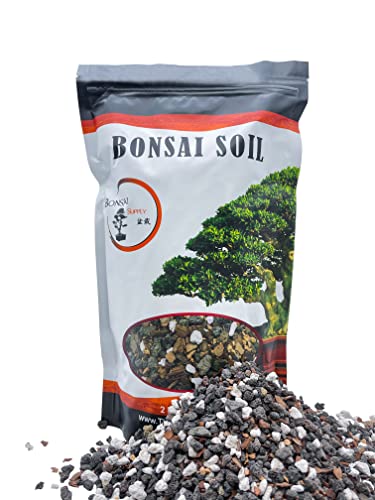
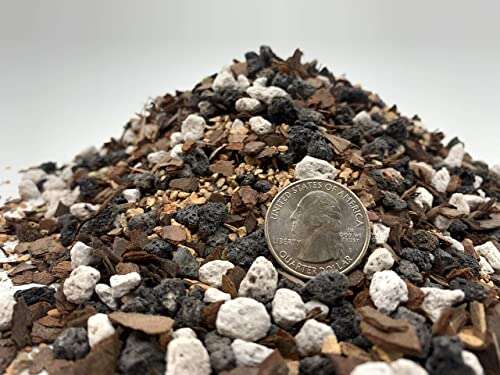
The Bonsai Supply All Purpose Mix combines pumice, lava, calcined clay, and pine bark. That blend gives pine bonsai roots a useful mix of air space, drainage, and modest moisture storage. The particles also suit the shallow pots used for many bonsai trees. I like this style of mix because it avoids the dense texture found in regular potting soil.
This is a practical starting point for new growers and a flexible base for more advanced growers. Pumice and lava add lasting structure, while calcined clay helps hold water and nutrients. Pine bark adds a small amount of organic material without making the mix feel heavy. For many indoor and outdoor setups, this is a strong candidate for the best soil for pine bonsai.
Pros:
- Fast drainage helps reduce standing water
- Mineral particles create useful root air space
- Pre-mixed design saves time during repotting
- Pine bark adds balanced moisture support
- Works for many bonsai species and pot sizes
Cons:
- Organic bark may break down sooner than pure mineral soil
- Particle size may not suit very small seedlings
- Some growers may want to adjust the mix for a wet climate
Perfect Plants Organic Bonsai Soil

Perfect Plants offers an organic, all-purpose bonsai potting mix in a two-quart bag. This type of soil appeals to growers who want a simple product for repotting small trees, cuttings, or young pine bonsai. Its organic focus can help the mix hold some moisture between waterings. Still, pine bonsai need careful watering because organic mixes can stay damp longer than mineral mixes.
I would consider this soil for growers who check their trees often and live in a dry area. It can also work well when a pine grows in a warm spot with fast evaporation. Before using it, I would inspect the particles and screen out dust if needed. The best soil for pine bonsai should match your watering habits, not just the label on the bag.
Pros:
- Organic formula suits growers who prefer natural materials
- Useful moisture retention for dry indoor rooms
- Ready-to-use format makes repotting easier
- Two-quart size fits small bonsai collections
- Can support young trees and general bonsai planting
Cons:
- May hold more water than pine prefers in humid weather
- Organic ingredients can settle or decompose over time
- May need added pumice or lava for extra drainage
Omitgoter Pine Bonsai Soil, 1 Quart

This Omitgoter mix is made for pine trees and focuses on breathability and drainage. That focus matters because pine roots dislike airless soil. In a bonsai pot, the soil must release extra water soon after irrigation while keeping enough moisture around the roots. A pine-specific blend can make that balance easier for beginners.
The one-quart size is useful when you have one small tree or want to test a mix before buying more. I also like small bags for seasonal repotting because they reduce leftover soil storage. This product may suit a grower who wants a direct, simple solution rather than a long list of separate ingredients. Check the mix after watering, since local weather and pot depth still affect performance.
Pros:
- Designed with pine bonsai needs in mind
- Breathable texture supports healthy root oxygen
- Small bag reduces waste for one-tree owners
- Convenient option for repotting projects
- Drainage-focused design suits shallow bonsai containers
Cons:
- One quart may not cover several mature trees
- Exact particle size may vary by bag
- Advanced growers may prefer to customize the ratio
Premium Bonsai Mix with Akadama, 5 Quarts

Akadama is a well-known bonsai soil component because it holds moisture while maintaining open spaces for roots. This five-quart premium mix gives you more volume for a growing collection or a larger pine bonsai. Its high-drainage design is especially useful in shallow pots, where poor soil can compact quickly. The USA-made label may also appeal to shoppers who prefer domestic production.
Akadama does break down with repeated wet and dry cycles, so I would monitor the soil texture during future repotting. That is not a flaw unique to this product; it is a normal trait of many soft clay-based akadama materials. The larger bag gives good value when you repot several trees at once. For growers who want a more refined medium, this is one of the stronger options for the best soil for pine bonsai.
Pros:
- Akadama balances moisture storage and drainage
- Five-quart size suits multiple bonsai trees
- High drainage helps protect pine roots from soggy soil
- Useful for growers who prefer a professional-style mix
- Good volume for planned repotting work
Cons:
- Akadama can soften and break down over time
- Premium mixes may cost more than basic soil
- May need screening before use in small pots
Professional Bonsai Soil Mix, 2.2 Quarts

This professional bonsai soil mix comes in a 2.2-quart size for growers who want ready-to-use soil without measuring each component. A prepared mix can reduce mistakes during repotting, especially when a pine needs quick work. The open texture should help water move through the root ball and out of the drainage holes. That airflow can support stronger roots when the tree receives proper light and water.
I see this as a middle-ground product. It is more specialized than ordinary potting soil, yet it does not force a beginner to build a custom recipe. The amount should cover one medium tree or several small trees, depending on pot size. As with any bonsai mix, remove fine dust and inspect the roots before planting so the soil fits the tree.
Pros:
- Ready-to-use blend saves measuring time
- Designed for the unique needs of bonsai containers
- Good drainage can help prevent stagnant root zones
- Convenient 2.2-quart quantity for small collections
- Useful for both new and experienced bonsai growers
Cons:
- May not provide enough soil for a large pine
- Some growers may want more organic or mineral content
- Prepared blends offer less control than separate ingredients
Pine Bark Nugget Fines, 2 Quarts
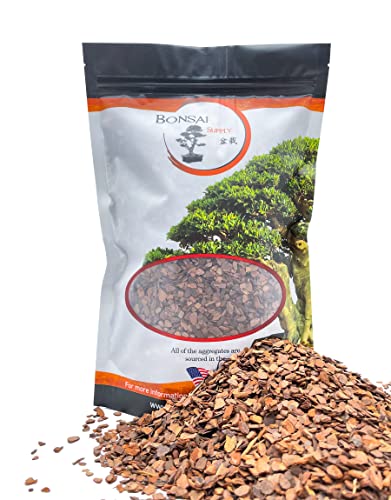
This product contains quarter-inch pine bark fines, so it works best as one part of a custom bonsai mix. Bark fines can add organic structure, improve moisture balance, and soften a very mineral-heavy blend. They also help create spaces between larger particles. For pine bonsai, I would pair bark fines with pumice, lava rock, or calcined clay rather than use them alone.
The two-quart bag gives you enough material to adjust several batches. It is helpful when your climate is hot, dry, or windy and your current mix dries too fast. Bark does break down, so it needs regular inspection during repotting. This is not a complete answer for the best soil for pine bonsai, but it is a useful tool for building one.
Pros:
- Quarter-inch size fits many bonsai soil recipes
- Adds organic matter without using dense garden soil
- Helps a fast-draining mix hold some moisture
- Useful for custom blends and soil repairs
- Two-quart package offers good mixing flexibility
Cons:
- Not a complete bonsai soil by itself
- Organic bark breaks down with age
- Can hold too much water if used heavily in wet climates
Premium Akadama Bonsai Mix, 2.5 Quarts

This 2.5-quart premium mix with akadama is a compact choice for a small pine bonsai collection. Akadama can absorb water after irrigation and release some of it as the soil dries. At the same time, its granular form keeps roots from sitting in a solid block. The high-drainage design makes it worth considering for growers who water often.
I would choose this size for one medium bonsai or several smaller trees. It can also serve as a trial bag for a new grower who wants to learn how akadama behaves. Keep in mind that akadama needs careful handling because crushed particles can reduce airflow. A quick screen before planting helps remove dust and keeps the soil surface open.
Pros:
- Akadama offers useful moisture control
- High drainage supports airy root conditions
- Compact size works for small repotting jobs
- Good choice for growers learning bonsai soil care
- USA-made format may appeal to local-buying shoppers
Cons:
- Small volume may not suit a large collection
- Soft akadama can break down in time
- Requires careful watering during hot summer days
Leaves & Soul Ready-to-Use Bonsai Soil
Leaves & Soul offers a large 8.2-quart bag of ready-to-use bonsai soil. That amount is a clear advantage for anyone caring for several trees or planning a full repotting session. A prepared medium removes the guesswork of buying and mixing separate materials. It also lets you focus on root pruning, drainage screens, and aftercare.
Large bags can provide better value, but storage matters. Keep unused soil dry and sealed so it stays clean and ready for the next job. I would still check particle size because mature pine bonsai and young seedlings often need different grades. For a busy grower, this is a convenient candidate for the best soil for pine bonsai when volume matters most.
Pros:
- Large 8.2-quart bag suits several trees
- Ready-to-use format speeds up repotting
- Reduces the need to buy separate soil parts
- Useful for bonsai clubs, collections, and workshops
- Convenient option for routine seasonal maintenance
Cons:
- Large bags need dry, pest-free storage
- Prepared texture may not fit every pine or climate
- Less convenient for a person with only one tiny tree
Omitgoter Pine Bonsai Soil, 2 Quarts
This two-quart Omitgoter pine soil offers the same general drainage focus as the smaller version but gives you more room to work. Extra soil helps when a tree has a wide root spread or when you want to keep some mix for later top dressing. A breathable blend is important for pines because their roots need oxygen after watering. It also helps water pass through the shallow pot instead of pooling near the trunk.
This bag makes sense for a grower with two small trees or one medium tree. I would use it during the active growing season only when the tree is healthy and the weather matches the care plan. After repotting, protect the pine from harsh stress while new roots settle. If you want a pine-focused product without buying a large bulk bag, this is a balanced choice.
Pros:
- More useful volume than a one-quart trial bag
- Designed for pine tree drainage needs
- Supports air movement around the root system
- Works well for small collections
- Ready-to-use format makes repotting simple
Cons:
- May still be too small for large bonsai
- Growers in very dry areas may need more moisture retention
- Custom soil makers may prefer separate ingredients
Omitgoter Bonsai Mix with Akadama, 4 Quarts

This Omitgoter blend combines akadama, lava rock, pumice, and bark. That ingredient group covers the main jobs of a bonsai medium: water holding, drainage, lasting structure, and light organic content. Lava and pumice keep the mix open, while akadama provides moisture and nutrient-holding capacity. Bark adds a softer element to the mineral base.
The four-quart size gives this mix a useful middle ground between a trial bag and a large collection bag. It should appeal to growers who want a complete mix without blending each part by hand. I would use a soil screen to remove fine dust before filling the pot. With its varied ingredients, this is a strong all-around option for the best soil for pine bonsai.
Pros:
- Combines four useful bonsai soil components
- Lava rock and pumice help maintain drainage
- Akadama supports moisture and nutrient control
- Bark adds organic balance to the mineral blend
- Four-quart size suits several repotting tasks
Cons:
- Mixed ingredients can have different breakdown rates
- May need screening for very fine bonsai pots
- Some advanced growers may prefer a custom ratio
My Recommendation
After comparing these options, I would start with a mix that has clear mineral structure and fast drainage. Pine bonsai do not need ordinary soil packed around their roots. They need a medium that acts more like a stack of small stones with tiny water reserves between them. The best soil for pine bonsai should also fit your local weather, watering routine, pot size, and tree age.
For most beginners, the All-Purpose Bonsai Soil Mix is the easiest place to start. It includes pumice, lava, calcined clay, and pine bark, so it offers a useful balance without requiring a custom recipe. I would choose the Omitgoter akadama blend when I wanted a richer, more varied ready-made mix. For several trees, Leaves & Soul provides the most convenient amount.
| Best for | Why |
|---|---|
| New pine bonsai growers | The All-Purpose Mix offers a simple, balanced, ready-to-use blend. |
| Several trees or group repotting | Leaves & Soul provides 8.2 quarts for repeated planting work. |
| Custom and professional-style care | Akadama-based mixes give good control over air, water, and root structure. |
Before planting, I check that the pot has open drainage holes and that the soil particles are clean. I also avoid pressing the mix down too hard because compacted particles reduce air space. After repotting, I water until the flow runs clear from the holes. Then I watch the tree, not just the calendar, and adjust watering as the soil dries.
One more point matters: soil cannot fix poor light, weak drainage, or incorrect watering by itself. Most pine bonsai prefer strong light and a clear wet-to-dry cycle rather than constant moisture. I use a wooden chopstick, finger test, or pot weight to judge moisture below the surface. These small habits help any quality mix perform better and extend the life of the tree.
How I Evaluate Soil for Pine Bonsai
I judge bonsai soil by four simple traits: drainage, air space, moisture control, and particle stability. Drainage removes excess water after a deep watering. Air space lets roots breathe. Moisture control keeps the tree from drying too quickly, while stability helps the mix keep its shape over time.
Particle size also matters. A large pine in a deep training pot can use larger pieces than a young pine in a small container. Very fine soil may compact and block air. Very large pieces may dry too fast or leave poor contact around thin roots.
I also look at the product size and use case. A one-quart bag may be perfect for one small tree but frustrating for a collection. A large bag can save money, yet it needs dry storage. The best soil for pine bonsai is the mix you can use correctly and monitor often.
What Ingredients Should Pine Bonsai Soil Have?
Akadama is a granular clay soil used in many bonsai mixes. It holds water and nutrients, but it can break down after repeated wetting and drying. Pumice is light and porous, so it adds air space and drainage. Lava rock is hard and stable, and it helps keep the mix from collapsing.
Calcined clay can hold moisture and nutrients while keeping a granular form. Pine bark fines add organic matter and can improve water balance. I prefer these ingredients in measured blends rather than relying on peat-heavy potting soil. Peat can hold water well, but it may shrink, become hard to re-wet, or reduce air space when it stays wet.
No single ingredient is perfect for every grower. A dry Arizona patio needs a different moisture balance than a rainy Pacific Northwest garden. Start with a quality mix, then make small changes based on how fast the pot dries.
How to Use Bonsai Soil for a Pine Tree
First, choose a pot with drainage holes that match the tree’s size. Cover the holes with mesh so the soil stays in place while water can escape. Remove the pine carefully and inspect the roots before adding fresh soil. Avoid rough handling because pine roots recover slowly from major damage.
Place a small layer of the chosen mix in the pot. Set the tree at the correct height, then work soil around the roots with a chopstick. This removes large air pockets without crushing the particles. Fill the pot to just below the rim, leaving space for watering.
Water slowly and deeply after planting. Water should flow from the drainage holes, which helps settle the soil and wet dry pockets. Keep the tree in a protected location after repotting, and avoid heavy fertilizer until the roots begin to recover. Always follow the care needs of the pine species and the season.
Common Soil Mistakes to Avoid
The biggest mistake is using garden soil in a bonsai pot. Garden soil is often too dense, and it can contain weed seeds, pests, or poor drainage. It may work in an open bed but fail in a small container.
Another mistake is watering by habit. A pine does not need water simply because it is morning or because another plant needs it. Check the soil and weather first. Rain, cool days, shade, and high humidity can slow drying.
Many growers also skip screening. Dust can fill the spaces between larger particles and create a hard layer. Screen out the smallest dust before planting, but do not remove every small piece. A useful mix needs a range of particle sizes to hold roots firmly.
FAQs Of best soil for pine bonsai
What is the best soil for pine bonsai?
The best soil for pine bonsai drains quickly and stays open around the roots. A mix with pumice, lava rock, akadama, calcined clay, and some pine bark often works well. Your climate and watering habits should guide the final choice.
Can I use regular potting soil for a pine bonsai?
I do not recommend regular potting soil by itself. It may hold too much water and lose air space in a shallow pot. You can use a small amount of organic material, but add porous mineral particles for better drainage.
Is akadama good for pine bonsai?
Yes. Akadama can hold moisture and nutrients while keeping a granular structure. However, it may break down over time, so check the soil during repotting and replace compacted material.
How often should I replace pine bonsai soil?
Repotting depends on tree age, growth, soil breakdown, and root health. Young trees may need more frequent repotting than mature trees. Check whether water still drains well and whether the particles remain open.
Should pine bonsai soil contain bark?
Bark can help hold moisture and add organic structure. Use it as part of a balanced blend rather than as the main ingredient. In wet climates, use less bark and more durable mineral particles.
Final Verdict: Which Should You Buy?
For most growers, The Bonsai Supply All Purpose Mix is the best soil for pine bonsai. It offers pumice, lava, calcined clay, and bark in one easy blend. Choose the larger akadama or Leaves & Soul mix for several trees.
Good soil gives pine roots air, water control, and support. Match the mix to your climate, pot, and care style for healthier bonsai growth.

Laura Bennett is a gardening writer at MyGardenLabs who creates beginner-friendly guides focused on solving common plant care and gardening problems.